Wisconsin Waterfowl Migration Timing
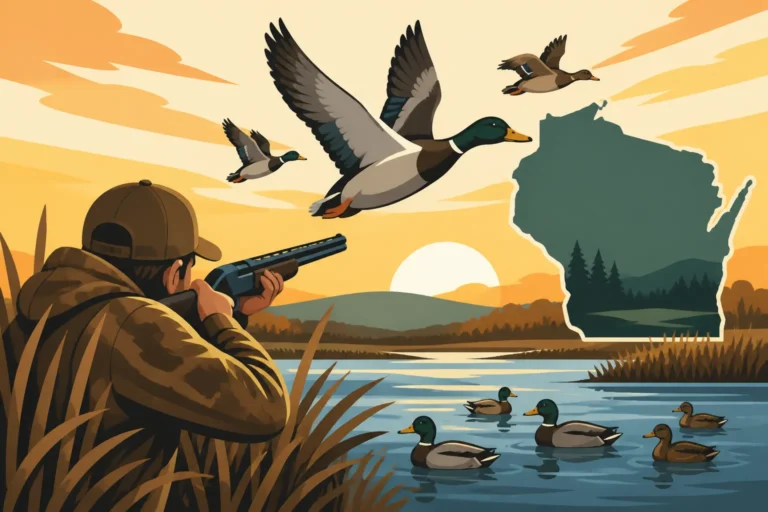
One of the biggest frustrations for any waterfowl hunter in Wisconsin is trying to nail down exactly when the ducks and geese will show up. It feels like a guessing game every year, a constant push and pull between local birds and the big northern migrations. This guide aims to shed light on the intricate dance of Wisconsin's waterfowl migration, breaking down the factors at play and helping you understand what to look for, so you can be in the right place at the right time.
Understanding the Factors Influencing Waterfowl Migration in Wisconsin
Waterfowl migration isn't some fixed calendar event; it's a dynamic, complex process driven by a symphony of environmental cues. For us hunters in Wisconsin, understanding these underlying factors is key to predicting when those skies will truly open up with new birds. It's more than just a gut feeling; there's real science at play, and knowing it helps us make better decisions about when and where to hit the blinds.
Weather Patterns and Cold Fronts
Ask any seasoned waterfowler, and they'll tell you that weather is king when it comes to migration. It's not just about a single chilly day, but sustained changes and powerful cold fronts that act as nature's alarm clock for ducks and geese. When those big Canadian high-pressure systems start to plunge south, bringing with them a sharp drop in temperature and often the first dusting of snow, that's when the magic really begins. These dramatic weather shifts don't just make the birds uncomfortable; they signal the coming freeze-up of critical feeding and resting grounds further north, prompting a mass exodus.
But it's not just about what's happening here. We need to pay attention to the forecast north of us, too. A brutal cold snap in Manitoba or Saskatchewan can push birds through North Dakota and Minnesota right into our Wisconsin marshes and fields. Likewise, a mild fall up north can delay the main migration considerably, leaving us scratching our heads wondering where all the birds are. It's a delicate balance, and often, the first hard freeze up in the boreal forest is what truly gets the larger flocks moving towards the relative warmth and open water of Wisconsin. Keep a close eye on those long-range forecasts, not just for your county, but for the entire flyway.
Food Availability and Habitat Conditions
Beyond the biting cold, birds are also motivated by their stomachs. Abundant food sources and suitable habitat are like magnets to migrating waterfowl. In Wisconsin, this often means the agricultural landscape plays a huge role. Fields of cut corn, left standing by farmers after harvest, become prime feeding grounds, offering high-energy sustenance critical for their long journeys south. If there's plenty of easily accessible waste grain, birds might linger longer in certain areas, staging up and fattening themselves before continuing.
Conversely, a season with poor crop yields or extensive flooding that buries food sources can push birds through an area more quickly. Water levels in our marshes, rivers, and impoundments are also crucial. Too low, and vast expanses of prime feeding mudflats might be unavailable or offer little cover. Too high, and shallow water plants and submerged seeds become inaccessible. Areas like the expansive cattail marshes and wild rice beds along the Mississippi River or the carefully managed impoundments in our state wildlife areas become vital hubs. The condition of these habitats directly influences how long birds stay and how many will use them as a stopover. Understanding the cycles of agriculture and water management in your preferred hunting zones, perhaps by checking out resources that show you where to scout on public lands, can give you a real edge.
Moon Phases and Photoperiod
While weather and food are the most apparent drivers, subtle celestial cues like moon phases and photoperiod (day length) also play a role in the intricate rhythm of waterfowl migration. It’s less about a specific full moon triggering a flight, and more about the gradual, undeniable shortening of daylight hours. As the days grow shorter after the autumnal equinox, birds experience hormonal changes that cue their migratory instincts. This physiological shift tells them it's time to prepare for the journey.
Moon phases can sometimes influence when birds choose to fly, particularly for nocturnal migrants or those making long, overnight pushes. A bright, full moon might provide better visibility for birds flying at night, potentially leading to a larger nocturnal movement. However, this is often a secondary factor, more nuanced than the immediate impact of a drastic temperature drop. Think of it as a subtle nudge rather than a forceful shove. While we can't control the moon or the sun, understanding that these cycles contribute to the overall migratory urge helps us appreciate the grand scale of what these birds undertake each fall.
Early Season Waterfowl Movement: Teal and Early Geese
The hunting season in Wisconsin often kicks off with a burst of excitement for early waterfowl, primarily blue-winged teal and the first waves of Canada geese. This period feels distinct from the main migration, characterized by warmer temperatures and a focus on local birds or the earliest migrants to pass through. It’s a great way to shake off the rust and enjoy some fast-paced action, but it requires a different approach than the later, colder hunts.
September Teal and Resident Geese
When that September teal season opens, many of us are still thinking about summer, but the skies are already telling a different story. Blue-winged teal are some of the earliest migrants, often making their way through Wisconsin before many other duck species have even considered heading south. They're quick, agile, and offer fantastic pass shooting opportunities, especially over shallow, vegetated waters. The key here is scouting. These birds don't hang around long, and they prefer specific types of habitat – think shallow, muddy edges with plenty of aquatic vegetation. If you're looking for where to find these birds, remember that Wisconsin Teal Season Dates are specific for this early migration.
Alongside the teal, Wisconsin's resident Canada geese are abundant and often the primary target for early goose season. These birds haven't traveled far, if at all, and they're well-acquainted with local feeding and roosting patterns. They're often found in agricultural fields, particularly cut corn and bean fields, throughout southern and central Wisconsin. They'll fly predictable patterns between their roosting water and their feeding grounds, offering fantastic field hunting opportunities. Being able to distinguish between these local birds and the later-arriving migrants is crucial, as their behaviors can differ significantly. Understanding the nuances of Wisconsin's September Early Goose Hunt is essential for success.
Local Movements and Staging Areas
Even before the major migrations begin, Wisconsin's local waterfowl populations are on the move. Ducks like mallards and wood ducks, hatched right here in the state, will begin to concentrate in specific areas as their broods mature and they seek out the best available food and cover. This local movement is a precursor to the larger flights, as birds gather into larger flocks, testing their wings and solidifying their social structures. They might move from smaller breeding marshes to larger bodies of water or agricultural fields.
These local staging areas become critical during the early season. For instance, smaller ponds and sloughs that held only a few pairs during the breeding season might suddenly be home to hundreds of ducks in late August and early September. They're still vulnerable to hunting pressure and often respond well to decoys. Rivers, like the Wisconsin River, become important travel corridors, and you might see increased activity in the river bottoms. Hunters who spend time scouting these local movements often have the most success during the first few weeks of the season, long before the first major push of birds from the far north arrives. Keep your eyes peeled for concentrations of birds on private ponds or quieter stretches of public water, as these can provide excellent opportunities before the main event.
The Peak of Migration: October's Main Event
For many Wisconsin waterfowl hunters, October is the month we live for. This is when the northern skies truly open up, unleashing wave after wave of migrating ducks and geese that make their way down the Mississippi Flyway. The air gets crisper, the leaves turn, and the sheer volume of birds in the state dramatically increases. It's a time of intense activity and often the most rewarding hunting, but also one that demands adaptability.
Mallards, Wood Ducks, and Diving Ducks
As October progresses, the diversity of ducks entering Wisconsin from the north becomes truly impressive. While wood ducks may start to thin out by mid-month, heading further south with the first significant cold snaps, the arrival of northern mallards becomes the highlight. These "greenheads" are often larger, darker, and warier than their resident counterparts, having already run the gauntlet of hunters further north. They bring with them a new level of excitement to the marshes and cornfields.
Simultaneously, we start to see a significant influx of diving ducks. Canvasbacks, redheads, bluebills (scaup), and ring-necked ducks begin to arrive in earnest, particularly on larger bodies of water like Lake Michigan, Lake Winnebago, and the expansive backwaters of the Mississippi River. These birds prefer deeper, open water and often stage in massive rafts, moving to feed on submerged vegetation and invertebrates. Hunting these divers requires different tactics and specialized decoy spreads, often involving larger decoy numbers and different calling techniques. Knowing the nuances of Diver Hunting on Wisconsin Open Water can be a game-changer.
Canada Goose Influx and Staging
While resident Canada geese are a staple of the early season, October marks the arrival of truly impressive numbers of migratory Canada geese. These birds pour into Wisconsin from breeding grounds far north, bringing with them a noticeable increase in size and a more cautious demeanor. They often travel in huge V-formations, announcing their arrival with a cacophony of honks that echo across the landscape. They seek out large, safe roosting areas, often on open water, and then fly out to feed in vast agricultural fields.
Prime staging areas for these geese include iconic spots like Horicon Marsh, where tens of thousands can gather, creating a spectacle that's as impressive to witness as it is challenging to hunt. These birds are pressured and intelligent, requiring meticulous scouting, well-placed blinds, and often large spreads of decoys. Understanding the specific regulations and opportunities for Hunting Horicon Marsh Waterfowl or Field Hunting Geese in Southern Wisconsin becomes crucial during this time. The constant churn of new birds means that even if a field is "burnt out" one day, a fresh wave of migrants can make it hot again the next.
Waterfowl Hotspots During Peak Migration
During the peak migration in October, certain regions and habitat types in Wisconsin become absolute magnets for waterfowl. These hotspots are often characterized by a combination of abundant food, secure roosting areas, and strategic location along major flyway corridors. If you're looking for where to focus your efforts, these are the places to prioritize.
Major River Systems: The Mississippi River, which forms Wisconsin's western border, is an undisputed king. Its vast backwaters, sloughs, and protected islands offer ideal staging and feeding grounds for both ducks and geese. The Wisconsin River and its many tributaries also serve as crucial highways for migrating birds. Hunters often find success jump-shooting smaller stretches or setting up on oxbows and quiet eddies. Consider studying Hunting Mississippi River Backwaters for more insights.
Large Managed Marshes and Wildlife Areas: Sites like Horicon Marsh, Meadow Valley Wildlife Area, Collins Marsh, and many others, are specifically managed to attract and hold waterfowl. They often feature controlled water levels, food plots, and designated refuge areas, providing a haven for birds that are under constant pressure elsewhere. These areas can sometimes offer controlled hunts or specific draw periods, so knowing the application process is vital.
Agricultural Lands: The vast corn and bean fields of southern and central Wisconsin become critical feeding grounds, especially after harvest. Geese, and increasingly mallards, will spend a significant portion of their day feeding in these fields, providing excellent opportunities for field blinds and decoy spreads. Access to these lands often requires careful scouting and landowner permission, but the rewards can be substantial.
Table: General Waterfowl Migration Timing in Wisconsin
| Species Group | Early Season (Sept) | Peak Migration (Oct) | Late Season (Nov-Dec) | Preferred Habitat |
|---|---|---|---|---|
| Blue-winged Teal | Heavy presence | Fading/Gone | Gone | Shallow marshes, mudflats |
| Wood Ducks | Strong presence | Heavy to Fading | Sparse/Gone | Timbered sloughs, wooded swamps |
| Resident Geese | Strong presence | Strong presence | Strong presence | Agricultural fields, open water |
| Early Migrant Geese | First arrivals | Building up | Consistent | Agricultural fields, large marshes |
| Northern Mallards | Sparse | Heavy arrival | Consistent to Fading | Marshes, cornfields, open water |
| Diving Ducks | Sparse | Building to Heavy | Consistent | Large lakes, river backwaters, open water |
| Late Migrant Geese | Rare | Building to Heavy | Heavy arrival | Agricultural fields, large open water |
Note: This table represents general trends. Actual timing can vary significantly year to year based on weather and other factors.
Late Season Challenges and Opportunities: November and Beyond
As the calendar turns to November and pushes into December, waterfowl hunting in Wisconsin transforms into a game of endurance, resilience, and often, incredible rewards. This late season presents unique challenges, primarily due to plummeting temperatures and the relentless march of ice, but it also offers some of the most memorable hunts for hardy waterfowlers. The birds that remain are often the toughest, and knowing how to adapt is key.
Freezing Water and Last Stands
The inevitable onset of widespread freezing is the ultimate arbiter of the late waterfowl season. As smaller ponds, sloughs, and even sections of larger marshes begin to skim over or fully freeze, ducks and geese are forced to concentrate on the remaining open water. This can create incredible hunting opportunities, as huge numbers of birds funnel into smaller, more predictable areas. Think of it as a natural funnel that brings the birds to you. Rivers with current, deeper lakes, and spring-fed potholes become absolute magnets.
Hunters need to be prepared for the elements. Breaking ice to set decoys, wearing insulated waders, and dealing with frozen gear become part of the routine. The birds themselves are often incredibly wary, having survived weeks of hunting pressure. They'll circle high, inspecting every detail before committing. This is when meticulous concealment, realistic decoy spreads, and precise calling become paramount. Often, the last good push of birds happens right before a major freeze-up, a desperate dash to find open water further south. Paying attention to Wisconsin Waterfowl Hunting on Marsh and River strategies is especially important during this transition.
Late Migrators and Tough Hunting Conditions
While many ducks have long since departed for warmer climes, certain species, particularly hardy northern mallards, various diving ducks, and large Canada geese, will often stick around in Wisconsin until the very last drop of open water freezes. These are the late migrators, birds that seem almost impervious to the cold, as long as they have access to food and water. They're often in prime plumage, robust from weeks of feeding, and incredibly challenging to decoy.
Hunting during this period means embracing truly tough conditions. Sub-freezing temperatures, snow, ice, and biting winds are the norm. Your gear needs to be up to the task – reliable firearms that function in the cold, specialized ammunition, and layering systems that can keep you warm and dry through hours of exposure. It's a test of commitment, but the rewards can be spectacular. Bagging a late-season greenhead or a colossal Canada goose that has weathered the northern storms is a point of pride for many Wisconsin hunters. For strategies on these tough birds, looking at Hunting a Wisconsin Managed Waterfowl Draw or other specific area guides can be helpful, as these often hold birds longer due to refuge areas.
Regional Differences in Wisconsin's Waterfowl Migration
Wisconsin is a diverse state, both geographically and ecologically, and these differences play a significant role in how waterfowl migration unfolds across its varied landscapes. What holds true for a hunter in the northern forest might be completely irrelevant to someone hunting along the Great Lakes. Understanding these regional distinctions is key to maximizing your success and planning your hunts effectively.
Northern Forests and Flowages
In the vast expanses of Northern Wisconsin, dominated by the Chequamegon-Nicolet National Forest and numerous county forests, the waterfowl migration tends to be an earlier, more compressed affair. The numerous lakes, flowages, and small beaver ponds offer excellent habitat early in the season, particularly for wood ducks, local mallards, and some diving ducks. However, these waters are also the first to freeze solid when the sustained cold fronts arrive.
Once mid-October hits, and certainly by early November, most of these smaller waters become unhuntable, forcing birds to move quickly south or concentrate on the few larger, deeper lakes that might remain open a bit longer. Hunting in the Northwoods often means targeting birds in the first few weeks of the season, taking advantage of the initial pushes before the deep freeze. It requires an intimate knowledge of local water bodies and a willingness to explore, as birds will seek out quiet, sheltered spots. The pace of the Duck Migration Timing Through Wisconsin is noticeably faster here than in the southern parts of the state.
Farmland and River Corridors
Central and Southern Wisconsin, characterized by extensive agricultural lands and major river systems like the Mississippi, Wisconsin, and Rock Rivers, represent the heart of the state's waterfowl hunting. This region offers a potent combination of abundant food (waste grain in corn and soybean fields) and large, often ice-resistant water bodies, making it a critical staging and feeding area for ducks and geese throughout the entire migration.
The timing here is more drawn out. Early season birds utilize the rivers and smaller marshes, but as the migration progresses, the fields become paramount. Canada geese especially, but also increasing numbers of mallards, will spend their days feeding in these agricultural fields, flying to and from the large river systems or managed marshes for roosting. This creates consistent opportunities for Field Hunting Geese in Southern Wisconsin or setting up on prime river bends. The accessibility of both food and water allows birds to linger for extended periods, making scouting for specific flight patterns between feeding and roosting sites incredibly productive. The sheer numbers of Canada Geese at Horicon Marsh exemplify this regional draw.
Great Lakes Shoreline and Open Water
The unique geography of Wisconsin's Great Lakes coastlines, particularly along Lake Michigan, creates a distinct migration corridor and habitat for specific waterfowl species. While interior marshes might be freezing, the vast, open waters of Lake Michigan and Green Bay often remain ice-free well into winter, serving as critical refuges and feeding grounds, especially for diving ducks.
Species like scaup (bluebills), canvasbacks, redheads, and oldsquaw (long-tailed ducks) will raft up in huge numbers on the open water, feeding on invertebrates and aquatic vegetation. Hunters targeting these birds often utilize large decoy spreads, specialized boats, and robust gear to contend with the waves and often harsh conditions of big water hunting. While less about precise timing due to weather and more about consistent presence, the migration along the Great Lakes is a spectacular event. It's a testament to the diverse habitats Wisconsin offers for migrating Wisconsin Waterfowl on the Mississippi Flyway. For those interested in this specific type of hunting, investigating Diver Hunting on Wisconsin Open Water can provide valuable information.
Utilizing Resources for Real-Time Migration Intelligence
In the modern age, simply waiting for birds to show up isn't enough for consistent waterfowl hunting success. Savvy hunters use a variety of resources to gather real-time migration intelligence, helping them make informed decisions about when and where to hunt. This blend of technology, shared knowledge, and boots-on-the-ground scouting can significantly improve your odds.
Weather Forecasting and Radar
As we've discussed, weather is the prime mover of migration. Therefore, having a deep understanding of current and forecasted weather patterns is perhaps your most important tool. Don't just check the temperature for your town; look at the larger regional picture. Are strong cold fronts pushing south from Canada? Is there widespread snow expected in Minnesota or the Dakotas? These are the signals that can indicate a major migration event is imminent.
Beyond simple temperature and precipitation, learn to interpret weather radar. Large masses on radar screens, particularly on clear nights, can sometimes indicate large bird migrations. While not a precise science, observing consistent patterns of "bird radar" moving south can give you a heads-up that new birds are on the way. Specialized weather apps that offer detailed wind forecasts are also invaluable, helping you predict flight paths and adjust your blind setup accordingly.
Online Reports and Scouting Tools
The internet has revolutionized how hunters share and access information. There are numerous online platforms, forums, and social media groups where hunters post real-time migration reports, sightings, and conditions. While taking everything with a grain of salt is wise (some reports might be exaggerated or misleading), these platforms can provide a general pulse of bird activity across the state. They can tip you off to whether the main migration has started to hit specific regions or if certain species are showing up in unexpected numbers.
Beyond general reports, digital scouting tools have become indispensable. Apps and websites, like GoHunt, provide detailed satellite imagery, property boundaries (crucial for distinguishing between public and private land), and even weather overlays. You can mark potential feeding areas, scout accessible entry routes, and identify roosting water from the comfort of your home. Combining this digital reconnaissance with current weather patterns gives you a powerful advantage, allowing you to narrow down your scouting efforts to the most promising locations. Even checking Scouting With the Wisconsin Hunt Wild App can provide great localized intel.
Personal Scouting and Local Knowledge
While technology is fantastic, nothing, and I mean nothing, replaces good old-fashioned personal scouting and cultivating local knowledge. Being boots on the ground, observing bird movements, identifying feeding patterns, and watching where birds roost is the most direct and accurate way to understand what's happening in your specific hunting area. Drive around, walk field edges, glass marshes from a distance – invest the time before the season and between hunts.
Talking to other local hunters, farmers, or even just people who spend time outdoors (like bird watchers) can also provide invaluable insights. They might have seen a large push of divers on a particular lake, or noticed a field that's suddenly attracting hundreds of geese. Respect local expertise and be willing to share some of your own, fostering a community of informed hunters. Ultimately, the best intelligence comes from your own eyes and ears, combined with the wisdom gained from experience in the field. This hands-on approach is how you truly master Wisconsin Waterfowl Seasons and Zones and predict the unpredictable nature of migration.
Disclaimer
This article is for general informational purposes only and does not constitute professional advice. Laws, prices and regulations vary by location and change over time. Consult a qualified professional for guidance on your specific situation.