Coyotes and Bobcats in Wisconsin
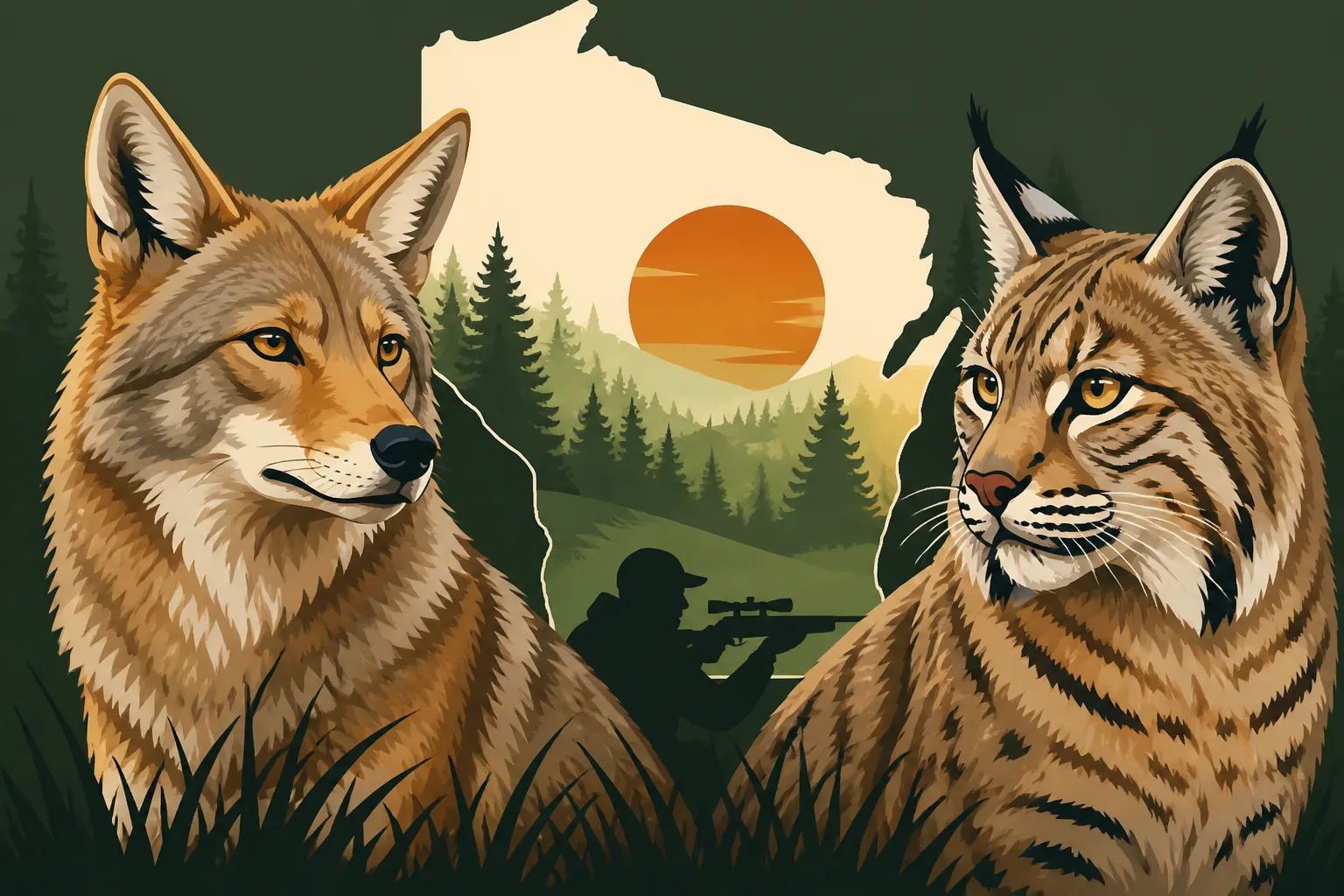
It's no secret that Wisconsin is a hunter's paradise for deer, turkey, and bear, but sometimes we overlook the incredible challenges and rewards of pursuing our state's wild predators. If you've ever heard a coyote's mournful howl under a full moon or caught a fleeting glimpse of a bobcat's spotted coat vanishing into the brush, you know there's a primal draw to these cunning creatures. This guide aims to pull back the curtain on hunting and understanding coyotes and bobcats in Wisconsin, offering deep insights into their lives, how to pursue them ethically, and the unique regulations that shape predator hunting in our beautiful state.
Understanding Wisconsin's Coyote Population
Coyotes are, without a doubt, one of Wisconsin's most adaptable and widespread predators. They're a marvel of survival, thriving in diverse habitats from the deepest northwoods to the suburban fringes. Many hunters have a love-hate relationship with coyotes – appreciating their wild spirit while also recognizing the pressure they can put on deer fawns and other small game.
Coyote Range and Adaptability
You'd be hard-pressed to find a corner of Wisconsin where coyotes haven't made their presence known. From the dense cedar swamps of northern Wisconsin to the agricultural lands of the south, these opportunistic canids have carved out a niche. They're incredibly resilient, adapting their hunting techniques, denning habits, and even their social structures to fit whatever environment they find themselves in. In areas with abundant deer, they might focus on fawns during the spring and summer, while in farmland, they'll readily switch to small rodents, rabbits, and even agricultural waste. This adaptability is precisely why their numbers remain robust, even with continuous hunting pressure.
It's not uncommon to hear a pack yipping and howling at dusk, even near more populated areas. They are masters of stealth and evasion, often moving under cover of darkness, which contributes to their elusive reputation. I've had many encounters where I only caught a glimpse of a shadow or heard their distant calls, a constant reminder that they are always watching and listening. Their ability to integrate into various landscapes, including fragmented forests and suburban green spaces, truly highlights their incredible evolutionary success.
Coyote Behavior and Diet
Coyotes are generally carnivores, but they are also opportunistic omnivores. Their diet largely consists of whatever is most readily available. This can include rabbits, hares, mice, voles, and even deer, especially fawns or weak/injured adult deer. During certain times of the year, particularly late summer and fall, you might find them eating berries, fruits, and insects. This diverse diet allows them to thrive when a primary food source becomes scarce.
Their social structure is fascinating. While they are often thought of as lone wolves, coyotes can form family groups or loose packs, especially during the breeding season and when raising pups. These packs can be highly effective hunters, working together to take down larger prey, although solo hunting is also very common. Understanding these behaviors can be crucial for hunters, as a lone coyote might respond differently to calls than a small family unit protecting its territory. Being aware of these nuances is part of the challenge and excitement of Coyote Calling in Wisconsin Winter.
Impact of Coyotes on Other Game Species
The impact of coyotes on other game species is a topic often debated among Wisconsin hunters. There's no doubt that coyotes prey on fawns, especially in the spring and early summer. When deer are abundant, a healthy coyote population can help keep those numbers in check, acting as a natural regulator. However, in areas where deer populations might be struggling due to harsh winters or other factors, increased coyote predation on fawns can be a concern for some.
Beyond deer, coyotes also prey on wild turkeys, especially eggs and poults, and various small game animals like rabbits and squirrels. While it's easy to point a finger at coyotes for lower numbers of certain game, it's essential to remember that predator-prey dynamics are complex. Habitat, weather, disease, and human hunting pressure all play significant roles. Often, coyotes are simply exploiting an abundant food source, and their presence can be a sign of a healthy ecosystem overall, even if it presents a challenge for hunters of other species. Their role as a natural scavenger also helps clean up carrion, preventing the spread of certain diseases among other wildlife.
Hunting Coyotes in Wisconsin
Hunting coyotes in Wisconsin is a year-round pursuit that offers a unique challenge and a chance to hone your woodcraft skills. Unlike some other game animals, coyotes aren't restricted by a short season, making them an excellent target for hunters looking to extend their time in the field.
Coyote Hunting Seasons and Regulations
One of the great things about coyote hunting in Wisconsin is the flexibility. There's generally no closed season for coyotes, meaning you can pursue them throughout the year. However, it's absolutely critical to stay up-to-date on specific regulations, as these can change, and special rules might apply depending on your location or the method you use. For instance, Wisconsin Coyote Hunting Season Rules clarify that while the season is open year-round, certain restrictions apply during specific deer gun seasons, such as firearm type or even the requirement to possess an unfilled deer tag in some scenarios if you are using a firearm usually associated with deer.
Night hunting is also an option for coyotes, but again, there are very specific rules governing it, especially concerning artificial lights. Always consult the latest Wisconsin Department of Natural Resources (DNR) regulations or use a tool like the GoHunt app to check current rules for your specific area. Understanding these nuances is key to a legal and ethical hunt. Remember, you're responsible for knowing the law before you head out.
Effective Coyote Calling Strategies
Calling coyotes can be incredibly exciting and challenging. There are two main types of calls: distress calls and interrogation/howling calls. Distress calls, mimicking a rabbit in trouble or a fawn bleating, are often effective as coyotes are always looking for an easy meal. Electronic callers, like those offered by brands such as Foxpro or Lucky Duck, can replicate a wide variety of sounds and are very popular, though mouth calls also have their place, especially in more intimate settings.
Interrogation calls, on the other hand, are about communicating with coyotes. A lone howl might provoke a response, helping you pinpoint their location, or even draw in a curious animal. Sometimes, a series of yips and barks, mimicking a challenge, can also get a territorial coyote to investigate. Success often comes down to reading the landscape, understanding wind direction, setting up effectively, and being patient. I've had days where coyotes came running in almost immediately, and others where I called for hours without a peep. Persistence and adapting your strategy are vital. For deeper dives into specific tactics, check out resources on Coyote Calling in Wisconsin Winter.
Gear for Successful Coyote Hunting
Successful coyote hunting often hinges on having the right gear. Beyond your firearm or bow, optics are crucial. A good pair of binoculars, like an 8×42 or 10×42, can help you spot subtle movement in thick cover or at long distances. A quality scope on your rifle with good low-light performance is also a huge asset, especially during those dawn and dusk hours when coyotes are most active.
Clothing that helps you blend into your surroundings and keeps you warm and dry is also critical, as you'll often be sitting for extended periods in potentially cold or wet conditions. Thermal imaging or night vision devices are legal for coyotes during legal night hunting hours in most parts of the state, but always double-check current regulations as these technologies are sometimes subject to change. Lastly, a comfortable seat, whether it's a small stool or a ground blind, will make those long waits much more bearable.
The Elusive Wisconsin Bobcat
Compared to coyotes, bobcats are far more secretive and significantly less numerous in Wisconsin. This makes encountering one a special event and drawing a bobcat tag an even rarer privilege. These beautiful felines are a testament to the wildness that still exists in our state.
Bobcat Distribution and Habitat
Wisconsin's bobcat population is primarily concentrated in the northern forests, though their range has been expanding slowly southward. They prefer dense cover, such as cedar swamps, thick timber, and rugged terrain, which provides ample ambush opportunities and protection. Think areas like the Chequamegon-Nicolet National Forest or vast stretches of county forests in places like Douglas, Bayfield, and Florence counties. These landscapes offer the seclusion they need, along with a healthy supply of their preferred prey.
While rare, occasional bobcat sightings are reported further south, often in the Driftless Area or other regions with suitable pockets of dense woodland. These animals are masters of concealment, so even when they are present, you might never know it. Their presence is often revealed only by tracks in the snow or a chance encounter during deer season.
Bobcat Biology and Habits
Bobcats are medium-sized wildcats, recognized by their distinctive short, "bobbed" tail, tufted ears, and spotted coats that provide excellent camouflage. They are primarily nocturnal or crepuscular (active at dawn and dusk), which further contributes to their elusive nature. Their diet largely consists of small mammals like rabbits, hares, and rodents, but they will also prey on birds, especially ground-nesting species, and occasionally young or injured deer.
Solitary by nature, bobcats are highly territorial. Males, in particular, can have vast territories, which they mark with scent. Breeding typically occurs in late winter to early spring, with kittens born a couple of months later. These kittens stay with their mother for several months, learning vital hunting and survival skills before dispersing to establish their own territories. Their incredible stealth and patience make them highly efficient hunters.
Conservation Status and Challenges
Historically, bobcats faced challenges due to habitat loss and unregulated hunting. However, conservation efforts and responsible management have helped their numbers recover, particularly in the northern parts of Wisconsin. Today, they are managed through a carefully controlled permit system, ensuring sustainable harvest levels.
One of the ongoing challenges for bobcats, and many other wildlife species, is habitat fragmentation. While they are adaptable, large, contiguous blocks of undeveloped forest remain critical for their long-term health and expansion. Road mortality is also a concern, especially as their populations expand into areas with more human development. Keeping tabs on their numbers and range through research and hunter/trapper reports is vital for their continued success in Wisconsin.
Bobcat Hunting and Trapping in Wisconsin
Hunting and trapping bobcats in Wisconsin is a highly regulated activity due to their relatively lower numbers and the desire to maintain a healthy, stable population. It's a privilege, not a right, and obtaining a tag requires dedication and sometimes a bit of luck.
Bobcat Permit System and Preference Points
Unlike coyotes, bobcats are considered a furbearer with a restricted harvest. To hunt or trap a bobcat in Wisconsin, you need a special permit, which is allocated through a drawing system. This system utilizes a preference point structure, similar to how bear permits are handled. Each year you apply and are unsuccessful, you earn a preference point, increasing your odds in future drawings. This means that drawing a bobcat tag can take many years, especially in certain zones. The state is divided into management zones, and the number of permits issued for each zone varies based on population estimates and management goals.
It's a waiting game for most, but the anticipation only adds to the reward of finally drawing that coveted tag. Always check the Wisconsin DNR website for application deadlines and details on Wisconsin Bobcat Permit and Tagging to ensure you don't miss your chance to apply. Using a platform like GoHunt can also help you track your preference points and apply efficiently.
Hunting and Trapping Methods
Once you've secured a bobcat permit, there are a few primary methods for pursuing these elusive felines.
Hunting with Hounds: This is a popular and often effective method for bobcats. Experienced hound hunters use specially trained dogs to track and tree or bay a bobcat. It's a demanding pursuit that requires skilled dogs, extensive knowledge of the terrain, and often long hours in the woods, especially in the deep snow of northern Wisconsin. The thrill of hearing the hounds "treed" is unmatched. For those interested in this method, understanding the ins and outs of Running Hounds for Wisconsin Bobcats is crucial.
Calling: While less common than for coyotes, calling can sometimes work for bobcats, particularly distress calls for rabbits or birds. Bobcats are opportunistic, and a convincing distress sound might draw in a curious or hungry animal. Success with calling often requires extreme stealth, patience, and a deep understanding of the bobcat's habitat and movement patterns.
Trapping: Trapping is also a highly effective method and is often how a significant portion of the bobcat harvest occurs. Trappers use various sets, including cubby sets, foothold traps, and snares, all strategically placed to attract and humanely capture a bobcat. Trapping requires considerable skill, knowledge of furbearer behavior, and strict adherence to trapping regulations, including trap type, placement, and checking intervals. Running a Trapline in Northern Wisconsin provides excellent foundational knowledge applicable to bobcat trapping.
Ethical Considerations and Management
Hunting and trapping bobcats come with a profound ethical responsibility. Given their secretive nature and the effort required to obtain a tag, ensuring a clean, humane harvest is paramount. This includes using appropriate equipment, practicing shot placement, and understanding animal behavior to minimize stress.
The permit system itself is a key component of ethical management, ensuring that harvest levels remain sustainable and don't negatively impact the overall bobcat population. This commitment to conservation by both the DNR and responsible hunters/trappers is what allows these magnificent animals to thrive in Wisconsin's wild landscapes. Every bobcat harvested provides valuable data to wildlife managers, helping them make informed decisions for future seasons.
Coexisting with Wisconsin's Predators
Whether you hunt them or simply appreciate their wild presence, coyotes and bobcats are an integral part of Wisconsin's ecosystem. Learning to coexist, understand their role, and manage potential conflicts is part of being a responsible steward of our natural resources.
Protecting Livestock and Pets
For many rural landowners, the presence of coyotes and, to a lesser extent, bobcats can present challenges, especially concerning livestock and pets. Coyotes are notorious for occasionally preying on unattended small livestock like sheep, chickens, or even small calves, and unfortunately, outdoor pets can also fall victim. Simple measures can often deter issues:
- Secure Fencing: High, sturdy fences, potentially with an apron or electric wire, can deter coyotes.
- Night Confinement: Bringing small livestock and pets into secure enclosures at night drastically reduces risk.
- Guard Animals: Dogs specifically bred to protect livestock, like Great Pyrenees, can be very effective.
- Removing Attractants: Don't leave pet food or garbage outside, as these can attract coyotes.
While bobcats are generally less likely to cause issues with larger livestock, they are powerful predators and could pose a threat to small domestic animals if given the opportunity. Vigilance and protective measures are always the best defense. If you experience depredation, contacting the Wisconsin DNR or USDA Wildlife Services is recommended, as they can offer guidance and assistance.
Understanding Predator-Prey Dynamics
The presence of predators like coyotes and bobcats is a sign of a healthy ecosystem. They play a crucial role in maintaining balance, often targeting the weak, sick, or old among prey populations, which can actually improve the overall health and vigor of those herds or flocks. For example, a healthy coyote population might help regulate an overabundant deer herd, preventing habitat degradation and potential disease spread.
However, these dynamics are not static. Factors like habitat changes, severe weather, or disease outbreaks can shift the balance, sometimes leading to localized increases in predation pressure on certain game species. Understanding these complex relationships, rather than simply labeling predators as "good" or "bad," allows us to appreciate the intricate web of life that makes Wisconsin's outdoors so vibrant. It's a continuous dance between life and death that has shaped wildlife for millennia.
The Role of Hunters in Predator Management
Hunters and trappers play a vital, often unsung, role in wildlife management, including that of predators. Through the purchase of licenses and tags, they contribute directly to conservation funding which supports research, habitat initiatives, and law enforcement. Beyond financial contributions, the harvest data provided by hunters and trappers is incredibly valuable to wildlife biologists in assessing population trends and setting future quotas.
Furthermore, regulated hunting and trapping can help manage predator populations where they might conflict with human interests or other wildlife goals. For instance, in areas where chronic wasting disease (CWD) is prevalent, managing predator populations might be considered as part of a broader strategy to influence deer numbers and movement, as discussed in Wisconsin CWD Sampling and Test Sites. Participating in predator hunting also connects us deeply to the land and the ancient rhythms of nature, fostering a greater appreciation for all wildlife.
Resources for Predator Hunters and Enthusiasts
Navigating the world of predator hunting, especially for a regulated species like the bobcat, means staying informed. Luckily, Wisconsin offers a wealth of resources for hunters and those simply interested in learning more about these fascinating animals.
Wisconsin DNR Resources
The Wisconsin Department of Natural Resources (DNR) website is your absolute go-to for all official regulations, season dates, application periods, and harvest reports. They provide detailed guides on Wisconsin Small Game and Furbearer Seasons, specific rules for Night Hunting Rules for Wisconsin Coyotes, and comprehensive information on the bobcat permit draw. You'll find sections dedicated to species specific information, conservation efforts, and even wildlife disease monitoring. Regularly checking their site, especially before heading afield, is non-negotiable for responsible hunters. They also offer valuable educational materials on wildlife identification and responsible outdoor ethics.
Beyond their website, the DNR has regional offices where you can speak directly with wildlife managers or wardens if you have specific questions or need clarification on complex regulations. Don't hesitate to reach out; they are there to help ensure safe and legal hunting for everyone.
Online Tools and Communities
In addition to official DNR resources, the digital age offers incredible tools for hunters. Mapping applications like GoHunt provide detailed public land boundaries, private property lines, satellite imagery, and even layers for specific habitats, which can be invaluable when scouting for coyotes or bobcats. These tools help you understand the lay of the land, identify potential ambush points, and ensure you're always on legal hunting ground. Scouting With the Wisconsin Hunt Wild App offers similar capabilities directly from the state.
Online forums, social media groups, and YouTube channels dedicated to predator hunting are also fantastic resources for sharing tips, learning new techniques, and connecting with fellow enthusiasts. You can find discussions on specific calling sequences, gear recommendations, or even advice on tracking elusive bobcats. Just remember to always cross-reference any information with official DNR regulations to ensure accuracy and compliance. Engaging with these communities can really shorten the learning curve and connect you with a passionate group of hunters who share your interest in Wisconsin's wild predators.
Disclaimer
This article is for general informational purposes only and does not constitute professional advice. Laws, prices and regulations vary by location and change over time. Consult a qualified professional for guidance on your specific situation.