Wisconsin’s Northern and Central Elk Herds
For many Wisconsin hunters and wildlife enthusiasts, the idea of wild elk roaming our forests feels like a dream reborn. After disappearing from our landscape over a century ago, these magnificent animals have made an incredible comeback, thanks to dedicated conservation efforts. But understanding where these herds live, how they're managed, and the incredible opportunities they present for viewing and even hunting can feel like navigating a maze. This guide is here to untangle that, offering a deep dive into Wisconsin's thriving northern and central elk populations.
The Return of Giants: A History of Wisconsin's Elk Reintroduction
It’s hard to imagine, but there was a time when elk, those majestic titans of the North American forest, roamed freely across what we now call Wisconsin. They were an integral part of the ecosystem, their bugles echoing through vast stretches of timber and their herds moving across open prairies. But like so many other iconic wildlife species, their presence was lost to history, a victim of uncontrolled hunting and rampant habitat destruction that came with European settlement.
The Vanishing Act: Elk in Historic Wisconsin
Think back to the early 1800s. Wisconsin was a different place, a sprawling wilderness with dense forests, vast wetlands, and abundant wildlife. Elk were a common sight, sharing the landscape with bison, wolves, and passenger pigeons. They were a significant food source for both Native American tribes and early settlers, but this reliance, combined with habitat fragmentation as logging and agriculture expanded, rapidly depleted their numbers. By the late 1800s, wild elk were completely extirpated from Wisconsin. It was a silent loss, one that left a void in the state’s natural heritage that would persist for over a century. For generations, the only elk most Wisconsinites ever saw were in zoos or on trips out west, a stark reminder of what our own wild places had lost.
A Dream Rekindled: The Clam Lake Reintroduction (1995)
The idea of bringing elk back to Wisconsin wasn't just a fleeting thought; it was a carefully planned, decades-long aspiration. Finally, in 1995, that dream started to take tangible form. After years of habitat assessment, public engagement, and securing necessary funding, 25 elk from Michigan were released into the Chequamegon-Nicolet National Forest near Clam Lake in Sawyer County. This was a monumental moment, a true testament to what dedicated conservationists, state agencies like the Wisconsin Department of Natural Resources (DNR), and local communities could achieve together.
This initial release was just the beginning. The elk adapted remarkably well to their new home, a mix of regenerating forests, open bogs, and scattered farmlands. Subsequent releases of additional elk from Kentucky in the early 2000s bolstered the genetic diversity and growth of this pioneering herd. The success wasn't immediate or without challenges – disease monitoring, calf survival, and managing public perception were all crucial components of the ongoing effort. However, with consistent effort and careful stewardship, the Clam Lake herd steadily grew, proving that Wisconsin could once again be home to these magnificent animals.
Expanding Horizons: The Black River Falls Herd (2015)
The success of the Clam Lake herd ignited further ambition. With a proven track record, the DNR and its partners began to look for a second reintroduction site to ensure the long-term viability of elk in the state and to expand their range. The central part of the state, specifically the Black River Falls area within Jackson County, was identified as an ideal location. This region offered a mosaic of suitable habitat, including large tracts of public land like the Black River State Forest, interspersed with agricultural areas that could provide winter forage.
In 2015, the first translocations of elk from Kentucky began, establishing what is now known as the Black River Falls or Central Herd. This second herd was critical for a couple of reasons: it reduced the risk of a single disease event wiping out the entire state's population, and it expanded the geographical footprint of elk in Wisconsin, allowing more residents and visitors to experience them. The lessons learned from Clam Lake – particularly regarding disease prevention and community involvement – were invaluable in making the Black River Falls reintroduction another resounding success. Today, both herds continue to grow, a powerful symbol of Wisconsin's commitment to wildlife restoration. If you're looking to explore these areas, resources like the Wisconsin State Forest Hunting guide can help you find suitable public access points.
Understanding Wisconsin's Elk Management Zones
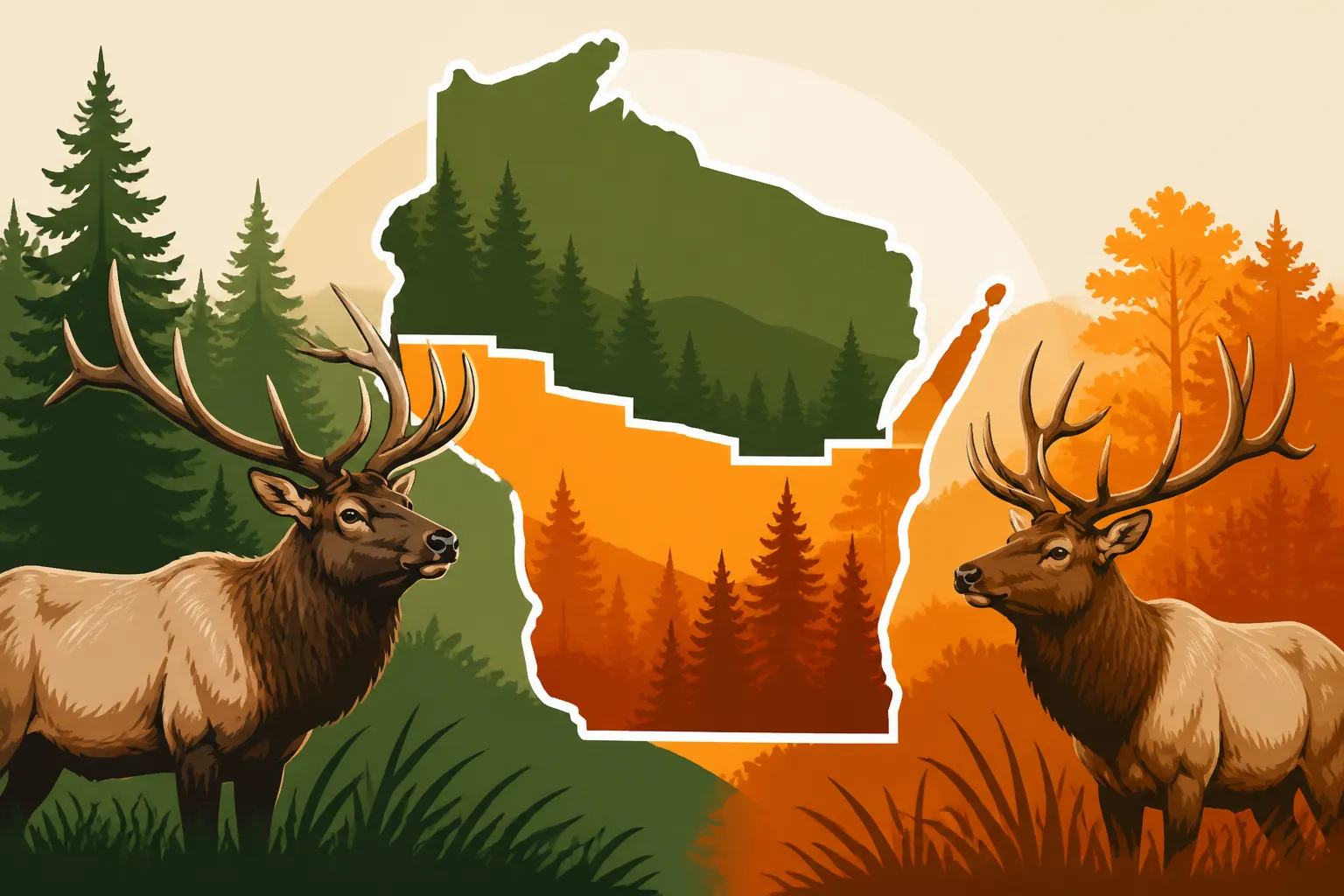
Managing a large, iconic species like elk requires a strategic approach, especially when dealing with multiple, geographically distinct populations. Wisconsin's DNR has established specific management zones to ensure that both the northern and central elk herds receive the tailored attention they need for sustained growth and health. These zones define everything from population goals to hunting quotas, providing a framework for responsible stewardship.
The Northern Herd: Clam Lake Zone
The Northern Herd, often referred to as the Clam Lake Herd, is primarily located within the Chequamegon-Nicolet National Forest and surrounding county forests in Sawyer, Ashland, Bayfield, and Price counties. This is where the reintroduction story began in 1995, and it remains the heart of northern Wisconsin's elk country. The habitat here is characterized by vast expanses of mixed hardwoods and conifers, interspersed with wetlands, bogs, and areas managed for early successional forest, which provides crucial browse for elk.
The Clam Lake zone has seen consistent growth since its inception, proving the resilience of the elk and the suitability of the habitat. The target population for this herd is continuously evaluated, but the focus remains on maintaining a healthy, expanding population that can thrive in the Northwoods. Hunting opportunities, when available, are highly limited and carefully managed to ensure the long-term health and growth of this foundational herd. Many hunters and wildlife enthusiasts consult platforms like GoHunt for up-to-date information on herd statistics and potential opportunities.
The Central Herd: Black River Falls Zone
Further south, the Central Herd makes its home in the Black River Falls zone, primarily encompassing parts of Jackson, Clark, and Trempealeau counties. This herd, established in 2015, utilizes a somewhat different landscape than its northern counterpart. While it still benefits from large tracts of public land, such as the Black River State Forest, it also integrates with a more agricultural landscape. This means elk here might utilize farm fields for foraging, particularly in winter, alongside forested areas for cover and traditional browse.
The Black River Falls herd has also shown impressive growth, quickly adapting to its new environment. The management strategies for this zone account for the slightly different habitat and potential human-wildlife interactions, such as crop depredation, which are more prevalent in agricultural interfaces. Both zones are vital to the overall How Many Elk Wisconsin Has goal, contributing to a robust statewide population that continues to expand its range. Hunters interested in the Wisconsin Elk Hunt Zone Boundaries will find that these two primary zones are clearly delineated.
Collaborative Conservation Efforts
The success of both Wisconsin elk herds is not solely the work of the DNR; it's a testament to incredible collaboration. Numerous partners, including the Rocky Mountain Elk Foundation, Great Lakes Indian Fish and Wildlife Commission (GLIFWC), county forestry departments, federal agencies like the U.S. Forest Service, and countless local volunteers, have all played crucial roles. These partnerships contribute to everything from habitat improvement projects – like creating forest openings and prescribed burns to promote browse – to citizen science efforts, public education, and fundraising.
This multi-faceted approach ensures that diverse perspectives are considered and resources are maximized for elk conservation. For example, local communities often participate in monitoring efforts or help address issues like vehicle collisions with elk. This broad support base is essential for the long-term health and expansion of the herds, solidifying elk as a cherished part of Wisconsin's natural heritage for generations to come. The dedication to collaborative wildlife management is a cornerstone of the state's conservation philosophy.
Life in the Herd: Elk Biology and Behavior in Wisconsin
Understanding the intricate lives of Wisconsin's elk provides a fascinating glimpse into their adaptation to the state's varied landscapes. These aren't just animals; they are complex creatures with seasonal rhythms, social structures, and unique behaviors that are captivating to observe and essential for hunters to comprehend. Their daily existence is a constant interplay with their environment, from the food they seek to the places they choose for refuge.
Seasonal Movements and Habitat Use
Wisconsin elk, much like their western cousins, exhibit distinct seasonal patterns in their movements and habitat use, though often on a more localized scale due to the fragmented nature of the landscape. In spring and summer, after the calves are born, cows and their young often seek out dense cover for protection, moving into areas with lush forage. They browse on a variety of plants, from tender grasses to new shoots and leaves of woody vegetation. During this time, the bulls are often more solitary or form small bachelor groups, focusing on regrowing their impressive antlers in protein-rich environments.
As autumn approaches, their focus shifts. Elk begin to put on fat reserves in preparation for winter, and their movements become more tied to available food sources and the impending rut. During the colder months, especially with significant snow cover, elk will often congregate in areas with accessible browse, such as clear-cuts or areas with young, regenerating forest. They also seek thermal cover in dense conifer stands, which offer protection from harsh winds and deep snow. Understanding these seasonal shifts is crucial for anyone hoping to view or hunt elk successfully.
The Rut: Bugles, Bulls, and Breeding
Perhaps the most iconic and thrilling aspect of elk behavior is the rut, which typically occurs from mid-September through early October in Wisconsin. This is when the quiet forests come alive with the unmistakable, haunting bugles of bull elk. These vocalizations are not just for show; they are a declaration of dominance, a challenge to rival bulls, and an advertisement to cows. Hearing a bull elk bugle in the Wisconsin Northwoods is an experience that few ever forget – it’s a primal sound that transports you back to a wilder time. This is also the best time for When Wisconsin Elk Bugle.
During the rut, dominant bulls will gather harems of cows, defending them fiercely from challengers. Sparring matches, ranging from mock battles to full-blown antler-clashing confrontations, are common as bulls establish and maintain their pecking order. These powerful animals expend an incredible amount of energy during this period, often losing significant body weight. For wildlife photographers and viewers, the rut is a prime time to witness these magnificent creatures in their full glory, showcasing raw power and ancient instincts.
Diet and Foraging in Wisconsin Landscapes
Elk are primarily grazers and browsers, meaning their diet is a mix of grasses, forbs (herbaceous flowering plants), and woody vegetation. In Wisconsin, their diet adapts to the seasonal availability of forage. In spring and summer, they feast on green grasses, clover, and a wide variety of herbaceous plants found in forest openings, wetlands, and along forest edges. As the growing season progresses, they'll also consume leaves and shoots from shrubs and young trees.
During fall and winter, their diet shifts towards more woody browse, such as aspen, maple, oak, and other deciduous trees, as well as conifer needles in a pinch. They'll also paw through snow to access dried grasses and leftover forbs. In agricultural areas, especially within the Black River Falls zone, elk might utilize cornfields or hayfields, particularly after harvest, to supplement their diet. This flexibility in diet is a key factor in their ability to thrive in Wisconsin's diverse landscapes, allowing them to find sustenance even during the leanest months.
Challenges and Triumphs: Managing a Growing Population
The reintroduction and growth of Wisconsin's elk herds represent a significant triumph for conservation, but it's an ongoing process that comes with its own set of challenges. Managing a large, free-ranging ungulate population requires continuous effort, adapting to new circumstances, and balancing the needs of wildlife with the interests of people. It’s a delicate dance, but one that Wisconsin's DNR and its partners are committed to perfecting.
Habitat Expansion and Forest Management
One of the primary challenges and ongoing efforts is ensuring adequate and expanding habitat for the growing herds. Elk need large contiguous blocks of forest with a mosaic of different age classes – older growth for cover, young regenerating areas for browse, and open spaces for grazing. This often means active forest management, including timber harvests, prescribed burns, and creating strategic openings. These activities, when planned with elk in mind, enhance habitat quality, providing essential food and cover that supports herd expansion. The Chequamegon-Nicolet National Forest Hunting and Wisconsin State Forest Hunting documents often highlight these management practices and where to find them.
However, expanding habitat in a state like Wisconsin, which has a mix of public and private land, also presents challenges. Landowners need to be engaged and informed about elk presence, and strategies must be in place to minimize conflicts. Partnerships with private landowners, offering incentives for habitat improvements, can be critical for linking public land blocks and creating corridors for elk movement. This also means addressing concerns about elk moving into agricultural areas and managing those interactions proactively.
CWD, Disease Monitoring, and Herd Health
Disease monitoring is a constant, critical component of elk management. Chronic Wasting Disease (CWD), a neurological disease fatal to deer and elk, is a significant concern in Wisconsin's white-tailed deer population. While currently, there have been no confirmed cases of CWD in Wisconsin's wild elk herds, vigilance is paramount. The DNR conducts ongoing surveillance through various methods, including testing harvested animals during managed hunts and monitoring any elk mortalities.
Beyond CWD, other diseases and parasites are also monitored to ensure the overall health of the herd. Elk can be susceptible to diseases like brucellosis or bovine tuberculosis, although these are not currently major concerns in Wisconsin. Proactive measures, like testing source populations before translocation and maintaining low population densities, help mitigate disease risk. The health of the elk directly impacts their ability to reproduce, survive harsh winters, and ultimately, the success of the reintroduction program. This continuous effort helps protect both the elk and other susceptible species in the state, including the white-tailed deer herd.
Living with Livestock and Agriculture
As elk populations grow and expand their range, they inevitably encounter human-dominated landscapes, particularly agricultural areas. This can lead to conflicts, especially with crop depredation. Elk are large animals with hearty appetites, and a herd feeding in a corn or hayfield can cause significant damage to a farmer's livelihood. Managing these interactions is a delicate balance, requiring understanding, communication, and proactive solutions.
The DNR works with landowners to address potential conflicts, which can include providing fencing, implementing scare tactics, or offering compensation for damage. Educating both landowners and the general public about elk behavior and how to coexist with these animals is also vital. The goal is to allow the elk herds to grow and thrive while minimizing negative impacts on agricultural operations and private property. This aspect of management is particularly important in the Central Herd zone, where farmland interfaces more frequently with elk habitat.
The Thrill of the Draw: Wisconsin Elk Hunting Opportunities
For many dedicated hunters, the ultimate dream is to pursue an elk in their home state. After decades without a wild elk season, Wisconsin has reintroduced limited, highly sought-after hunting opportunities for its growing herds. Drawing an elk tag here is a once-in-a-lifetime chance, a true testament to conservation success, and it embodies the pinnacle of fair-chase hunting. It's not just about taking an animal; it's about being part of a larger story of restoration.
Understanding the Application Process
Securing a Wisconsin elk hunting authorization is a highly competitive process, reflecting the limited nature of the hunt. Each year, the Wisconsin DNR holds a public drawing for a small number of tags, split between the Northern (Clam Lake) and Central (Black River Falls) zones. To even be considered, you must apply during a specific application period, usually in late spring or early summer. There's a non-refundable application fee, and hunters can purchase preference points to increase their odds in future drawings, though success is never guaranteed due to the sheer number of applicants. Details on Wisconsin Elk Application Dates are always released well in advance.
Wisconsin residents and nonresidents alike can apply, but the vast majority of tags are allocated to residents. This process is handled through the DNR's Go Wild licensing system. When applying, you'll need to specify which zone you'd prefer to hunt, which is a critical decision based on your scouting plans and understanding of the distinct habitats of each herd. For instance, using tools like GoHunt can help you research the areas and potentially scout digitally before making your zone selection. It's a long shot for most, but the dream keeps thousands of hunters applying year after year, eager for their chance at a Wisconsin's Record Elk Hunt.
Elk Hunt Zone Boundaries and Rules
Once you've beaten the incredible Wisconsin Elk Draw Odds and secured a tag, understanding the specific Wisconsin Elk Hunt Zone Boundaries and regulations becomes paramount. The elk hunt zones are strictly defined, encompassing the primary ranges of the Northern and Central herds. It's critical for hunters to study these boundaries thoroughly using official DNR maps and tools like the Wisconsin Hunt Wild App to ensure they are hunting in the correct areas. Trespassing is strictly prohibited, and hunters are responsible for knowing property lines, especially when hunting near private land.
The hunt itself is a unique experience. Unlike deer hunting, the elk season is often short and intense, designed to achieve specific management goals with minimal impact on the overall herd. Regulations will specify legal methods of harvest, any antler point restrictions, and registration requirements. Typically, successful hunters are required to register their elk quickly and provide samples for CWD testing, contributing directly to the ongoing health monitoring of the herd. These hunts are truly a privilege, and hunters are expected to uphold the highest ethical standards.
What to Expect on a Wisconsin Elk Hunt
If you're lucky enough to draw a tag, prepare for a challenging but immensely rewarding experience. Hunting elk in Wisconsin is not like hunting deer. These are large, wary animals that inhabit vast tracts of sometimes rugged terrain. Regardless of whether you're in the dense conifer swamps of the north or the mixed forest and agricultural edges of the central zone, you'll be covering significant ground, often silently still-hunting or glassing likely areas. Physical fitness is a major asset.
Expect to spend a lot of time scouting before the season, if possible, learning elk travel patterns, feeding areas, and bedding sites. Utilizing aerial photos and topographical maps, perhaps even with detailed layers from a platform like GoHunt, is essential. During the season, patience and persistence are key. The weather can be unpredictable, ranging from warm early fall days to crisp, cold mornings. Being prepared for diverse conditions and having the right gear, from good optics to comfortable boots, will significantly improve your chances and overall experience. Remember, this is about the entire journey, not just the harvest, and being able to share that experience with a small community of other dedicated hunters makes it even more special.
Beyond the Hunt: Elk Viewing and Tourism in Wisconsin
While elk hunting generates considerable excitement, the impact of Wisconsin's elk herds extends far beyond just those lucky enough to draw a tag. These magnificent animals have become a significant draw for wildlife enthusiasts, photographers, and tourists, contributing to local economies and fostering a deeper appreciation for wild spaces. Experiencing elk in their natural habitat, whether through a chance encounter or a planned viewing trip, is a truly unforgettable experience.
Prime Viewing Locations and Seasons
For those eager to catch a glimpse of Wisconsin's elk, knowing where and when to look is key. In the Northern Herd's Clam Lake region, the Chequamegon-Nicolet National Forest offers excellent opportunities. Key areas around Clam Lake, particularly along certain forest roads and near known feeding grounds, are often frequented by elk. Early mornings and late evenings, when elk are most active, are the best times to spot them. The fall rut, typically late September, is especially popular for hearing and potentially seeing bugling bulls, making it a prime time for Elk Viewing in Wisconsin.
In the Central Herd's Black River Falls area, the Black River State Forest and surrounding public lands provide viewing opportunities. Again, dawn and dusk are prime times, and focusing on areas where forest meets agricultural fields can be productive, as elk often graze in these transitional zones. While the chance of seeing elk is never guaranteed with wild animals, visiting during the rut or in the early morning/late evening hours significantly increases your odds. Always remember to maintain a safe and respectful distance from the animals.
Respecting Wildlife: Ethical Viewing Practices
Responsible wildlife viewing is crucial to minimize disturbance to the elk and ensure their long-term well-being. This means always keeping a respectful distance, using binoculars or spotting scopes to get a closer look rather than approaching the animals. Never attempt to feed elk or any other wild animal; it habituates them to humans, which can lead to dangerous encounters and disrupt their natural foraging behaviors.
When viewing, try to remain as quiet and inconspicuous as possible. Avoid sudden movements or loud noises that could startle the herd. If you're driving on forest roads, be mindful of pull-offs and avoid blocking traffic. Remember, these are wild animals in their natural home, and their well-being should always be the priority. Ethical viewing ensures that everyone can continue to enjoy these incredible creatures for years to come. Local information centers and DNR offices can often provide tips and guidelines for respectful viewing in specific areas.
Economic Impact of Wisconsin's Elk
The presence of wild elk herds in Wisconsin has a tangible economic benefit, particularly for the rural communities near their ranges. Elk viewing and hunting attract tourists who spend money on lodging, food, fuel, guide services, and outdoor gear. This influx of visitors supports local businesses and creates jobs, providing a welcome boost to economies that might otherwise struggle with declining traditional industries. The Rocky Mountain Elk Foundation, a key partner in the reintroduction, often highlights the economic benefits of elk restoration.
Beyond direct tourism, the elk also foster a sense of pride and identity in these communities. Local businesses might feature elk-themed art or souvenirs, and festivals or events might be centered around the elk. This creates a positive feedback loop where local support for elk conservation remains strong, further reinforcing the long-term success of the program. From the hopeful applicant for an elk tag using platforms like GoHunt to the family on a weekend viewing trip, the elk herds weave themselves into the fabric of Wisconsin's economy and culture.
The Future of Wisconsin's Elk Herds
The return of elk to Wisconsin is a conservation success story, but the narrative is far from over. The DNR and its partners continue to look towards the future, planning for sustainable growth, potential expansion, and addressing emerging challenges to ensure that elk remain a vibrant part of Wisconsin's wildlife tapestry for generations to come. It's a testament to long-term vision and adaptive management.
Population Growth and Expansion Goals
Both the Northern and Central elk herds have shown remarkable growth since their reintroduction. The DNR regularly conducts population surveys and adjusts management goals based on scientific data, habitat carrying capacity, and social tolerance. The overall goal is to continue to increase the elk population to a healthy, sustainable level that can withstand environmental fluctuations and disease pressures. This often means carefully managing harvest levels, monitoring calf survival rates, and ensuring adequate dispersal from core areas. The Why Wisconsin Elk Numbers Hit a Record highlights some of these successes.
As the herds grow, natural expansion into adjacent suitable habitats is expected and encouraged. This will help reduce localized density pressures and allow elk to utilize a broader landscape. However, this expansion also requires ongoing communication with private landowners and careful planning to mitigate potential conflicts, especially in areas with higher human populations or extensive agriculture. The balance between growth and coexistence is a constant consideration for wildlife managers.
Potential for New Herds or Zones
With the proven success of the Clam Lake and Black River Falls reintroductions, the question naturally arises: could there be a third elk herd in Wisconsin? While there are no immediate plans, the possibility is always a topic of discussion among conservationists and wildlife managers. Any future reintroduction would involve extensive research into potential sites, habitat suitability, public support, and careful consideration of funding and resource availability. It would also depend on the continued robust growth and health of the existing herds.
Establishing a new herd is a massive undertaking, requiring years of planning, habitat preparation, and public engagement. However, the precedent has been set, demonstrating that it is achievable. Continued success with the current herds could pave the way for further expansion of elk range in Wisconsin, bringing these iconic animals to new regions of the state where they once roamed. This ongoing dialogue about expansion reflects the long-term commitment to fully restoring the species.
Ongoing Research and Conservation Needs
The journey of elk reintroduction in Wisconsin is supported by continuous scientific research. Biologists study everything from elk movements and habitat preferences to their reproductive success, health, and interactions with other wildlife, like potential predation on Wolves and Wisconsin Elk Calves. This data is crucial for informing management decisions, adapting strategies, and predicting future trends. Technology, such as GPS collaring, plays a significant role in tracking individual elk and understanding herd dynamics.
Furthermore, ongoing conservation needs extend beyond just the elk themselves. It involves protecting and restoring the broader ecosystems they inhabit. This includes maintaining healthy forests, managing water resources, and controlling invasive species. Public engagement and education also remain vital. By continuing to support research, habitat work, and public awareness campaigns, Wisconsin can ensure that its elk herds not only survive but truly thrive, enriching the state's natural heritage for all. Looking at resources like the Wisconsin Hunting Licences and What They Cost demonstrates that hunter dollars directly contribute to these crucial conservation efforts.
Disclaimer
Please remember that hunting regulations, seasons, and wildlife management practices are subject to change. Always consult the most current Wisconsin Department of Natural Resources (DNR) regulations and official publications before planning any hunting trip or wildlife viewing activity. This article is intended for informational purposes only and does not constitute legal advice or an official guide to Wisconsin hunting laws.