When the Wisconsin Turkey Drawing Happens
That feeling of waiting, checking your email obsessively, refreshing the Wisconsin DNR Go Wild page – it’s a universal struggle for every turkey hunter in our state. The anticipation leading up to the spring turkey drawing can be almost as intense as the hunt itself! Nobody wants to miss out on chasing those Wisconsin gobblers, but the drawing process can feel like a bit of a mystery. This guide is here to unravel that mystery, giving you a clear picture of when the Wisconsin turkey drawing happens, how to check your results, and what your options are if the initial draw doesn't go your way.
Navigating the Wisconsin Spring Turkey Drawing Application Process
Before you can even worry about the drawing results, you've got to get your application in the door. This might seem obvious, but every year, hunters miss out simply because they either forget the deadline or misunderstand the process. The Wisconsin spring turkey hunt is incredibly popular, and securing a coveted authorization (that’s what we call a tag here in Wisconsin) often starts months before the first gobble echoes through the woods.
Understanding the Application Window
The application period for Wisconsin's spring turkey hunt is a critical window you absolutely cannot miss. Typically, this window opens in early December and closes around the tenth of that month. It's a short, but vital, period where you need to decide which of the state's seven turkey zones and which of the six time periods you want to hunt. This decision is crucial because it directly impacts your draw odds, especially if you're aiming for a popular zone or an early period when the birds are often most vocal.
Imagine missing that deadline by just a day or two. All that planning, all that anticipation, just evaporated. It’s a gut-wrenching feeling that many hunters have unfortunately experienced. That's why marking your calendar as soon as the DNR announces the official dates for the next season is paramount. Consider setting multiple reminders – on your phone, your computer, maybe even a sticky note on your fridge – to ensure you don't let this vital first step slip through the cracks. It's the difference between having a chance at a spring gobbler and sitting on the sidelines watching everyone else share their success stories.
The Wisconsin Department of Natural Resources (DNR) utilizes its Go Wild license system for all applications. If you're new to the system or haven't logged in for a while, it's a good idea to familiarize yourself with it before the application period opens. You can find detailed information about the system in our guide on The Wisconsin Go Wild Licence System. Having your account details, including your customer ID and password, readily available will make the application process much smoother and reduce the chances of a last-minute scramble.
The Importance of Preference Points
For many Wisconsin turkey hunters, especially those chasing a tag in a highly desirable zone or early period, preference points are the golden ticket. A preference point is essentially a credit you earn when you apply for a spring turkey authorization and are unsuccessful in the drawing. The more points you accumulate, the better your chances become in subsequent years to draw one of those harder-to-get tags.
This system is designed to give loyal hunters a better shot over time, rather than relying purely on random luck each year. If you apply for a turkey tag and don't draw one, you automatically receive a preference point for the next year. If you don't apply, you don't gain a point, and if you draw a tag, your preference points are reset to zero. Understanding Wisconsin Turkey Preference Point Rules is vital for any long-term turkey hunting strategy.
Let’s say you’ve been building up points, patiently waiting for that prime early period in Zone 1. You might have friends who draw tags year after year with fewer points, but in less competitive zones or later periods. That's just how the system works. Your accumulated points significantly increase your odds for those highly sought-after permits, but they don't guarantee a tag. It's a balancing act between applying for what you truly want and managing your points strategically.
When the Anticipated Wisconsin Turkey Drawing Happens
After you’ve diligently submitted your application and perhaps even bought an extra preference point, the waiting game begins. This can feel like an eternity, especially when spring is just around the corner and you’re dreaming of thunderous gobblers. Knowing the typical timeline for the drawing can help manage expectations and curb some of that frantic anticipation.
The Official Drawing Timeline
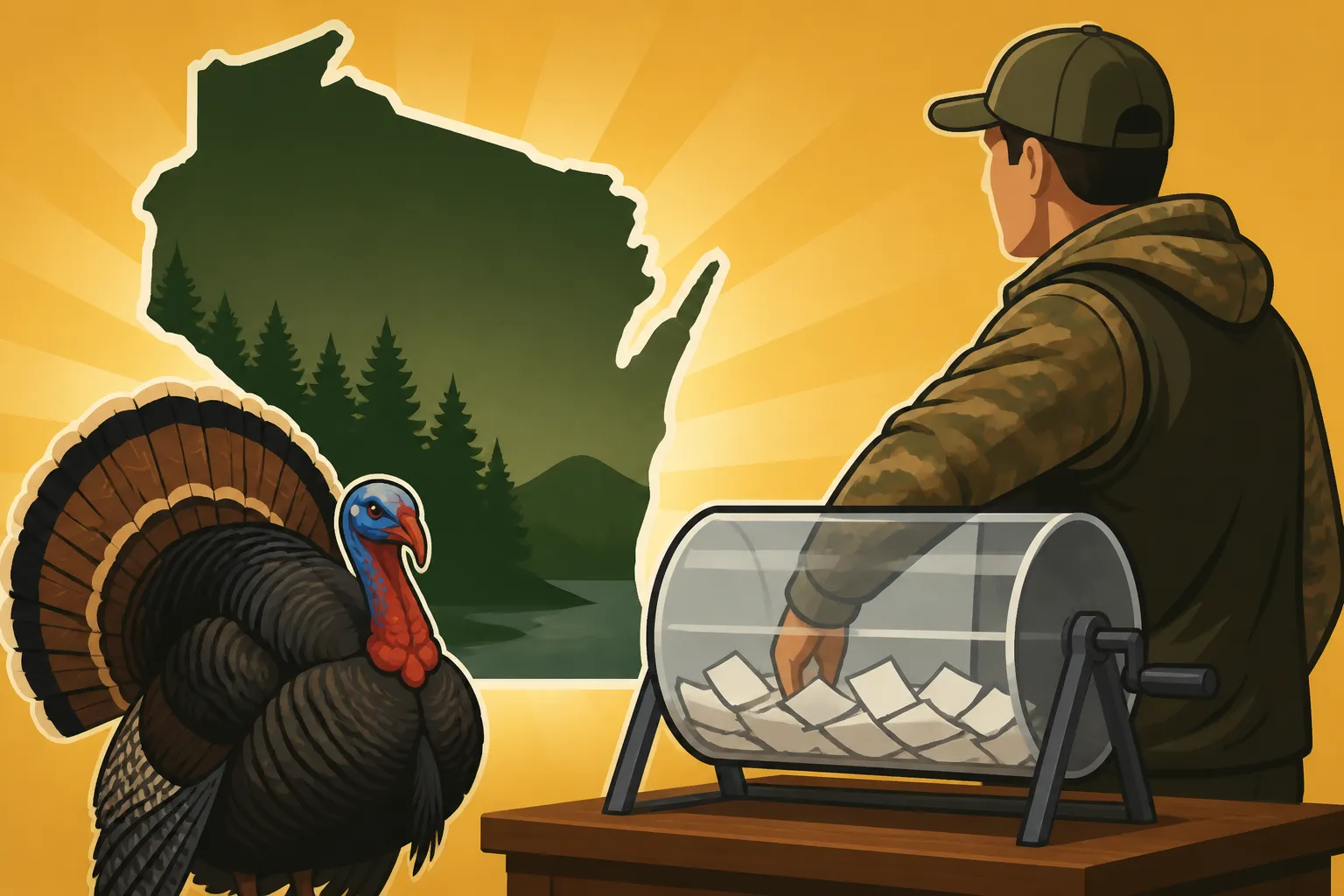
The actual Wisconsin spring turkey drawing typically takes place in late January or early February. While the application deadline is a hard date, the exact day of the drawing isn't usually announced far in advance. It's more of a behind-the-scenes process that the DNR conducts to allocate the millions of applications that pour in. What hunters really care about is when the results are released!
Historically, the DNR aims to have results posted by the second or third week of February. However, this is not always an exact science, and minor delays can occur. It's easy to get frustrated if you hear rumors or see someone else post their results before yours appear, but patience truly is a virtue here. The DNR is working to process a massive amount of data, and ensuring accuracy is their top priority.
During this period, many hunters will find themselves constantly checking their Go Wild accounts. While it’s tempting to refresh the page every five minutes, the most efficient way to get your results is by knowing exactly where and when to look, which we’ll cover next. The sheer volume of applications across all seven The Seven Wisconsin Turkey Zones and six time periods means the system has a lot to crunch.
How to Check Your Drawing Results on Go Wild
Once the drawing has concluded, the results are promptly posted to your individual Go Wild account. This is the definitive source for your draw status. To check, you'll need to:
- Log into your Go Wild account: Head over to the Wisconsin DNR Go Wild website and enter your customer ID and password.
- Navigate to your "Licenses & Permits" section: Once logged in, you'll typically find a section dedicated to your licenses, permits, and harvest authorizations.
- Look for your Spring Turkey Authorization: Here, you'll see if you were successful in drawing a tag. It will usually be listed as a "Spring Turkey Authorization" with the specific zone and period you drew.
While the DNR might send out email notifications about drawing results, these can sometimes be delayed, filtered into spam folders, or simply missed. Relying solely on an email notification is a gamble you don't want to take. Your Go Wild account is always the most reliable place to confirm your draw status. It's a quick, direct way to end the suspense and start making concrete plans for your hunt. Some advanced planning tools, like those offered by GoHunt, might aggregate draw odds and application statistics for various states, but for your specific results, the Go Wild system is where you need to be.
What to Do If You Don't Draw a Coveted Tag
It’s a tough pill to swallow when you log into your Go Wild account and see that dreaded "unsuccessful" message for your first-choice turkey tag. You're not alone; it happens to countless hunters every year. But don’t despair! An unsuccessful draw in the primary lottery doesn't mean your spring turkey season is over before it even begins. Wisconsin offers excellent alternative opportunities.
Securing Leftover Turkey Authorizations
One of the biggest silver linings for unsuccessful applicants is the availability of leftover turkey authorizations. These are tags that weren't claimed in the initial drawing, often because there were more available authorizations than applicants for certain zones or periods, or because some drawn tags simply weren't purchased. The DNR sells these leftover tags on a first-come, first-served basis, and it’s a race against the clock for the most desirable ones.
The sale of leftover tags typically happens in phases, usually starting in late March. The first phase is often exclusively for Wisconsin residents, followed by a second phase where any remaining tags are available to both residents and non-residents. Sometimes, a third phase opens up all remaining tags to any hunter, regardless of residency or how many tags they've already purchased. Our guide on When Leftover Turkey Tags Go on Sale provides specific dates and details for these critical sale periods.
If you're serious about getting a leftover tag, you need to be ready right when sales open. That means being logged into your Go Wild account, credit card in hand, precisely at the designated start time. Popular zones or early periods can sell out in minutes, if not seconds. It’s like a mini-draft for turkey hunters, and being prepared is key. Using external resources like GoHunt can sometimes give you an edge by quickly identifying zones with a higher number of leftover tags based on past patterns, though the official Go Wild site is where you'll make your purchase.
Exploring Fall Turkey Season Opportunities
If the spring season just doesn’t work out with a drawn tag or leftover authorization, don't forget about Wisconsin's robust fall turkey season. While different from the spring hunt in terms of turkey behavior and hunting tactics, it offers another fantastic opportunity to pursue these wary birds. In many ways, the fall season is less competitive, as many tags are available over-the-counter without a draw.
Hunting during the Wisconsin Fall Turkey Seasons often involves different strategies, like breaking up flocks and calling birds back in, rather than the territorial gobbler hunting of spring. It's a fantastic chance to experience a different side of turkey hunting. The birds are usually in larger family groups, and while gobbling is rare, calling techniques focused on yelps and kee-kees to reassemble dispersed flocks can be incredibly effective.
Consider it a chance to expand your turkey hunting skills. If you've been focused purely on spring gobblers, the fall offers a new challenge and a different kind of reward. Plus, the landscape often offers a beautiful backdrop of changing autumn colors, providing a different aesthetic experience compared to the budding greens of spring. For detailed insights into fall tactics, check out our guide on Breaking Up a Fall Turkey Flock.
Tips for a Successful Wisconsin Turkey Season, Drawn or Not
Whether you secured your dream tag in the initial draw, snagged a leftover, or are planning for the fall, success in the field comes down to more than just a permit. Preparation, research, and honed skills are what truly make a difference when you’re out in the woods.
Researching Zones and Periods Before Applying
Making an informed decision about which zone and period to apply for in the spring drawing is crucial. Don't just pick the same zone every year out of habit, or blindly guess. The DNR provides extensive resources, including harvest reports from previous seasons, which can offer valuable insights into turkey populations and hunter success rates in various areas. Understanding Wisconsin Turkey Population Trends can help you choose a zone with a healthy bird population.
Consider factors beyond just "where the big gobblers are." Think about hunting pressure, especially on public lands. Later periods often see less pressure, and while gobblers might be less vocal, they can sometimes be more responsive to calling as they look for hens that have finished nesting. Some hunters use tools like GoHunt to analyze long-term harvest data and draw odds across different zones and periods, helping them strategize their applications for the best chance of success. This kind of research can significantly improve your odds of not just drawing a tag, but having a quality hunting experience once you're in the field.
Looking at maps and aerial photos can also give you an edge. Identify potential roosting sites, feeding areas, and travel corridors within your chosen zone. Even if you're restricted to public land, there are always opportunities. Our guide on Scouting Wisconsin Public Land Before Season offers fantastic advice on finding promising spots before you ever step foot in the woods during hunting season.
Preparing for Your Hunt Beyond the Draw
Getting a tag is just the first step. The real work—and fun—begins with preparing for the hunt itself. This means getting your gear in order, practicing your calls, and understanding the behavior of wild turkeys in the specific type of habitat you'll be hunting. No amount of luck in the draw can replace solid field preparation.
Start by patterning your shotgun with your chosen turkey loads and choke. Knowing your effective range is vital for making ethical shots. Practice with different turkey calls – mouth calls, slate calls, box calls – to develop proficiency and versatility. Turkeys can be picky, and having a range of sounds at your disposal can be the difference between calling a bird in and having him hang up just out of range. Check out our advice on Turkey Calls Worth Carrying in Wisconsin.
Scouting, even if it's just digitally using mapping tools, is immensely helpful. Understand the terrain, locate potential roosting spots, and identify pinch points or open areas where turkeys might strut. Whether you're planning on Calling a Wisconsin Gobbler Off the Roost at dawn or employing Run-and-Gun Turkey Tactics on Public Land throughout the day, having a strategy tailored to your chosen zone and period is paramount. Remember that a spring turkey season can be unpredictable, so the more prepared you are for different scenarios, the better your chances of success.
Wisconsin Spring Turkey Season Key Dates (Approximate)
| Action | Typical Timeline |
|---|---|
| Application Period Opens | Early December |
| Application Deadline | Around December 10th |
| Drawing Occurs | Late January / Early February |
| Results Posted to Go Wild Accounts | Mid-February |
| Leftover Tags – Resident Only Sale (Phase 1) | Late March (e.g., typically the week after results are posted) |
| Leftover Tags – All Hunters Sale (Phase 2) | Late March (e.g., a few days after Phase 1) |
| Leftover Tags – Unlimited Sale (Phase 3) | Early April (e.g., a few days after Phase 2) |
| Spring Turkey Season Periods Begin | Mid-April |
Disclaimer
Please be aware that hunting regulations, season dates, and drawing timelines can change. While every effort has been made to provide accurate and up-to-date information, it is the hunter's responsibility to verify all current rules and regulations with the Wisconsin Department of Natural Resources (DNR) before planning and engaging in any hunting activities. Always refer to the official Wisconsin DNR hunting regulations pamphlet and website for the most current and authoritative information.