When Wisconsin Woodcock Season Opens
It's incredibly frustrating when you're trying to plan an upland hunt, especially for a migratory bird like the woodcock, and the season dates feel like a moving target. Many hunters, myself included, have missed out on prime opportunities simply because we weren't entirely sure when the season officially kicked off or, perhaps more importantly, when the birds would actually be here in good numbers. This guide is here to cut through that confusion, giving you the definitive scoop on when Wisconsin's woodcock season opens and how to maximize your chances during their fleeting presence.
Unraveling the Mystery of Wisconsin's Woodcock Season Opener
For many hunters, knowing exactly when woodcock season opens in Wisconsin can feel like trying to nail jelly to a tree. Unlike our resident deer or turkey, woodcock are migratory, which means their season dates are often influenced by federal frameworks and can sometimes feel less intuitive. This leads to a lot of head-scratching and frantic checking of the regulations just before autumn colors start to pop.
When the Migratory Bird Hunting Regulations Come Out
The first thing to understand is that the American woodcock falls under the umbrella of migratory game birds. This means that the U.S. Fish and Wildlife Service sets broad guidelines and frameworks for hunting seasons, and then individual states, like Wisconsin, fit their specific seasons within those federal parameters. Because of this process, the final, official regulations for migratory birds often aren't released until closer to the actual hunting season, sometimes even as late as August or early September.
This can be a real pain for us hunters who like to plan well in advance. You might have your fall deer stands scouted and your turkey spots lined up, but those woodcock dates remain a bit hazy until late in the summer. It’s crucial to remember that these aren't just arbitrary dates; they're determined by a complex interplay of bird populations, breeding success, and management goals. So, while it's inconvenient, there's a good reason for the timing of these announcements.
Wisconsin's Typical Woodcock Opener
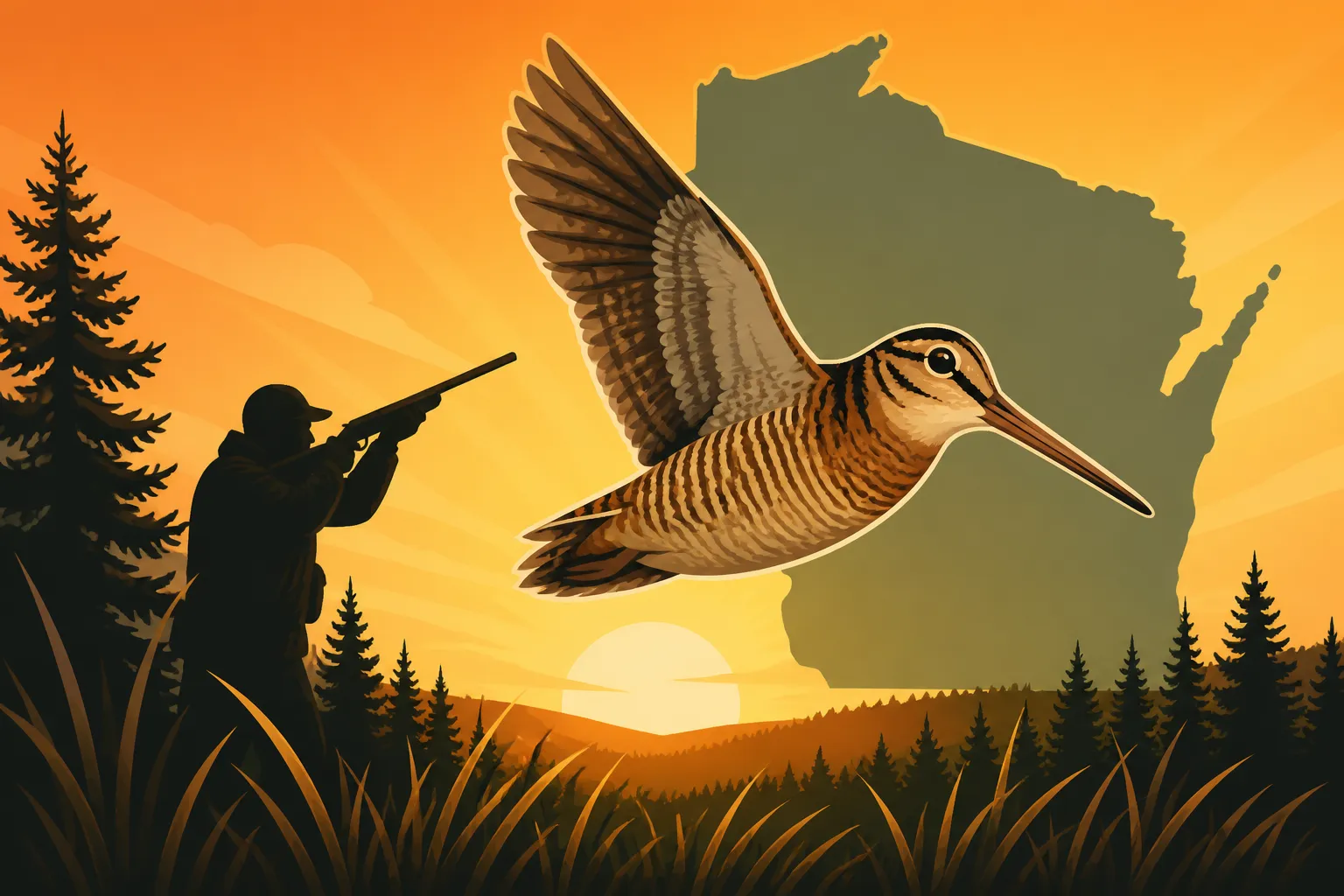
Now, despite the federal involvement, Wisconsin does tend to follow a pretty consistent pattern for its woodcock season. For many years running, the season has reliably opened on September 15th. This date has become almost a tradition for upland hunters who look forward to the "timberdoodles" arriving. It aligns beautifully with the broader migratory bird season framework and often overlaps with the early stages of the ruffed grouse season, allowing for some fantastic mixed-bag hunting opportunities.
However, and this is a big however, you absolutely cannot rely on past years' dates without verification. Regulations can and do change. A quick check of the Wisconsin Department of Natural Resources (DNR) website or picking up the most current migratory bird regulations pamphlet is always your first order of business. Never assume the dates are the same year over year. The DNR puts a lot of effort into making these resources accessible, and platforms like GoHunt can also be a valuable resource for cross-referencing information and staying updated on regulation changes that might impact your hunt planning.
Why the Date Matters for the Hunt
Knowing the exact opening date isn't just about legality; it's about strategy and maximizing your hunting success. Woodcock are incredibly transient. They don't stick around long, especially the waves of migrating birds passing through. If you're out too early, the peak migration might not have arrived yet, and you'll primarily be hunting local, resident birds, which are fewer in number. If you wait too long, you risk missing the main push of birds entirely as they continue their journey south ahead of the hard frosts.
Being on the ground shortly after opening day, especially if it coincides with a favorable weather pattern, can put you in the sweet spot for encountering good numbers of birds. It allows you to intercept the first major waves of migrants while still enjoying relatively mild weather before the really cold temperatures arrive, making for a much more enjoyable hunt for both you and any canine companions.
Understanding Woodcock Migration and Peak Opportunities
Hunting woodcock isn't just about knowing when the season opens; it's about understanding when the birds are actually there. These little "timberdoodles" are true migrants, and their presence in Wisconsin is largely dictated by their journey from northern breeding grounds down to their wintering areas. If you want to consistently find birds, you need to think like a weatherman and a birdwatcher, not just a hunter. This is where understanding their migration patterns becomes critical.
The "Timberdoodle" Flight: A Seasonal Passage
The American woodcock spends its summers breeding across the northern forests of the U.S. and southern Canada, including the northern reaches of Wisconsin. As autumn approaches, triggered by dropping temperatures and shortening daylight hours, these birds begin their southerly migration. This isn't one massive, synchronized event; rather, it's a continuous flow, often referred to as "the flight," with waves of birds passing through our state.
The beauty of hunting this flight is that it offers multiple opportunities throughout the season. Early on, you might be targeting resident birds that hatched in Wisconsin. But as the season progresses, new birds arrive from further north, offering fresh hunting possibilities. It's a dynamic situation that rewards hunters who stay observant and are willing to adapt their plans based on real-time conditions. Recognizing this distinction between local and migratory birds is key to consistent success.
Timing the Wisconsin Woodcock Flight
Predicting the exact peak of the woodcock flight in Wisconsin can be a real challenge, as it's highly dependent on weather patterns. Generally, the main push of migratory woodcock often occurs from late September through mid-October. This timing is typically driven by the first significant cold fronts that sweep down from Canada, pushing birds ahead of them. A good, hard frost or a string of cold nights can send the birds packing.
Hunters often pay close attention to the weather maps, looking for those strong northerly winds and plummeting temperatures. The northern counties of Wisconsin will typically see the first waves of migrants, followed by central and then southern Wisconsin as the migration progresses. For an even deeper dive into this, you'll find excellent insights in articles like Timing the Wisconsin Woodcock Flight, which truly elaborates on the nuances of their journey. Observing local conditions and talking to other hunters can give you valuable clues. If you hear reports of birds further north, it's a good bet they'll be headed your way soon.
Local Birds Versus Migrant Waves
When the season opens on September 15th, you'll likely be encountering primarily "local" birds – those that hatched and spent their summer in Wisconsin. These birds tend to be a bit more scattered and familiar with their immediate surroundings. They might hold tighter, having less experience with hunting pressure. They'll be found in the classic woodcock cover: moist, dense thickets of alder, willow, or young aspen, often near water sources.
As October rolls around, especially after those first few cold snaps, you'll start to see a noticeable increase in bird numbers. These are the migrant waves pouring in from Ontario, Manitoba, and Minnesota. These "new" birds are often less wary and might be more concentrated in prime migratory staging areas, making for some truly spectacular hunting. This distinction is vital for planning, as the tactics you use for finding a handful of resident birds might differ when you're trying to intercept a major flight of migrants. Keep in mind that understanding Ruffed Grouse and Woodcock in Wisconsin habitat overlaps can also help you identify areas where both species might be present.
Essential Gear and Savvy Tactics for Wisconsin Woodcock Hunters
Chasing woodcock through the thickets of Wisconsin is a unique and incredibly rewarding experience, but it definitely requires some specialized gear and a smart approach. These birds aren't like pheasants in open fields or ducks on vast waters; they live in dense cover, demand close-quarters shooting, and require specific equipment to navigate their preferred habitat.
The Right Gear for the Alder Runs
When you're wading into tangled alder runs and young aspen thickets – the classic woodcock haunts – your gear choices make a world of difference. First up, the shotgun: a fast-handling, open-choked 20-gauge or 28-gauge is often preferred, though a 12-gauge with an improved cylinder or skeet choke works just as well. The shots are quick, close, and often through heavy cover. You'll want to load up with light upland loads, typically 7 ½ or 8 shot. For more detailed advice on ammunition, check out Shot Size for Grouse and Woodcock.
Protection for yourself is paramount. Think heavy-duty brush pants or chaps to fend off thorns and briars, and a good upland vest with plenty of game bag space and hydration. The article on Brush Pants for Wisconsin Alder is a must-read for anyone looking to avoid a shredded wardrobe and scraped legs. For more general advice on what to carry, Upland Vests With Water Capacity highlights key features. Don't forget durable, waterproof boots suitable for wet, muddy terrain – you'll be slogging through some damp spots!
Finding the Right Habitat
Woodcock are incredibly particular about their habitat. They love young, regenerating timber, especially stands of alder, willow, and young aspen with damp, rich soil that's home to their primary food source: earthworms. You'll often find them along the edges of swamps, stream bottoms, or recent timber cuts that are growing back thickly. They prefer areas with a dense overhead canopy for protection from aerial predators, but with relatively open understory at ground level, allowing them to probe for worms.
Look for areas with tell-tale woodcock sign: small, white "splash" droppings on leaves, and characteristic probing holes in the soil, about the size of a pencil. These are undeniable proof that birds have been in the area. Websites like GoHunt can be invaluable for identifying potential habitat by showing you timber types and proximity to water on detailed aerial maps. It takes some scouting, but once you find a good woodcock cover, it often holds birds year after year. For specific insights into finding these prime areas, Woodcock Hunting Wisconsin Alder Runs offers fantastic guidance. You might also find birds where grouse are present, but woodcock tend to favor slightly wetter, denser cover than ruffed grouse; a good resource to consider is Hunting Grouse and Woodcock Together.
Dog Work and Still-Hunting
A well-trained pointing dog is an absolute game-changer for woodcock hunting. Their keen nose and ability to lock up on a bird allow you to pinpoint the woodcock in the dense cover, flush it effectively, and dramatically increase your shot opportunities. Dogs make the hunt more efficient and significantly reduce the number of lost birds. However, hunting these birds with a dog means you need to ensure your dog is accustomed to working in thick cover and that you're prepared for the fast-paced action.
If you don't have a dog, or prefer to hunt without one, still-hunting woodcock is certainly possible, though it requires a different approach. Move very slowly and deliberately through promising cover, stopping frequently to listen and scan. Woodcock often hold incredibly tight, so you might walk past them several times before they finally flush. Keep an eye out for those subtle flushes you might hear but not see. When a bird flushes, focus on quickly swinging your Shotguns for Wisconsin Grouse Cover or Upland Guns for Aspen and Alder to the bird's path and taking the shot before it disappears behind the next wall of branches. For those aiming to improve their shooting, understanding Choke Choice for Fast Flushes will be vital.
Staying Informed and Making the Most of the Season
The woodcock season is a relatively short, intense window of opportunity. To truly make the most of it, you need to stay on top of the regulations, leverage scouting tools, and understand the importance of conservation for this unique migratory bird.
Where to Find Official Season Dates
I cannot stress this enough: always, always refer to the official Wisconsin DNR website or their printed "Small Game & Migratory Bird Regulations" pamphlet for the current year's season dates. While the September 15th opener is a historical trend, regulations are subject to change, and being caught unaware can lead to a ruined hunt or, worse, legal trouble. These resources are updated annually and are the definitive source for all hunting information, including bag limits, shooting hours, and any specific zone regulations that might apply.
Beyond the official state resources, hunting forums, local sporting goods stores, and even national hunting platforms like GoHunt often compile and disseminate this information. However, always double-check against the DNR's official publication to ensure accuracy. It's your responsibility as a hunter to know and follow the rules, and a simple search or quick stop at a DNR service center can save you a lot of grief.
Utilizing Scouting Tools
Modern technology has revolutionized how we scout for game, and woodcock are no exception. Apps like the Wisconsin Hunt Wild App or OnX Hunt provide invaluable aerial imagery, showing timber types, wet areas, and public land boundaries – all critical for identifying potential woodcock habitat. You can often spot those tell-tale dense, young stands of alder or aspen that woodcock prefer. Use these tools to mark potential areas, then go out and ground-truth them before the season opens. Look for the aforementioned splash droppings and probing holes.
Beyond digital tools, good old-fashioned boots-on-the-ground scouting is still king. Walk areas that look promising on the map, especially in late summer, to see if birds are present. Pay attention to beaver activity, as their damming often creates the wet, regenerating habitat that woodcock love. Look for areas with a mix of young, dense cover and slightly more open, mature timber nearby, as woodcock often feed in the thickets but might roost or loaf in the edges of taller trees.
The Woodcock's Vulnerability and Conservation
The American woodcock, affectionately known as the timberdoodle, is a unique bird that faces various challenges, primarily habitat loss and degradation. Their reliance on early successional forests – young, regenerating woods – means that effective forest management is crucial for their survival. While hunting is a regulated activity that doesn't threaten their populations, understanding their conservation status is important for every ethical hunter.
The DNR, in conjunction with federal agencies, conducts surveys like the Wisconsin Woodcock Singing Ground Surveys to monitor populations and set responsible hunting limits. As hunters, we play a vital role in conservation by purchasing licenses, which fund habitat work, and by adhering to bag limits. Practicing ethical hunting, minimizing disturbance to sensitive habitats, and reporting any unusual observations to the DNR contribute to the long-term health of this fascinating game bird. Enjoy the hunt, but always remember your role as a steward of our wildlife resources.
Here's a quick reference for common upland bird season dates in Wisconsin:
| Species | Typical Season Opening Date | Primary Habitat Type | Migration Status |
|---|---|---|---|
| Woodcock | September 15th | Moist alder/willow thickets, young aspen, wet woods | Migratory |
| Ruffed Grouse | Mid-September | Young aspen, mixed hardwoods, conifers | Resident |
| Pheasant | Mid-October | Grasslands, CRP, corn fields, brushy edges | Resident/Stocked |
| Sharp-tailed Grouse | Mid-October (Permit) | Pine barrens, open brushland | Resident |
(Please note: Dates are typical and should always be verified with the current year's Wisconsin DNR regulations.)
Disclaimer
The information provided in this guide is for general informational purposes only and is not a substitute for official hunting regulations. Hunters are responsible for consulting the current year's Wisconsin Department of Natural Resources (DNR) official hunting regulations and understanding all applicable laws before heading afield. Seasons, bag limits, and rules can change annually.