Wisconsin Holiday Antlerless Hunt Dates
Trying to keep all of Wisconsin's deer hunting seasons straight can feel like you need a full-time assistant, especially when special opportunities like the Holiday Antlerless Hunt pop up. It’s easy to get confused about when exactly these seasons run, what tags you need, and where you’re even allowed to hunt. This comprehensive guide will clear up all the mystery surrounding the Wisconsin Holiday Antlerless Hunt dates, helping you understand this important late-season opportunity and how to make the most of it.
Understanding the Wisconsin Holiday Antlerless Hunt
For many Wisconsin deer hunters, the main gun season in November is the big event, but the state actually offers several extended opportunities, one of the most intriguing being the Holiday Antlerless Hunt. This hunt is a specific, late-season effort designed to help manage deer populations and provide hunters with an additional chance to fill their freezers.
What is the Holiday Hunt?
The Holiday Antlerless Hunt is exactly what it sounds like: a special hunting period focused exclusively on antlerless deer, strategically placed around the Christmas and New Year holidays. Its primary purpose, from the Wisconsin Department of Natural Resources (DNR) perspective, is to help achieve specific deer population goals, particularly in areas where antlerless harvest targets haven't been met or where deer numbers remain high. It's not about trophy hunting; it's about deer management and providing a valuable recreational opportunity.
During this hunt, hunters typically have the flexibility to use a variety of weapons, including archery equipment, crossbows, firearms (rifles, shotguns, handguns), and muzzleloaders. This broad allowance caters to hunters who might prefer one method over another, or who have specific gear they want to use for a late-season outing. The hunt creates a unique atmosphere where hunters might be spending time with family over the holidays and can easily slip out for a few hours.
Key Dates and Duration
The exact dates for the Wisconsin Holiday Antlerless Hunt can shift slightly from year to year, so it's always crucial to check the current hunting regulations pamphlet or the DNR website. However, generally speaking, this hunt runs from late December into early January.
For example, a typical Holiday Antlerless Hunt might commence around December 24th or 25th and extend through January 1st, or sometimes even a few days beyond. This places it firmly after the main nine-day gun deer season and often overlaps with the latter portions of the statewide archery and crossbow seasons, as well as the extended muzzleloader season. This overlap can be a real benefit, allowing hunters who already have their gear out and are in the hunting mindset to transition seamlessly into this additional opportunity. Always remember to check the exact "Wisconsin Holiday Antlerless Hunt Dates" for the current season, as these specific windows are non-negotiable.
Why the Holiday Hunt Exists
The existence of the Holiday Antlerless Hunt isn't just a random act of generosity by the DNR; it's a carefully considered part of Wisconsin's overall deer management strategy. The state's wildlife biologists work tirelessly to assess deer populations across various zones and units. When these assessments indicate that more antlerless deer need to be harvested to maintain a healthy balance between deer numbers and habitat capacity, or to address concerns like Chronic Wasting Disease (CWD), additional hunts are often implemented.
The County Deer Advisory Council Recommendations play a significant role here. These local councils, made up of citizens, offer input to the DNR on deer population objectives and harvest quotas for their specific regions. If a county's harvest goals for antlerless deer haven't been met by the end of the regular seasons, the Holiday Hunt offers a targeted solution. It provides hunters with one last chance to use those antlerless tags and contribute directly to local herd management efforts. For hunters, it's a practical way to extend their time in the woods, enjoy the quiet beauty of a winter landscape, and bring home some venison, all while playing an active role in conservation.
Participating in the Holiday Antlerless Hunt
Deciding to head out for the Holiday Antlerless Hunt is one thing, but understanding the specific requirements and regulations is another. You can't just grab your gun and go; there are important rules about who can hunt, what tags they need, and where they can go.
Eligibility and Required Tags
First things first, who can actually participate? Generally, any hunter holding a valid Wisconsin hunting license is eligible, whether they are a resident or a non-resident. This also includes mentored hunters, provided they follow all the state's mentored hunting regulations.
The absolutely critical piece of paper you'll need is a valid antlerless authorization, specifically for the county or Deer Management Unit (DMU) you plan to hunt in. You cannot use a "buck tag" or a general license; it must be an antlerless tag. These are often referred to as bonus antlerless tags, which are purchased in addition to your basic license.
It's vital to remember that these tags are often specific to either public land or private land, and sometimes to a particular DMU within a county. You can find comprehensive information on how these tags work by checking out our guide on Wisconsin Antlerless Harvest Authorizations. The DNR also provides information on How Many Antlerless Tags You Can Buy each year, so make sure you're aware of the limits and availability. You'll want to double-check the specifics for your hunting location, which you can easily do using resources like the Wisconsin DNR website or a detailed mapping application like GoHunt. This ensures you have the correct tag for the correct location and land type.
Where You Can Hunt During This Period
Unlike some statewide seasons, the Holiday Antlerless Hunt is not universally open across all of Wisconsin. It's typically offered only in specific counties or DMUs where additional antlerless harvest is deemed necessary. This means you absolutely must verify that the county or DMU you intend to hunt is open for the Holiday Antlerless Hunt before you even think about stepping into the woods.
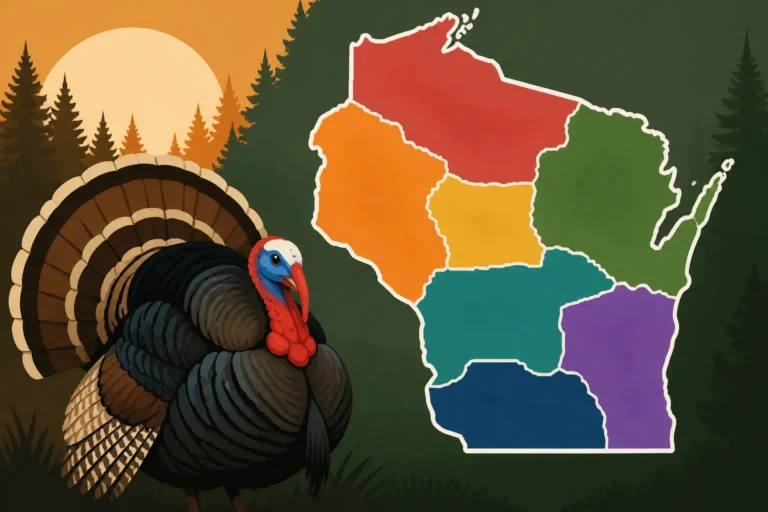
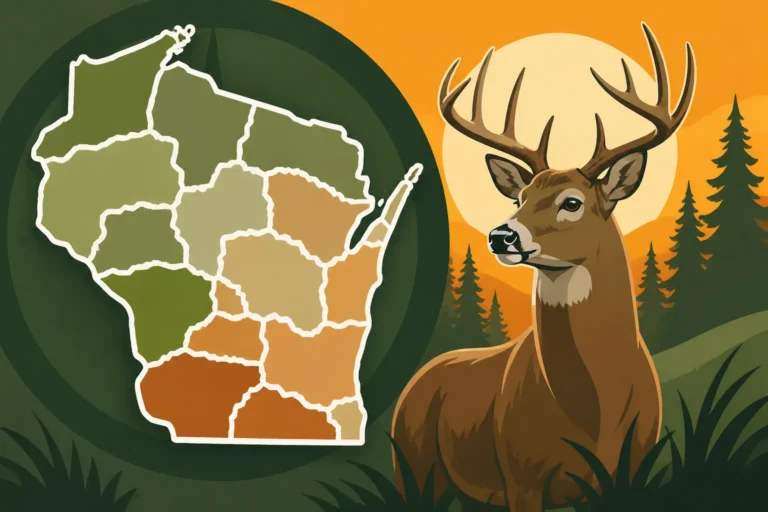
You'll need to consult the current year's Wisconsin hunting regulations to see the list of open areas. These areas are often found within the Farmland Zone or other regions with robust deer populations, rather than the heavily forested Northern Forest Zone where deer densities might be lower. To understand the different regional classifications, take a look at our guide on Wisconsin Deer Management Zones.
Once you know which counties are open, the next step is finding actual hunting land. Many hunters focus on public lands, such as state forests, county forests, or state wildlife areas. However, some private landowners also permit hunting during this time. Remember, if you're hunting private land, you must have permission from the landowner. Many hunters find mapping applications, such as GoHunt, incredibly helpful for identifying open Managed Forest Law lands or Voluntary Public Access parcels within the designated hunt areas, making the search for legal hunting ground much simpler.
Specific Rules and Regulations
Even though it's a late-season hunt, all standard hunting ethics and safety rules apply. For firearm and muzzleloader hunters, wearing blaze orange or blaze pink is still a requirement during the Holiday Antlerless Hunt, just as it is during the main Wisconsin Gun Deer Season Structure. Check the regulations for precise requirements, including minimum square inches of visible color. Archery and crossbow hunters may not have the same blaze orange requirement during this specific season, but it's always a good idea for safety.
Legal shooting hours usually remain consistent with the general deer seasons, extending from 30 minutes before sunrise to 20 minutes after sunset. However, these can be affected by local ordinances or specific refuge rules, so always double-check.
Perhaps one of the most critical regulations to be aware of, especially for late-season hunting, pertains to baiting and feeding. Many counties in Wisconsin have Wisconsin Baiting and Feeding Bans in place due to Chronic Wasting Disease (CWD). These bans typically remain in effect during the Holiday Antlerless Hunt. Violating baiting and feeding laws can result in significant fines and loss of hunting privileges, so be absolutely certain of the rules in your chosen hunting area. Before heading out, a quick check of the regulations, perhaps through a platform like GoHunt that often consolidates state hunting information, can prevent any unwanted surprises. Always register your harvested deer within the specified timeframe, usually by 5 p.m. the day after the kill, through the online Go Wild system or by phone.
Strategies for a Successful Holiday Hunt
Hunting deer during the holiday period means facing different conditions and deer behaviors than you might encounter earlier in the fall. Adaptability is key, and understanding what deer are doing in late December and early January will greatly increase your chances of success.
Late-Season Deer Behavior and Locations
By late December, the breeding rut is largely over, and deer have shifted their focus almost entirely to survival: finding food, conserving energy, and seeking thermal cover. This means their movements become much more predictable and dictated by necessity.
Deer will primarily concentrate around the most abundant and accessible food sources. This could be standing cornfields, agricultural residue, brassica food plots, or even late-season browse in wooded areas. Our guide on Late-Season Food Sources for Whitetails dives deeper into what deer are looking for at this time of year. If there are still unpicked cornfields, deer will be in them, especially during daylight hours when snow cover makes other food sources harder to reach. Consider tactics like Hunting a Standing Cornfield in Farm Country.
Bedding areas will be dense, thick cover that offers protection from the elements, especially wind and snow. Look for conifer thickets, cedar swamps (check out Still-Hunting Wisconsin Cedar Swamps for more on this tactic), or thick regenerating timber stands. South-facing slopes are often preferred as they receive more direct sunlight and offer a slight thermal advantage. Because temperatures are consistently cold, deer will move less and often spend more time in their bedding areas, only moving to feed during twilight hours or even midday if pressure is low.
Weather Considerations and Gear
Hunting in late December and early January in Wisconsin means dealing with cold, sometimes brutally cold, weather, and often snow. Your gear choices can make or break your hunt. Layering is not just a suggestion; it's an absolute necessity. Start with a moisture-wicking base layer, add insulating layers like fleece or wool, and top it off with a windproof and waterproof outer shell. Our article on Cold Weather Sitting Strategy offers detailed advice on how to stay warm during long sits.
Proper insulated boots are critical. Your feet are often the first to get cold, ending your hunt prematurely. Chemical hand and foot warmers can also be a lifesaver. Furthermore, utilizing tools like GoHunt that provide weather overlays can help you anticipate conditions and plan your attire and hunting approach accordingly.
For firearm hunters, keeping your weapon dry and functional in snow and freezing rain is crucial. A simple gun sleeve or even a piece of electrical tape over the muzzle can prevent moisture from causing misfires or freezing. If you're using a muzzleloader, paying extra attention to keeping your powder dry, as detailed in Keeping a Muzzleloader Dry in Wet Snow, is paramount for reliability.
Tracking and Recovery in Winter Conditions
One of the significant advantages of hunting during the Holiday Hunt, especially if there's snow on the ground, is the ability to track deer. Fresh snow reveals every step a deer takes, providing invaluable information about their travel routes, feeding patterns, and bedding areas. It also makes tracking a shot deer much easier, often resulting in quicker and more successful recoveries. Check out our guide on Tracking a Deer in Wisconsin Snow for essential tips.
However, winter conditions also pose challenges. A deep snow cover can make dragging a deer out of the woods incredibly difficult and physically taxing. Consider bringing a deer sled or a game cart if the terrain allows. The cold weather also means that a downed deer will cool quickly, preserving the meat, but swift recovery is still important, especially if you're in a remote area or facing extreme temperatures. If you're hunting with a firearm, tactics like Still-Hunting After a Wisconsin Snow can be particularly effective, allowing you to quietly move through the woods, spotting deer before they spot you. Keeping an eye on local wildlife reports or community forums, often accessible through platforms that integrate with hunting resources like GoHunt, can offer valuable real-time insights into deer movement and pressure.
| Aspect | Details |
|---|---|
| Typical Dates | Late December – Early January (exact dates vary annually) |
| Eligibility | All licensed hunters with valid antlerless authorizations |
| Legal Weapons | Archery, Crossbow, Firearm, Muzzleloader (check specific county/DMU rules) |
| Deer Allowed | Antlerless deer only |
| Required Tag | Valid antlerless authorization for the specific county/DMU |
| Blaze Orange | Required for firearm/muzzleloader hunters (check regs for archery/crossbow) |
| Location | Designated counties/Deer Management Units (DMUs) only |
Disclaimer
Hunting regulations can change. While every effort has been made to provide accurate and up-to-date information, it is the hunter's responsibility to consult the current official Wisconsin DNR hunting regulations pamphlet or website before heading afield. This guide is for informational purposes only and should not be considered a substitute for official legal documentation.