When Wisconsin’s Late Archery Season Ends
Oh, the late archery season in Wisconsin! It's one of those periods that feels both like a bonus and a puzzle for many of us hunters. After the frantic pace of the gun season settles, the quiet woods offer a unique challenge, but figuring out the exact end date can sometimes feel like trying to hit a moving target. Many hunters, myself included, have been caught off guard by an early closing, missing out on those last few precious days in the stand. This guide is here to clear up that confusion once and for all, meticulously breaking down exactly when Wisconsin's late archery season concludes, so you can plan every precious minute.
Understanding the Wisconsin Archery Season Structure
Wisconsin's deer seasons are a bit like a well-orchestrated symphony, with different instruments playing at different times, but it can be easy to lose track of the individual movements. For archery hunters, the season isn't just one continuous stretch; it's really two distinct phases – an early season and a late season – all wrapped up under the umbrella of one permit. This structure is designed to give hunters flexibility while also managing deer populations effectively throughout the state.
The early archery season kicks off in mid-September, usually around the 14th or 15th, and runs continuously until the Sunday preceding the nine-day gun deer season. This early period is often characterized by warmer weather, lush foliage, and deer still on relatively predictable summer patterns. It's a fantastic time to be in the woods, even if the rut hasn't fully kicked in yet. Many of us focus on food sources and travel corridors during this time, patiently waiting for the chillier weather to spark more activity. For those looking to dive deeper into the overarching schedule, our guide on Wisconsin Archery Deer Season Dates provides a comprehensive overview.
Once the gun season starts, archery hunting in that specific unit typically pauses for the nine-day duration for safety reasons and to manage harvest pressure. This break is critical to remember. It’s not just a change in weapon choice; it's a complete shift in strategy and safety considerations. When the gun season concludes, usually the Sunday after Thanksgiving, the late archery season picks right back up. This transition period often sees deer patterns significantly altered due to hunting pressure and colder temperatures, making it a whole new ball game for bowhunters.
The Official End Date for Wisconsin's Late Archery Season
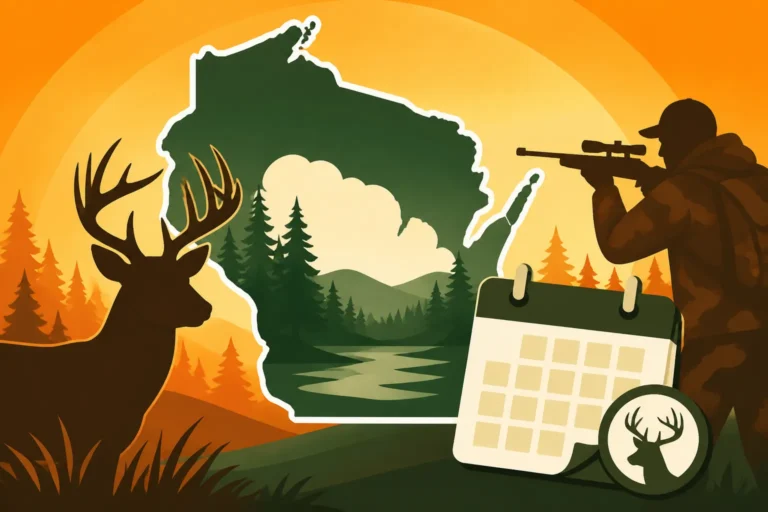
Now, let's get to the brass tacks: when does that late archery season actually wrap up? For both archery and crossbow hunters in Wisconsin, the statewide deer season for antlered and antlerless deer, regardless of zone, officially concludes on the first Sunday in January.
This date is fixed, but because the first Sunday in January can shift year to year, the specific calendar date changes. For instance, if January 1st falls on a Tuesday, the first Sunday in January would be January 6th. If January 1st falls on a Sunday, then that is the first Sunday of the month. So, while it's consistently the "first Sunday in January," it's crucial to check the Wisconsin DNR's official regulations pamphlet each year to confirm the exact date. Don't rely on memory alone! A tool like GoHunt's calendar feature can be invaluable for cross-referencing these fluid dates with your hunting schedule.
| Season Phase | Typical Start Date | Typical End Date | Notes |
|---|---|---|---|
| Early Archery | Mid-September (e.g., Sept 14th) | Mid-November (before gun season) | Great for early season patterns and scouting. |
| Late Archery | Early December (after gun season) | First Sunday in January | Focuses on post-rut and winter food sources. |
| Nine-Day Gun Season | Saturday before Thanksgiving | Sunday after Thanksgiving | Archery season typically closed during this period. |
| Holiday Antlerless | Late December | Early January | Separate hunt, runs concurrent with late archery. |
It's tempting to think you have until the very end of January, but that's a common misconception that can lead to disappointment. That first Sunday in January cutoff is firm. This closing date applies across all deer management zones and units for general archery tags. There aren't usually special extensions for particular areas, though it’s always wise to consult the DNR's official resources for any hyper-specific exceptions that might arise. Knowing the overarching Wisconsin Deer Seasons and Zones can help you understand these nuances better.
Maximizing Your Opportunities in the Late Archery Season
With the specific end date firmly in mind, how can you make the most of those precious late-season days? This isn't just about squeezing in a few more sits; it's about hunting strategically in a period where deer behavior shifts dramatically, and conditions can be brutally challenging.
Prioritizing Food and Thermal Cover
After the gun season, deer have been pushed, prodded, and pressured. Their primary focus immediately switches to survival, which means two things: food and thermal cover. Forget about chasing the rut; that's largely over by the late season. Bucks are exhausted, does are recuperating, and everyone is trying to pack on calories and stay warm. This is where your scouting from earlier in the year, or even previous seasons, really pays off.
Look for late-season food sources that are still viable. These often include standing corn (if farmers haven't harvested it all), brassicas in food plots, forgotten acorns, or even browse in areas with less snow cover. In the vast northern forests, deer might congregate in cedar swamps or dense conifer stands, which offer both thermal cover from biting winds and some nutritional browse. Don't overlook low-lying areas or south-facing slopes that might retain some warmth and offer easier foraging. Understanding Late-Season Food Sources for Whitetails is paramount for success during this challenging time.
Moreover, thermal cover is non-negotiable. Deer will bed in thick conifer stands, dense briar patches, or in creek bottoms that offer protection from the elements. They're trying to conserve energy, so expect them to be less active during daylight hours unless they absolutely need to move to feed. A smart hunter will identify these prime bedding and feeding areas and focus on the travel corridors between them, especially during the brief windows of dawn and dusk, or on mild, cloudy days.
Adapting to Colder Weather and Pressure
Late archery season almost always means cold, often frigid, temperatures, and potentially significant snow cover. This demands a complete overhaul of your gear and approach. Layering becomes an art form. Forget those thin base layers; you need serious insulation. Wool and synthetic blends are your best friends, keeping you warm even if they get damp. Pay special attention to your extremities – good insulated boots are a must (check out our thoughts on Insulated Boots for All-Day Sits), as are warm gloves or mittens, and a good hat. Being comfortable in the stand is directly tied to your ability to sit still and stay focused. There’s nothing worse than having to bail on a prime sit because you’re shivering uncontrollably.
Hunting pressure from gun season also means deer are warier. They've seen it all, heard it all, and probably been shot at. Your entry and exit routes need to be flawless. Minimize scent and noise. Consider using a ground blind if you can set it up discreetly, as it offers more concealment and warmth than an open treestand. For tips on staying out longer, our article on Cold Weather Sitting Strategy offers some excellent advice. Also, don't underestimate the power of simply still-hunting these thick cover areas, moving slowly against the wind, trying to jump a deer in its bed or catch it moving between cover and feed. This technique is often underutilized but can be highly effective when deer are holed up.
Leveraging Technology for Late Season Success
In today's hunting world, technology can be a game-changer, especially when trying to pinpoint dwindling opportunities. Services like GoHunt offer detailed mapping layers that can help you identify public land boundaries, locate potential bedding areas, and scout for those crucial late-season food sources from the comfort of your home. You can often see historical harvest data or deer density maps, which, while not a silver bullet, can give you an edge in understanding where deer are likely to be, especially on public ground.
Using a reliable GPS unit or a hunting app on your phone (like the Wisconsin DNR's Hunt Wild app or other popular mapping apps) is essential for navigating unfamiliar territory, marking sign, and safely getting in and out, particularly in the dark. The last thing you want is to get turned around after a long, cold sit, especially when you're hunting those out-of-the-way spots that see less pressure. Proper Scouting Wisconsin Public Land Before Season with these tools can make a huge difference in finding those hidden gems. Remember, your Wisconsin hunting license and authorizations are typically managed through the Go Wild system, and staying on top of those requirements is key to legal hunting. For detailed information on what you need, check out our guide on Wisconsin Hunting Licences and What They Cost.
The late archery season might be short, but it's often some of the most rewarding hunting, pitting your skills against truly savvy deer in challenging conditions. Just make sure you know that critical "first Sunday in January" end date, and you'll be set to make the most of it. Don't forget to review the Wisconsin Deer Registration Rules once you've harvested a deer.
Disclaimer
Please note: Hunting regulations, season dates, and zone boundaries can change. Always consult the official Wisconsin Department of Natural Resources (DNR) regulations pamphlet or website for the most current and accurate information before planning your hunt. This article provides general guidance and should not be considered a substitute for official DNR publications.