Rabbit Hunting Thick Wisconsin Brush
The rustling of dry leaves underfoot, the sudden explosion of a rabbit from a thick briar patch, and the quick, instinctive swing of a shotgun – that's the essence of rabbit hunting in Wisconsin's dense cover. It’s a rewarding pursuit, but anyone who's tried it knows the frustrations: rabbits seem to vanish into thin air, and pushing through tangled brush can feel like a losing battle. This guide will walk you through everything you need to know to successfully navigate Wisconsin's thickest rabbit haunts, from understanding their hideouts to the gear and tactics that put bunnies in the pot.
Understanding Wisconsin Rabbits and Their Preferred Habitat
Before you can effectively hunt rabbits, you need to know your quarry and where they like to spend their time. Wisconsin is home to two primary species that offer hunting opportunities: the Eastern cottontail and the snowshoe hare. While both are rabbits, their habitat preferences and how you approach hunting them in thick cover can differ significantly.
Cottontails vs. Snowshoe Hares
The Eastern cottontail is likely what most people picture when they think of a rabbit. These little dynamos thrive in diverse habitats, often preferring areas with a mix of dense cover and open feeding grounds. You'll find them abundant in southern and central Wisconsin, often in agricultural areas, along fencerows, in brush piles, and near the edges of suburban properties. They are masters of blending into their surroundings, freezing at the first sign of danger, only to burst out at the last second. When the leaves are on the trees, their camouflage is almost perfect.
Snowshoe hares, on the other hand, are creatures of the northern woods. As their name suggests, their large hind feet act like snowshoes, allowing them to navigate deep snow with ease. Their most remarkable adaptation is their seasonal coat change – brown in summer, turning pure white in winter to match the snow. You'll primarily find snowshoes in northern Wisconsin, particularly in conifer swamps, dense young aspen stands, and thick cedar thickets. Unlike cottontails, they tend to run in larger circles when flushed, often allowing a persistent hunter or a good dog to get a second chance.
Why Thick Brush is Key for Rabbits
For both species, thick brush isn't just a preference; it's a matter of survival. This dense vegetation provides crucial protection from predators like coyotes, foxes, hawks, and owls. A rabbit hidden deep within a briar patch is almost invisible from above and difficult for ground predators to navigate. It also offers excellent thermal cover, shielding them from bitter winter winds and providing shade during hot summer days.
Consider the landscape: a rabbit is a small, vulnerable creature. They need places where they can disappear instantly. This means hunting success often boils down to finding and effectively working the nastiest, most overgrown patches you can find. Think about those seemingly impenetrable honeysuckle thickets, dense stands of young pines or cedars, brush piles left over from logging, or tangled masses of downed timber. These are rabbit havens, providing both shelter and often a hidden buffet of twigs, bark, and greens. In the southern part of the state, old abandoned farmsteads with overgrown orchards and crumbling outbuildings surrounded by thick brambles are goldmines. Up north, focus on those dense, almost claustrophobic stands of young conifers or regenerating clear-cuts where the saplings are so thick you can barely push through.
Reading the Landscape for Rabbit Sign
Successfully rabbit hunting in thick brush starts with smart scouting, often long before you even put on your hunting boots. You need to learn how to "read" the landscape and identify prime rabbit habitat from a distance. Begin by looking for transitions in cover. Rabbits often feed in slightly more open areas, like the edge of a field or a thin woods, but they rarely venture far from dense escape cover. So, look for where a thick fencerow meets a cornfield, or where a dense conifer stand borders an aspen cut.
Once you're on the ground, look for direct signs of rabbit activity. Droppings are a dead giveaway – small, round pellets often concentrated near feeding areas or entry points into thickets. In winter, look for tiny, clipped twigs or bark gnawed from saplings, especially in areas with fresh snow. You might also spot faint trails, particularly through tall grass or underbrush, leading into and out of dense cover. Use the Wisconsin DNR's public access maps or even the Scouting With the Wisconsin Hunt Wild App to identify areas with varied habitat, then zoom in using aerial photos to find those specific patches of thick cover that scream "rabbit." Platforms like GoHunt also offer excellent mapping tools that can help you pinpoint these promising spots, revealing property lines and habitat types that might hold your next meal.
Essential Gear and Tactics for Dense Cover
Rabbit hunting, especially in Wisconsin's thick brush, isn't about long-range precision. It's about quick reflexes, tough gear, and a methodical approach. The right equipment and a solid understanding of how to work cover will make all the difference.
Firearms and Ammo for Close-Quarters
When you're pushing through dense cover, shots are often fast, close, and fleeting. This isn't the place for a tight-choked magnum or a rifle. A shotgun is your best friend. For most rabbit hunting in thick brush, a 20 gauge or 12 gauge is ideal, offering a good balance of maneuverability and pattern density. The key is to use an open choke, like improved cylinder (IC) or even skeet, especially for cottontails. These chokes spread the shot quickly, giving you a wider pattern for those close, bursting shots. For snowshoes, where you might get a slightly longer shot as they circle, a modified choke can also work well.
As for ammunition, stick with smaller shot sizes. Number 7.5 or 6 shot is generally perfect for rabbits and hares. It delivers enough pellets to ensure a clean kill without over-penetrating and ruining too much meat. Remember, your primary goal is to make a quick, humane harvest in tight quarters, and an open choke with appropriate shot size gives you the best chance. If you’re familiar with what works for upland birds, the principles are similar; a great starting point for comparison might be considering the advice on Best Shotgun Gauge for Wisconsin Grouse, as grouse often inhabit similar dense environments.
Dressing for the Bush
Hunting thick brush is physically demanding and notoriously hard on clothing. You'll be pushing through thorns, briars, and tangled branches, so protection is paramount. Invest in a good pair of brush pants – often made from tough canvas, briar-proof nylon, or even waxed cotton. These are a game-changer, preventing countless scratches and tears that would quickly ruin regular hunting pants. Similarly, sturdy, waterproof boots are essential, as you'll likely encounter wet ground, muddy areas, or even small streams. Look for boots with good ankle support to navigate uneven terrain hidden under the brush.
Don't forget gloves! Heavy-duty work gloves or specialized briar gloves will save your hands from thorns and keep them warm. And, of course, safety is always first. Wisconsin requires hunters to wear a certain amount of blaze orange or fluorescent pink during specific seasons, so make sure you're compliant. Even outside of those seasons, it's a smart idea, especially if you're hunting with a partner. Refer to guidelines like How Much Blaze Orange Wisconsin Requires to ensure you meet all legal and safety standards. Think about durable, snag-resistant jackets as well; you want layers that can withstand abuse and keep you comfortable in varying temperatures, a bit like what you'd wear if you were working through thick cover for Brush Pants for Wisconsin Alder.
Solo Hunter Tactics in Thick Brush
Hunting rabbits without a dog in dense cover is often referred to as "kicking brush," and it requires patience, a keen eye, and a methodical approach. The idea is to surprise the rabbit, forcing it to flush. Start by moving slowly and deliberately, pushing into every single brush pile, clump of tall grass, and log you encounter. Don't just walk past them; literally kick them, walk around them, and make a lot of noise. Rabbits often sit incredibly tight, allowing you to pass by just feet away before they explode out of cover.
One effective tactic is the "stop and go" method. Walk for a few steps, then pause for 5-10 seconds. Many times, a rabbit that was sitting tight will think it's been found when you stop, and the sudden silence might make it bolt. This technique can be surprisingly effective. As you move, try to use natural barriers like fencerows, small creeks, or the edge of a dense wood to "funnel" rabbits. If you can push them towards a slightly more open area, you'll have a better chance at a clean shot. Always be ready to mount your shotgun quickly, as rabbits are incredibly fast once they've flushed. Using mapping tools like those found on GoHunt can help a solo hunter identify these natural funnels and plan a strategic route through promising cover.
Hunting with Beagles and Hounds
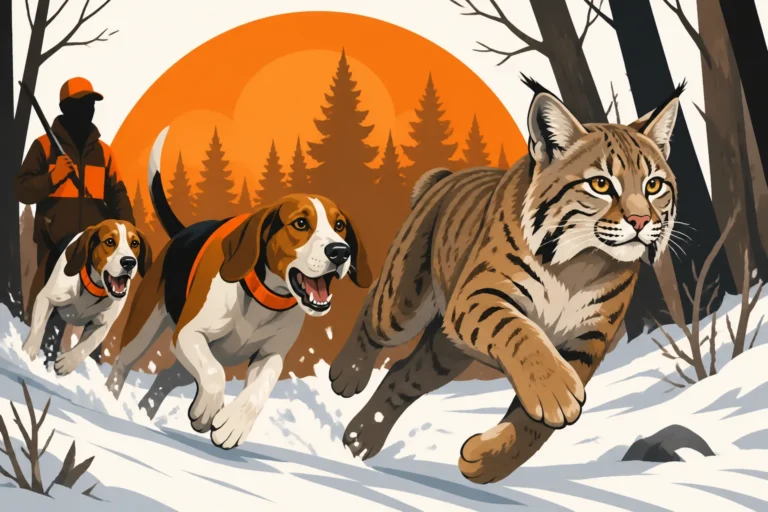
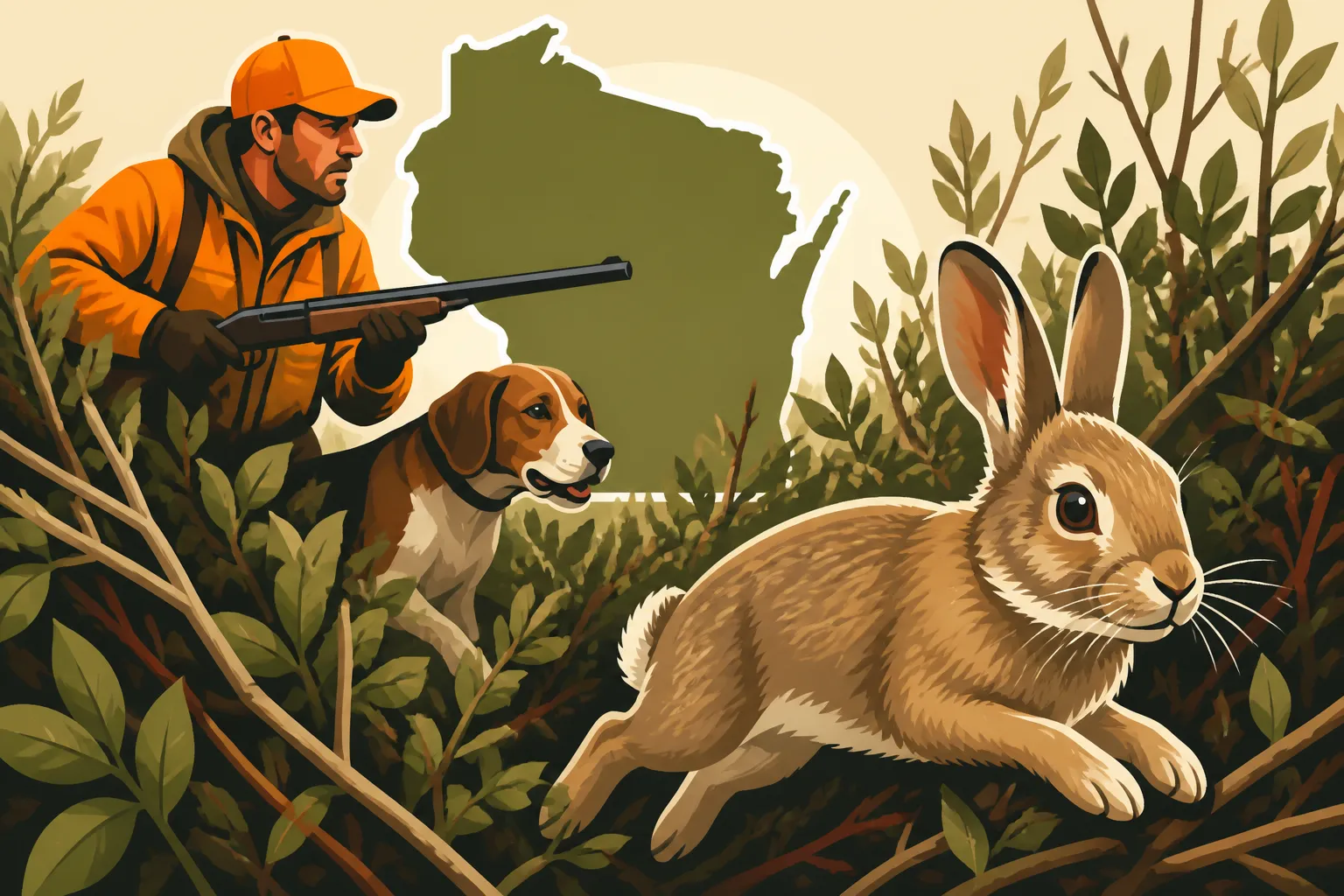
For many, rabbit hunting is synonymous with beagles. There’s a reason for that: these small hounds are purpose-built for the job, and watching them work is a pure joy. Beagles excel at finding rabbits in the thickest cover, flushing them, and then, crucially, staying on their trail. A rabbit, once flushed by a dog, will often run in a large circle, eventually returning near its original hiding spot. This allows the hunter to position themselves and wait for the rabbit to come back around.
When hunting with beagles, your role shifts from actively kicking brush to listening and positioning. Find a vantage point near the thicket where the dogs are working, listen to the music of their baying, and anticipate where the rabbit will emerge. Dog safety is paramount in dense cover; ensure your dogs are visible (many wear bright orange vests) and are equipped with GPS collars, especially if working large areas or near roads. Training your beagles to handle challenging terrain is key to a successful outing. For dedicated hare hunters, exploring tips like those for Running Beagles on Wisconsin Snowshoe Hares can significantly improve your chances, as snowshoes present their own unique challenges for hounds.
Hunting Without a Dog
If you don't have a canine companion, don't despair! Many successful rabbit hunters don't use dogs. This method relies heavily on the "kicking brush" technique described earlier, but with an added layer of strategy. Focus on thoroughly working smaller, isolated patches of cover first. These might be individual brush piles, small thickets, or overgrown hedgerows that border agricultural fields. Rabbits in these smaller pockets often don't have many options once flushed and might offer a more predictable escape route.
When you're moving through the cover, think like a rabbit. Where would you hide? Where would you run if flushed? Pay close attention to any subtle movement or flicker of an ear. Use your ears as much as your eyes; the rustle of leaves or a twig snapping can betray a rabbit's position before you see it. It's a game of stealth and sudden aggression. While a dog covers ground and scent, a solo hunter relies on precise movement and an intimate understanding of rabbit behavior. Using detailed maps, perhaps through a service like GoHunt, can help you visualize the cover and plan your approach, identifying areas where you can effectively drive rabbits or anticipate their escape paths.
Navigating Wisconsin's Public Lands and Specific Challenges
Wisconsin offers a wealth of public hunting opportunities, but successfully hunting rabbits in thick brush on these lands requires some specific knowledge about where to go and how to handle the unique challenges they present.
Finding Rabbit Hotspots on Public Land
The first step to successful rabbit hunting on public land is knowing where to find suitable habitat. Wisconsin has an excellent system of state wildlife areas, county forests, and national forests, many of which contain the dense, diverse cover rabbits love. Use resources like the Wisconsin DNR's public access maps, which are invaluable for identifying specific parcels open to hunting. The Wisconsin Public Access Lands Maps offer a detailed overview, often showing habitat types.
The Scouting With the Wisconsin Hunt Wild App is another powerful tool; it overlays public land boundaries, satellite imagery, and even topographical maps, allowing you to pinpoint potential rabbit hideouts from your phone. Look for areas marked as "wildlife areas" or "forests" that show a mosaic of habitat: old fields reverting to brush, clear-cuts regenerating with young trees, or low-lying areas with dense alders and dogwoods. These are prime candidates for rabbit hunting. Many county forests, particularly in central and northern Wisconsin, also have abundant young timber and brushy areas that are perfect for snowshoe hares. GoHunt is another excellent platform that can help you visualize property lines and terrain, ensuring you're always on public ground and making the most of your scouting efforts.
Dealing with Dense Vegetation and Terrain
Hunting rabbits in thick brush is not for the faint of heart. It's often physically grueling. You'll encounter every obstacle imaginable: tangled briar patches that seem designed to ensnare you, fallen logs that require awkward climbs, swampy lowlands that threaten to swallow your boots, and steep hillsides covered in dense undergrowth. The key is to pace yourself and accept that progress will be slow.
Maintain a steady, deliberate pace. Pushing too fast will not only exhaust you but also cause you to miss opportunities. Stop frequently to catch your breath, scan your surroundings, and listen. Often, a rabbit will flush when you pause. Always be aware of your footing, especially in areas with hidden roots or uneven ground. Staying oriented can also be a challenge in truly dense cover. Utilize a GPS device or a mapping app on your phone (like the Hunt Wild app) to keep track of your location and avoid getting turned around, especially if you're venturing deep into a large block of public land. This also ties into how you would manage Hunting Wisconsin Cedar Swamps, where navigating thick, often wet terrain is a primary concern.
Safety Considerations in Thick Cover
Safety should always be your top priority, and hunting in thick brush presents its own unique set of challenges. Visibility is often severely limited, making it critical to know where your hunting partners are at all times. If you're hunting with a group, establish clear communication signals before you start. Many hunters use two-way radios, but even simple whistles or pre-arranged calls can be effective. Never shoot at sound alone; always positively identify your target and be absolutely certain of your background.
Wearing plenty of blaze orange or fluorescent pink, even when not legally required, is highly recommended to increase your visibility to other hunters. Be mindful of ticks, especially in brushy areas during warmer months. Do regular tick checks throughout the day and after your hunt. Carry a basic first-aid kit, a compass or GPS, water, and emergency supplies. Hunting alone in remote, thick areas can be risky, so it's always a good idea to let someone know where you're going and when you expect to return.
Seasonal Considerations and Best Practices
Timing and weather can significantly influence your rabbit hunting success in Wisconsin. Understanding how these factors affect rabbit behavior will help you plan your hunts for maximum effectiveness.
Best Time of Year for Rabbit Hunting
Wisconsin's rabbit and hare seasons are quite generous, often running from mid-September through February. While you can technically hunt throughout this period, certain times offer distinct advantages. The early season, from September through October, when the leaves are still on the trees, presents a significant challenge due to dense foliage. Rabbits are harder to spot, and visibility for hunters is low. However, if you prefer pushing through heavy cover and enjoy the thrill of a close-quarters flush, this can be a very active time, and rabbit populations are at their peak. For detailed season dates, refer to Wisconsin Rabbit and Hare Seasons.
The late season, particularly from November through January, is often considered prime rabbit hunting time. After the leaves have fallen, visibility improves dramatically, making it much easier to spot rabbits. Once the snow flies, the game changes completely. A fresh blanket of snow makes tracking rabbits and hares incredibly easy. You can follow their tracks directly into thickets, or use the snow to spot where they've been feeding. The white fur of snowshoe hares stands out against the dark timber, making them easier to spot, but also paradoxically more camouflaged if they freeze in a snow-covered cedar swamp. This is also when techniques like Still-Hunting After a Wisconsin Snow become highly effective for various small game.
Weather's Impact on Rabbit Activity
Rabbits, like many animals, are influenced by weather. Cold, crisp, overcast days are often excellent for rabbit hunting. Rabbits tend to be more active, foraging for food, and less likely to be lethargic. Days immediately following a snowfall can be fantastic, as tracks are fresh, and rabbits are often out feeding after being holed up during the storm. Conversely, extremely windy days can make hunting difficult. The wind can make rabbits skittish, and the constant noise can make it hard to hear them flush or for your dogs to work effectively. Heavy rain or extreme cold can also keep rabbits hunkered down, making them harder to find.
Consider the temperature. During warmer early-season hunts, rabbits might be more active early and late in the day, seeking shade during midday. In bitter cold, they might be more active during the warmest part of the day, soaking up any available sunlight. Always layer your clothing appropriately to stay comfortable regardless of the weather, remembering that pushing through thick brush generates a lot of body heat.
Meat Care and Processing
Successfully harvesting a rabbit is just the first step; proper meat care ensures a delicious meal. In the field, especially during warmer early season hunts, it's crucial to cool your rabbit quickly. Field dressing immediately after the shot will help the meat cool down and remove gut contents that can spoil quickly.
Once field dressed, get the rabbit into a cooler with ice as soon as possible. If it's cold enough outside (below 40°F), you can hang it, but always protect it from scavengers. Processing rabbits is relatively straightforward. Skinning can be done by making a cut across the back and pulling the hide off from both ends. You'll then eviscerate if you haven't already. The meat of both cottontails and snowshoe hares is lean and mild, making it incredibly versatile for cooking. Stews, fried rabbit, or even roasting are popular preparations. Remember, the effort you put into the hunt is truly rewarded at the dinner table. If you're looking to explore other small game opportunities in Wisconsin, remember that similar care and attention apply to harvesting and processing. For instance, knowing when to target different species can sometimes involve overlapping habitats, such as considering Squirrel Hunting a Wisconsin Oak Ridge if you're already in mixed hardwoods.
| Feature | Eastern Cottontail | Snowshoe Hare |
|---|---|---|
| Primary Habitat | Farmland, fencerows, brush piles, suburban edges | Conifer swamps, dense young aspen, cedar thickets |
| Distribution | Southern and Central Wisconsin, widespread | Northern Wisconsin |
| Size | Smaller, typically 2-4 lbs | Larger, typically 3-6 lbs |
| Coat Color | Brown/gray year-round | Brown in summer, white in winter |
| Behavior | Sits tight, short bursts, may dart under cover | Runs in larger circles when flushed, often in thick cover |
| Typical Cover | Briar patches, honeysuckle, log piles, overgrown fields | Dense pines/cedars, regenerating clear-cuts, tag alders |
Disclaimer
The information provided in this article is for general guidance and informational purposes only. Hunting regulations, seasons, and licensing requirements in Wisconsin are subject to change. Always consult the most current Wisconsin Department of Natural Resources (DNR) regulations and guidelines before planning any hunting trip. It is your responsibility to understand and comply with all applicable laws and safety protocols.