Wisconsin Deer Camp Traditions
For many of us who grew up in Wisconsin, the phrase "deer camp" conjures up a specific set of feelings: a blend of anticipation, camaraderie, and a touch of well-worn tradition. It's not just about the hunt itself; it's about escaping the everyday, reconnecting with family and friends, and upholding rituals that have been passed down for generations. This guide will take a deep dive into what makes Wisconsin deer camp so special, exploring the unwritten rules, the shared experiences, and the enduring spirit that defines this annual pilgrimage.
The Heart of Deer Camp: More Than Just a Hunt
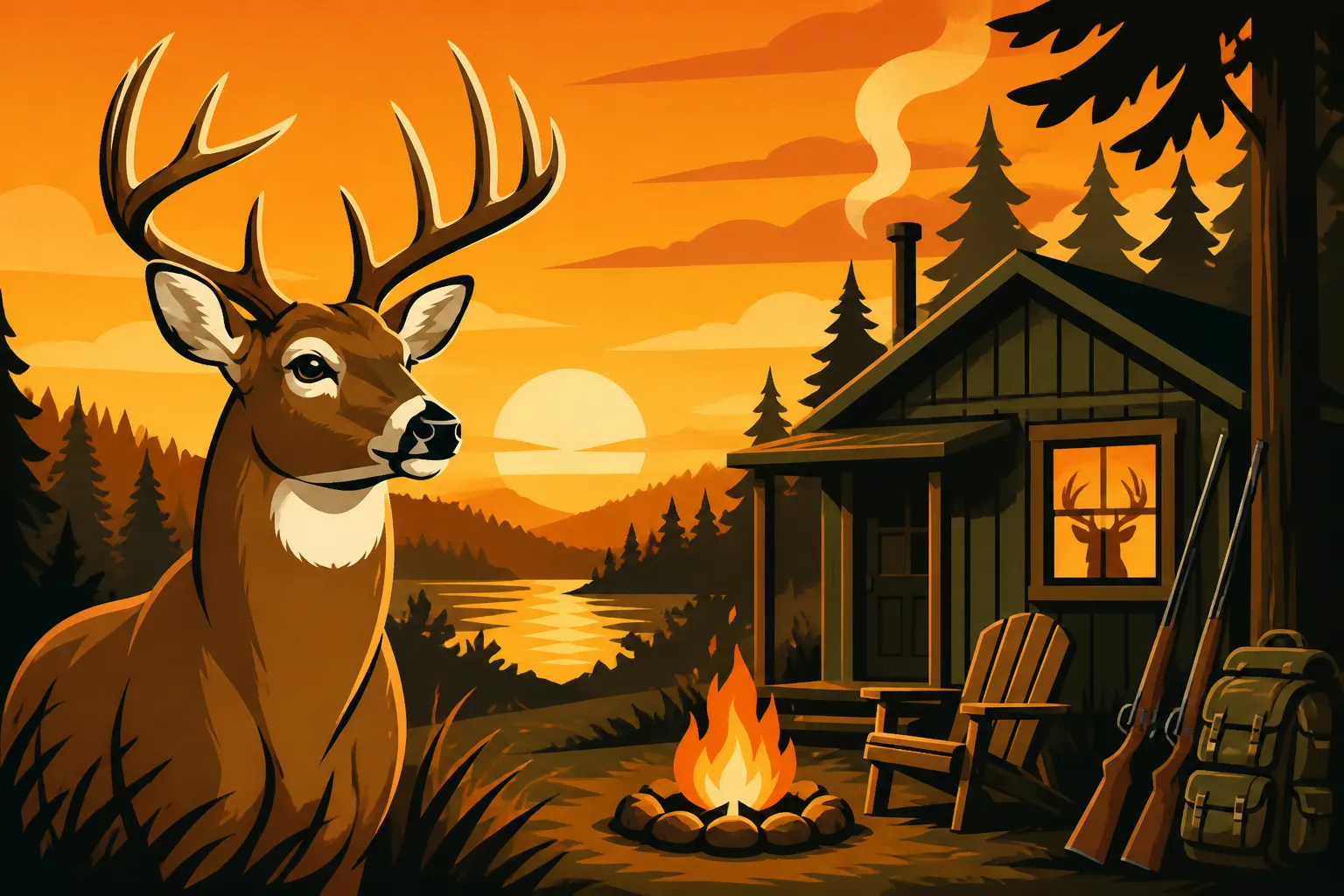
Deer camp is truly the spiritual home for many Wisconsin hunters. It’s a place where time seems to slow down, where the daily grind of city life fades away, and the focus shifts entirely to the woods, the game, and the company. It’s an immersive experience that goes far beyond pulling a trigger; it’s about community, history, and a shared passion that binds people together, year after year. The anticipation often builds for months, fueled by scouting trips and conversations about strategies, and culminates in that first drive north or west to the familiar cabin.
Establishing the Camp Culture
Every deer camp, whether it's a rustic shack deep in the Chequamegon-Nicolet National Forest or a rented farmhouse in the agricultural expanses of the Driftless Area, develops its own unique culture and a set of unwritten rules. These aren't always explicitly stated, but they're understood and upheld by all who participate. Think of it as a micro-society, where everyone has a role, from the head cook to the designated fire-stoker. Some camps might have a strict schedule for meals and hunting times, while others prefer a more laid-back approach, letting the day unfold organically.
These cultural norms often dictate everything from who gets the best bunk (usually the camp elder or the guy who drove the furthest) to who's responsible for the morning coffee. There might be a designated "storyteller" who embellishes past hunting triumphs and failures, or a quiet elder who simply observes and offers wisdom when asked. These roles aren't assigned; they evolve organically, shaping the camp's personality and ensuring a smooth, enjoyable experience for everyone. Disagreements are rare and usually resolved with good humor and a shared beverage, because at its core, deer camp is about unity.
Passed Down Through Generations
Perhaps the most significant aspect of Wisconsin deer camp tradition is its generational continuity. For many families, deer camp is a legacy, an annual event that sees grandfathers hunting alongside their grandsons, and cousins reuniting from across the state. It's where the next generation learns not just how to hunt, but how to be a hunter in the fullest sense – respecting the land, understanding the ethics, and appreciating the camaraderie. This mentorship is critical, often beginning with younger family members accompanying seasoned hunters on scouting trips, learning about Wisconsin Hunter Safety and Mentored Hunting, and eventually earning their spot in the stand or on the drive.
I've seen countless examples of this at camps all over the state. A grandpa might spend hours showing his grandson how to identify deer sign, read a topo map on an app like GoHunt, or track a deer in the snow. These aren't just lessons in hunting; they're lessons in life, responsibility, and perseverance. The stories of past hunts, both successful and challenging, become part of the family lore, reinforcing the bonds and creating anticipation for new memories. It’s a powerful connection to the past, a living history that reinforces family ties and a shared love for the outdoors.
The Food, the Stories, and the Laughter
Beyond the actual hunting, the heart of deer camp often beats strongest around the dinner table or the crackling wood stove. Food is a central pillar, with traditional camp recipes often making an appearance year after year. Think hearty venison chili, slow-cooked stews, massive breakfasts to fuel a day in the woods, and perhaps a special dessert. These meals aren't just about sustenance; they're communal events, filled with loud conversations, friendly ribbing, and the retelling of the day's events.
| Deer Camp Role | Typical Responsibilities | Traditional Meal Contribution |
|---|---|---|
| Camp Cook | Planning menus, preparing main meals, coffee duty | Venison chili, breakfast sausage |
| Fire Tender | Keeping wood stove stoked, managing campfire | S'mores, hot drinks |
| Head Scout | Daily hunting strategy, stand placement, tracking | Trail mix, energy bars |
| Storyteller/Historian | Recounting past hunts, camp lore, keeping spirits high | Wild game appetizers |
| Gear Master | Ensuring equipment is ready, fixing minor issues | Camp snacks, jerky |
| Rookie/Apprentice | Learning ropes, assisting elders, light chores | Dessert, side dishes |
And the stories! Oh, the stories. This is where the legends are born and embellished, where a small buck becomes a monster, and a missed shot turns into a dramatic tale of a deer that "got away." There's a special kind of humor at deer camp, often self-deprecating and rooted in shared experience. The laughter echoes through the cabin, a therapeutic release after long, cold hours in the woods, or a way to commiserate over a quiet day. These moments of shared joy and commiseration forge bonds that last long after the season ends, becoming the cherished memories that draw everyone back next year.
Rituals of the Hunt: Before, During, and After the Shot
While the camaraderie is paramount, the pursuit of deer is, of course, the driving force behind deer camp. Over decades, specific rituals and practices have developed around the actual act of hunting, becoming as much a part of the tradition as the camp itself. From the painstaking preparations before dawn to the final processing of a successful harvest, each step is imbued with significance and often a touch of superstition.
Pre-Hunt Preparations and Superstitions
The night before the hunt, and especially the first evening of gun season, is usually a hive of activity and nervous energy. Gear is laid out, last-minute checks are made on rifles and bows, and detailed plans for the morning are discussed, often over maps spread across a worn kitchen table. Many camps have a specific ritual for the "opening morning coffee" – a quiet moment where hunters gather, sip strong coffee, and make their final plans before heading out into the pre-dawn dark. This is often the time when you hear the latest Scouting Wisconsin Public Land Before Season reports, shared amongst trusted friends.
Superstitions run rampant in deer camps, adding a layer of charming folklore to the serious business of hunting. Some hunters might wear the same "lucky" blaze orange hat every year, while others insist on eating a specific breakfast, or following a precise route to their stand. There are often discussions about the weather, moon phase, and wind direction, sometimes even invoking old sayings or family traditions. For example, some might believe that seeing a particular bird on the way out is a sign of good luck, or that a quiet morning means the deer are moving. While these might seem silly to outsiders, for those steeped in the tradition, they're an integral part of the experience, bringing a sense of order and hope to an unpredictable pursuit.
The Hunt Itself: Drives, Still-Hunting, and Stand Time
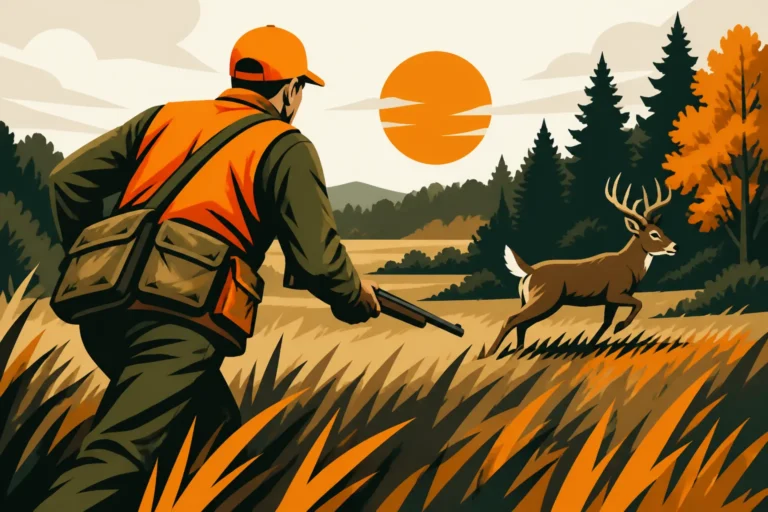
Once daylight breaks, the woods of Wisconsin come alive with various hunting methods, many deeply ingrained in camp tradition. Deer drives are a classic method, especially on public lands or larger private parcels. This involves a group of "drivers" moving through a section of woods to push deer towards "posters" positioned strategically. Learning how to effectively execute Deer Drives With Three or Four Hunters is often a rite of passage, teaching new hunters about teamwork, terrain, and deer behavior. Communication is key, whether it's via radios or well-placed whistles, ensuring safety and coordination.
For those preferring a more solitary experience, still-hunting through thick timber or sitting quietly in a well-placed stand are common. Many hunters spend hours pouring over maps, using digital tools like GoHunt to mark potential hot spots, funnel points, or where they've observed Late-Season Food Sources for Whitetails like acorn flats or cedar swamps. Whether perched in a treestand overlooking a field edge or tucked into a ground blind in a thicket, hunters brave the elements, waiting for that fleeting opportunity. The quiet solitude offers a chance for reflection, observation, and a deep connection to the wild landscape.
The Aftermath: Recovering and Processing Game
The moment a deer is down, a new set of traditions kicks in. First and foremost is the careful recovery of the animal. If it runs, the entire camp might mobilize for a blood trail, sometimes lasting hours or even needing to continue the next day if it’s too dark to pursue safely. Blood Trailing After Dark in Wisconsin is a skill often honed in deer camp, using headlamps and careful observation to follow faint signs. Once recovered, the work begins. Field dressing, especially Field Dressing a Deer in Cold Weather, is a critical step, ensuring the meat cools quickly and properly.
Back at camp, the processing of the animal is often a communal affair. Many camps have a designated area for skinning and Butchering a Deer at Camp, with experienced members guiding newer hunters through the process. This isn't just about getting meat; it's about respect for the animal and a tangible connection to the food source. The sounds of knives being sharpened, the shared effort of butchering, and the eventual wrapping of venison cuts for the freezer all contribute to the camp's rhythm. And, of course, there's the ritual of officially Registering a Wisconsin Deer Online, often done with a celebratory beverage and plenty of recounting of the hunt's details.
The Unwritten Rules and Enduring Spirit
Beyond the tangible aspects of hunting and eating, there’s an undercurrent of deeper values and unwritten rules that define the enduring spirit of Wisconsin deer camp. These are the principles that guide behavior, shape attitudes, and ensure the traditions continue to thrive for future generations. It’s about more than just the pursuit of an animal; it’s about a way of life, a respect for the natural world, and a commitment to fellowship.
Respect for the Land and the Animal
A core tenet of Wisconsin deer camp is a profound respect for the land and the animals we pursue. This isn't always spoken aloud, but it's evident in the careful attention to ethical hunting practices, the discussions about conservation, and the collective desire to leave the woods better than they were found. Hunters often have a deep understanding of the local ecosystem, recognizing the delicate balance and their role within it. Using scouting tools like GoHunt, many hunters develop a keen sense of the topography and how deer move across it, reinforcing their connection to the specific piece of land they hunt.
This respect extends to the deer itself. There's an appreciation for the challenge it presents, and a solemn understanding of the life taken. Discussions around camp often touch upon deer management practices, the importance of healthy herds, and the impact of Wisconsin Deer Seasons and Zones on local populations. It's not uncommon to hear calls for responsible harvesting, prioritizing a healthy herd over just "shooting a big one." This ethical framework ensures that hunting remains a sustainable and honorable pursuit, honoring both the wild game and the wild places they inhabit.
Handling Success and Setbacks
Deer camp is a microcosm of life itself, full of triumphs and disappointments. There are the moments of pure elation when a trophy buck is brought into camp, celebrated with hearty congratulations, back-slapping, and shared stories of the hunt. This success is often met with genuine joy from everyone, a collective pride in a well-earned harvest. But there are also the inevitable setbacks: the missed shot, the deer that vanished without a trace, the long days in the stand without seeing a single animal. These are met with empathy, commiseration, and gentle encouragement.
No one is judged for an empty tag; instead, there's a shared understanding of the inherent challenges of deer hunting. The stories of frustration are as important as the stories of success, serving as reminders that persistence is key and that every hunt, successful or not, offers valuable lessons. These shared experiences, both good and bad, strengthen the bonds within the camp, reinforcing the idea that they're all in it together, supporting each other through thick and thin. It’s in these moments of both glory and humility that the true spirit of camp shines brightest.
Keeping the Tradition Alive
In an ever-changing world, keeping the traditions of Wisconsin deer camp alive requires conscious effort. This means actively mentoring new hunters, adapting to evolving regulations (like those around Wisconsin Baiting and Feeding Bans), and always looking for ways to enhance the experience. It involves balancing the time-honored customs with modern techniques and conservation needs, ensuring that deer camp remains relevant and enjoyable for generations to come. The goal is to pass on the passion, the knowledge, and the values that make this annual ritual so meaningful.
Whether it’s teaching a youngster how to scout a new piece of land using the Scouting With the Wisconsin Hunt Wild App or explaining the nuances of Hunting the Wisconsin Rut in November, the elders of the camp play a vital role in carrying the torch. It's about instilling a love for the outdoors, fostering responsible hunting practices, and, perhaps most importantly, ensuring that the laughter, the stories, and the shared meals continue to be the anchors of a tradition that runs deep in the heart of Wisconsin.
Disclaimer
The information provided in this guide is for general informational purposes only and does not constitute legal or professional advice. Hunting regulations and laws in Wisconsin can change, and it is the responsibility of each hunter to consult the most current Wisconsin Department of Natural Resources (DNR) regulations and obtain all necessary licenses and permits before engaging in any hunting activities. Always prioritize safety and ethical hunting practices.