Late-Season Food Sources for Whitetails
Trying to pattern whitetails in the late season can feel like a game of hide-and-seek where the deer are experts and you're just guessing. After the frenzy of the rut, bucks disappear, and even does become incredibly elusive, often because their primary focus shifts dramatically to finding enough calories to survive the bitter Wisconsin winter. This guide is all about cutting through that late-season frustration, helping you pinpoint the critical food sources deer rely on when the snow flies and the mercury plummets.
The Post-Rut Shift in Deer Feeding Habits
Once November's madness subsides and the breeding instinct begins to wane, a whitetail's priorities snap back to one thing: survival. This isn't just about eating; it's about eating strategically. They need to pack on fat reserves to endure the freezing temperatures and deep snow that are hallmarks of a Wisconsin winter. Their metabolism slows, but their need for high-energy foods remains paramount. Understanding this fundamental shift is the first step in successful late-season hunting.
Why Winter Survival Dictates Diet Choices
Deer, especially bucks that have lost a significant percentage of their body weight during the rut, are in a race against time and the elements. Every calorie counts. They're not just looking for any food; they're seeking out the most digestible, energy-dense options available. Think of it from their perspective: they need to conserve energy, which means minimizing travel and maximizing caloric intake at each feeding. This often leads them to concentrate in areas where food is abundant and easily accessible, creating predictable patterns for diligent hunters. This intense focus on nutrition means that even pressured deer will often throw caution to the wind to fill their bellies, especially during periods of extreme cold or after a heavy snowfall that covers less appealing forage.
The Impact of Snow and Cold on Forage Availability
Deep snow is a game-changer for deer. It literally buries many food sources that were readily available earlier in the fall. Hard mast, like acorns, might be covered and inaccessible, and tender greens can be impossible to dig through thick crusts. Extreme cold also impacts what deer can process. They need foods that provide quick energy and are easy on their digestive system, which is why some foods become far more attractive than others. When temperatures drop below freezing for extended periods, deer will actively seek out thermal cover in addition to their feeding grounds, often moving between thick conifer stands and exposed food sources. This is where understanding local weather patterns and snow depth becomes incredibly important. A light dusting might just make acorns harder to find, but two feet of powder could force deer to completely abandon a food plot for something they can browse higher up, or push them into agricultural fields where they can still access grain.
Primary Natural Late-Season Forage
Even in a state as agriculturally rich as Wisconsin, natural food sources play a crucial role, especially in areas with limited farming or on public lands. While these might not always be the primary draw in deep winter, they certainly supplement a deer's diet and can be key attractants during milder late-season periods or in specific habitats.
The Lasting Power of Acorns and Hard Mast
If there's one natural food source that can still pull deer in late season, it's acorns. While the peak drop might be in early fall, healthy oak trees can hold onto their acorns longer, or some might simply get overlooked by earlier feeding frenzies. White oak acorns, with their lower tannin content, are generally preferred, but red oak acorns, which persist longer on the ground, can be a crucial backup when other options are scarce. I've often seen deer pawing through shallow snow under a stand of oaks, desperate to find those last few nuts. The trick is finding an oak stand that didn't get picked clean in October. Sometimes, a smaller, isolated stand away from heavy pressure can hold a late-season honey hole. Using a good mapping tool, like the one offered by GoHunt, to identify different timber types can really help you pinpoint these potential areas. Look for stands of mature oak, particularly white oaks, in areas that might have had less hunting pressure earlier in the season.
Essential Browsing Opportunities
When snow gets deep and hard mast becomes inaccessible, deer switch to browsing. This involves nibbling on the tender tips of twigs, buds, and small branches. While lower in calories than corn or acorns, it's often the most readily available food source in heavily timbered areas. Some key browse species in Wisconsin include:
- Cedar (Arborvitae): This is a critical winter food for deer in northern Wisconsin. Deer will yard up in dense cedar swamps, not just for thermal cover but also to feed on the cedar itself. It's not their most preferred food due to its digestive challenges, but it's a vital survival food.
- Aspen and Willow: Young aspen stands, especially recent clearcuts, offer a wealth of tender twigs that deer will readily browse. Aspen is a fast-growing species, providing continuous new growth. Similarly, willow found along stream bottoms and wetland edges can be an important food source. Finding areas with diverse timber regeneration is key here.
- Dogwood and Maple Saplings: Red osier dogwood and various maple saplings (sugar maple, red maple) are also high on a deer's browse preference list. Look for areas where these species are regenerating, often found on the edges of clearcuts or in areas where sunlight penetrates the canopy.
Scouting for browse means looking for clipped twigs and knowing what species deer prefer. A general rule of thumb is that if it's within reach of a deer, and they're present, it's likely being browsed. You can gain valuable insights by checking out areas mentioned in the "Finding Sign in Big Timber" article, especially in the context of late-season browse.
Agricultural Fields: Late-Season Deer Magnets
For many Wisconsin hunters, especially those in the southern and central parts of the state, agricultural fields are the undeniable kings of late-season deer attractants. These fields offer a concentrated, high-calorie food source that deer will travel considerable distances to access.
The Allure of Standing Corn
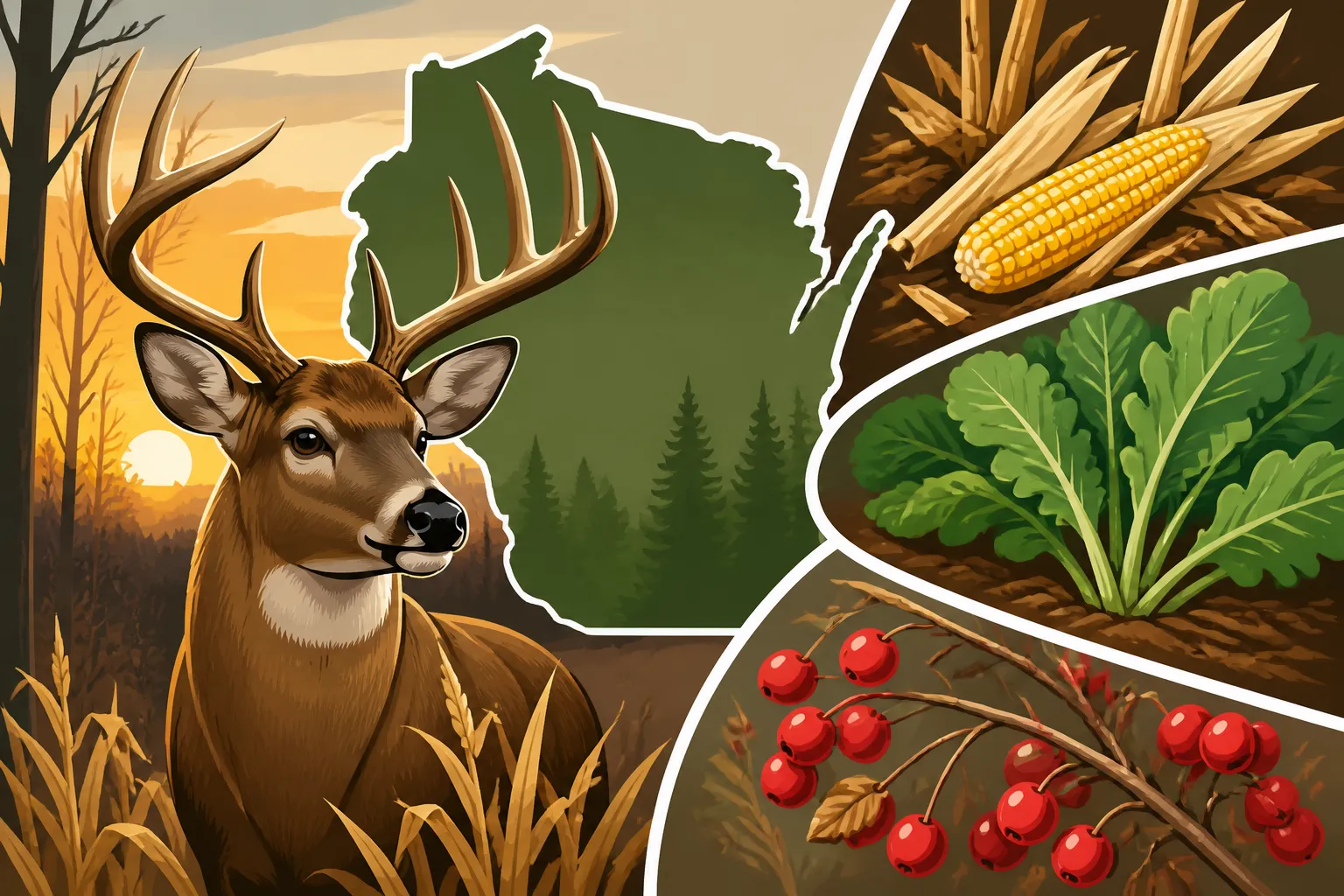
If there's a single food source that consistently draws deer in late-season Wisconsin, it's standing corn. Nothing else provides the same combination of high calories, dense cover, and protection from the elements. Deer will literally live in standing cornfields, especially during harsh weather. The stalks provide a windbreak, and the ears offer an incredible energy boost.
- Finding the Right Field: Not all standing corn is created equal. Deer will often prefer fields that are adjacent to good cover (woods, swamps, thick CRP fields) or those that are less disturbed by human activity. Fields with some natural drainage or subtle elevation changes can also create micro-habitats that deer favor. Using aerial photos, perhaps with a tool like GoHunt's mapping features, to identify large standing cornfields next to heavy cover can be extremely effective.
- Hunting Strategies: Hunting standing corn is a specialized tactic. Deer will feed during low light and often bed deep within the field during the day. Accessing these fields without spooking deer requires careful planning. Sometimes, setting up on an adjacent travel corridor, or using a ground blind on a field edge, can be effective. Consider the wind carefully, as deer will often enter and exit a field with the wind in their favor.
Soybeans and Other Grain Fields
While standing corn is king, soybeans can also be a significant late-season food source, especially if they are still standing and not yet harvested. Deer will eagerly feed on the protein-rich beans. Once harvested, deer will still pick through the stubble, finding dropped beans. This can be especially true if there's an early snow that covers other food, but isn't too deep to prevent pawing.
- Post-Harvest Attraction: Even after harvest, a picked soybean field can still be attractive. Deer will return to glean any remaining beans. These fields can be prime spots for an evening sit, especially if they are close to bedding areas. Similarly, fields of winter wheat or alfalfa, though less common as primary late-season draws, can provide green forage during milder periods or after a thaw. Deer will paw through light snow to access these greens.
- Reading Field Edges: Regardless of the crop, deer tend to enter and exit fields along predictable lines, often using ditches, fencelines, woodlines, or draws. These travel corridors are excellent places to intercept deer. Understanding how deer utilize agricultural landscapes is critical, and the article "Hunting Wisconsin Farmland Deer" can offer more in-depth strategies for this specific environment.
Strategic Food Plots and Supplementation
In areas where natural forage might be limited or in certain agricultural zones, strategic food plots can be absolute magnets for late-season whitetails. However, it's absolutely crucial to understand and adhere to Wisconsin's specific regulations regarding baiting and feeding. Remember, not all food plots are created equal, and some are far more effective in drawing deer when the weather turns truly nasty.
Brassicas: The Late-Season Powerhouse
If you're looking for a food plot crop that truly shines in the late season, look no further than brassicas. This category includes crops like rape, turnips, kale, and radishes. Their magic lies in what happens after a few hard frosts. The cold weather converts the starches in their leaves and bulbs into sugars, making them incredibly palatable and highly attractive to deer.
- Frost-Sweetening Effect: Unlike many other food sources that diminish in appeal with cold, brassicas actually get better. This "frost-sweetening" makes them a premier late-season choice. Deer will literally dig through snow to get to turnip bulbs or graze on kale leaves.
- Placement and Timing: For maximum effectiveness, brassica plots should be planted in areas that receive good sunlight but are also relatively close to secure bedding cover. This allows deer to feed without having to travel far or expose themselves for extended periods. The timing of planting is critical, usually in late summer, to allow for sufficient growth before the cold sets in. It's a great option for hunters looking for "Food Plots Instead of Bait" in areas where traditional baiting is banned.
Winter Rye and Other Green Forage Plots
While brassicas often steal the show, other green forage plots can also play a role. Winter rye and oats, planted in late summer or early fall, will germinate and provide green growth into the colder months. While they won't offer the same caloric punch as brassica bulbs or standing corn, they can still provide essential nutrients, especially protein, when other green options are completely gone.
- Importance of Snow Depth: The effectiveness of winter rye and other green forage plots is highly dependent on snow depth. In years with light snow cover or during mid-winter thaws, deer will readily graze on these plots. However, if deep, crusty snow covers them, they become less accessible. They are often best utilized during milder late-season periods or in conjunction with other high-calorie food sources.
- Soil and Sunlight: Like all food plots, success hinges on good soil preparation, proper fertilization, and adequate sunlight. A well-maintained winter rye plot can provide continuous forage throughout the late season, offering a consistent draw that deer can rely on.
Navigating Wisconsin's Baiting and Feeding Regulations
It's absolutely paramount to understand Wisconsin's baiting and feeding regulations. These rules are in place to help manage deer health and prevent the spread of diseases like Chronic Wasting Disease (CWD). While food plots are generally permitted, placing bait (any material placed to attract deer for hunting purposes) is illegal in many counties, especially those with CWD detections or adjacent counties.
- County-Specific Bans: Wisconsin has very specific county-level baiting and feeding bans, which can change annually. Before planning any food plot or supplemental feeding activity, always check the current Wisconsin DNR regulations for your specific county. The rules are complex, and ignorance is no excuse. This is a critical point that can't be overstated. You can find more detailed information on "Wisconsin Baiting and Feeding Bans".
- Food Plots vs. Baiting: Generally, food plots that are part of normal agricultural or land management practices (i.e., planted, cultivated, and grown) are allowed. However, simply dumping a pile of corn or apples is considered baiting. There's a clear distinction, and understanding it is vital to avoid legal trouble. Always err on the side of caution and consult official DNR guidelines.
Here's a quick reference table for common late-season food sources:
| Food Source Type | Examples | Key Benefits | Late-Season Appeal | Snow Tolerance | Notes |
|---|---|---|---|---|---|
| Agricultural | Standing Corn | High calories, excellent thermal/visual cover | Excellent | High | Top choice in farm country; deer will live in it. |
| Soybeans (standing) | High protein, good calories | Good | Medium | Less cover than corn, but highly nutritious if available. | |
| Alfalfa/Winter Wheat | Green forage, protein | Fair | Low-Medium | Best during mild periods or light snow; deer will paw. | |
| Natural Mast | Acorns (Oak) | High calories, natural draw | Good | Low | Only effective if not picked clean and snow cover isn't too deep. |
| Natural Browse | Cedar, Aspen, Dogwood | Essential survival browse, fiber | Fair-Good | High | Crucial in timbered areas when other foods are buried; look for deer yards. |
| Food Plots | Brassicas (Turnips, Kale) | Frost-sweetened, high energy, highly digestible | Excellent | Medium-High | Becomes more attractive after hard frosts; deer will dig for bulbs. |
| Winter Rye/Oats | Green forage, protein | Fair | Low-Medium | Best during mild spells; can provide a consistent draw if accessible. |
Advanced Scouting and Hunting Tactics for Late-Season Food
Finding late-season food sources is one thing; effectively hunting them is another. Deer are incredibly wary by this point in the season, having been pressured for months. Combining your knowledge of food sources with smart scouting and cautious hunting strategies is essential.
Utilizing Aerial Imagery and Topo Maps
Before you even step foot in the woods, spend time poring over aerial images and topographic maps. Tools like GoHunt's detailed mapping can be invaluable. Look for the junctions of different habitat types: where big timber meets agricultural fields, where cedar swamps transition to oak ridges, or where clearcuts provide dense regeneration. These transition zones often concentrate deer moving between bedding and feeding.
- Identifying Travel Corridors: Deer will use the path of least resistance. Look for pinch points, funnels, creek bottoms, and subtle saddles that connect bedding cover to prime food sources. These are the highways deer use, especially during low light conditions. The article "Reading Aerial Photos for Coulee Deer" offers excellent advice on this front, applicable to any terrain.
- Locating Thermal Cover: In Wisconsin, thermal cover is just as important as food in late season. Dense conifer stands (pines, hemlocks, cedars) offer protection from wind and snow. Deer will often bed in or adjacent to these areas and then move to nearby food sources. Finding bedding cover near a desirable food source is a recipe for success. Don't forget to check out "Where Northern Forest Bucks Bed" for insights into northern deer behavior.
Low-Impact Scouting and Trail Camera Placement
Late-season deer are jumpy. Aggressive scouting can easily push them out of an area. Opt for low-impact scouting, especially during midday when deer are likely bedded. Look for fresh tracks in the snow leading to and from food sources, fresh browse lines, or droppings.
- Strategic Trail Cameras: Trail cameras can be incredibly useful for monitoring late-season feeding patterns without putting human pressure on the deer. Place them on trails leading into food sources, or on the edges of fields or food plots. Keep disturbance to a minimum when checking them. A good time to check is often midday, or right before a major weather front when deer activity might naturally increase.
- Understanding Deer Activity Timelines: Pay attention to when deer are hitting particular food sources. Are they feeding heavily at dusk, making an early morning visit, or even active during midday if the weather is severe enough? This intel is crucial for planning your sits.
Adapting Hunting Tactics to Cold Weather
Hunting late-season food sources demands a different approach than the rut. You'll need to be prepared for the cold, patient, and precise.
- Longer Sits in Comfort: Deer movement can be sporadic. You need to be prepared for an all-day sit if necessary, especially if you're on a productive food source. Invest in quality cold-weather gear, multiple layers, and insulated boots. Don't underestimate the mental game of staying warm and still. Our guide on "Cold Weather Sitting Strategy" provides excellent advice on this.
- Playing the Wind: The wind is always critical, but even more so when deer are concentrated around specific food. Approach your stand with the wind in your favor, and position yourself so your scent isn't blowing directly into the feeding area or travel corridors.
- Hunting the Transition: Deer will often hit food sources right at dusk and dawn. However, you might find success setting up on a well-used trail that connects a bedding area to a food source, aiming to intercept deer as they move to feed or return to bed. This is especially true for "Hunting Wisconsin's Late Archery Season", where strategic placement along transition lines can be key to success.
Ultimately, late-season whitetail hunting in Wisconsin boils down to understanding a deer's primal needs: food and shelter. Find where those two elements converge, respect the regulations, and brace yourself for the cold, and you'll dramatically increase your odds of success.
Disclaimer
The information provided in this guide is for general informational purposes only and is not intended as legal advice. Hunting regulations, seasons, and baiting/feeding bans in Wisconsin are subject to change. Always consult the most current Wisconsin Department of Natural Resources (DNR) regulations and local ordinances before engaging in any hunting activities. Adherence to all applicable laws and safety guidelines is the sole responsibility of the individual hunter.