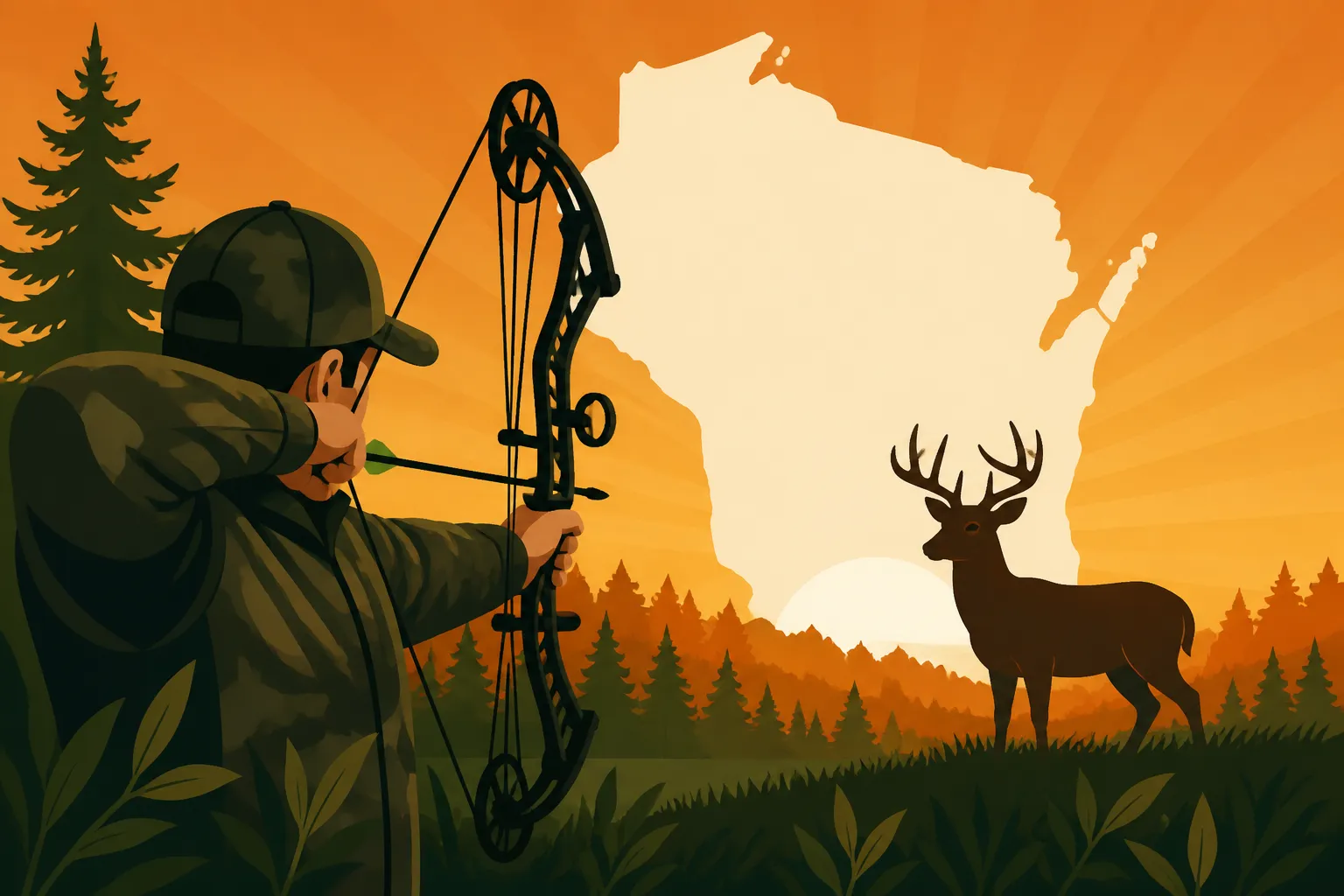
When Wisconsin’s Archery Season Opens
Trying to keep track of all the different hunting season dates in Wisconsin can feel like deciphering an ancient calendar, especially when you're itching to get into the woods. It's frustrating to miss a key date or misunderstand a regulation, potentially costing you precious time afield. This comprehensive guide will walk you through exactly when Wisconsin's archery deer season opens, clarifying all the nuances for both traditional bowhunters and crossbow enthusiasts, so you can plan your hunt with confidence and be ready when that first Saturday arrives.
Pinpointing the Wisconsin Archery Season Opening Date
For many Wisconsin hunters, the archery opener is a sacred day, marking the true beginning of the deer season. It's a time filled with anticipation, careful planning, and the quiet pursuit that defines bowhunting. Knowing this date precisely is the first step in successful season preparation.
The Fixed Annual Opener
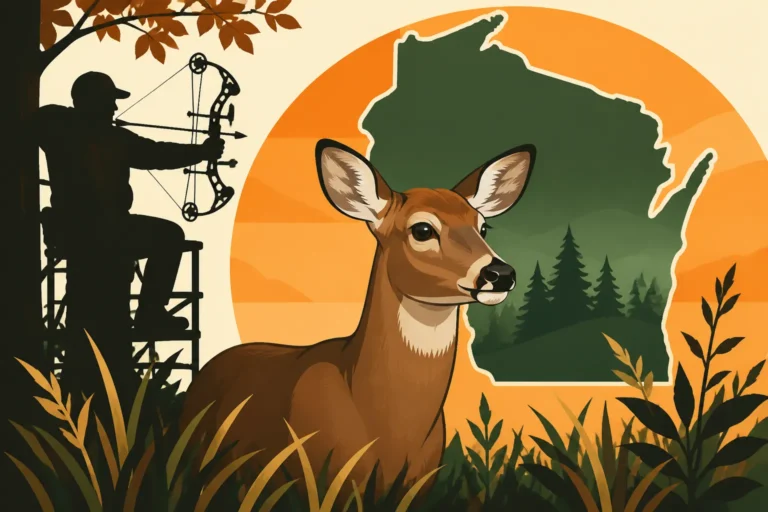
One of the great consistencies in Wisconsin deer hunting is the archery season opener. Unlike some other states or even other hunting opportunities within Wisconsin that might shift slightly year to year, the archery deer season reliably kicks off on the first Saturday closest to September 15th. This means you can pretty much mark your calendar well in advance, giving you ample time to get your gear in order, dial in your bow, and scout your chosen hunting grounds. It's a date many of us look forward to with intense eagerness, signaling the shift from summer dreams to fall realities.
The Wisconsin Department of Natural Resources (DNR) maintains this consistent opening date for several practical reasons. Primarily, it allows hunters to capitalize on deer still operating under relatively predictable summer patterns, focusing heavily on available food sources and water. It's also a time when the weather, while sometimes still warm, generally begins to cool, making for more comfortable hunting conditions compared to the dog days of August. This mid-September timing also precedes the main push of the rut, offering a different challenge and set of tactics for bowhunters before the craziness of November. Checking the official DNR regulations or utilizing a reliable mapping and information platform like GoHunt can help confirm the exact date for the current year, ensuring you're always up-to-date.
Historically, this timing has proven effective for managing the deer herd and providing a long, diverse hunting opportunity. While there are always discussions about potential changes, this mid-September opener has been a cornerstone of Wisconsin's deer hunting heritage for decades. It gives hunters a solid two months before the gun season, allowing for a long stretch of archery-only hunting where the woods are quieter and deer behavior is largely dictated by their daily needs for sustenance and safety, rather than breeding urges. This consistent framework helps both new and seasoned hunters plan their entire season, from early food-focused sits to later rut strategies.
Crossbows Join the Archery Ranks
If you're wondering if crossbows have a different opening date, you'll be pleased to know they don't. Wisconsin's regulations are very clear: the crossbow season opens concurrently with the traditional archery season, on that same first Saturday closest to September 15th. This unified opening streamlines the experience for all vertical and horizontal bowhunters, making season planning much simpler and ensuring everyone starts on an equal footing.
The integration of crossbows into the general archery season has been a significant shift in Wisconsin hunting regulations over the past decade. Initially, crossbows had more restricted use, often requiring specific permits or being reserved for hunters with disabilities or those over a certain age. However, recognizing their growing popularity and accessibility, the DNR moved to allow them for all hunters during the regular archery season. This decision was met with mixed reactions, but it has undeniably opened up bowhunting opportunities to a wider demographic, allowing more people to experience the challenges and rewards of the long archery season. For those interested in the nuances of equipment, we have a detailed guide on Crossbow Versus Vertical Bow in Wisconsin that delves into the pros and cons of each.
What this means for you, regardless of your preferred bow type, is that the preparation timeline and early season strategies are essentially the same. You'll need the same archery license, and the regulations regarding deer harvest authorizations (tags) apply equally to both. This eliminates any confusion about different start times or separate licensing requirements once you've committed to a bowhunting method. It simply means more options for more hunters, all united by that exciting mid-September opening day.
Navigating the Early Archery Season Environment
Stepping into the Wisconsin woods in mid-September is a distinctly different experience than hunting during the frigid November rut. The leaves are still largely green, the air can be surprisingly warm, and the insects might still be buzzing. Understanding these environmental factors and how deer react to them is crucial for early season success.
Decoding September Deer Behavior
During the initial weeks of archery season, Wisconsin whitetails are still predominantly in their late-summer patterns. This means their primary focus remains on food and water, with a strong emphasis on packing on calories before the lean winter months and the energy demands of the rut. You're less likely to see bucks cruising extensively for does, and more likely to find them in bachelor groups or solitary, moving between bedding areas and preferred feeding locations.
Prime feeding areas in September often include agricultural fields such as standing corn, alfalfa, and soybeans, especially in the state's farmland zones. In timbered areas, deer will be actively seeking out soft mast (apples, pears, wild plums) and, critically, hard mast like acorns if it's a good mast year. If the acorns are dropping heavily, those oak ridges can be absolute hotspots. It's also a time when water sources, especially during warmer spells, can be magnets. Understanding deer movement related to these resources is key. We've previously covered tactics for Hunting After an Acorn Failure, which can be very relevant if your primary oak stands aren't producing. Conversely, knowing how to approach Hunting a Standing Cornfield in Farm Country will be invaluable in many areas.
Their movement patterns are often concentrated during the cooler parts of the day – early mornings just after dawn and late afternoons leading into dusk. Midday activity will likely be minimal, with deer bedded down to escape heat and pressure. This dictates your hunting hours; focus on those twilight periods rather than trying to sit all day. Your scouting efforts should be geared towards identifying these food-to-bedding travel corridors and finding fresh sign, such as tracks, droppings, and early rubs (though serious rub lines are usually a sign of the pre-rut, which is still a few weeks away).
Scouting and Stand Strategy for Warm Weather
Effective pre-season scouting is paramount for early archery success. With the consistent opening date, you have the advantage of knowing exactly when you need to be ready. Use the weeks leading up to the opener to locate fresh deer sign near reliable food sources and water. Look for well-used trails, fresh droppings, and perhaps some early rubs or scrapes. Pay attention to pinch points, funnels, and subtle terrain features that might direct deer movement between feeding and bedding areas. Platforms like GoHunt with their detailed mapping layers can be indispensable for this, allowing you to mark observations and identify promising areas without even stepping foot in the woods initially. For a deep dive into year-round preparation, check out our guide on Scouting Wisconsin Public Land Before Season.
When setting up your treestands or ground blinds for early season, several factors become particularly important due to the warmer weather and dense foliage. Consider shade for both yourself and potential deer movement paths. Deer will often choose shaded routes during warmer afternoons. Crucially, pay close attention to thermals in the mornings and evenings, as they can pull your scent directly into bedding or feeding areas if not managed properly. Access routes should be as low-impact as possible, allowing you to get in and out undetected. Setting up stands along transitional cover, where deer might stage before entering a field, is often more effective than setting up directly on the field edge. You can learn more about general stand considerations in our article on Treestand Setups in Wisconsin Hardwoods.
Scent control is absolutely non-negotiable in early season. With warmer temperatures, human odor can be carried further and persist longer. Be meticulous with scent-free detergents, sprays, and storage. Consider wearing lightweight, breathable clothing that can wick away sweat, and have a plan for getting to your stand without working up a sweat. Mosquitoes and other biting insects can also be a significant nuisance, so having a good insect repellent or a Thermacell unit can make a huge difference in your comfort and ability to stay focused.
Essential Gear and Regulations for the Archery Opener
Being prepared for the Wisconsin archery opener means more than just knowing the date; it means having your gear ready, understanding the legalities, and ensuring your personal safety. A little preparation now can prevent a lot of frustration later.
Dialing in Your Bow and Broadheads
The weeks leading up to the archery opener are prime time for ensuring your bow or crossbow is perfectly tuned. For vertical bowhunters, this involves checking your string and cables for wear, verifying cam timing, and ensuring your arrow rest and sights are precisely aligned. Shoot plenty of arrows at varying distances to confirm your pin gaps and ensure repeatable accuracy. For crossbow users, check your string, rail, and scope, and ensure your bolts are flying consistently. Don't wait until the last minute to discover a creaking limb or a misaligned sight.
Broadhead selection and practice are equally critical. Whether you prefer fixed-blade or mechanical broadheads, you absolutely need to shoot them before hunting. Fixed-blade broadheads sometimes fly differently than field points, requiring adjustments or tuning. Mechanical broadheads generally fly like field points but it's still wise to confirm. Make sure your broadheads are razor-sharp; a dull broadhead is a disservice to the animal and drastically reduces your chances of a clean, ethical kill. We have a detailed piece on Bow Draw Weight for Wisconsin Whitetails which can also provide insights into preparing your equipment for the season. Remember, a well-tuned bow and sharp broadheads are your best tools for success and humane hunting.
Licensing and Hunter Safety Basics
To participate in Wisconsin's archery deer season, you'll need the appropriate licenses and authorizations. All hunters, whether resident or nonresident, must purchase a Wisconsin Archery or Archery/Crossbow license. This single license covers both weapon types. In addition to the base license, you'll also need a deer harvest authorization (often called a tag). Every hunter gets one "Conservation Deer" authorization for an antlered deer statewide. Depending on your chosen Deer Management Unit (DMU) and its quota, you may also be able to purchase additional "Bonus Antlerless" authorizations for either public or private land. The specific availability and cost of these antlerless tags can vary by county and management zone, so it's vital to check the current year's regulations. Platforms like GoHunt are linked directly to the state's Go Wild system, making it easy to purchase your licenses and check availability. For a full breakdown of costs and options, see our article on Wisconsin Hunting Licences and What They Cost.
Youth hunters in Wisconsin have excellent opportunities, and the mentored hunting program allows uncertified hunters of any age to hunt under the direct supervision of a licensed adult. This is a fantastic way to introduce new hunters to the sport safely. We cover the specifics in Wisconsin Hunter Safety and Mentored Hunting.
Regarding blaze orange or fluorescent pink, here's a crucial point for archery season: Blaze orange/pink is NOT required for bowhunters during the archery-only portion of the deer season (mid-September through mid-November). However, it is highly recommended when walking to and from your stand, especially if you're on public land or in an area with high activity, to make yourself visible to other hunters. Once the gun deer season opens in November, all deer hunters, including those hunting with a bow, are required to wear blaze orange or pink. Familiarizing yourself with these rules, detailed in How Much Blaze Orange Wisconsin Requires, is essential for safety and legal compliance.
Here's a quick overview of key dates and requirements:
| Item | Details |
|---|---|
| Archery Season Opener | First Saturday closest to September 15th (e.g., September 14, 2024; September 13, 2025) |
| Weapon Types Allowed | Vertical Bow (recurve, compound) and Crossbow |
| Required License | Wisconsin Archery or Archery/Crossbow License |
| Deer Authorizations | Statewide Antlered Deer authorization included; Bonus Antlerless tags available by DMU/county |
| Blaze Orange/Pink | NOT required during archery-only periods (Sept-mid-Nov); REQUIRED during gun deer seasons (mid-Nov-Jan) |
| Primary Focus | Deer still on summer patterns, concentrating on food (ag fields, acorns) and water. |
| Hunter Safety | Required for all hunters born after Jan 1, 1973; Mentored hunting available for uncertified hunters. |
Beyond Opening Day: The Full Archery Journey
While the opening day is undeniably exciting, it's just the beginning of a long and diverse archery season in Wisconsin. Understanding how the season progresses and how deer behavior changes can help you stay successful well beyond those initial September hunts.
The Marathon, Not the Sprint
Wisconsin's archery season is one of the longest in the nation, running from that mid-September opener all the way through the first Sunday in January. This incredible duration offers hunters a chance to experience deer hunting through various phases, from the relatively predictable early season to the chaotic peak rut and into the challenging late-season cold. It truly is a marathon, demanding adaptability and patience from hunters who want to succeed throughout. You can get a more complete picture of the entire duration in our detailed guide, Wisconsin's Archery and Crossbow Seasons Run.
As the season progresses, deer behavior undergoes significant transformations. The early season focus on food and water gradually shifts into the pre-rut, typically in late October, when bucks start to become more active, rubbing trees and making scrapes, and scent-checking for the first receptive does. This transition is a fantastic time to be in the woods, as covered in Hunting the Pre-Rut in Late October. Then comes the peak rut in early to mid-November, where bucks are actively chasing and breeding, often throwing caution to the wind. This period, thoroughly discussed in Hunting the Peak Rut Week in Wisconsin and Hunting the Wisconsin Rut in November, is often considered the most exciting time to hunt. Finally, after the gun season and into December and January, deer return to a strong focus on readily available food sources to recover from the rut and prepare for winter. Each phase requires a different set of tactics, scouting priorities, and patience.
Coexisting with Other Seasons
One unique aspect of Wisconsin's archery season is its overlap with other major deer hunting seasons. The archery season remains open during the popular nine-day gun deer season in November, as well as the later muzzleloader and holiday antlerless hunts. This overlap can be a blessing and a curse. While it offers continuous hunting opportunities, it also introduces significant changes in deer behavior and hunter presence. You can find more information about the gun season in Wisconsin's Nine-Day Gun Deer Season.
During these firearms seasons, if you're hunting with a bow, you are required to wear blaze orange or fluorescent pink, just like gun hunters. This is a critical safety rule that cannot be overlooked. The increased hunter pressure during gun seasons can push deer into thicker cover and more secluded areas, often changing their daytime patterns. As an archery hunter, you might need to adapt your strategies, focusing on escape cover, overlooked pockets of habitat, or hunting immediately after the gun season when deer might be settling back into a routine but are still wary. The late season, particularly the Holiday Antlerless Hunt and the extended archery season into January, can offer fantastic opportunities for those willing to brave the cold and target remaining food sources. Many hunters find success filling their freezer with venison by utilizing Late Antlerless Hunting in Wisconsin strategies. Always double-check the GoHunt app or official DNR website for any specific zone restrictions or regulation changes that might occur throughout this extended period.
Disclaimer
The information provided in this guide is for general informational purposes only and is subject to change. Hunting regulations, season dates, and licensing requirements can be updated by the Wisconsin Department of Natural Resources. Always consult the official Wisconsin DNR regulations and current year handbooks before planning and participating in any hunting activity.