Freezing and Shipping Game Meat
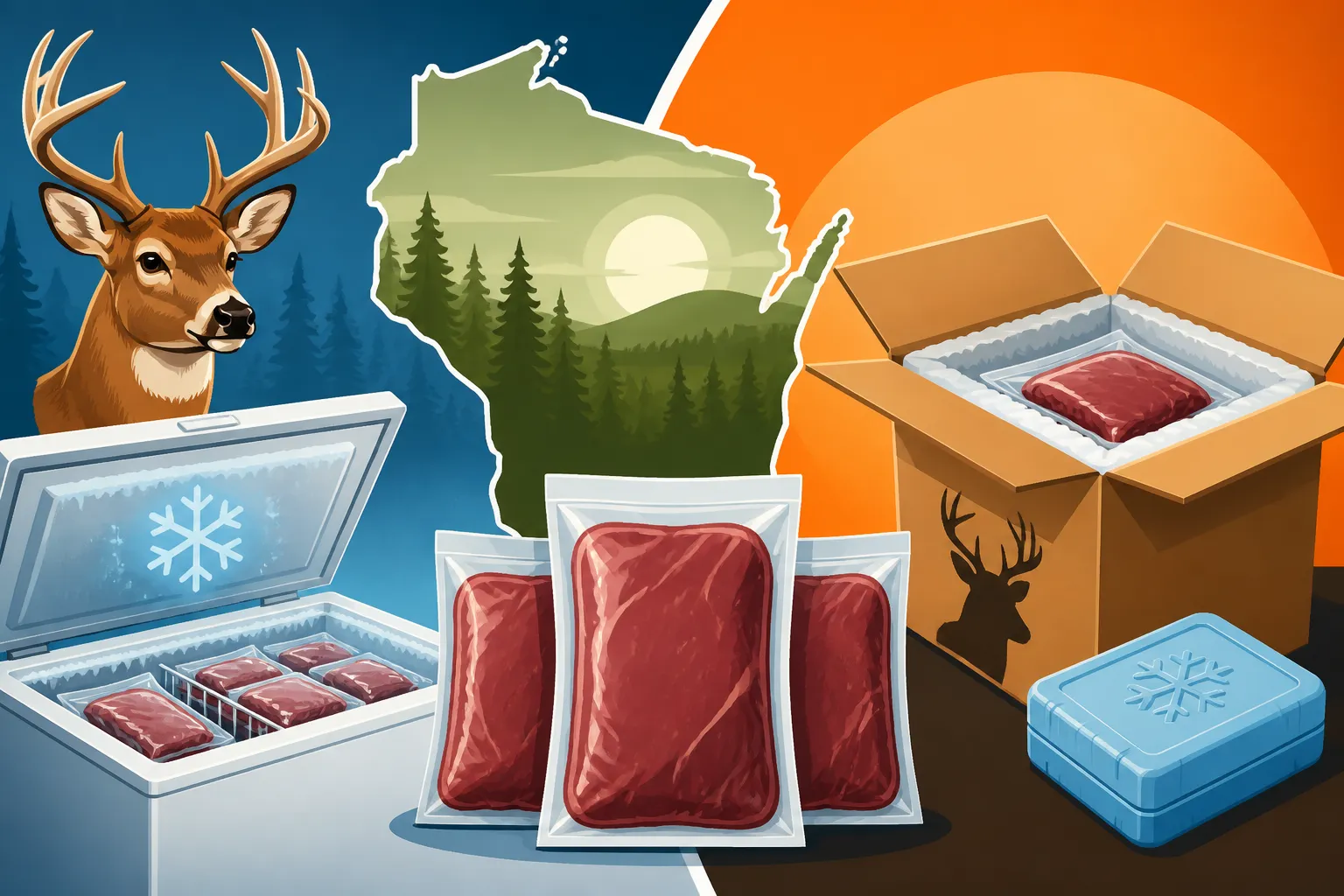
The satisfaction of a successful hunt in Wisconsin is hard to beat, but the real work often begins after the shot. You've put in the time, learned the land, and made the ethical harvest – now what? For many hunters, especially those traveling a long distance or with limited freezer space, the challenge becomes preserving that hard-earned meat and getting it safely back home or to family and friends. It's a logistical puzzle that can feel daunting, but it doesn't have to be. This guide will walk you through the best practices for freezing and shipping your game meat from Wisconsin, ensuring your harvest makes it to your table in prime condition, regardless of the miles.
Essential Steps for Freezing Your Game Meat Properly
Once your game is down and tagged, the clock starts ticking on meat care. The quality of your table fare is directly linked to how quickly and cleanly you process and cool the animal. Neglect these initial steps, and no amount of fancy packaging or expedited shipping will make up for it. Think of it as the foundation of your entire meat preservation strategy.
From Field to Freezer: Initial Care and Processing
The first and most critical step in preserving your game meat actually happens out in the field. Rapid cooling of the carcass is paramount, especially during early archery seasons when temperatures can still be quite warm. Getting the entrails out quickly allows the body cavity to cool down, slowing bacterial growth. For deer, this means an immediate field dress. If you're hunting in particularly warm weather, consider quartering the animal and getting the meat into coolers with ice as soon as possible. This rapid temperature drop is the single most important factor in preventing spoilage and ensuring tender, delicious meat.
Once back at camp or your processing station, cleanliness is key. Remove the hide promptly, meticulously trim away any hair, dirt, or bloodshot areas. Many hunters opt to remove all silver skin, fascia, and excess fat before freezing, as these can contribute to a gamy flavor and a less pleasant eating experience over time. Breaking the animal down into primary cuts like roasts, steaks, and trim for ground meat at this stage is also beneficial. This allows for more uniform packaging and easier meal planning later on. For a deeper dive into the initial steps, you might find guidance in articles like Field Dressing a Deer in Cold Weather or Butchering a Deer at Camp.
Choosing the Right Packaging for Long-Term Storage
The enemy of frozen meat is air, and specifically, the freezer burn that air exposure causes. Freezer burn is dehydration, leading to tough, dry, and off-flavored spots on your meat. To combat this, proper packaging is non-negotiable for long-term storage. The undisputed champion for preventing freezer burn is vacuum sealing. A good quality vacuum sealer removes all the air from around the meat, creating an airtight seal that can keep your game fresh for a year or more, sometimes even longer. This method not only extends shelf life but also prevents moisture loss, keeping the meat's texture and flavor intact.
If you don't have a vacuum sealer, heavy-duty freezer bags are a decent alternative, but they require a bit more effort. To minimize air, place the meat in the bag, then slowly immerse the bag (leaving the opening above water) into a tub of water. The water pressure will push most of the air out. Then, seal the bag tightly. For added protection, consider double-bagging. Another traditional method is using specialized butcher paper, which is coated to be moisture-resistant. When using butcher paper, wrap the meat tightly, folding the edges over and creating a "drugstore wrap" to form a secure, air-tight package. Ensure there are no gaps or loose edges. Regardless of the method, always label your packages with the type of meat (e.g., deer backstrap, bear roast), the cut, and the date it was frozen. This seems simple, but it's a lifesaver when you're rummaging through a freezer full of mysterious white packages months later. Thinking about initial storage options, you might recall discussing Coolers and Game Bags for Early Archery, and these principles extend to your freezer.
The Freezing Process and Maximizing Shelf Life
Once your meat is meticulously packaged and labeled, it's ready for the freezer. However, there's a right way and a wrong way to put it away. Avoid stacking large quantities of unfrozen meat directly on top of each other. This can create an insulating effect, causing the center of the pile to freeze slowly, which can negatively impact meat quality by forming larger ice crystals that damage cell structure. Instead, spread out your packages in a single layer in the coldest part of your freezer until they are solidly frozen. Once frozen, you can stack them to save space.
Maintaining a consistent freezer temperature of 0°F (-18°C) or colder is crucial for maximum shelf life. Fluctuations in temperature can lead to partial thawing and refreezing, which again contributes to larger ice crystals and freezer burn. While properly packaged and frozen game meat can last for well over a year, consuming it within 6-12 months is generally recommended for optimal flavor and texture. Regularly check your freezer seals and defrost when necessary to ensure peak efficiency.
Preparing Your Harvest for Safe and Legal Shipment
Shipping game meat, whether to your home out of state or to friends and family across Wisconsin, involves a few more layers of planning than simply freezing it. You're not just dealing with temperature control; you're also navigating regulations and logistics. A little foresight here can prevent major headaches later.
Understanding Wisconsin's Rules and Shipping Regulations
Before you even think about putting that game meat in a box, you absolutely must be clear on the legalities. Every hunt requires proper tagging and registration, and these records are fundamental if you plan to transport or ship your meat. Ensure you understand Wisconsin Deer Registration Rules and keep any necessary documentation readily accessible. If you're shipping across state lines, the rules become even more stringent. While Wisconsin has its own regulations, the receiving state will also have its own set of laws regarding the import of game meat, especially concerning wildlife diseases like Chronic Wasting Disease (CWD). You need to be aware of Wisconsin Carcass Transport Rules and how they might affect your shipment.
A quick check of resources like the Wisconsin DNR website is always your first stop. Many states have restrictions on specific parts of an animal (like brain, spinal column, or lymph nodes) that can carry CWD, which might influence how you process the meat you intend to ship. Don't assume anything; always verify the current regulations for both the originating state (Wisconsin) and the destination state. Using a comprehensive hunting planning platform like GoHunt, which often aggregates or links to state regulations, can also be a helpful tool for keeping track of these vital details and planning your hunts and subsequent meat handling.
Selecting the Best Shipping Containers and Coolants
The right shipping container is your first line of defense against temperature fluctuations. Insulated coolers are non-negotiable. While thick-walled Styrofoam coolers can work for shorter trips, a heavy-duty, roto-molded cooler offers superior insulation and durability for longer journeys. The thicker the walls, the better it will maintain internal temperatures. Make sure the cooler is clean and has a tight-fitting lid.
For coolants, you generally have two main choices: dry ice or gel packs. Dry ice is exceptionally cold (around -109°F) and sublimates (turns directly into gas), so there's no liquid mess. However, it requires careful handling (always wear gloves!) and proper ventilation, and many shipping carriers have specific rules for shipping with dry ice, often classifying it as a hazardous material. Gel packs, on the other hand, are safer to handle and reusable, but they don't get as cold as dry ice and will eventually thaw into a liquid. For longer shipments, a combination of both might be ideal, or exclusively dry ice for maximum cold retention. Whatever you choose, ensure you have enough to keep the meat solidly frozen for the entire expected transit time, plus a buffer for potential delays. For general tips on how to outfit yourself for the season, consider referring to Meat Care Gear for Wisconsin Hunters.
Strategic Packing for Temperature Control
Packing your cooler strategically is almost as important as the coolants themselves. The goal is to minimize empty air space, as air can quickly warm up and compromise your frozen meat. Start with a layer of dry ice or frozen gel packs at the bottom of your cooler. Then, tightly pack your individually wrapped and frozen meat packages, leaving as little space between them as possible. For very large shipments, you might place some coolant in the middle layers as well. Fill any remaining voids with crumpled newspaper, insulation, or even more small gel packs to further reduce air movement.
Once the meat is packed, add another generous layer of dry ice or gel packs on top. Line the entire inside of the cooler with a heavy-duty plastic bag before packing to contain any condensation or potential leaks from gel packs, especially if you're concerned about carrier regulations or the cleanliness of your cooler. Seal this inner bag securely with strong tape. Finally, tape the cooler lid shut with heavy-duty packing tape. Clearly label the exterior of your cooler with your contact information, the recipient's information, and a "PERISHABLE" or "FROZEN GAME MEAT" sticker. This comprehensive approach ensures that your meat stays as cold as possible for its journey.
Navigating Carriers and Ensuring a Smooth Delivery
Once your game meat is properly frozen and packed, the next hurdle is getting it into the hands of a reliable shipping carrier. This stage demands attention to detail regarding timing, communication, and understanding the nuances of perishable shipments. Just like you use GoHunt to scout new areas or track deer movement, careful planning is essential when it comes to preserving your harvest.
Choosing a Reliable Shipping Service
When shipping perishable goods like game meat, speed and reliability are your top priorities. Look for carriers that offer expedited shipping options, such as overnight or two-day delivery. While these services come with a higher price tag, the cost of a spoiled shipment is far greater than the premium for faster transit. Research the major shipping carriers and their specific policies regarding perishable goods and dry ice. Some carriers have stricter regulations or require special handling fees for dry ice shipments. Confirm these details before you arrive at the shipping counter, as rules can vary and a rejected package can cause significant delays and potential spoilage.
Consider also the carrier's reputation for on-time delivery in the specific areas you are shipping to and from. A service that performs well in urban areas might have different timelines or service levels in more rural parts of Wisconsin or your destination state. While I can't recommend a specific company, focusing on services known for their express package delivery will generally be your best bet to ensure your meat arrives quickly and safely.
Timing, Tracking, and Recipient Communication
Timing is crucial when shipping game meat. Always aim to ship earlier in the week, typically Monday or Tuesday. This minimizes the risk of your package getting stuck in a warehouse over a weekend duein case of unforeseen delays or missed connections. Shipping on a Friday, for example, could mean your frozen meat sits in transit for three days or more, significantly increasing the chances of thawing.
Clear and proactive communication with your recipient is equally important. Notify them of the expected arrival date and time, provide them with the tracking number, and emphasize the need for immediate unpacking and storage upon arrival. Ask them to confirm receipt. Monitoring the tracking information yourself is also a good practice, allowing you to react quickly if there are any unexpected delays. Platforms like GoHunt also offer a wealth of community knowledge and shared experiences, which can sometimes provide informal tips on local carrier reliability or best practices for specific areas.
Special Considerations for Interstate or Complex Shipments
If your game meat is traveling across state lines, you need to be acutely aware of any specific import regulations of the receiving state. This goes beyond just general meat transportation; some states have very strict rules about importing game, particularly if it originates from an area known to have wildlife diseases like CWD. For instance, some states might prohibit the import of certain carcass parts (like brain or spinal column material) or even whole carcasses, requiring the meat to be deboned before entry.
It's your responsibility to research these destination state rules well in advance. Ignoring them can lead to your shipment being seized, discarded, or even result in legal penalties. When in doubt, err on the side of caution: debone the meat, remove all lymph nodes and nervous tissue, and only ship muscle tissue. This minimizes potential issues and ensures a smoother process.
Maximizing Your Game Meat's Shelf Life Post-Shipment
The journey doesn't end when the package arrives. How the recipient handles the game meat immediately upon arrival can make all the difference in preserving its quality and ensuring it's ready for the dinner table.
Receiving and Storing Upon Arrival
As soon as the shipped game meat arrives, the recipient should immediately transfer it to a freezer or refrigerator. The first step is to inspect the packaging. Has the cooler remained sealed? Are the inner plastic bags intact? Is the meat still solidly frozen, or has it begun to thaw? If the meat is still frozen solid, it can go straight into the freezer. If it's partially thawed but still very cold (below 40°F / 4°C), it can be refrozen, though there might be a slight compromise in texture. If it feels warm to the touch or has fully thawed, it should be cooked immediately or, if there's any doubt about its safety, discarded. Better safe than sorry when it comes to wild game.
If any of the original packaging has been compromised (e.g., a vacuum seal broken, a freezer bag torn), it's a good idea to re-package the affected portions to prevent freezer burn during storage. This diligent approach upon arrival ensures that all your hard work in the field and through the shipping process doesn't go to waste.
Safe Thawing and Culinary Tips
When you're ready to enjoy your game meat, proper thawing is essential for both food safety and maintaining quality. The safest method for thawing is in the refrigerator. This slow, gradual thaw minimizes moisture loss and keeps the meat at a safe temperature throughout the process. Depending on the size of the cut, this can take anywhere from 24 to 72 hours, so plan ahead. For faster thawing, you can place vacuum-sealed packages or tightly wrapped meat in a cold water bath, changing the water every 30 minutes to keep it cold. Never thaw meat at room temperature, as this allows bacteria to multiply rapidly on the surface while the center remains frozen.
Once thawed, game meat should be cooked within 1-2 days, similar to domestic meats. Cooking game to the appropriate internal temperature is crucial for safety. For venison and other whole muscle cuts, cooking to medium-rare (130-135°F) is often preferred for tenderness, but ground meat should always be cooked to 160°F. If you're interested in refining the flavor of your harvest before freezing, you might explore techniques covered in Aging Venison in Cold Weather, which can tenderize and enhance the meat's culinary appeal.
| Feature | Dry Ice | Gel Packs |
|---|---|---|
| Temperature | Extremely cold (-109°F / -78°C), keeps meat rock-solid frozen | Typically around 0°F (-18°C) or colder, maintains frozen state |
| Longevity | Longer lasting, sublimes (turns to gas, no liquid mess) | Thaws over time, turns to liquid, can be refrozen |
| Weight | Lighter per cooling power, doesn't add much to package weight | Heavier, can add significant weight to overall package |
| Handling | Requires gloves, proper ventilation, special labeling (HAZMAT) | Safer, no special handling required, generally non-toxic |
| Availability | Less common, may require specialized suppliers or larger stores | Widely available at most retailers, reusable for convenience |
| Shipping Rules | Specific carrier rules and potential HAZMAT fees apply | Generally fewer restrictions from shipping carriers |
| Ideal Use | Long transit times, very sensitive or large volume frozen shipments | Shorter transit times, supplemental cooling, or when dry ice isn't feasible |
Disclaimer
This article is for general informational purposes only and does not constitute professional advice. Laws, prices and regulations vary by location and change over time. Consult a qualified professional for guidance on your specific situation.