Game Bags for Warm September Days
The early archery season in Wisconsin, often kicking off in September, brings with it a unique set of challenges. While the thrill of chasing whitetails is palpable, the lingering warmth of late summer can quickly turn a successful hunt into a heartbreaking loss if you're not prepared for proper meat care. This guide is all about tackling that exact problem: ensuring your hard-earned venison stays cool, clean, and delicious, especially when those September days are surprisingly warm.
The Early Season Challenge: Why Heat is Your Biggest Enemy
There's nothing quite like the crisp air of a Wisconsin autumn, but let's be real – September can often feel more like an extension of summer, especially during the middle of the day. You've worked hard, you've made a great shot, and now you have a deer on the ground. Your adrenaline is pumping, the excitement is high, and the last thing you want to think about is microbiology. But ignoring the heat during early archery season is arguably the biggest mistake a hunter can make when it comes to venison quality.
Understanding Ambient Temperatures and Core Meat Heat
Even if the thermometer reads a "comfortable" 60 degrees Fahrenheit, that's still well within the danger zone for rapid bacterial growth on fresh meat. Consider this: an animal's body temperature is around 101 degrees Fahrenheit when it's alive. After the shot, that internal heat doesn't just vanish. It stays trapped within the carcass, especially with the hide still on, effectively slow-cooking the meat from the inside out. This creates a perfect incubator for bacteria to multiply, and the warmer the ambient air, the faster this process accelerates.
Many hunters, caught up in the moment, might delay field dressing or hide removal, thinking an hour or two won't make a difference. However, during these warmer months, every minute counts. The goal is to get that core temperature down as quickly as humanly possible, which means removing heat-trapping elements like guts and hide with urgency.
The Risk of Spoilage and Off-Flavors
When meat spoils, it's not just a subtle change; it's a breakdown of the tissue by bacteria, leading to irreversible damage. You might encounter what's often vaguely referred to as "gamey" meat, but more often than not, it's simply meat that has begun to sour or spoil due to inadequate cooling. This can manifest as an unpleasant odor, a slimy texture on the surface, or a greenish discoloration, particularly in areas like the hindquarters or neck where heat can be slow to dissipate.
All the effort you put into Bowhunting Wisconsin's Long Archery Season, from scouting to shot placement, is utterly wasted if the meat isn't cared for immediately and correctly. The goal is fresh, clean, delicious venison for the table, not something you have to cut around or, worse, discard entirely. Don't let your trophy become a tragedy because of a few hours in the sun.
Beyond Temperature: Insects and Debris
Beyond the internal heat, September also means a thriving population of insects. Flies, wasps, and other critters are still very active, especially drawn to fresh blood and meat. If exposed, they will quickly lay eggs or contaminate the meat with bacteria from their travels. These tiny invaders can compromise the hygiene and safety of your venison almost as fast as heat can.
Moreover, the process of field dressing, gutting, and quartering an animal in the woods inevitably involves dirt, leaves, pine needles, and other bits of forest debris. Without proper protection, this foreign material can easily adhere to the exposed meat surfaces, requiring more trimming later and potentially introducing further contaminants. Keeping your meat clean from the moment it leaves the animal is crucial for both taste and health.
The Game Bag Solution: More Than Just a Sack
Enter the humble game bag. For many seasoned hunters, these aren't just an accessory; they're an essential part of the early season gear kit. Thinking of a game bag as merely a "sack" to hold meat misses the entire point of their design and function, especially when dealing with warmer temperatures. They are a critical tool in the cold chain, bridging the gap between field dressing and your cooler or butcher.
Breathability and Air Circulation
One of the primary benefits of a good game bag is its breathability. Unlike plastic bags, tarps, or even cheap cloth, specialized game bags are designed with materials that allow air to circulate freely around the meat. This airflow is absolutely vital for cooling. As the internal heat of the carcass dissipates, the circulating air helps carry that warmth away, bringing the meat's temperature down closer to ambient conditions. If you wrap meat in something non-breathable like a plastic garbage bag, you're essentially creating a sweat lodge for bacteria, trapping heat and moisture, which only accelerates spoilage.
When you hang quartered and bagged meat in a shady, breezy spot, the breathable fabric maximizes this cooling effect. This is why you'll often see experienced hunters with their game bags hoisted high, catching any available breeze.
Protection from Pests and Contaminants
Game bags serve as an indispensable barrier against the relentless onslaught of insects. Once your animal is field dressed and quartered, the last thing you want is for flies to land and lay eggs on the exposed muscle tissue. A good game bag, with its fine mesh or tightly woven fabric, acts as a physical shield, keeping flies, wasps, and other opportunistic insects away from your precious meat. This dramatically reduces the risk of contamination and ensures your venison remains free of maggots or other insect-borne issues.
Beyond insects, game bags also offer protection from environmental contaminants. When you're Dragging a Deer Up a Coulee Wall or hauling quarters out of a swamp, dirt, dust, leaves, twigs, and other forest debris are everywhere. Bagging your meat ensures it stays clean, minimizing the amount of trim work you'll need to do later and maintaining better hygiene throughout the entire process.
Ease of Transport and Hygiene
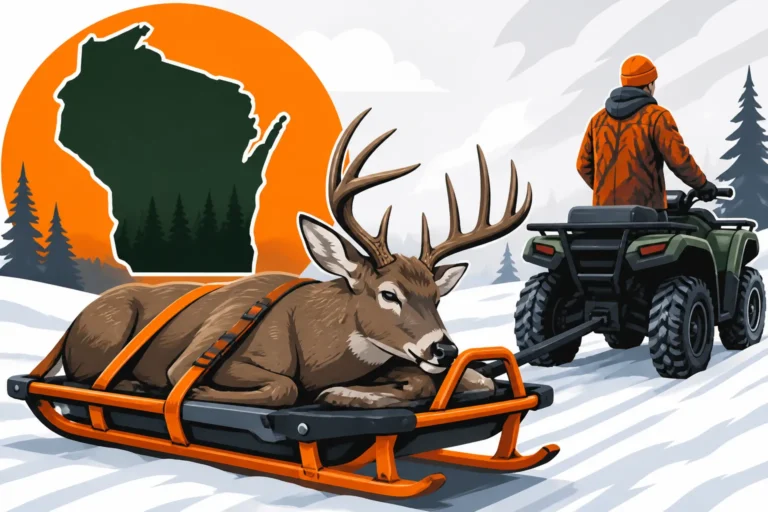
Transporting an entire deer can be a monumental task, especially if you're deep in public land or navigating challenging terrain. Breaking the animal down into quarters, backstraps, and other prime cuts, and then bagging them, makes the whole operation far more manageable. Each bagged portion becomes an easier load to carry, whether you're using a Frame Packs for Boning Out a Deer or strapping them to a Deer Carts on Forest Roads. This is particularly true for Wisconsin's vast public lands, where vehicle access might be limited.
Moreover, bagging your meat significantly improves hygiene during transport. Instead of tossing bloody, dirty quarters directly into your vehicle, which can lead to lingering odors and difficult clean-up, bagged meat keeps everything contained. This prevents blood and debris from getting on your seats, floor, or other gear, making for a much cleaner trip home and a happier hunting partner or spouse! Many hunters find resources on GoHunt helpful for gear selection, including how many bags to pack and reviews of their performance in various conditions.
Choosing the Right Game Bags for Wisconsin's Early Archery Season
With the importance of game bags firmly established, the next step is to understand that not all bags are created equal. The market offers a variety of options, and choosing the right one can make a significant difference in the success of your warm-weather meat care strategy. Considerations like material, size, and whether you prefer reusable or disposable bags all play a role in finding your ideal setup.
Material Matters: Cotton vs. Synthetic
The material of your game bag is perhaps the most critical factor, influencing breathability, durability, and cleanliness.
- Cotton Stockinette Bags: These are the traditional, often white, stretchy bags you'll find at many sporting goods stores.
- Pros: They are generally inexpensive and widely available, making them a budget-friendly option. They offer decent breathability when dry and clean.
- Cons: Cotton is a heavy material when wet and tends to absorb blood and moisture, which can actually hinder cooling if the bag becomes saturated. They are also less durable, often prone to tearing, and can be difficult to clean effectively for reuse due to bloodstains and fibers. For many, they are a one-time use item. If not properly ventilated, they can hold heat.
- Synthetic (e.g., specialized nylon, polyester blends): These modern bags are often made from ripstop nylon or other proprietary synthetic fabrics that are specifically engineered for game meat care.
- Pros: They are incredibly lightweight, highly breathable, and remarkably durable, resisting tears and snags even in rough terrain. Many synthetic bags are treated with anti-microbial properties or insect repellents, adding an extra layer of protection. They are also much easier to clean, often machine washable, making them a great reusable option. Their quick-drying nature is a huge plus in the field.
- Cons: The main drawback is the higher upfront cost compared to cotton stockinette bags. However, considering their reusability and superior performance, they often pay for themselves over time.
Size and Quantity: Planning for Your Harvest
One deer isn't just one chunk of meat, and one game bag often isn't enough. You need to plan for the breakdown of the animal. Most deer hunters will need a set of at least 4 to 5 game bags for a typical whitetail: one for each of the four quarters, and a fifth bag for the backstraps, tenderloins, and any other trim you collect. If you're fortunate enough to take a larger buck or are hunting black bear in Wisconsin, you might even consider bringing larger bags or an extra set.
It's always better to have too many bags than too few. You don't want to be in the field with a perfectly quartered animal and realize you're short a bag for a hindquarter or your valuable backstraps. Many hunters find resources on GoHunt helpful for gear selection, including how many bags to pack based on species and hunt type. Think about the maximum size of animal you might encounter and pack accordingly.
Reusable vs. Disposable Options
The choice between reusable and disposable game bags often comes down to personal preference, budget, and environmental considerations.
- Disposable Bags: Cotton stockinette bags generally fall into this category. They are a convenient choice for hunters who don't want to deal with cleaning bloody bags after a long hunt. You use them once, and then you dispose of them. This can be appealing for hunters who might only take one animal a season or are looking to minimize post-hunt chores. The downside is the waste generated and the potential for lesser performance in extreme conditions compared to specialized synthetic options.
- Reusable Bags: These are almost exclusively synthetic, designed to be washed and used season after season. While they represent a higher initial investment, they are more environmentally friendly and often offer superior protection and breathability. If you hunt frequently, or if you consistently face warm weather conditions like those found during Wisconsin's early archery season, investing in a good set of reusable synthetic game bags is a smart move. Just be sure to thoroughly clean and dry them after each use to ensure they're ready for your next adventure.
| Game Bag Type | Material | Pros | Cons | Best Use Case |
|---|---|---|---|---|
| Traditional | Cotton Stockinette | Inexpensive, widely available, decent breathability (when dry) | Less durable, absorbs moisture, heavier when wet, harder to clean, less insect protection | One-time use, budget-conscious, cooler temps |
| Performance | Synthetic (e.g., specialized nylon, polyester blends) | Lightweight, highly breathable, durable, washable, often treated for insect/microbial resistance | Higher upfront cost, can be hard to find in local shops | Reusable, frequent hunters, warm weather, maximum protection |
Field-to-Cooler: Best Practices for Warm Weather Meat Care
Having the right game bags is only part of the equation. Knowing how to use them effectively and integrating them into a comprehensive meat care strategy is crucial, especially when Mother Nature is working against you with high temperatures. The clock starts ticking the moment your animal hits the ground, and every step you take thereafter directly impacts the quality of your venison.
Rapid Field Dressing and Quartering
The absolute most critical step in warm weather meat care is getting the hide off and the guts out as quickly as possible. This is where the majority of the animal's internal heat is trapped and where bacteria can begin to proliferate rapidly. Don't delay. If you're fortunate enough to have a deer down close to your vehicle and you can get it to a processing station immediately, that's ideal. However, for many public land hunters, especially those who walk in significant distances, quartering the animal in the field is a necessity.
Consider mastering the "gutless method" for field quartering. This technique allows you to remove all four quarters, backstraps, and tenderloins without even opening the body cavity, which can be a huge advantage for cleanliness and speed in the field. Before bagging, take a moment to wipe down any exposed meat surfaces with clean paper towels or a dedicated game wipe to remove excess blood, hair, or debris. This helps prevent bacterial growth on the surface and ensures a cleaner product. For more detailed instructions on breakdown, you might find tips in Field Dressing a Deer in Cold Weather and adapt them for efficiency in warmer conditions. You can also explore Butchering a Deer at Camp for post-field care.
Airing Out and Initial Cooling
Once your deer is field dressed and quartered, and the individual cuts are in their breathable game bags, the next step is to initiate cooling. If conditions allow (e.g., you're still a ways from your vehicle and have some shade), hang the bagged quarters in a shady, breezy spot. Even a slight breeze can make a significant difference in drawing heat away from the meat. The breathable fabric of the game bags facilitates this process by allowing air to circulate around the meat without exposing it to flies.
This initial air-cooling phase is crucial. If you immediately pack warm, bagged meat tightly into a cooler, you're just transferring the "incubator" conditions. Give the meat some time to shed its residual heat if possible. Remember that understanding Wind and Thermals in a Coulee or on a ridge top isn't just for hunting; it's for finding those precious cool breezes to aid in initial meat cooling.
Transport and Cooler Management
Getting the cooled, bagged meat from the field to your primary cooling setup (usually a large cooler with ice) is the next hurdle. For longer distances, using a Frame Packs for Boning Out a Deer or a sturdy Deer Carts on Forest Roads can make this task much more manageable, protecting your back and the meat.
Once at your vehicle, transfer the bagged meat into coolers that are already pre-chilled and packed with plenty of ice. Here's a critical point: do not let the meat sit directly in melted ice water. While cold, standing water can encourage bacterial growth and "waterlog" your meat, affecting its texture and flavor. Instead, use methods like:
- Ice blankets: Place a layer of ice on the bottom, then a layer of bagged meat, then another layer of ice.
- Elevated racks: Some coolers come with racks, or you can improvise with grates to keep meat above the ice.
- Frequent draining: Consistently drain any melted water from the cooler.
- Dry ice: For extremely warm conditions or very long transport times, a block of dry ice (placed on top of a barrier like cardboard, not directly on meat) can rapidly chill a cooler.
Always ensure good air circulation within the cooler if possible, by not overpacking it. Check the internal temperature of the meat periodically with a clean thermometer. The goal is to get the internal temperature of your venison down to around 35-40 degrees Fahrenheit as quickly as possible and keep it there. For more detailed tips on cooler packing, check out Coolers for an Early Archery Kill. With these strategies, you can confidently navigate Wisconsin's early archery season and ensure your venison is of the highest quality.
Disclaimer
This article is for general informational purposes only and does not constitute professional advice. Laws, prices and regulations vary by location and change over time. Consult a qualified professional for guidance on your specific situation.