Insulated Boots for All-Day Sits
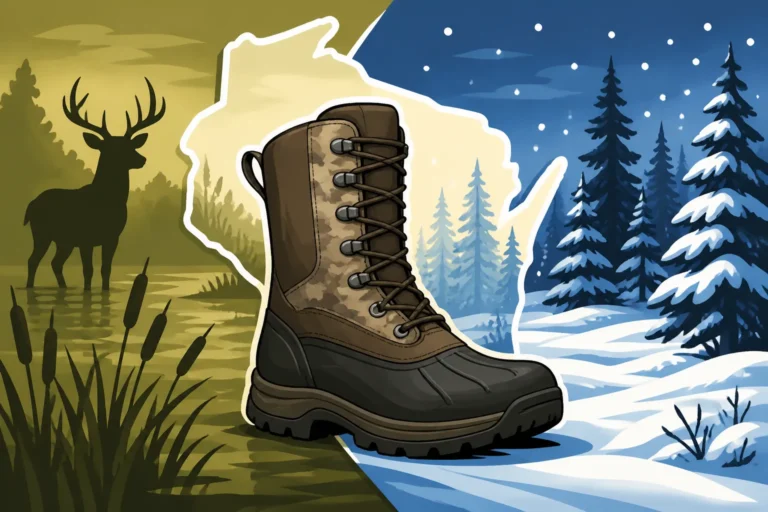
There's nothing quite like the feeling of anticipation as you settle into your stand before dawn, the woods slowly waking around you. But that magical feeling can quickly vanish when the biting Wisconsin cold seeps into your toes, turning what should be an enjoyable wait into a miserable endurance test. This guide is all about tackling that exact frustration head-on, helping you understand how to choose and use insulated hunting boots designed to keep your feet warm and comfortable through those long, rewarding hours outdoors.
The Frigid Reality: Why Your Feet Are Always Cold on a Wisconsin Hunt
Many hunters in Wisconsin have experienced it: that deep, bone-chilling cold that starts in your feet and slowly spreads, making every minute on stand feel like an eternity. It’s not just a minor discomfort; it’s a hunt-killer, forcing you to cut your sit short or distracting you so much that you miss opportunities. Understanding why your feet get cold is the first step to conquering it.
The Double Whammy: Cold Temperatures and Inactivity
Think about it: during a typical deer hunt, especially in a treestand or ground blind, you're often sitting perfectly still for hours. Your body's circulation slows down, and your feet, being the furthest extremities from your core, are among the first to feel the chill. This lack of movement means your body isn't generating much heat, and any heat you do have is constantly trying to escape into the frigid air or frozen ground. It's a thermodynamic battle, and without proper insulation, your feet are losing. Early in the season, you might get away with lighter boots, but come November and December, when you're often trying Hunting the Wisconsin Rut in November or going for Muzzleloader Tactics in December Cold, sitting still becomes a severe test for your footwear.
Wisconsin's Diverse Terrain: Snow, Ice, and Water Challenges
Wisconsin isn't just cold; it's wet and varied. From the rolling hills and creek bottoms of the Driftless Area Deer Hunting in Wisconsin to the sprawling wetlands of Hunting Horicon Marsh Waterfowl and the deep snow of the Hunting the Wisconsin Northern Forest for Deer, your boots face a constant assault of moisture and extreme temperatures. Walking through a dusting of snow in the morning, only for it to melt and turn to slush by midday, then refreeze into ice as the sun sets, creates a brutal cycle. Wet feet are cold feet, plain and simple. Even seemingly dry ground can hide pockets of dampness or frost that will wick away your precious body heat if your boots aren't up to the task.
The Hidden Drain: Moisture and Conduction
Beyond external moisture, your own feet sweat. Yes, even in freezing temperatures! When you walk to your stand, your feet generate heat and produce perspiration. If that moisture gets trapped inside your boots, it cools down and draws heat away from your skin through conduction and evaporation. It’s like wearing a wet sock – it feels colder than being bare-footed. Compounding this, if your boots aren't thick enough, the cold from the frozen metal of your treestand or the icy ground beneath your blind will directly conduct into your feet, bypassing any inadequate insulation. This "hidden drain" of moisture and direct conduction is often overlooked but plays a huge role in why even seemingly warm boots can fail you.
Decoding Insulation Ratings: Finding the Right Warmth Level
Choosing insulated boots can feel overwhelming with all the numbers and technologies thrown around. The key is to understand what those numbers mean and how they apply to the specific conditions you'll face while Hunting Wisconsin's Late Archery Season or braving a cold gun season sit.
Understanding Grams of Insulation
Most hunting boots will list their insulation in "grams." This refers to the weight of insulation material per square meter. Generally, the higher the gram rating, the warmer the boot. But it's not a one-size-fits-all solution.
- 200-400 Grams: This range is often considered light to moderate insulation. It's great for active hunting in chilly conditions, like early season hunts where you're doing a lot of walking, or for treestand sits when temperatures are above freezing. If you're generally warm-blooded or primarily do Still-Hunting After a Wisconsin Snow where you're constantly on the move, this might be enough for slightly longer sits.
- 600-800 Grams: This is the sweet spot for many Wisconsin hunters who endure varied conditions. It offers good warmth for stationary hunting in temperatures down to the low 20s or teens. If you plan on sitting for several hours in typical November weather, this is a solid choice. It's also a good balance if you need to do some walking to your stand but still want good insulation for the sit.
- 1000-1200 Grams: Now we're getting into serious cold-weather territory. These boots are designed for prolonged stationary periods in single-digit or even sub-zero temperatures. Think late-season hunts, deep snow, or when you know you'll be on stand from dawn till dusk. The trade-off here is usually bulk and weight, which can make long walks less comfortable.
- 1600+ Grams: This is extreme cold-weather gear. If you're talking about Cold Weather Sitting Strategy in the bitter depths of December or January, spending all day in a stand in truly brutal conditions, these are your boots. They are often heavy and bulky, making them less ideal for active pursuit, but they will keep your feet toasty when nothing else will.
The right choice depends heavily on your personal physiology, how long you plan to sit, and the exact temperatures you expect. Don't be afraid to over-insulate a little, especially if you get cold easily.
The Role of Materials: Synthetics, Wool, and Down
The type of insulation material also plays a significant role. Most modern hunting boots use synthetic materials like Thinsulate, Primaloft, or similar proprietary blends. These materials are excellent because they retain much of their insulating properties even when wet, which is a huge advantage in Wisconsin's often-damp environment. They are also relatively lightweight for the warmth they provide.
Some boots might incorporate wool or even down, particularly in liners. Wool is fantastic at wicking moisture and providing warmth, while down offers incredible warmth-to-weight ratio. However, down loses its insulating power when compressed or wet, making it less common as the primary insulation in outer hunting boots, though you might find it in internal liners or expedition-grade options. The boot's outer material also matters; full-grain leather offers durability and can be treated for water resistance, while synthetic uppers are often lighter and quicker to dry. Rubber boots, discussed below, have their own specific insulation characteristics.
Waterproofing: GORE-TEX and Beyond
Insulation is useless if your feet get wet. That's why effective waterproofing is paramount in a Wisconsin hunting boot. Many high-quality boots feature waterproof, breathable membranes like GORE-TEX, eVent, or various brand-specific technologies. These membranes are designed with microscopic pores that are small enough to block water molecules from entering but large enough to allow water vapor (sweat) to escape. This is critical for managing internal moisture and preventing that "hidden drain" we talked about.
Even with a great membrane, the construction of the boot matters. Seams need to be sealed, and the interface between the sole and the upper must be watertight. For hunting areas like flooded timber, cattail marshes, or crossing shallow streams, even the best membrane-lined leather boot might not be enough. That's where rubber boots, often insulated with neoprene, come into their own. They offer truly submersible protection, vital for navigating the damp, often treacherous landscapes where you might be Getting a Deer Out of a Wisconsin Swamp or hunting waterfowl. Make sure to check reviews and ensure the waterproofing holds up to real-world use.
Here's a quick comparison of common insulation levels:
| Insulation Grams | Typical Temp Range (Stationary) | Best Use Case | Pros | Cons |
|---|---|---|---|---|
| 200-400g | 30°F to 45°F | Active, early season, mild sits | Lighter, less bulky, good for walking | Not enough for prolonged cold sits |
| 600-800g | 15°F to 35°F | Mid-season, typical Wisconsin cold sits | Good balance of warmth and mobility | Might be cold for extreme temps or very long sits |
| 1000-1200g | 0°F to 20°F | Late season, deep cold, long sits | Excellent warmth, keeps feet warm for hours | Heavier, bulkier, can be warm for active hunts |
| 1600g+ | Below 0°F to 15°F | Extreme cold, minimal movement | Maximum warmth, best for bitter conditions | Very heavy, very bulky, poor for walking far |
Beyond Insulation: Other Crucial Boot Features for Wisconsin Hunters
While insulation is key, a truly great hunting boot for Wisconsin needs to excel in several other areas. These often-overlooked features contribute significantly to your overall comfort, safety, and success in the field.
Fit, Comfort, and Support for Long Treks
It doesn't matter how warm a boot is if it’s uncomfortable. A proper fit is non-negotiable. Boots that are too tight will restrict circulation, actually making your feet colder, while boots that are too loose can cause blisters and fatigue. Always try boots on with the type of socks you intend to wear while hunting, such as thick wool or synthetic blends. Pay attention to arch support, heel lock, and toe box room. You should have enough space to wiggle your toes, but your heel shouldn't slip significantly.
For those long walks into your stand, or scouting trips using an app like GoHunt to pinpoint prime locations, the boot's comfort and support are paramount. A well-designed footbed and ankle support will reduce fatigue and prevent injuries, especially when traversing uneven ground, crossing fallen logs, or climbing steep ridges in areas like the Hunting Wisconsin Coulees and Ridge Tops. Don't underestimate the importance of taking them for a test walk, even if it's just around the store or your yard, to ensure they feel right.
Traction and Durability for Varied Terrain
Wisconsin hunting often means navigating slippery, unpredictable terrain. Snow, ice, mud, wet leaves, and rocky slopes are all common obstacles. The outsole of your boot needs aggressive, multi-directional lugs to provide reliable traction. Look for boots with a durable, high-quality rubber compound that won't become rigid and slick in freezing temperatures. A stiff sole can also be beneficial, providing better support and reducing foot fatigue when standing on small treestand platforms or climbing uneven ground.
Durability is another crucial factor. Your boots are an investment, and they need to withstand season after season of abuse. Look for reinforced toe caps, double-stitching, and high-quality hardware for laces. If you're hunting in particularly abrasive areas or frequently encounter thorns and sharp branches, consider boots with tough synthetic uppers or full-grain leather that can be re-treated. A strong, well-built boot won't just last longer; it will protect your feet from hazards, allowing you to focus on the hunt.
Height and Closure Systems
Boot height is another consideration that often comes down to personal preference and hunting style. Taller boots (10-16 inches) offer better ankle support, keep snow and debris out more effectively, and provide more protection when Hunting Wisconsin Cedar Swamps or crossing deeper snow. They also tend to be warmer due to more coverage. Shorter boots (6-8 inches) are lighter and offer more mobility, making them suitable for earlier seasons or less rugged terrain where minimal snow is expected.
The lacing or closure system also impacts performance. Traditional laces offer a customizable fit but can be prone to freezing or coming untied. Some rubber boots feature side gussets or adjustable buckles for a snug fit. Whatever the system, ensure it's robust, easy to operate with cold hands, and won't snag on brush. Quick-lace systems can be convenient, but ensure they hold their tension reliably throughout the day. For truly deep snow or swamp hunting, make sure the boot opening is tight enough or can be cinched down to prevent snow and water from sneaking in from the top.
Seasonal Selection and Smart Strategies for Warm Feet
Having the right boots is only half the battle; knowing how to use them effectively for different Wisconsin conditions, and caring for them properly, completes the equation for consistently warm feet.
Boot Choices for Early, Mid, and Late Season
Your ideal boot might change throughout Wisconsin's long hunting calendar.
- Early Archery (September/October): Often still mild, with cool mornings and pleasant afternoons. You might be putting on miles scouting with a tool like GoHunt or doing active still-hunting. A lighter insulated boot (200-400g) or even uninsulated, waterproof hiking boots are often sufficient. The focus here is on comfort for walking and waterproofness for dewy grass or morning frost.
- Mid-Season (November Gun Deer): This is where temperatures drop, and snow becomes a real possibility. You'll likely be doing more stationary hunting, but still may need to move for deer drives or tracking. A mid-range insulated boot (600-800g) is typically an excellent choice for Wisconsin's Nine-Day Gun Deer Season, offering versatility for both movement and sitting.
- Late Season (December/January Archery & Muzzleloader): This is when Wisconsin truly shows its teeth. Bitter cold, deep snow, and long, static sits are common. This is the time for heavily insulated boots (1000g+), perhaps even those with removable liners for drying. When you’re focused on Late-Season Food Sources for Whitetails or hoping for a late-season buck, you need maximum warmth. Don't skimp here; comfort will dictate your hunting effort.
The Critical Role of Socks and Layering
Even the best insulated boots are only as good as the socks you put inside them. Cotton socks are a cardinal sin for cold weather hunting because cotton absorbs moisture and loses all insulating properties when wet. Instead, opt for high-quality wool or synthetic blend socks.
- Layering Socks: Many hunters find success with a layering system. Start with a thin, moisture-wicking synthetic liner sock next to your skin to pull sweat away. Over that, wear a thicker, insulating sock made of merino wool. Merino wool is incredible because it insulates even when damp and is naturally odor-resistant. This combination helps manage moisture, provides cushioning, and maximizes warmth. Check out advice on Wool for Wet Snow and Quiet Movement for more on the benefits of wool in Wisconsin conditions.
- Avoid Over-layering: While layering is good, don't jam so many socks into your boots that they become too tight. As mentioned, restricted circulation will make your feet colder, negating the benefit of extra insulation. Ensure there's still a little room for air circulation.
Pre-Hunt Preparation and Post-Hunt Care
A little preparation goes a long way in ensuring your boots perform their best.
- Dry Them Thoroughly: Always ensure your boots are completely dry before each hunt. If you wear them day after day without drying, moisture will build up and compromise their warmth. Use boot dryers (not excessive heat, which can damage materials) or stuff them with newspaper to absorb moisture. Removable liners are a godsend for quick drying.
- Warm Them Up: If possible, store your boots in a warm place overnight, or even bring them inside your vehicle for the drive to your hunting spot. Starting with warm boots is a huge advantage.
- Waterproof Treatment: Regularly treat your leather boots with a suitable waterproofing agent to maintain their water repellency. Even rubber boots can benefit from a silicone spray to protect the rubber from cracking over time.
- Clean and Inspect: After each season, give your boots a thorough cleaning. Remove any mud or debris, and inspect them for wear and tear. Address any small cracks or loose stitching before they become major problems. Proper care significantly extends the life of your boots, ensuring they're ready for every long sit and cold morning to come.
Remember, investing in good quality, insulated boots and understanding how to use them effectively is one of the best investments a Wisconsin hunter can make for comfort and success in the field.
Disclaimer
This article is for general informational purposes only and does not constitute professional advice. Laws, prices and regulations vary by location and change over time. Consult a qualified professional for guidance on your specific situation.