Wool for Wet Snow and Quiet Movement
One of the biggest frustrations for any Wisconsin hunter, especially as the calendar flips towards late archery, muzzleloader, or even the back half of the gun season, is staying warm and dry without sounding like a walking crinkly snack bag. That chilling dampness that seeps into your bones, or the tell-tale swish of synthetic fabrics giving away your approach, can absolutely ruin a hunt. This guide is all about embracing the timeless wisdom of wool, and how its unique properties can be your best friend when faced with wet snow and the absolute need for quiet movement in the Wisconsin woods.
Why Wool is a Game-Changer for Wisconsin Hunters
If you've spent any time sitting in a stand in November, watching the fat flakes turn to sleet, or still-hunting through knee-deep wet snow in December, you know the struggle is real. The cold is one thing, but the wet cold? That's a whole different beast. Wool has been trusted by outdoorsmen for centuries, and for good reason—it simply performs in conditions that make other fabrics fail.
The Magic of Warmth When Wet
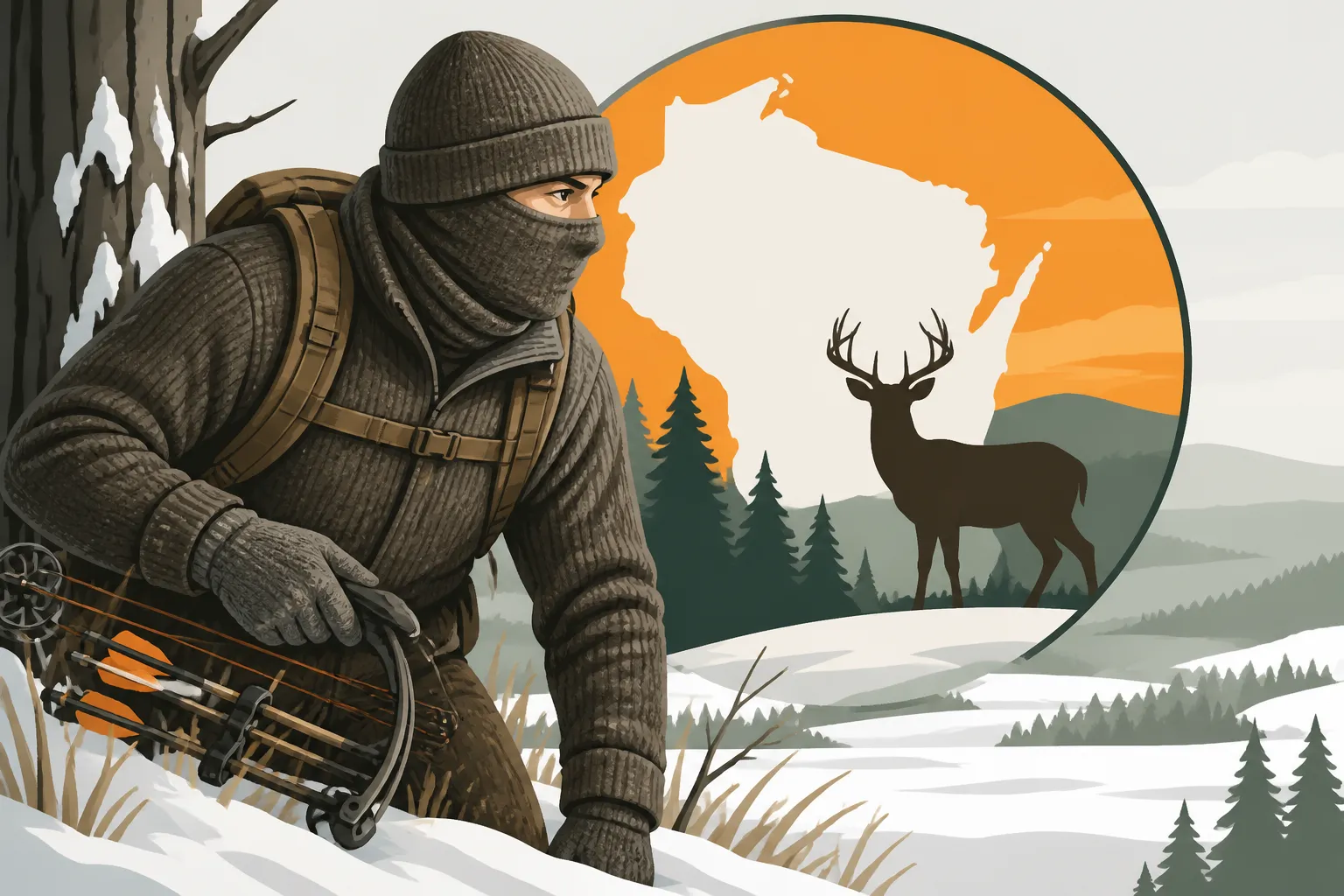
This is truly where wool shines and earns its legendary status. Unlike cotton, which becomes heavy and sucks all the heat from your body the moment it gets damp, or even some synthetics that lose a significant portion of their insulating power, wool retains a remarkable amount of warmth even when soaking wet. Think about hunting during a late-season snowstorm, where you might be brushing against snow-laden branches or even taking a tumble in a drift. Still-Hunting After a Wisconsin Snow is a classic scenario where this property is invaluable.
The secret lies in the natural crimp and structure of wool fibers. They create tiny air pockets that trap body heat, and even when moisture gets in, the fibers themselves continue to insulate. This means if you're slogging through a swampy area where the snow is slushy and seeping into your boots, or if that gentle snowfall turns into a relentless rain-snow mix, your wool layers will still be working hard to keep you from hypothermia. This isn't just about comfort; it's a critical safety feature when you're miles from the truck and the temperature is hovering around freezing.
Unmatched Stealth in the Woods
If you've ever had a mature buck pick you off simply because your jacket made too much noise as you raised your binoculars, you know the frustration. Synthetics, especially those with waterproof membranes, can often be notoriously noisy. They crinkle, they rustle, they swish. In the silent, snow-draped woods of Wisconsin, these sounds carry far and can alert game long before you ever get a shot opportunity.
Wool, on the other hand, is inherently quiet. Its natural fibers absorb sound rather than reflecting it, and the fabric moves with a soft, almost silent grace. Imagine slowly drawing your bow on a wary deer in a cedar swamp; the last thing you want is a loud zzzzzip from your zipper or a swish-swish from your sleeves. This acoustic advantage is a massive benefit, especially when you're trying to Still-Hunting Wisconsin Cedar Swamps or making those slow, deliberate movements required for a close-range shot. When every little rustle is magnified in the cold, still air, the quietness of wool can be the difference between tagging out and going home empty-handed.
Breathability and Temperature Regulation
It might seem counterintuitive, but staying warm in cold weather also means managing moisture from within. When you're hiking into your stand, dragging a deer out, or just moving around, your body generates heat and sweat. If that sweat stays trapped against your skin, it cools rapidly once you stop moving, leading to that chilling sensation. This is a common pitfall when Cold Weather Sitting Strategy is being planned.
Wool is incredibly breathable, allowing moisture vapor to escape your body effectively before it condenses into liquid sweat. Its fibers can actually absorb a significant amount of moisture vapor (up to 30% of their weight!) without feeling wet or losing their insulating properties. This means it helps regulate your body temperature more efficiently than many synthetics. You're less likely to overheat during exertion and then get a deep chill when you settle into your stand. This dynamic temperature regulation is crucial for those long days afield, adapting to changing activity levels from a brisk walk to a long sit. You can review some of the best strategies for this type of adaptability in Layering for a Wisconsin Deer Stand.
Picking the Perfect Wool for Your Wisconsin Kit
Not all wool is created equal, and understanding the nuances can make a huge difference in your hunting comfort and performance. From the super-fine to the ultra-rugged, there's a wool option for almost every part of your layering system.
Merino, Blends, and Outer Layers
When most hunters think of wool for hunting these days, Merino wool is often the first thing that comes to mind, and for good reason. Merino wool fibers are much finer and softer than traditional "scratchy" wool, making them incredibly comfortable directly against the skin. It excels as a base layer for its moisture-wicking and odor-resistant properties, keeping you dry and fresh even after days in the field. Many reputable brands offer excellent Merino base layers.
However, for mid-layers and especially outer layers, you might look beyond 100% Merino. Blended wool fabrics often incorporate synthetic fibers to add durability, stretch, or faster drying times, without sacrificing wool's core benefits. For instance, a wool-polyester blend might make a fantastic mid-layer fleece or even a quiet outer shell that can stand up to brush and briars better than pure Merino. For true outer layers, especially in brushy or heavy cover, some hunters still prefer traditional, dense wool. These rugged wool jackets and pants, often felted or tightly woven, offer exceptional wind resistance and durability, though they might be heavier. When you're Hunting the Wisconsin Northern Forest for Deer, that durability can be a lifesaver against snags and tears.
Weight and Thickness for Different Seasons
Just like any other fabric, wool comes in various weights, which directly impact its warmth and bulk.
- Lightweight (150-200 gsm): Perfect for base layers in milder early season hunts or as a part of a multi-layer system in colder weather. It wicks sweat away efficiently.
- Midweight (250-350 gsm): Ideal for base layers in colder conditions or as a versatile mid-layer. This is often the sweet spot for late October to early November hunts when temperatures can fluctuate.
- Heavyweight (400+ gsm): Designed for serious cold, often used for outer mid-layers, heavy pants, or warm beanies. This weight is what you'd reach for during the Wisconsin Muzzleloader Season Tactics or a late-season sit when you know you'll be stationary for hours.
Consider your activity level and the expected temperatures. A strenuous hike in the early archery season calls for lighter wool, while a static sit during the Wisconsin Gun Deer Season Dates in December demands something much more substantial. Many hunters find success by having a range of wool weights to build a custom layering system for whatever Wisconsin throws at them. The beauty of it is that wool adapts; you can strip a layer off during a hike and put it back on, still benefiting from its inherent warmth.
Investing in Quality
While wool gear can sometimes come with a higher price tag than some synthetic alternatives, consider it an investment. Quality wool, properly cared for, can last for many seasons, outperforming cheaper options year after year. Brands that specialize in hunting or outdoor apparel often put a lot of research and development into their wool offerings, ensuring quietness, durability, and optimal performance for hunters.
When evaluating potential wool pieces, look at the stitching, zippers, and overall construction. Are the seams flat-locked for comfort? Are the zippers durable and quiet? Does the fabric feel robust enough for the intended use? Sometimes, a slightly higher initial cost translates to superior comfort, performance, and longevity in the field. You're buying peace of mind that your gear won't let you down when that trophy animal steps out. When researching, platforms like GoHunt often feature discussions or reviews from experienced hunters on various gear, which can be a great resource for identifying trusted wool brands and products.
Mastering Wool in the Field: Tips and Tricks
Getting the most out of your wool hunting apparel isn't just about buying it; it's about knowing how to integrate it into your system and caring for it properly. A well-used and well-maintained wool setup can vastly improve your hunting experience.
Layering Like a Pro for Maximum Effect
The key to staying warm and dry with wool, especially in dynamic Wisconsin weather, is strategic layering.
- Base Layer: Start with a lightweight or midweight Merino wool base layer directly against your skin. This is your foundation for wicking moisture and providing initial warmth.
- Mid-Layers: Add one or two mid-layers depending on the temperature and your activity. This could be a midweight wool pullover, a wool blend fleece, or even a heavier traditional wool vest. These layers trap heat.
- Outer Layer: Your outermost layer needs to protect you from wind, precipitation, and abrasion. While many hunters opt for a waterproof/windproof synthetic shell, a dense, tightly woven wool jacket can also serve this purpose while maintaining maximum quietness. For really wet conditions, you might wear a quiet waterproof shell over your wool.
The beauty of this system is adjustability. As you walk to your stand, you might shed a mid-layer to avoid sweating. Once you're settled, you can add it back, along with your heavy outer layer. This adaptive approach is what makes Cold Weather Sitting Strategy effective. Remember, too many layers that restrict movement can also be detrimental, so find a balance that allows for comfort and mobility.
Caring for Your Wool to Make It Last
Wool is durable, but it does require specific care to maintain its performance and longevity.
- Washing: Always follow the garment's care label. Most Merino wool can be machine washed on a gentle cycle with cold water, using a wool-specific detergent or a mild, pH-neutral soap. Avoid harsh detergents and fabric softeners, as these can damage the fibers.
- Drying: Air drying is almost always best for wool. Lay garments flat on a towel or hang them to dry away from direct heat or sunlight. High heat from a dryer can cause wool to shrink or become damaged.
- Storage: Store wool clean and dry. Moths love wool, so consider cedar sachets or airtight storage containers if you're putting items away for the off-season.
- Repair: Don't discard a favorite wool piece over a small hole or tear. Many wool items can be mended, extending their life considerably.
Proper care not only keeps your wool performing at its peak but also ensures your investment lasts for years of Wisconsin hunting adventures.
Strategic Applications Beyond Clothing
While clothing is the primary use, wool's benefits extend to other hunting gear.
- Socks: High-quality wool socks are a non-negotiable for warmth and blister prevention, especially when you're on your feet all day in potentially wet conditions. Layering a thin Merino liner sock under a thicker wool sock is a common strategy. Boots for Wisconsin Swamps and Snow become even more effective with the right wool socks.
- Hats and Gloves: Wool hats retain an incredible amount of heat, even when damp, and can easily be stuffed into a pocket. Wool gloves or glove liners offer dexterity and warmth, performing better than many synthetic alternatives in wet conditions.
- Sleeping Bag Liners: For overnight stays, a wool sleeping bag liner can add significant warmth and manage internal moisture, making for a more comfortable night's rest.
Even smaller items like a wool neck gaiter or a wool buff can make a huge difference in overall comfort and warmth, particularly when the wind starts to bite or the wet snow is falling sideways.
Wool Versus the Competition: A Hunter's Material Showdown
When it comes to hunting apparel, wool isn't the only player in the game. Synthetics have come a long way, and cotton still finds its way into many wardrobes. Understanding their differences is key to making informed choices for your Wisconsin hunts.
| Feature | Wool (Merino/Blends) | Synthetics (Polyester, Fleece) | Cotton |
|---|---|---|---|
| Warmth When Wet | Excellent (retains insulation even when saturated) | Good (some retain warmth, but often less than wool) | Poor (loses almost all insulating value) |
| Quietness | Excellent (soft, naturally silent movement) | Varies (can be very noisy, especially outer shells) | Good (soft, but heavy when wet) |
| Breathability | Excellent (wicks moisture vapor, regulates temp) | Good to Excellent (wicks liquid sweat, but can feel clammy) | Poor (absorbs moisture but dries slowly) |
| Odor Resistance | Excellent (natural antimicrobial properties) | Poor to Fair (can hold odors, requires antimicrobial treatment) | Poor (absorbs and holds odors) |
| Drying Time | Moderate (dries slower than light synthetics) | Fast (especially thinner layers) | Very Slow (becomes heavy and stays wet) |
| Weight | Moderate to Heavy (depending on knit/blend) | Light to Moderate | Moderate to Heavy (especially when wet) |
| Durability | Good (can be prone to snags/holes, blends improve) | Good to Excellent (resists abrasion, some blends can pill) | Poor (tears easily, breaks down over time) |
| Cost | High | Moderate to High | Low |
Synthetic Materials: The Pros and Cons
Modern synthetic fabrics, often polyester or nylon blends, have made incredible advancements. They are typically lightweight, durable, and many are designed to wick moisture efficiently and dry very quickly. Some synthetics also offer excellent wind and water resistance, making them popular for outer shells. Brands like those featured on the GoHunt gear lists often highlight top-performing synthetics.
However, synthetics often fall short in two key areas for hunters:
- Quietness: As mentioned, many can be noisy, especially in cold, still air. While some high-end hunting synthetics are brushed or treated for quietness, they rarely match wool's natural silence.
- Warmth When Wet: While better than cotton, many synthetics lose more insulating power when saturated compared to wool.
- Odor Retention: Synthetics are notorious for holding body odor, even with antimicrobial treatments, which can be a significant disadvantage on multi-day hunts.
For active hunts or when absolute waterproofness is needed, synthetics still have a place in a hunter's wardrobe, but for quiet stillness and consistent warmth in damp cold, wool often takes the lead.
Cotton: The Hunter's Foe
Oh, cotton. It's comfortable, it's cheap, and it has no place in a serious Wisconsin hunting setup for cold weather. The old adage, "cotton kills," rings true for a reason. Cotton fibers absorb moisture like a sponge, lose all their insulating properties when wet, and dry incredibly slowly.
Imagine you're out Hunting Deer in Deep Northern Wisconsin Snow in your favorite cotton hoodie. You start sweating on the walk in, or you slip and fall in a wet drift. That cotton gets soaked, and immediately starts drawing heat from your body. As you sit still, that cold, damp fabric leads to a rapid drop in core temperature. This isn't just uncomfortable; it's genuinely dangerous in freezing conditions. While a bit of cotton might be okay in warm, dry weather for a short time, for the extended exposure, changing temperatures, and potential for moisture that Wisconsin hunting presents, it's a definite no-go. Stick to wool or purpose-built synthetics for your cold-weather layers.
Ultimately, choosing wool for your Wisconsin hunting kit, especially when wet snow and quiet movement are paramount, is a decision you won't regret. Its natural properties provide unparalleled warmth, stealth, and comfort, helping you stay focused on the hunt, not the shivers.
Disclaimer
This article is for general informational purposes only and does not constitute professional advice. Laws, prices and regulations vary by location and change over time. Consult a qualified professional for guidance on your specific situation.