Blind Bags and Cold-Weather Gear
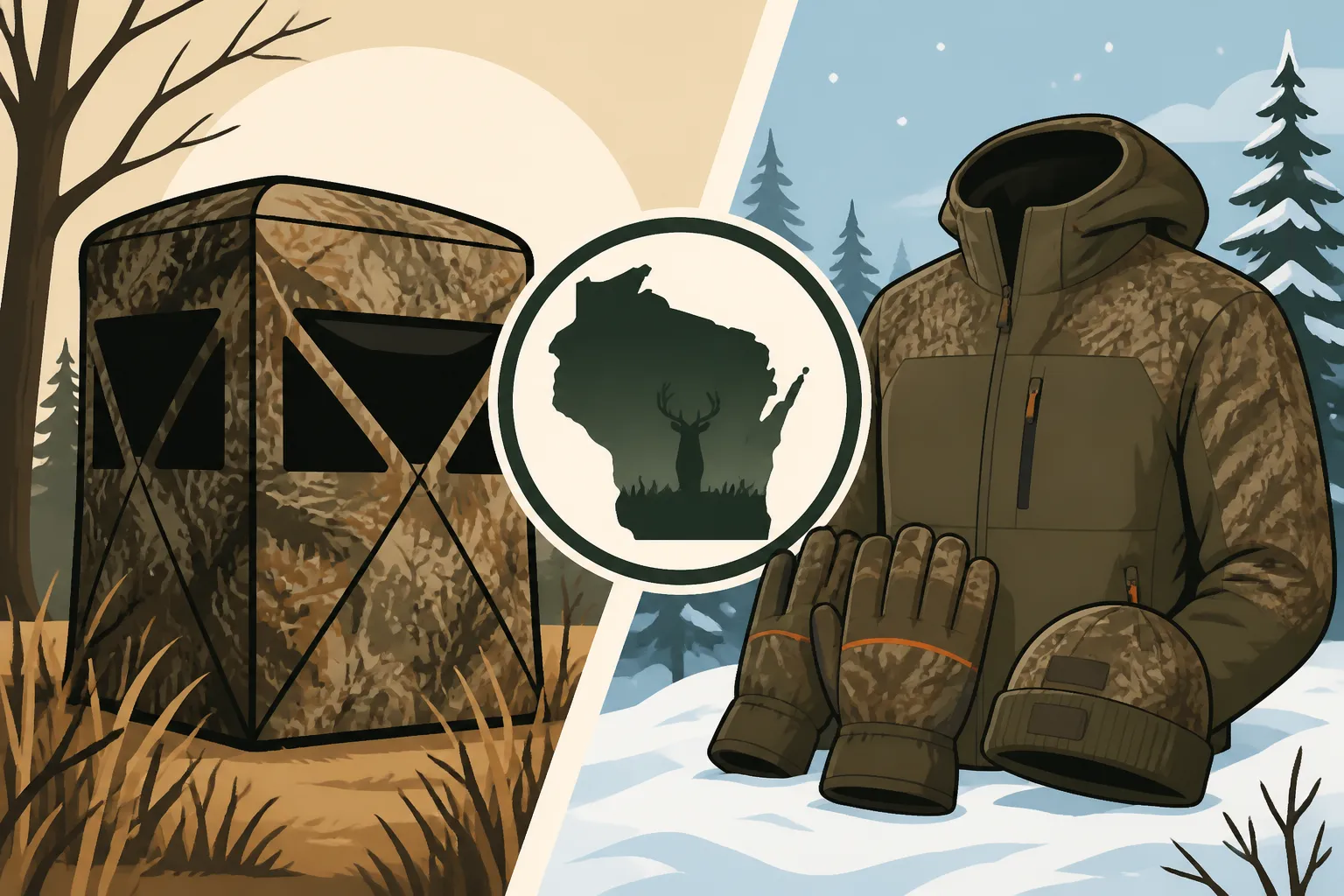
There's nothing quite like the anticipation of a crisp Wisconsin morning hunt, whether you're hunkered down in a marsh for ducks or tucked into a treestand for deer. But that excitement can quickly turn into misery if you're not prepared for our state's notoriously unpredictable weather. From bone-chilling dampness to sudden snow squalls, keeping your gear organized and yourself warm and dry is paramount to a successful and enjoyable outing. This guide is all about helping you understand the unsung heroes of organization—the blind bag—and the critical importance of cold-weather gear to ensure you're comfortable, focused, and ready for whatever Mother Nature throws your way.
The Indispensable Role of a Blind Bag in Wisconsin Waterfowling
Let's talk about the blind bag, a piece of gear that many new waterfowl hunters might overlook, but seasoned veterans swear by. Think of it as your mobile command center for the marsh or field, a waterproof fortress for all those little essentials that make a hunt successful, or at least bearable. I've seen too many hunters show up with their pockets stuffed, or worse, with critical items left scattered in the truck because they didn't have a dedicated system. That's a recipe for frustration when you're wading through icy water or trying to set up in the pre-dawn darkness.
What Makes a Good Blind Bag Essential?
A blind bag isn't just any old duffel. It's designed with the specific demands of waterfowl hunting in mind. This means heavy-duty, waterproof or highly water-resistant materials, often with a rigid bottom to keep it from collapsing in the muck. It's got compartments, pockets, and attachment points for everything from calls to thermos, ensuring that when you need something, it's exactly where it should be. The very nature of Wisconsin Waterfowl Hunting on Marsh and River means you'll be dealing with moisture, mud, and often cold temperatures. A good blind bag protects your gear from all of it.
Imagine you're out on a frosty morning, birds starting to buzz, and you realize you need a different choke tube or your gloves are soaked. Without a proper blind bag, you're fumbling, possibly exposing dry layers to moisture, and generally making a racket. With a well-organized bag, those items are right at your fingertips, dry and ready to go. It reduces stress and keeps your focus where it needs to be: on the birds. Many seasoned hunters even keep a small, waterproof emergency kit inside, containing things like a fire starter, a small first-aid kit, and a whistle, just in case.
Key Features to Look For in Your Blind Bag
When you're choosing a blind bag, don't just grab the cheapest one. Invest in quality, because this bag is going to take a beating. Look for durable, heavy-gauge fabrics like 900D or 1000D nylon, often coated with PVC for extra waterproofing. Seams should be welded or heavily stitched and sealed. A hard, waterproof bottom is a non-negotiable feature for keeping the contents dry when the bag inevitably sits in standing water or mud.
Beyond the basic construction, consider the internal organization. Multiple compartments, both internal and external, are crucial for separating wet decoys from dry calls, and for keeping snacks away from spare shells. Look for a main compartment that's spacious enough for extra layers or a small lunch. External mesh pockets are great for items that might be damp, allowing them to air out. Some bags also feature specialized pockets for thermos bottles, a padded spot for optics, or even a secure, clear pocket for your phone, which can be invaluable when using mapping apps like GoHunt to navigate. The comfort of the shoulder strap is also key, especially if you're hiking into your spot or carrying a heavy load, so padded, adjustable straps are a big plus.
Mastering the Art of Layering for Wisconsin's Cold Climates
Wisconsin weather is a fickle beast. One morning can be relatively mild, and by afternoon, a blizzard can roll in. This is why layering isn't just a suggestion; it's a survival strategy. You can't just throw on one thick coat and expect to be comfortable through all conditions, especially when hunting demands periods of intense activity followed by long stretches of motionless waiting. Layering for a Wisconsin Deer Stand offers many of the same principles as layering for a duck blind, proving its universal importance in our state.
The Foundation: Base Layers for Moisture Management
Your base layer is arguably the most important layer because it's closest to your skin. Its primary job is to wick moisture away from your body. Sweat is your enemy in cold weather; once it cools, it can quickly lead to hypothermia. This is why cotton is absolutely out. Cotton absorbs moisture and holds it against your skin, making you feel clammy and cold.
Instead, opt for synthetic materials like polyester or merino wool. Merino wool, though often pricier, offers superior warmth-to-weight ratio, is naturally odor-resistant, and continues to insulate even when damp. Synthetics are also excellent at wicking, dry quickly, and are generally more affordable. Choose a base layer weight appropriate for the anticipated activity level and temperature. A lightweight base layer for warmer early season hunts or high-exertion activities, and a midweight or heavy base layer for colder conditions or sedentary hunts. Remember, you might work up a sweat carrying decoys or pushing through cattails, so even if it's freezing, you need that moisture management.
The Core: Mid-Layers for Insulation
The mid-layer is your primary insulating layer, trapping warm air close to your body. Think of it as your engine for warmth. Fleece, down, or synthetic puff jackets are common choices here. Fleece is a great all-around option: relatively inexpensive, warm, and breathable. Down provides incredible warmth for its weight but loses much of its insulating power when wet, making it less ideal for super damp environments unless it's treated or protected. Synthetic insulation mimics down's loft but retains warmth better when damp, making it a more practical choice for many Wisconsin waterfowl scenarios.
I often carry two mid-layers: a lighter fleece vest for chilly mornings and a heavier jacket for when temperatures really drop or I'm sitting still for long periods. The beauty of layering is adjustability. If you're busting ice or setting a large decoy spread, you can shed a mid-layer to avoid overheating and sweating. Once you're settled in the blind, you can put it back on, trapping that body heat before you get cold. This constant adjustment is key to staying comfortable and preventing that bone-deep chill.
The Shell: Outer Layers for Weather Protection
Your outer layer, or shell, is your shield against the elements: wind, rain, and snow. For waterfowl hunting, this means something seriously waterproof and windproof. Look for materials with high waterproof ratings and taped seams. Gore-Tex or similar proprietary waterproof-breathable membranes are excellent. They prevent external moisture from getting in while allowing some internal moisture (sweat vapor) to escape, which helps maintain your dry base and mid-layers.
Beyond waterproofing, wind resistance is critical. A strong wind can cut right through even the warmest layers, stealing your body heat through convection. A good shell will block that wind, acting as a final barrier. Consider the cut and features of your shell too. Large pockets that are easily accessible when wearing Waders for Wisconsin Marsh Hunting are a huge plus. An adjustable hood that can accommodate a hat and doesn't restrict your vision is also essential. Remember, silence is golden when hunting, so try to find a shell that doesn't make a lot of noise when you move, even if it's not strictly necessary in a blind.
Essential Cold-Weather Gear for Waterfowl and Beyond
Beyond the core layering system, several specific pieces of cold-weather gear are absolutely non-negotiable for hunting in Wisconsin. These items address particular vulnerabilities and ensure comfort even when conditions are truly brutal. Getting caught unprepared in a freezing marsh is not just unpleasant; it can be dangerous.
Insulated Boots: Your Foundation in the Cold
Your feet are often the first part of your body to get cold, especially when standing or sitting for extended periods in damp or frozen ground. High-quality, insulated, waterproof boots are not a luxury; they are a necessity. For waterfowl hunting, you'll likely be wearing waders, so your boots will be the integrated wader boots. Ensure these have sufficient thinsulate or similar insulation, typically 800-1200 grams, for late-season hunts. For other types of cold-weather hunting, dedicated insulated boots like those discussed in Boots for Wisconsin Swamps and Snow are crucial.
Look for boots that fit well, allowing for thick wool socks without being too tight, which can restrict circulation and actually make your feet colder. A good pair of socks, ideally made of merino wool, will also aid in wicking moisture and adding insulation. I always carry an extra pair of dry socks in my blind bag. There's nothing worse than wet feet, and being able to swap them out can make a world of difference to your morale and comfort levels.
Hand Warmers and Heater Packs: Tiny Tools, Huge Impact
These small, inexpensive packets are absolute game-changers, especially when you're forced to remain motionless for hours in freezing temperatures. Hand Warmers That Last a Full Sit can be slipped into gloves, pockets, or even inside your boots to provide hours of steady warmth. The chemical reaction they use is simple but incredibly effective.
I usually keep a few pairs in my blind bag. One pair goes in my gloves or hand muff as soon as I settle into the blind. Another pair is usually tucked into an inner pocket of my jacket for backup or for a different spot later in the day. For truly brutal days, larger body warmers can be placed against your core or lower back, providing a significant boost in comfort. This is especially useful if you're out on a long sit for Diver Hunting on Wisconsin Open Water where the wind chill can be relentless. Don't underestimate the power of these little packets; they can literally extend your time in the field by hours.
Rain Gear: Because "Waterproof" Isn't Always Enough
While your outer shell is designed to be waterproof, having dedicated rain gear, or at least understanding the limits of your primary outer layer, is vital. For most waterfowl hunting, your waders and outer jacket are your primary rain protection. However, if you're walking into a blind, or if you plan to sit for extended periods in a downpour, even the best outer layers can eventually wet out, especially at pressure points. Rain Gear for a Wisconsin Downpour can mean the difference between a miserable, cold retreat and a successful, if damp, hunt.
Consider packing lightweight, packable rain pants and a jacket specifically for extreme wet weather, even if your main jacket claims to be waterproof. These can be deployed over your existing layers if the rain intensifies or if you encounter unexpected deep puddles or extremely wet brush. This redundancy ensures that your core insulating layers stay as dry as possible, protecting your warmth.
Additional Gear for Ultimate Comfort
Beyond the main categories, consider these items to round out your cold-weather arsenal:
- Warm Hat and Neck Gaiter: You lose a significant amount of heat through your head and neck. A quality, insulated hat and a fleece or wool neck gaiter are non-negotiable.
- Insulated Gloves/Mittens: Layering applies to your hands too. A thin glove liner inside a heavily insulated, waterproof outer glove or mitten provides warmth and dexterity. A hand muff with a hand warmer can be even better for keeping your hands warm while allowing for quick access to your firearm.
- Thermos with Hot Beverage: A hot cup of coffee, tea, or even just hot water can instantly boost your core temperature and morale on a frigid morning.
- Emergency Blanket: A compact, Mylar emergency blanket takes up almost no space in your blind bag but can provide critical warmth in an unexpected emergency.
- Power Bank: Cold weather drains battery life quickly. A portable power bank for your phone or other electronics is a smart addition, especially if you rely on apps like GoHunt for navigation.
Organizing for Success: A Well-Packed Blind Bag Strategy
Having all the right gear is one thing, but knowing where everything is and being able to access it quickly in the dark or with cold hands is another. This is where a strategic packing approach for your blind bag comes in. It’s not just about tossing things in; it’s about creating a system that works under pressure.
The "First In, Last Out" and "Most Used" Principles
When packing, think about what you’ll need first and what you’ll need most often. Items like your hunting license, calls, extra shells, and headlamp should be in easily accessible external pockets or the top section of the main compartment. These are your "most used" items. You don't want to be digging to the bottom of your bag for a new box of Waterfowl Loads for Wisconsin Divers when a flock is circling.
For items you might need quickly but not constantly, like a bottle of water, a snack, or extra gloves, put them in a dedicated middle compartment. Heavier or less frequently used items, such as a large thermos, emergency blanket, or spare rain gear, can go in the main compartment, possibly at the bottom. This "first in, last out" approach for less critical items keeps them secure and out of the way until needed. Organizing your bag logically means less fumbling, less noise, and more focus on the hunt. When I'm trying to pinpoint a specific feature on a map using GoHunt on my phone, I need to know exactly where my battery pack is without rummaging.
Utilizing Internal Dividers and Pouches
Many quality blind bags come with internal dividers or offer modular pouches that attach via Velcro or buckles. Use these! They are invaluable for preventing a chaotic mess inside your bag. For instance, dedicate one small, waterproof pouch for electronics (phone, power bank, spare headlamp batteries), another for calls, and a third for first-aid essentials.
Separating items into smaller, organized pouches means that even if your main bag takes on some water, critical items might remain dry. It also allows you to quickly grab just a calls pouch if you're making a short move within the blind, rather than hauling the whole bag. This systematic approach is especially beneficial when hunting in challenging environments like Hunting Horicon Marsh Waterfowl, where conditions can quickly change, and quick access to the right gear is crucial.
| Gear Type | Key Function | Material/Feature Examples | Why it Matters in Wisconsin |
|---|---|---|---|
| Blind Bag | Organize & Protect Gear | Waterproof 1000D Nylon, Hard Bottom | Keeps calls, shells, electronics dry in marsh/mud. |
| Base Layer | Wick Moisture | Merino Wool, Synthetic Polyester | Prevents hypothermia from sweat after exertion. |
| Mid Layer | Insulate | Fleece, Synthetic Puffy Jacket | Traps body heat for warmth during long sits. |
| Outer Shell | Weather Protection | Gore-Tex, Windproof, Taped Seams | Blocks wind and rain/snow, preventing heat loss. |
| Insulated Boots | Foot Warmth & Dryness | 800-1200g Thinsulate, Waterproof | Essential for standing in cold water or frozen ground. |
| Hand Warmers | Localized Heat | Air-Activated Chemical Packs | Extends comfort for hands and fingers during cold waits. |
| Hat/Neck Gaiter | Head/Neck Heat Retention | Wool, Fleece | Minimizes significant heat loss from exposed areas. |
| Thermos | Hydration & Core Warmth | Stainless Steel, Vacuum-Insulated | Provides internal warmth and morale boost on cold days. |
When you commit to hunting in Wisconsin's diverse and often challenging conditions, whether you're hunting deer in the timber or ducks on the river, having a well-thought-out system for your gear is paramount. Your blind bag isn't just a container; it's a strategic asset. Your cold-weather clothing isn't just about fashion; it's about survival and comfort, allowing you to focus on the experience, not on being miserable. Take the time to invest in quality gear and learn how to use it effectively. It will pay dividends in successful hunts and lasting memories, no matter what Wisconsin throws your way. Even if you're just Hunting Cattail Marsh for Ducks, being prepared means you can stay out longer and enjoy the hunt more.
Disclaimer
This article is for general informational purposes only and does not constitute professional advice. Laws, prices and regulations vary by location and change over time. Consult a qualified professional for guidance on your specific situation.