Dog Vests for Cold Water Retrieves
For any duck or goose hunter in Wisconsin, there's nothing quite like watching your retriever eagerly plunge into icy water to fetch a downed bird. But that dedication comes with a real risk of exposure and injury for our beloved canine companions. This guide is all about understanding why a specialized dog vest is essential for cold water retrieves in our unpredictable Wisconsin waters and how to choose and use one effectively to keep your hunting partner safe and ready for action.
Why Your Dog Needs a Vest for Cold Water Retrieves in Wisconsin
Our four-legged hunting partners are built for the elements, but even the toughest retriever has its limits, especially when battling the cold and unforgiving nature of Wisconsin's lakes, rivers, and marshes. A good cold water vest isn't just an accessory; it's a vital piece of safety equipment.
Protecting Against Hypothermia in Wisconsin's Chilly Waters
Think about hunting in late October, November, or even into December when the air is crisp, and the water temperatures are often just above freezing. A dog making repeated retrieves, especially if they have to swim long distances or break through thin ice, can quickly lose core body heat. This isn't just uncomfortable; it's a serious health risk. Hypothermia sets in when a dog's body temperature drops too low, leading to shivering, lethargy, muscle stiffness, and, in severe cases, loss of consciousness or worse.
Even breeds renowned for their thick coats and natural insulation, like Labrador Retrievers or Chesapeake Bay Retrievers, are susceptible. Their coats are fantastic for shedding water initially, but prolonged exposure, especially when their muscles are working hard, can overwhelm their natural defenses. A well-designed vest provides that crucial extra layer of thermal protection, helping to trap body heat and significantly slow down the chilling process, allowing your dog to stay in the game longer and safer.
Imagine your dog is making retrieve after retrieve from a cold cattail marsh on a blustery fall day. Each time they exit the water, a cold wind hits their wet coat, accelerating heat loss. A neoprene vest acts like a wetsuit, holding a thin layer of warmed water against their skin, providing continuous insulation even when wet. This can be the difference between a successful, safe hunt and one that ends early with a shivering dog needing immediate warming.
Guarding Against Abrasions and Hazards in Wisconsin's Waterways
Wisconsin's waterways are beautiful but can be incredibly treacherous. Below the surface, unseen dangers lurk, especially in areas like flooded timber, rocky river stretches, or thick marsh vegetation. Submerged logs, jagged rocks, sharp branches, hidden stumps, and even thin, unstable ice can easily cut or scrape your dog's delicate underbelly, chest, and flanks. These injuries can range from minor nicks to deep lacerations requiring veterinary attention, not to mention causing pain and infection.
A sturdy dog vest provides a robust physical barrier against these hidden threats. The durable outer shell, often made of tough nylon or Cordura, is designed to absorb impacts and resist tears from sharp objects. This is particularly important when your dog is crashing through dense cover or navigating murky water where they can't see what they're swimming into. It's a small investment to protect against potentially costly and painful injuries.
Consider a retrieve on a shallow, rocky river bottom, or even working through a downed tree in a beaver flowage. Without a vest, your dog's skin is exposed to every abrasive surface. With a protective vest, they have an armored layer that allows them to push through obstacles with greater confidence and significantly reduced risk of injury. This peace of mind allows both you and your dog to focus on the hunt, knowing they're well-equipped for the challenges of Hunting Mississippi River Backwaters or other tough environments.
Key Features to Look for in a Cold Water Dog Vest
Choosing the right dog vest involves more than just picking a color. You need to consider several critical features that directly impact your dog's safety, comfort, and performance in Wisconsin's demanding hunting conditions.
Insulation and Buoyancy: The Core Essentials
When it comes to cold water, insulation is paramount. The vast majority of quality cold water dog vests are made from neoprene, the same material used in human wetsuits. Neoprene comes in various thicknesses, typically ranging from 3mm to 5mm for hunting vests. Thicker neoprene offers more insulation, which is crucial for very cold water or prolonged exposure, but can also be a bit more restrictive. Aim for a thickness appropriate for the temperatures you typically hunt in.
Beyond warmth, buoyancy is another non-negotiable feature. While most neoprene offers some inherent buoyancy, many vests incorporate additional foam flotation panels, often along the back or sides. This extra lift significantly aids your dog's swimming, helping them to conserve energy, especially during long retrieves, in strong currents, or when they're tired. It can also act as a safety measure, keeping their head above water if they become disoriented or fatigued. A buoyant vest allows your dog to stay higher in the water, making it easier for them to navigate and retrieve game without expending unnecessary effort.
Imagine your dog making multiple retrieves from a large, open water area like Lake Poygan or a flowage on a windy day. The waves and cold water can quickly exhaust even a strong swimmer. A vest with good buoyancy helps them float more easily, reducing the strain on their muscles and allowing them to focus their energy on locating and bringing back the bird. This conservation of energy can be critical during a busy day of Wisconsin Waterfowl Hunting on Marsh and River.
Durability and Fit: Standing Up to Wisconsin's Rigors
A hunting dog vest needs to be as tough as the environment it's used in. Look for rugged outer materials that can withstand abrasion from dense brush, sharp ice, and general wear and tear. Reinforced stitching, especially around seams and stress points, is also a sign of a quality, durable vest that will last more than a single season. The vest needs to hold up to your dog crashing through cover, jumping into boats, and generally being a hard-working hunting companion.
Equally important is a proper fit. A vest that's too loose can chafe, twist, or snag, hindering your dog's movement and potentially becoming a hazard. One that's too tight will restrict breathing and movement, making your dog uncomfortable and inefficient. The ideal fit is snug enough to provide insulation and stay in place, but allows for full range of motion in the shoulders, chest, and legs. Look for vests with adjustable straps and buckles, allowing you to fine-tune the fit. Many premium brands offer a variety of sizes and even different cuts to accommodate various dog breeds and body types.
A properly fitted vest should feel like a second skin, moving with your dog without causing irritation. You want to ensure it doesn't bunch up around the armpits or neck, which can cause painful chafing after prolonged use. Test the fit by having your dog run, jump, and swim (if possible) before taking it out on a hunt. A well-fitting, durable vest means one less thing for you to worry about when you're focused on the hunt, whether you're navigating Boots for Wisconsin Swamps and Snow or setting up in a field.
Visibility and Handles: Safety and Control
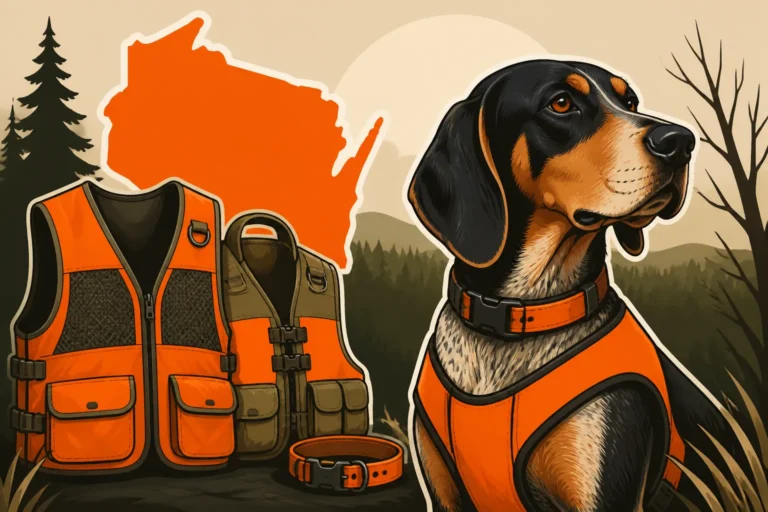
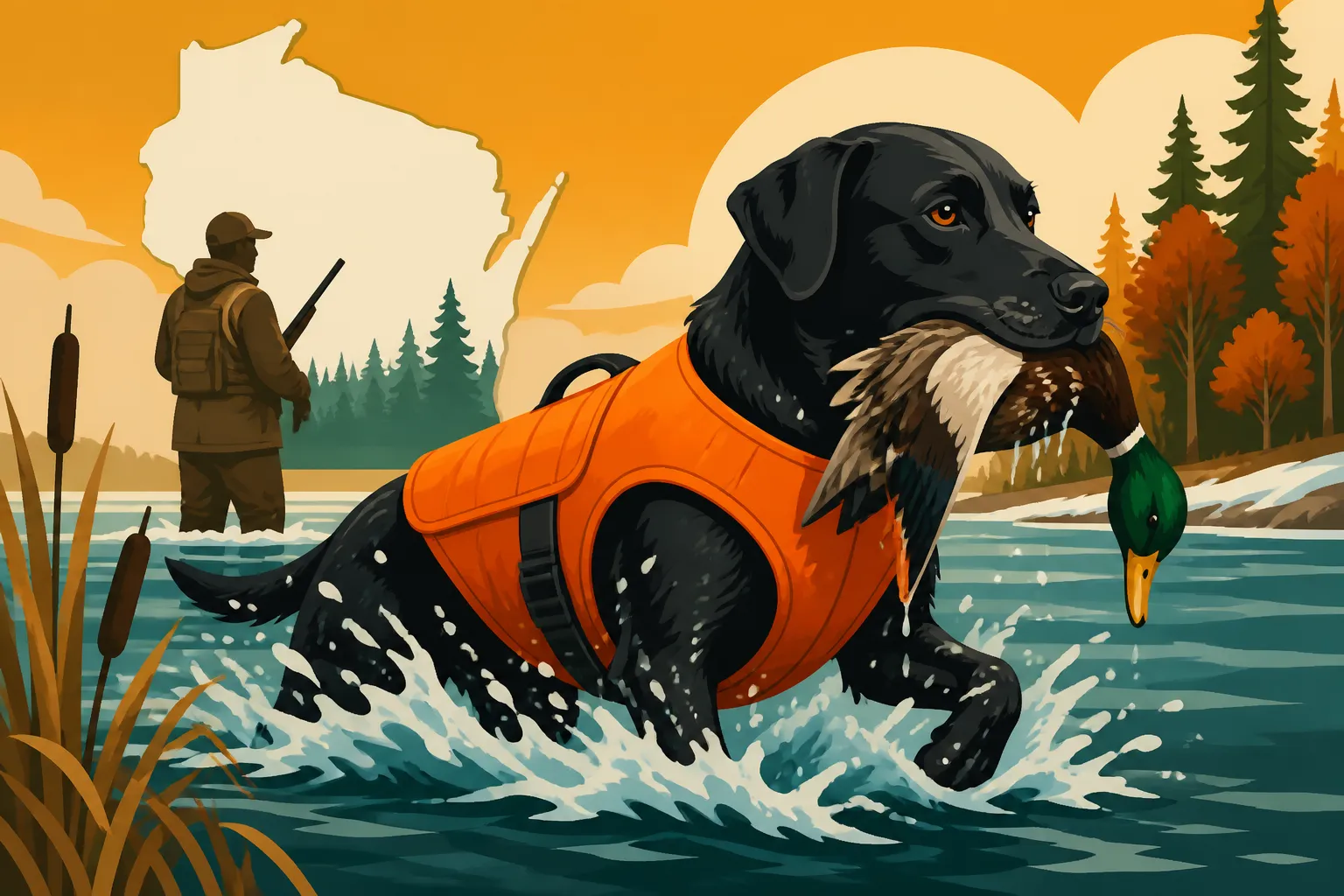
While camouflage might seem intuitive for a hunting vest, in many retrieving scenarios, especially on the water or in low light, visibility is actually a critical safety feature. Bright, high-contrast colors like blaze orange, yellow, or even specialized camo patterns with bright accents make it much easier to spot your dog, both for you and other hunters. This is especially important during retrieves in choppy water, dense fog, or the dim light of dawn and dusk. A highly visible vest can prevent accidental shootings and help you keep track of your dog's location.
Many vests also incorporate a sturdy grab handle, often on the back. This might seem like a small detail, but it's incredibly useful. It allows you to easily lift your dog into and out of boats, over obstacles, or to assist them up steep banks. In an emergency, it provides a crucial point of control, allowing you to quickly pull your dog to safety. Ensure the handle is robustly stitched and can support your dog's full weight, even when wet.
Think about loading your retriever into a layout blind on Horicon Marsh Waterfowl Hunting Rules or pulling them into a canoe while jump shooting. A strong, reliable handle makes these maneuvers much safer and easier for both of you. This feature also allows you to quickly intervene if your dog gets into a sticky situation or needs a helping hand after a particularly demanding retrieve.
Choosing the Right Vest for Your Wisconsin Hunting Dog
Selecting the perfect cold water dog vest means considering your dog's unique characteristics and the specific demands of Wisconsin's diverse hunting environments. It's a personalized decision that will pay dividends in your dog's comfort and safety.
Considering Your Dog's Breed and Build
Just like people, dogs come in all shapes and sizes, and what works for a blocky-headed Labrador might not be ideal for a lean, athletic Chessie or a compact Spaniel. Larger, deep-chested breeds will often require vests with more girth, while smaller or more slender dogs need a different cut to prevent gaping or bunching. It's crucial to accurately measure your dog. Typically, you'll need chest girth (around the widest part of their rib cage), neck circumference, and sometimes back length.
Some brands specialize in vests designed with specific breed types in mind, offering cuts that accommodate broad chests or narrower builds. Don't assume a "medium" from one manufacturer will fit the same as a "medium" from another. Always consult the sizing chart provided by the vest manufacturer and, if possible, try the vest on your dog before a hunt. A poor fit, regardless of the quality of the materials, will compromise both comfort and effectiveness.
For instance, a broad-chested retriever like a Labrador might benefit from a vest with more adjustability around the chest, ensuring a snug fit without restricting their powerful swimming strokes. A smaller, more agile Spaniel might need a vest that is less bulky to maintain their quick movements through dense cover. Understanding your dog's unique physique is the first step in ensuring the vest becomes an extension of them, rather than a hindrance.
Matching the Vest to Wisconsin's Hunting Conditions
Wisconsin's waterfowl seasons span a wide range of weather conditions, from mild September days during the Wisconsin Teal Season Dates to bitter cold late-season hunts in December. The type and thickness of the vest should ideally match these conditions. For early season hunts in relatively warmer water, a lighter, less insulated vest might suffice, primarily offering protection from abrasions and some buoyancy. As temperatures drop and the water gets colder, a thicker neoprene vest (4mm or 5mm) with maximum insulation and buoyancy becomes essential.
Consider the specific waterways you'll be hunting. Are you in shallow, reedy marshes where the primary concern is protection from sharp vegetation? Or are you hunting vast, open waters with strong currents where buoyancy and warmth are critical? A vest designed for rough, icy conditions in a northern lake might be overkill for a calm, southern Wisconsin farm pond, but underdressed for a cold November day on the bay.
Many hunters will have a couple of different vests for their dogs, one for milder conditions and another for the truly brutal weather that Wisconsin often delivers. This adaptability ensures your dog is always appropriately equipped, whether they're breaking skim ice in a flooded field or diving into the chilly depths of a flowage. Keeping an eye on the forecast, much like you would for your own Layering for a Wisconsin Deer Stand, is key to selecting the right gear for your dog.
Maintenance and Care for Longevity
Even the best dog vest won't last if it's not properly cared for. After each use, especially if it's been in muddy or brackish water, rinse the vest thoroughly with fresh water. This removes dirt, debris, and any corrosive elements that can degrade the fabric and stitching over time. Pay attention to the zippers and buckles, ensuring they are free of mud or grit that could cause them to seize up.
Once rinsed, hang the vest to dry completely, preferably in a well-ventilated area away from direct sunlight. Never store a wet or damp vest, as this can lead to mildew, unpleasant odors, and rapid deterioration of the neoprene. Store it flat or hanging to prevent creases or folds that could compromise the insulation. Regularly inspect the vest for any signs of wear and tear, such as frayed stitching, tears in the fabric, or damaged buckles. Addressing minor issues quickly can prevent them from becoming major problems.
Proper maintenance not only extends the life of the vest but also ensures it performs optimally when you need it most. A clean, well-maintained vest is a comfortable vest, and a comfortable vest means a happy, high-performing retriever. Think of it as part of your post-hunt ritual, just like cleaning your shotgun after a day of Waterfowl Loads for Wisconsin Divers.
Integrating the Vest into Your Dog's Training
A dog vest is a piece of equipment, and like any new gear, it requires proper introduction and training to ensure your dog accepts it and performs confidently while wearing it. Rushing the process can lead to resistance or discomfort, which you certainly don't want when the ducks are decoying.
Introducing the Vest Gradually
The first step is a slow and positive introduction, far away from the excitement and pressure of a real hunt. Start by simply letting your dog sniff and investigate the vest. Praise them and offer treats. Then, try putting the vest on for very short periods indoors, maybe just a few minutes at a time. Keep it a positive experience with lots of praise, petting, and favorite treats.
Gradually increase the time your dog wears the vest, always associating it with good things. Let them wear it during playtime, during short walks, or even during meal times. The goal is for the vest to become a normal, comfortable part of their routine, not something scary or restrictive. Never force the vest on a reluctant dog, as this can create a negative association that is difficult to overcome. Patience is key here; a few days of gradual introduction will save you headaches in the field.
Once they're comfortable wearing it around the house and yard, introduce it to short car rides or trips to non-hunting areas where they can wear it for a bit longer without the distraction of birds or training scenarios. This builds their confidence and familiarity before the stakes are raised. Just as you might introduce an e-collar during obedience training, a vest should be part of a progressive training plan. Many hunters leverage mapping and scouting tools like those offered by GoHunt to plan out training locations where their dog can practice in varied terrain and water.
Practice Swims and Retrieves with the Vest
After your dog is comfortable wearing the vest on dry land, it's time to introduce it to water. Start in a familiar, calm body of water where your dog is already happy to swim. Begin with short, easy retrieves, gradually increasing the distance and complexity. Watch your dog closely to ensure the vest isn't impeding their natural swimming motion or causing any discomfort. A properly fitted vest should enhance their performance, not hinder it.
Observe how the vest affects their buoyancy and movement. Some dogs might feel a bit awkward at first due to the added bulk or flotation, but they should quickly adjust. Continue to use positive reinforcement, making every water session with the vest a fun and rewarding experience. Practice retrieving different types of dummies or even real birds if you have access, replicating actual hunting scenarios as closely as possible.
This practice is invaluable for building your dog's confidence and ensuring they are completely at ease when wearing the vest during an actual hunt. You want them focused on the retrieve, not on an uncomfortable or unfamiliar piece of gear. These training sessions also give you a chance to identify any fit issues or areas of chafing before they become a problem in the field.
Safety Considerations and Emergency Preparedness
Even with the best vest, vigilance is always necessary. Before every hunt, quickly inspect your dog's vest for any damage, tears, or worn buckles that could compromise its effectiveness. Ensure it's clean and properly adjusted. Understand that a vest, while providing excellent protection, isn't foolproof. It reduces the risk of hypothermia and injury, but it doesn't eliminate it entirely.
Keep a close eye on your dog for any signs of discomfort or distress, especially during prolonged exposure to cold water. Excessive shivering, lethargy, or reluctance to enter the water are all red flags. If you suspect your dog is becoming hypothermic, get them out of the water immediately, dry them thoroughly, and work to warm them up with blankets, warm towels, or even body heat.
Always have a plan for emergencies. This includes knowing where the nearest veterinarian is, carrying a First Aid Kits for Remote Northwoods Ground that includes items for your dog, and knowing basic canine first aid. Your dog's safety is paramount, and a well-chosen, well-maintained, and properly introduced cold water vest is a crucial part of that commitment.
| Feature | Benefit for Cold Water Retrieves | Key Consideration |
|---|---|---|
| Material (Neoprene) | Excellent insulation, traps body heat against skin, good buoyancy | Thickness (3mm-5mm) impacts warmth vs. flexibility; quality matters |
| Buoyancy Aids | Provides extra lift, reduces swimming effort, conserves energy | Placement and amount of foam panels; ensures balanced floatation |
| Durability (Shell) | Resists tears from brush, ice, and underwater hazards | Robust outer fabric (e.g., Cordura, ballistic nylon); reinforced stitching |
| Grab Handle | Easy retrieval into boats, over obstacles, or in emergencies | Must be sturdy, securely stitched, and comfortable to grip |
| Visibility | Easy to spot dog in low light, fog, or dense cover | Bright colors (blaze orange, yellow) or high-contrast patterns |
| Adjustable Straps | Allows for a snug, custom fit, prevents chafing or twisting | High-quality buckles and straps that hold their position securely |
Disclaimer
This article is for general informational purposes only and does not constitute professional advice. Laws, prices and regulations vary by location and change over time. Consult a qualified professional for guidance on your specific situation.