Muzzleloaders Under Wisconsin Rules
The crisp air of a Wisconsin December, the quiet hush of snow-laden woods, and the unmistakable scent of burnt powder – there's something truly special, almost primal, about hunting with a muzzleloader. Many hunters, myself included, feel a deep connection to tradition and a unique challenge when heading into the woods with a front-stuffer. But if you're new to muzzleloading or just looking to ensure you're squared away with all the ins and outs, navigating Wisconsin's specific rules and regulations can feel a bit like decoding an ancient scroll. This guide will walk you through everything you need to know to confidently and legally hunt with a muzzleloader in our great state, from understanding the gear to mastering the season-specific tactics.
The Allure of Muzzleloading in Wisconsin
There’s a certain romance to the smoke pole. It’s a step back in time, a simplified approach that strips away some of the complexities of modern hunting, focusing instead on woodcraft, patience, and a single, well-placed shot. For many, it’s not just about harvesting a deer; it’s about the experience itself.
Why Choose a Muzzleloader?
When you choose to hunt with a muzzleloader, you're embracing a different pace. It forces you to slow down, to really connect with the hunt in a way that can feel lost amidst the high-tech gadgets and rapid-fire capabilities of modern firearms. There's an undeniable satisfaction that comes from loading your own powder, patching a round ball or sabot, and knowing that every step of the process rests squarely on your shoulders. It's a testament to skill and precision, where follow-up shots aren't an option, making every decision in the field that much more critical. This deliberate approach often leads to a deeper appreciation for the animal and the hunting grounds.
Beyond the personal challenge, muzzleloaders can open up additional hunting opportunities. Many states, including Wisconsin, have dedicated muzzleloader seasons that extend the hunting window beyond the traditional gun season. This means more time in the woods, often during a period when deer have settled back into their patterns after the pressure of the nine-day gun hunt, offering a unique chance at a late-season buck or filling that antlerless tag. The quieter nature of the shot, compared to a centerfire rifle, can also make for less disturbance in your hunting area, potentially keeping deer calmer and more active.
The Dedicated Muzzleloader Season
Wisconsin's dedicated muzzleloader season typically follows directly after the nine-day gun deer season, offering a distinct advantage. Imagine the gun season pressure has subsided, many hunters have hung up their gear, and the woods become quieter, colder, and often blanketed in fresh snow. This is prime muzzleloader time. It's a chance to pursue deer that have likely become wary, requiring different tactics and a higher degree of stealth. The lack of competition on public lands can be a huge draw for those seeking solitude and a more primitive hunting experience.
During this late-season hunt, deer are often focused on available food sources, making scouting for late-season forage critical. Late-Season Food Sources for Whitetails are usually the key to finding active deer. They'll be conserving energy, often moving between bedding areas and feeding grounds in predictable patterns, especially when snow cover makes sign easier to read. The temperatures can be brutal, but the rewards—a calm, unpressured deer, the stark beauty of a winter landscape, and the satisfying thud of a perfectly aimed projectile—are well worth the effort.
Understanding Wisconsin's Muzzleloader Regulations
Wisconsin, like all states, has specific rules governing the use of muzzleloaders. It's absolutely crucial to understand these nuances before heading afield to ensure a safe and legal hunt. Ignorance of the law is never an excuse, and a simple misunderstanding could lead to a ruined hunt or worse.
Legal Firearms and Ammunition
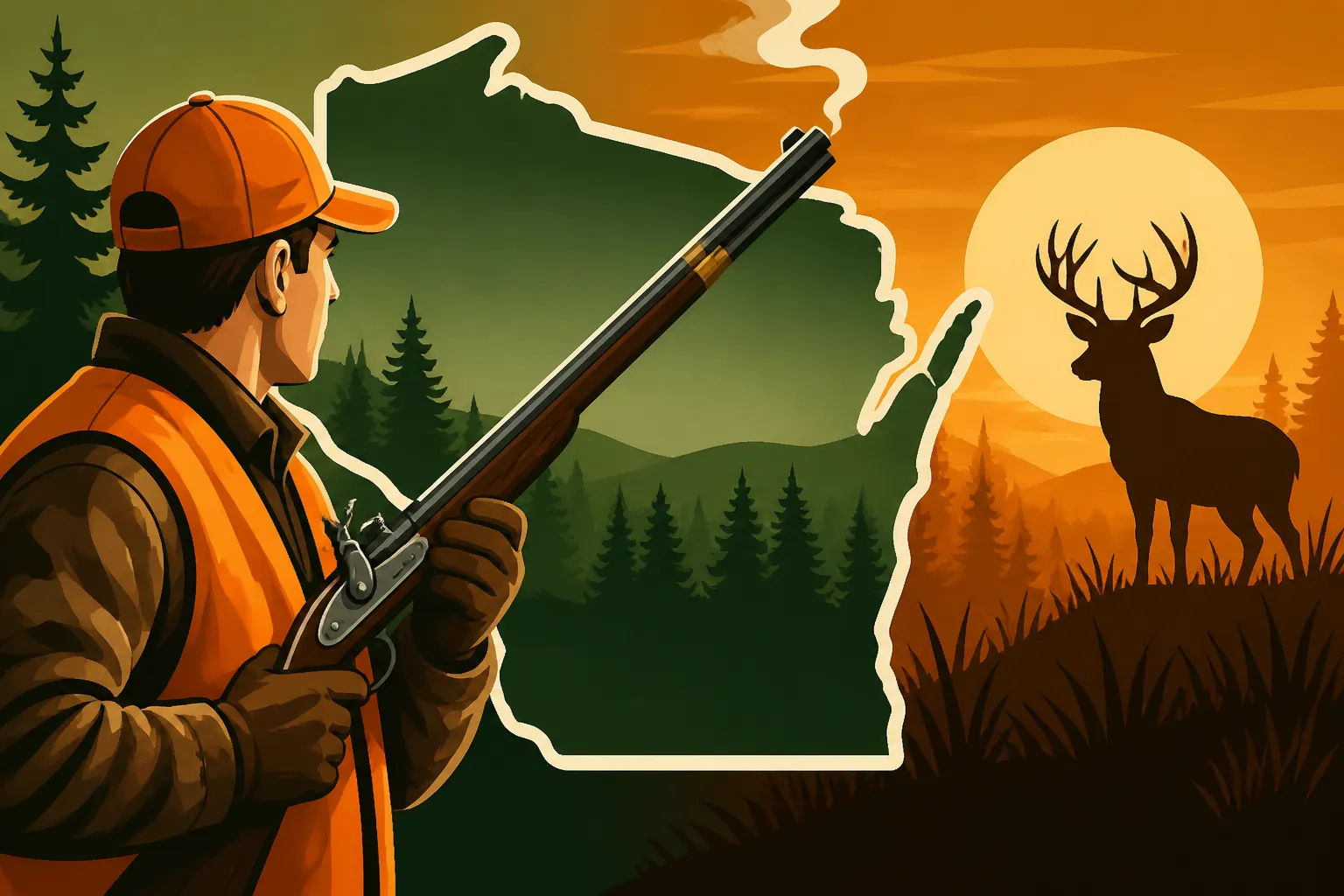
When it comes to the "firearm" itself, Wisconsin's definition of a legal muzzleloader for deer hunting is pretty clear. You’re looking at a firearm that loads from the muzzle, meaning the projectile and powder are loaded down the barrel from the front. This includes traditional flintlock and percussion cap rifles, as well as modern in-line muzzleloaders. The important distinction is that they cannot be loaded from the breech or use self-contained cartridge ammunition. This focus on muzzle-loading maintains the traditional, single-shot nature of the hunt.
As for ammunition, Wisconsin generally permits the use of conical bullets, saboted bullets, and round balls. The minimum caliber for deer is .45, meaning anything smaller is not legal for deer. This minimum ensures sufficient energy and ethical harvest. Many hunters opt for .50 caliber for its versatility and effectiveness. You also need to pay attention to the propellant. Most hunters use black powder or a black powder substitute. Always check the manufacturer's recommendations for your specific muzzleloader, and familiarize yourself with Muzzleloader Tactics in December Cold to ensure your powder stays dry and effective in harsh conditions. It’s not just about what goes in the gun, but how you handle it in the field.
Optics and Sighting Limitations
This is where Wisconsin's muzzleloader rules can sometimes trip up hunters accustomed to modern rifle setups. For the dedicated muzzleloader season, only open (iron) sights or fiber optic sights are generally allowed. This means no magnified scopes, red dot sights, or any other electronic aiming devices. This restriction further emphasizes the traditional nature of the hunt, requiring hunters to develop proficiency with basic sighting systems and to get closer to their game. It's a challenge, for sure, but also incredibly rewarding when you make that shot.
The absence of a magnified optic fundamentally changes your approach to hunting. Shot distances are inherently shorter, usually within 100 yards, often much less in timber. You'll need to focus more on stealth, scouting, and closing the distance effectively. This limitation forces you to become a better woodsman, paying closer attention to wind, cover, and deer behavior. Practice at the range with your open sights is non-negotiable; know your effective range cold, and don't push ethical boundaries.
Blaze Orange and Hunter Safety
Safety is paramount in any hunting pursuit, and muzzleloader season is no exception. During the dedicated muzzleloader season, hunters are required to wear blaze orange or fluorescent pink, just as they are during the regular gun deer season. This isn't just a suggestion; it's a critical safety measure designed to ensure you're visible to other hunters in the woods. The regulations specify a certain amount of visible material, typically a cap and an outer garment, above the waist, that is 50% or more blaze orange or pink. Always check the current regulations for the exact requirements regarding How Much Blaze Orange Wisconsin Requires.
Furthermore, hunter safety is a foundational aspect of hunting in Wisconsin. If you were born on or after January 1, 1973, you generally need to possess a hunter education certificate to purchase a hunting license. Even if you're exempt, a refresher course or regular review of safety protocols is always a good idea. Muzzleloaders, with their unique loading and handling characteristics, demand extra attention to safety, particularly concerning powder storage, loading procedures, and keeping the muzzle pointed in a safe direction at all times. A responsible hunter is a safe hunter, and safety should always be your top priority.
Preparing Your Muzzleloader for Wisconsin's Challenges
Wisconsin's late season can throw a lot at you: bitter cold, driving snow, freezing rain. Your gear needs to be up to the task, and your preparation needs to be meticulous. Don't let your muzzleloader become a fancy club; make it a reliable hunting tool.
Choosing the Right Muzzleloader for Wisconsin
When selecting a muzzleloader for Wisconsin, consider the conditions you'll face. Modern in-line muzzleloaders with synthetic stocks and stainless steel barrels are incredibly popular for their durability and weather resistance. These guns are designed to withstand the cold, wet, and rugged conditions that often characterize our late deer season. They are generally easier to clean and less prone to rust than traditional blued steel and wood, which can be a real blessing after a day in the sleet.
However, many traditionalists prefer percussion cap or even flintlock rifles. While these demand a bit more care in inclement weather to keep the pan or cap dry, they offer an unparalleled connection to hunting heritage. If you're going the traditional route, investing in a good leather "frizzen cover" for a flintlock or ensuring your percussion caps are well-seated and protected from moisture is crucial. Regardless of your choice, ensure the firearm fits you well and is comfortable to carry, because you'll likely be doing a fair amount of walking and still-hunting. Consider features like ease of disassembly for cleaning and the type of ignition system, weighing reliability against historical authenticity.
Selecting Powders and Projectiles
The heart of your muzzleloader's performance lies in its powder and projectile combination. For powder, black powder is the traditional choice, but modern black powder substitutes like Pyrodex, Triple Seven, and Hodgdon's BH209 are incredibly popular. These substitutes burn cleaner, are less corrosive, and often offer more consistent velocities. However, always check your firearm's manual for approved powders. Using the wrong powder can be extremely dangerous. Remember that different powders require different cleaning regimens and have varying tolerances for moisture.
Projectiles come in many forms: traditional round balls, conical bullets, and saboted projectiles. Round balls are often the most accurate in older, slower-twist barrels, delivering excellent terminal performance at close range. Conical bullets offer more weight and energy retention, while saboted projectiles (a modern bullet encased in a plastic sleeve) can provide excellent accuracy and a wider range of bullet options, often mimicking centerfire rifle bullet performance. When choosing between Sabot Versus Conical for Deer, consider your barrel's twist rate, your effective range, and the type of hunting you'll be doing. Testing various combinations at the range is absolutely essential to find what shoots best in your specific muzzleloader.
| Projectile Type | Characteristics | Best Use Case |
|---|---|---|
| Round Ball | Traditional, good for slower twist rates, light | Close-range, open-sight hunting, traditional guns |
| Conical Bullet | Heavier, more energy, good for moderate twist rates | Medium-range, more impact energy, often more accurate |
| Saboted Bullet | Modern bullet in plastic, high ballistic coefficient | Longer range (within open-sight limits), excellent accuracy |
Practice and Proficiency
You wouldn't head into the woods with a rifle you've never shot, and the same goes for a muzzleloader. In fact, it's even more critical. Since you typically only get one shot, that shot must count. Spend time at the range, not just punching paper, but practicing your loading routine and shooting positions. Get comfortable with the recoil, the smoke, and the slightly delayed report. Understand your point of impact at various distances, especially within your expected hunting range of 50-100 yards with open sights.
Practice in various conditions, too. If possible, shoot on a cold day, with cold hands, and while wearing your hunting clothes. This simulates real-world scenarios much better than a warm summer day at the bench. Knowing that you can confidently load and shoot accurately, even under pressure, will be your biggest asset in the field. Don't just sight it in and walk away; become intimately familiar with your muzzleloader's capabilities and your own limitations. This proficiency builds confidence, which is key to ethical hunting.
Tactics and Strategies for Muzzleloader Hunting
Muzzleloader hunting in Wisconsin, particularly during the late season, demands a strategic approach. Deer behavior shifts with the dropping temperatures and increased hunting pressure, and your tactics need to adapt accordingly.
Still-Hunting in the December Woods
One of the most effective methods for muzzleloader hunting, especially with open sights, is still-hunting. This involves moving incredibly slowly and deliberately through the woods, pausing frequently to observe, listen, and scan your surroundings. It's about letting the woods come alive around you rather than crashing through them. During the late season, deer are often bedded down to conserve energy, especially during daylight hours. Your slow, silent approach can catch them off guard in their beds or moving cautiously between cover and food sources.
Focus on areas with good cover and potential food, like stands of evergreens, thick brush, or unharvested fields. Pay close attention to subtle changes in terrain, wind direction, and fresh sign. Still-hunting requires immense patience, but it allows you to close the distance on game, getting within that critical 50-70 yard range where open sights are most effective. Remember, your single shot is your only shot, so you need to be close, calm, and sure. Combining this with knowledge of Still-Hunting After a Wisconsin Snow can be deadly effective, as snow not only quiets your steps but also reveals fresh tracks.
Dealing with Cold and Wet Weather
Wisconsin's December weather can be brutal, and keeping your muzzleloader functional in freezing rain or heavy snow is a constant battle. Moisture is the enemy of black powder and percussion caps. Invest in a good muzzle cover – even a balloon or a piece of electrical tape can work wonders – to keep snow and rain out of the barrel. For percussion caps, ensure they are tightly fitted and consider carrying a small piece of inner tube or tape to cover the nipple and cap, especially if you anticipate extended exposure to moisture.
Beyond protecting your firearm, you need to protect yourself. Layering is crucial for Cold Weather Sitting Strategy and movement. High-quality base layers, insulating mid-layers, and a waterproof/windproof outer shell will make a huge difference in your comfort and ability to stay focused. Remember that when hunting with a muzzleloader, especially when still-hunting, you'll be moving slowly, generating less body heat than if you were actively hiking. Footwear is also key; insulated, waterproof boots are essential for keeping your feet warm and dry in wet snow and slush. A truly miserable hunter is an ineffective hunter.
Tracking and Recovery
If you're hunting in December, there's a good chance you'll have snow on the ground, which can be a double-edged sword. On one hand, it makes Tracking a Deer in Wisconsin Snow much easier, revealing fresh tracks and helping you decipher deer movement. On the other hand, a blood trail on snow can be challenging, especially if the snow is actively falling or if the wound is not significant. After the shot, give the deer ample time before tracking, especially with a muzzleloader. Black powder rounds can sometimes leave less of a blood trail than modern cartridges, and waiting ensures the animal expires nearby rather than being pushed further.
When tracking, move slowly and methodically. Look for blood, disturbed snow, and any signs of the deer's direction of travel. If the blood trail peters out, expand your search pattern in ever-widening circles. Mark your last spot of blood so you can always return to it. If darkness falls, consider calling it a night and returning at first light. Blood Trailing After Dark in Wisconsin can be difficult and often leads to lost game. GoHunt, a valuable resource for hunters, often features articles and tools that can help with post-shot strategies and tracking, emphasizing patience and a systematic approach.
Beyond the Dedicated Season: Muzzleloaders in Other Hunts
While the dedicated muzzleloader season is a prime time, these traditional firearms aren't exclusively relegated to that short window. Wisconsin regulations allow muzzleloaders in other seasons, offering additional flexibility and opportunity.
Archery Season Opportunities
One often-overlooked aspect is the ability to use a muzzleloader during Wisconsin's expansive archery season, provided you possess an archery or crossbow license. This is a fantastic option for hunters who enjoy the challenge of a muzzleloader but prefer to hunt during the earlier, milder fall months. Bowhunting Wisconsin's Long Archery Season typically runs from mid-September through early January, minus the nine-day gun season interruption. This means you can be out in late September and October with your muzzleloader, when deer are still on summer patterns and the rut is just beginning to heat up.
Using a muzzleloader in archery season, however, comes with its own set of considerations. You will still need to adhere to the blaze orange requirements if you are hunting during the concurrent gun season dates (like the youth hunt or holiday hunt) but not during the main archery-only periods. The primary benefit is access to earlier conditions, potentially warmer weather, and deer that haven't faced significant firearm pressure yet. It also allows you to hone your muzzleloader skills well before the dedicated season, making you a more proficient hunter overall.
Special Considerations for Youth and Mentored Hunts
Wisconsin's youth deer hunt offers a wonderful opportunity for young hunters to get into the field with an experienced mentor, and muzzleloaders are a legal choice for this special weekend. This can be a perfect introduction to firearm hunting, as the single-shot nature of a muzzleloader encourages patience and shot placement, rather than relying on rapid follow-up shots. Hunting the Wisconsin Youth Deer Hunt teaches responsible hunting practices from a young age, and the muzzleloader can be an excellent tool for instilling those values.
For adults participating in the mentored hunting program, a muzzleloader can also be a viable option. Mentored hunting allows an unlicensed hunter to hunt with a licensed mentor, and this extends to muzzleloaders. This is a great way for new hunters, regardless of age, to experience the unique challenge and reward of muzzleloading under the direct supervision of an experienced individual. Always check the specific rules for Wisconsin Hunter Safety and Mentored Hunting to ensure all participants are compliant with the law, including blaze orange requirements and proximity to the mentor.
Navigating Public Lands with a Muzzleloader
Wisconsin boasts an impressive amount of public hunting land, from vast national and state forests to county lands and wildlife areas. Hunting these lands with a muzzleloader can be incredibly rewarding, offering solitude and excellent opportunities if you know where to look.
Finding Productive Muzzleloader Ground
During the late muzzleloader season, public lands often see a significant decrease in hunter pressure compared to the opening days of gun season. This is a huge advantage. Deer that have been driven deep into cover or pushed off private parcels may start to relax and resume more natural movements. Focus your scouting efforts on areas with heavy cover, such as thick cedar swamps, dense conifer stands, or areas of thick regrowth from old clearcuts. These provide both shelter from the elements and a sense of security for wary deer.
Utilize resources like the Wisconsin DNR's public access land maps or hunting apps like GoHunt, which offer detailed satellite imagery and land ownership overlays. Look for bottlenecks, pinch points, and funnel areas within these covers that deer would naturally use to move between bedding and feeding areas. Don't be afraid to walk a little further than most; often, the best muzzleloader hunting spots are found by those willing to put in the legwork to get away from road access. Places like the Chequamegon-Nicolet National Forest or larger county forests can be excellent options, as detailed in Chequamegon-Nicolet National Forest Hunting.
Respecting Rules and Other Hunters
Hunting public land comes with a shared responsibility. Always be aware of other hunters, and be respectful. During the muzzleloader season, there will still be hunters out, perhaps pursuing antlerless deer on bonus tags or other game. Your blaze orange or pink is not just for your safety, but for the safety of others. Be mindful of noise, especially if you're still-hunting slowly through an area where others might be posted on stands.
Always adhere to specific public land regulations regarding treestand placement, ground blind use, and any restrictions on baiting or feeding. While baiting restrictions are often county-specific, remember that Wisconsin Baiting and Feeding Bans apply to public land if enacted in a particular area. Leave no trace, pack out everything you pack in, and if you encounter another hunter, a friendly nod or a quiet greeting goes a long way. Our public lands are a shared resource, and responsible behavior ensures they remain available and enjoyable for everyone.
Disclaimer
This article is for general informational purposes only and does not constitute professional advice. Laws, prices and regulations vary by location and change over time. Consult a qualified professional for guidance on your specific situation.