Slug Guns and Shotgun Deer Loads
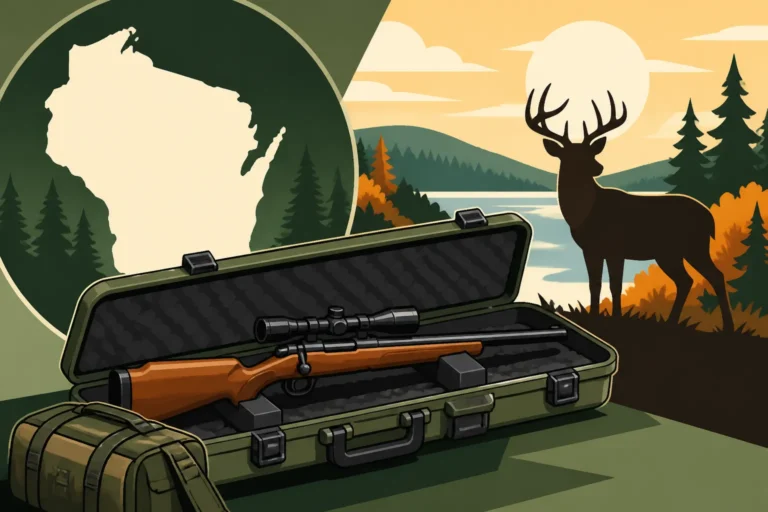
For many Wisconsin deer hunters, the question of what firearm to carry into the woods is a deeply personal one, often fraught with decisions shaped by tradition, evolving regulations, and the unique terrain we pursue our whitetails in. While rifles have become widely legal across much of the state, the trusty slug gun still holds a significant place in many hunters' arsenals, offering a unique set of advantages and challenges. This guide is here to demystify slug guns and their ammunition, helping you understand their role and how to optimize them for success on your next Wisconsin deer hunt.
The Enduring Role of Slug Guns in Wisconsin Deer Hunting
There was a time, not so long ago, when the choice between a rifle and a shotgun for deer hunting in Wisconsin wasn't really a choice at all in many areas. For decades, much of southern Wisconsin and other specific zones were designated "shotgun-only" territories. This history has ingrained slug guns into our hunting culture, even as regulations have shifted.
Why Shotguns Remain Relevant in a Rifle-Dominated World
Even with the widespread legalization of rifles for deer hunting across most of Wisconsin, slug guns haven't faded into obscurity. They continue to be a go-to for many hunters for several compelling reasons. For one, many of us grew up hunting these areas with shotguns, and there's a certain comfort and proficiency that comes with years of using a particular firearm. That familiarity often translates to confidence in the field.
Beyond tradition, slug guns offer distinct advantages in certain hunting scenarios. In densely populated areas or fragmented agricultural landscapes, where shots are typically close and safety is paramount, the limited effective range and immediate energy transfer of a slug can be preferred. A heavy slug delivers a significant punch, often stopping a deer in its tracks at closer ranges, which can be invaluable when tracking in thick cover or near property lines. The projectile design of many slugs also tends to lose energy more rapidly than a rifle bullet, reducing the risk of over-penetration or long-distance travel, a crucial consideration when hunting smaller parcels of land or near developed areas.
Understanding Wisconsin's Firearm Regulations for Deer
Wisconsin's firearm regulations for deer have seen significant changes over the years. What was once a patchwork of "shotgun-only" zones across much of southern Wisconsin and other specific areas has largely opened up to the use of rifles. This was a big shift for many hunters, giving them more options than ever before. However, it's still absolutely critical to understand the current regulations because exceptions, local ordinances, or specific property rules can still impact your choice of firearm.
While most of the state now permits rifles for deer hunting, certain limited areas, often within specific county lines or on certain public lands, might still have restrictions that favor or even mandate the use of shotguns. It's not as prevalent as it once was, but it pays to check the current hunting regulations pamphlet or use online resources like GoHunt to verify the specific rules for your hunting zone. Even if rifles are allowed, some hunters simply feel more comfortable using a slug gun in certain types of terrain or proximity to neighbors. Always double-check what is legally allowed in the specific area you plan to hunt to avoid any issues. For a broader overview, take a look at Legal Firearms for Wisconsin Deer.
Deciphering the Shotgun Deer Loads Landscape
When you head to the sporting goods store, you'll quickly discover that not all shotgun slugs are created equal. The sheer variety can be overwhelming, with different gauges, shell lengths, and, most importantly, different slug designs. Understanding these differences is absolutely essential for optimizing your slug gun for deer hunting accuracy and effectiveness.
Rifled Slugs vs. Sabot Slugs: The Fundamental Difference
This is perhaps the most critical distinction when choosing shotgun deer loads, and it directly relates to the type of barrel on your shotgun.
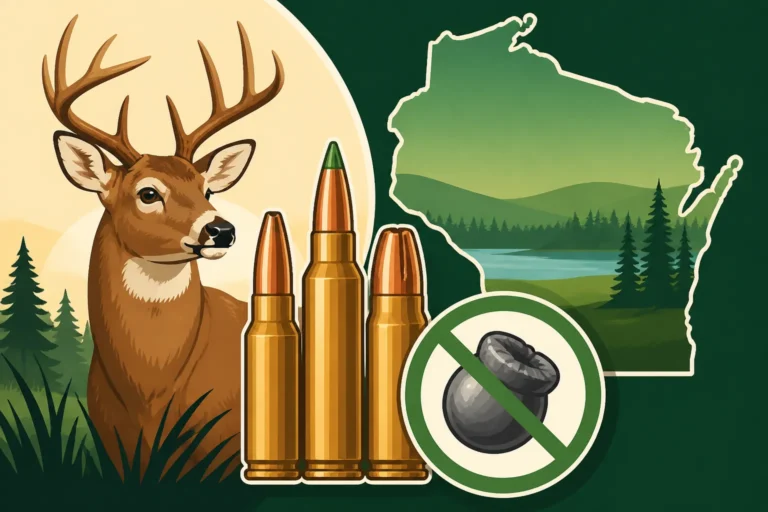
- Rifled Slugs (Foster Slugs): These are the traditional slugs most people envision. They typically have "rifling" on the outside (often called Foster-type slugs) or are solid lead projectiles designed to be shot through a smoothbore shotgun barrel. The external "rifling" on these slugs doesn't actually impart spin like a rifle barrel; instead, it's designed to allow the slug to compress slightly when passing through a choke and to reduce friction. Their stability in flight comes primarily from their weight-forward design, like a badminton shuttlecock. They are generally less aerodynamic and less accurate at longer distances compared to sabot slugs, but they are effective and affordable for close-range hunting, usually out to about 75-100 yards. They're often made of softer lead, which provides significant energy transfer upon impact.
- Sabot Slugs: These are a more modern innovation designed for rifled shotgun barrels. A sabot (pronounced "SAY-bow" or "SA-boh") is a cup or sleeve, usually made of plastic, that surrounds a smaller, aerodynamic projectile. The sabot engages the rifling in the barrel, imparting a spin to the projectile as it travels down the bore. Once the slug exits the barrel, the sabot peels away, leaving the spin-stabilized projectile to fly true. Because the projectile itself is often smaller, harder, and more aerodynamic than a rifled slug, sabot slugs offer significantly improved accuracy and a flatter trajectory, extending the effective range of a shotgun out to 150-200 yards or even more for skilled shooters with well-matched setups. They are, however, considerably more expensive than rifled slugs.
Choosing the wrong slug for your barrel type is a common mistake that leads to poor accuracy. Rifled slugs should only be used in smoothbore barrels, and sabot slugs demand a rifled barrel to perform as intended.
Gauge and Shell Length Considerations
Beyond the slug type, you'll need to consider the gauge of your shotgun and the shell length.
- 12 Gauge vs. 20 Gauge: The 12 gauge is often seen as the traditional deer hunting choice due to its raw power and the heavier slugs it can launch. A 12-gauge slug delivers a formidable amount of energy, which is excellent for quickly anchoring a deer. However, the trade-off is often substantial recoil, which can make follow-up shots slower and practice less enjoyable. The 20 gauge, on the other hand, has made significant strides in recent years, especially with modern sabot slug technology. A 20-gauge sabot slug shot from a rifled barrel can be incredibly accurate and deadly, often with less recoil than its 12-gauge counterpart. Many hunters find the 20 gauge to be a more comfortable and manageable platform, particularly for younger hunters or those sensitive to recoil, without sacrificing terminal performance on deer. For more information, check out Shotgun Slugs for Wisconsin Deer.
- 2 ¾ inch vs. 3 inch Shells: Most slug guns will chamber both 2 ¾ inch and 3 inch shells. The 3-inch magnum shells contain more powder and often a heavier slug, promising more velocity and energy. While this sounds appealing, it comes with a noticeable increase in recoil. For many hunters, especially with a 12 gauge, the added recoil of a 3-inch slug might lead to flinching or poor shooting habits, ultimately reducing accuracy. A well-placed 2 ¾ inch slug is always more effective than a flinched 3-inch magnum. It's often best to test both in your specific firearm to see if the ballistic advantage of the 3-inch shell outweighs the comfort and accuracy of the 2 ¾ inch. For practical deer hunting ranges, the difference in terminal performance between the two shell lengths is often negligible with proper shot placement.
Optimizing Your Shotgun Setup for Deer Accuracy
A shotgun straight out of the box with a bead sight might be fine for flushing pheasants, but deer hunting demands a higher level of precision. To get the most out of your slug gun, especially with modern sabot slugs, you need to consider some key upgrades and practices.
The Critical Role of Your Barrel: Smoothbore vs. Rifled
As we touched on earlier, the barrel is arguably the single most important component for accuracy when deer hunting with a shotgun.
- Smoothbore Barrels: If you're using a traditional smoothbore barrel, you must use rifled (Foster-type) slugs. These barrels are designed for shot shells and don't impart spin. While you can get reasonable accuracy out to 75-100 yards with a good smoothbore and the right rifled slug, consistently achieving tighter groups at longer ranges can be challenging. Many smoothbore hunters opt for open sights or a red dot sight for quick target acquisition at these closer distances. If you currently own a smoothbore shotgun and want to improve its deer hunting capability without buying a new gun, you might consider an aftermarket smoothbore slug barrel, which often features better iron sights or is drilled and tapped for optics.
- Rifled Barrels: For any serious attempt at extending your slug gun's effective range and accuracy, a rifled barrel is nearly a requirement. These barrels feature spiraling grooves just like a rifle barrel, specifically designed to spin a sabot slug, leading to much greater stability and precision in flight. Most dedicated slug guns or interchangeable slug barrels will be fully rifled. With a good rifled barrel and matching sabot slugs, you can achieve accuracy comparable to some centerfire rifles out to 150-200 yards. This opens up opportunities for shots across wider openings or longer field edges that would be impossible with a smoothbore. Understanding the differences between Rifled Versus Smoothbore Slug Barrels is key to making the right choice.
Optics for Shotgun Deer Hunting
Relying on a simple bead sight for deer hunting with a slug gun is often a recipe for frustration. While it works for fast, close-range bird hunting, a deer's vital zone demands more precision.
- Low-Power Scopes: For most slug gun hunters, a low-power variable scope is the ideal choice. Something in the 1-4x, 2-7x, or 3-9x range provides enough magnification for precise shot placement at typical slug gun distances without being overkill. The lower end of the magnification spectrum is excellent for quick target acquisition in thick timber, while the higher end allows for more precise aiming on those longer shots across a field or food plot. Look for scopes with good light-gathering capabilities, especially important during those low-light dawn and dusk hours when deer are most active. Durability is also key, as slug gun recoil can be punishing on optics.
- Red Dot Sights: Another excellent option, particularly for close-to-medium range hunting (under 100 yards), is a red dot sight. These sights offer extremely fast target acquisition, which is a huge advantage when a deer suddenly appears in thick brush or needs to be tracked on the move. They are typically parallax-free, meaning the point of impact doesn't change significantly with slight head movements. Red dots are robust, user-friendly, and very effective in dense cover or during deer drives.
When choosing optics, ensure you have a robust mounting system. The heavy recoil of slug guns can loosen poorly mounted scopes or red dots, leading to frustrating accuracy issues.
Ammunition Testing and Zeroing Your Slug Gun
This is where many slug gun hunters either excel or falter. Slug guns are notorious for being finicky about ammunition. What shoots great in your buddy's identical model might pattern terribly in yours.
- Ammunition Testing: You absolutely must test several brands and types of sabot slugs (if you have a rifled barrel) or rifled slugs (for a smoothbore) to find what your specific shotgun prefers. Buy a few different boxes from reputable manufacturers like Federal, Hornady, Remington, or Winchester. Head to the range and shoot at least three 3-shot groups with each type at your intended zeroing distance (typically 50 or 100 yards). You'll quickly see which load consistently groups the tightest. It might be expensive to buy all those different boxes, but the confidence you gain by knowing your gun's preferred load is priceless. This is where using a tool like GoHunt to mark your range results or scouting locations for suitable backstops can be a big help.
- Zeroing Your Slug Gun: Once you've found your preferred load, it's time to zero your optics. For most slug guns, a 100-yard zero is a good starting point, especially with sabot slugs, as it provides a relatively flat trajectory out to about 150 yards with minimal holdover. However, if you know your shots will never exceed 75 yards in thick cover, a 75-yard zero might make more sense. Understand your slug's trajectory by consulting the ballistic data on the ammunition box or manufacturer's website. Practice shooting at various distances to understand your slug's drop. Remember, a slug drops much faster than a centerfire rifle bullet, so knowing your limits is crucial. Regularly checking your zero before and during the season is also a smart habit, as bumps and bangs can easily shift impact points. For those who traditionally zero rifles, think about how this differs from Zeroing at 100 Yards for Woods Hunting with a rifle.
Tactical Applications for Wisconsin Terrain
Wisconsin's diverse landscape, from the dense northern forests to the rolling farmlands and rugged coulees of the Driftless Area, offers a variety of challenges for deer hunters. Understanding how a slug gun fits into these different environments is key to leveraging its strengths.
Close-Quarters Hunting in Thick Cover and Swamps
This is arguably where the slug gun truly shines. Imagine you're still-hunting a dense cedar swamp in Northern Wisconsin, where visibility might only extend 30 or 40 yards. Or perhaps you're pushing a small woodlot in central Wisconsin, and a deer jumps at spitting distance. In these scenarios, the rapid handling and powerful impact of a slug gun are tremendous assets.
The thick cover often means quick, reactionary shots, and the inherent balance of many shotguns allows for fast target acquisition. A heavy slug, whether rifled or sabot, delivers a profound shock and energy transfer, often dropping deer immediately or at least anchoring them quickly, reducing the chances of a long, difficult track through the dense brush. This is particularly valuable in places like the thick cattail marshes or tamarack swamps where a wounded deer can vanish in seconds. Many experienced hunters choose a slug gun specifically for these types of hunts, prioritizing devastating close-range power over extended reach. For a deep dive into such tactics, refer to Still-Hunting Wisconsin Cedar Swamps.
Farmland Edges and Moderate Distances
Even in more open farmland areas or along the edges of timber blocks, slug guns can be highly effective, especially with a properly set up rifled barrel and sabot slugs. While a rifle might offer more reach, a well-practiced slug gun hunter can confidently take shots out to 150 yards, sometimes even 200 yards, across fields or food plots.
Consider hunting along a standing cornfield. Deer often use the corn for cover, only to emerge along the edges or cross narrow openings. Here, a slug gun equipped with a good scope and sighted in with its preferred sabot load can provide the necessary precision. Hunters sitting in treestands overlooking smaller clearings or logging roads in the southern part of the state might find that their effective shooting lanes fall well within a slug gun's capabilities. The key is knowing your gun's limitations and practicing extensively at those distances. While a rifle might allow you to stretch shots further, sticking to the Practical Range in Wisconsin Timber or across farm fields with your slug gun ensures ethical and clean kills. This approach is very effective for Hunting a Standing Cornfield in Farm Country where shots are often contained.
Pros and Cons of Hunting Deer with a Shotgun in Wisconsin
Like any hunting tool, slug guns come with their own set of advantages and disadvantages. Weighing these against your personal hunting style, the terrain you hunt, and current regulations will help you decide if a slug gun is the right choice for you.
Advantages of the Slug Gun
- Devastating Close-Range Power: At ranges under 100 yards, a shotgun slug delivers a tremendous amount of energy to the target. This often results in quick, decisive kills, minimizing tracking efforts, which is a huge benefit in thick cover or late-season conditions.
- Regulation Compliance (Historically and Situationally): While less common statewide now, slug guns were historically mandated in many areas, and still might be preferred or required in specific local situations or on certain managed lands due to safety concerns. Owning a slug gun ensures you're ready for any such restrictions.
- Versatility of the Shotgun Platform: Many hunters appreciate that their shotgun can pull double duty. With a quick barrel swap (from a rifled slug barrel to a smoothbore field barrel), the same firearm can be used for deer, turkey, waterfowl, and upland birds. This makes it a highly economical and versatile choice for hunters involved in multiple pursuits.
- Reduced Risk in Populated Areas: Due to their typically lower velocities and heavier mass, shotgun slugs tend to lose energy faster and deflect more easily than high-velocity rifle bullets. This characteristic can be seen as a safety advantage when hunting in areas with nearby residences, outbuildings, or limited sightlines, as it reduces the risk of a slug traveling long distances or ricocheting unpredictably.
- Hunting on Pressure Public Land: On popular public hunting lands, deer can be jumpy. The ability to make a fast, confident shot at closer range can be more valuable than extreme long-range capability. This helps when dealing with Hunting Pressure on Wisconsin Public Land.
Disadvantages and When a Rifle Might Be Better
- Significant Recoil: A major drawback of slug guns, especially 12-gauge models firing magnum loads, is the recoil. It can be quite stout, leading to flinching, bruised shoulders, and making extended practice sessions less pleasant. This can also impact the ability to make a quick follow-up shot.
- Limited Effective Range: Even with a top-tier rifled barrel and sabot slugs, the effective range of a slug gun generally tops out around 150-200 yards. This is considerably less than most centerfire rifles, which can be accurate at 300 yards and beyond. If you frequently hunt wide-open spaces, vast agricultural fields, or areas with opportunities for Long Shots Across a Wisconsin Coulee, a rifle will offer a distinct advantage.
- Ammunition Cost and Availability: Quality sabot slugs, particularly, are much more expensive per round than most rifle ammunition. This can make extensive practice sessions costly. Availability can also be an issue, as specific brands and types might be harder to find, especially close to deer season.
- Accuracy Can Be Finicky: As discussed, slug guns can be very particular about ammunition. Finding the "right" load can involve significant trial and error and expense. Even then, consistency can sometimes be a challenge compared to a well-tuned rifle.
- Weight and Bulk: Many shotguns, especially those outfitted with heavy slug barrels and optics, can be quite heavy and somewhat cumbersome for long walks in rugged terrain.
Slug guns remain a viable and often excellent choice for deer hunting in Wisconsin, particularly when matched with the right ammunition and optimized with appropriate optics. They fill a specific niche, excelling in close-range, heavy cover scenarios where their raw power and limited range can be an advantage. For hunters who prioritize versatility, historical accuracy (in some areas), or prefer hunting closer distances, a slug gun can be a highly effective and rewarding tool. However, for those seeking maximum range and flatter trajectories for open country, a modern rifle still holds the edge. The best approach for many Wisconsin hunters involves owning both, choosing the right tool for the specific hunt, and always prioritizing practice and knowing your equipment's limitations. Don't forget that Optics for Wisconsin Timber and Coulees can be different for shotguns vs. rifles. Consider your specific hunting needs and the terrain of Hunting Wisconsin Farmland Deer before making your final decision.
| Feature | Rifled Slugs (Foster Type) | Sabot Slugs |
|---|---|---|
| Barrel Type | Smoothbore (preferable with open chokes) | Fully Rifled Barrel (required for best accuracy) |
| Accuracy | Good at close range (50-75 yards) | Excellent (100-200+ yards) |
| Range | Limited (max 100 yards effective) | Extended (up to 200+ yards effective) |
| Cost | Generally more affordable | Considerably more expensive |
| Design | Full-bore lead projectile, external "rifling" | Smaller, aerodynamic projectile encased in plastic sabot |
| Recoil | Significant, especially in 12 gauge | Can be stout, though 20 gauge often less so |
| Use Case | Thick cover, short-range shots, dense areas | Open fields, longer shots, requiring precision |
| Key Benefit | Reliability, affordability, close-range knock-down power | Superior accuracy, extended range, flatter trajectory |
Disclaimer
This article is for general informational purposes only and does not constitute professional advice. Laws, prices and regulations vary by location and change over time. Consult a qualified professional for guidance on your specific situation.