Can Nonresidents Apply for Wisconsin Elk?
It's a dream many of us share, whether we live here or just love visiting our beautiful state: the chance to pursue a magnificent elk in the wild Wisconsin woods. You've heard the stories, seen the pictures, and perhaps even glimpsed these incredible animals. Naturally, if you're an out-of-state hunter, you're wondering if you can throw your hat in the ring for one of those coveted tags. This guide will dive deep into Wisconsin's elk hunting regulations, specifically addressing the question of nonresident eligibility and what opportunities are available to you.
The Allure of Wisconsin Elk Hunting
There's something truly special about elk, isn't there? Their sheer size, their haunting bugle echoing through the timber, the challenge of pursuing such an intelligent animal. For many, elk hunting is the pinnacle of a big game pursuit, and Wisconsin offers a unique backdrop to this experience.
The Comeback Story of Wisconsin Elk
Wisconsin’s elk herd is a testament to dedicated conservation efforts and the resilience of wildlife. For well over a century, elk were absent from our landscape, extirpated by unregulated hunting and habitat loss. But thanks to the efforts of the Wisconsin Department of Natural Resources (DNR), partner organizations like the Rocky Mountain Elk Foundation, and countless volunteers, elk were reintroduced starting in 1995 near Clam Lake. A second herd was established in the Black River Falls area in 2015. It's been a slow, careful process, nurturing these herds from just a handful of animals to a robust, growing population. The sight of a wild elk here in Wisconsin isn't just a treat; it's a powerful symbol of what can be achieved when we commit to conservation.
Where Wisconsin Elk Roam
Today, Wisconsin boasts two distinct, free-ranging elk herds. The original herd, often referred to as the Clam Lake Elk Herd, primarily occupies portions of Ashland, Bayfield, Sawyer, and Price counties in the northern part of the state. This area is characterized by vast tracts of national and county forests, providing the mixed forest and open clearings elk thrive in. The newer Black River Falls Elk Herd is found in Jackson County in central Wisconsin, utilizing the diverse habitats of the Black River State Forest and surrounding lands. Both areas offer unique terrain and challenges, making any potential hunt a truly immersive experience in some of Wisconsin's wildest country. If you're interested in learning more about specific herd sizes and locations, our guide on Wisconsin's Northern and Central Elk Herds offers even more detail.
Understanding Wisconsin's Elk Application System for Residents
Before we get to the core question for nonresidents, it's helpful to understand the resident system. Elk tags are exceptionally rare in Wisconsin, making it one of the most sought-after hunts in the state. The DNR manages the harvest very carefully to ensure the continued growth and health of the herds.
The Preference Point System
For Wisconsin residents, applying for an elk tag is a serious commitment, often requiring years – or even decades – of patience. Our system uses a preference point drawing. Every year a resident applies and is unsuccessful in drawing a tag, they accrue one preference point. These points increase your odds in subsequent drawings. It’s not a guarantee, but it does mean that loyal applicants who stick with it year after year will eventually have a better chance. It's a system designed to reward persistence, recognizing the long-term dedication many hunters show to this dream. You can easily track your preference points through the Wisconsin DNR's Go Wild system, and resources like GoHunt can provide detailed odds analysis, helping residents understand their chances.
Wisconsin's Elk Tag Allocation
The number of elk tags available each year is incredibly small, reflecting the careful management of a growing but still relatively small population. The harvest quota for the state's elk herds is determined annually, based on herd health, population growth, and other biological factors. Once the total quota is set, a portion of those tags is allocated to the state's hunting public, while another portion is designated for tribal hunters, as part of treaty rights with the Ojibwe tribes. This means that only a handful of state tags, typically less than a dozen annually across both herds, are available for drawing by residents. It makes winning an elk tag one of the ultimate achievements for a Wisconsin hunter, akin to winning the lottery.
Nonresident Eligibility for Wisconsin Elk Tags
Now, let's get right to the heart of the matter for those of you coming from out of state.
The Clear Answer: Nonresidents Cannot Apply for Elk Tags
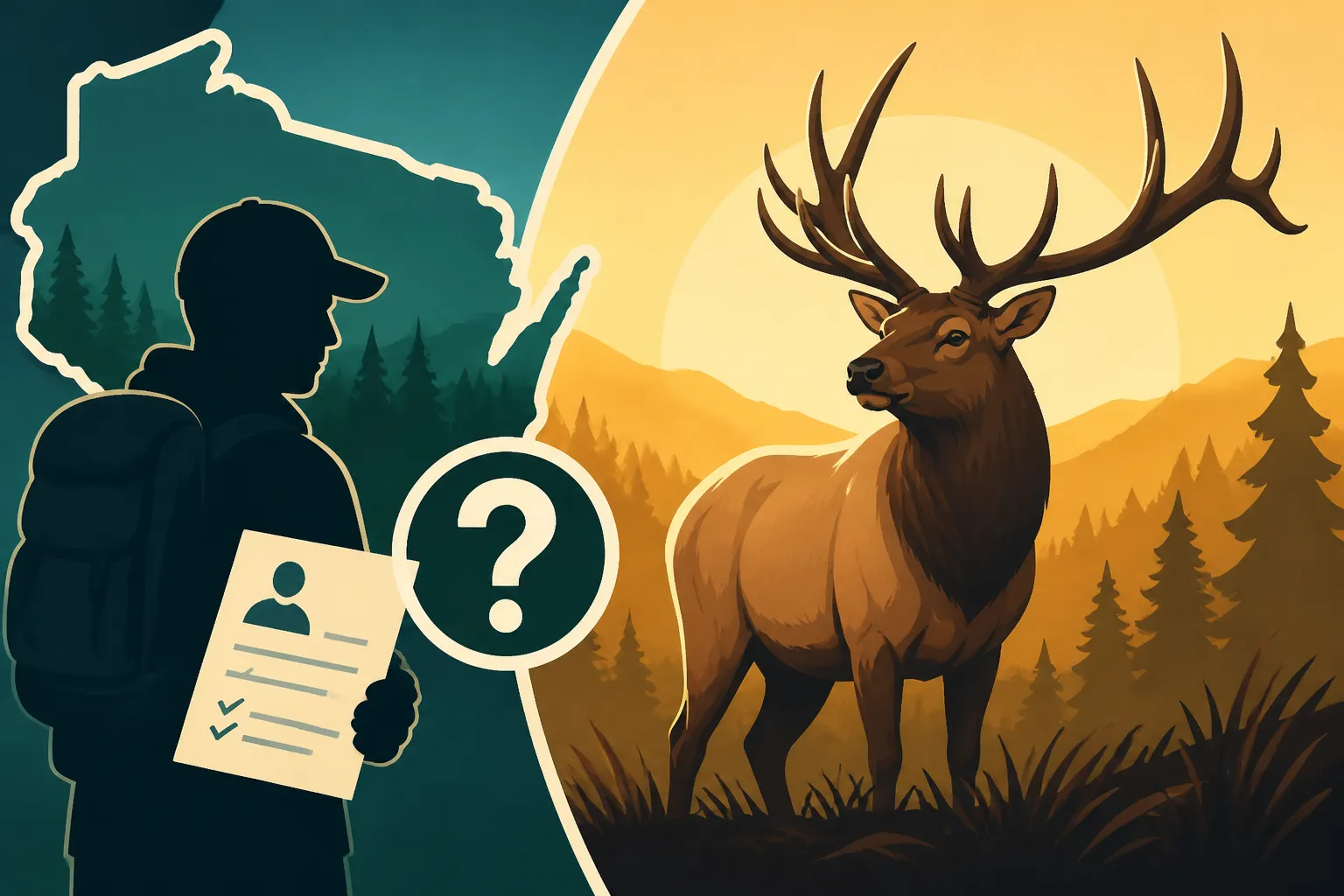
Here’s the straightforward truth: nonresidents are currently not eligible to apply for or draw a Wisconsin elk hunting tag. The Wisconsin DNR's elk hunt is reserved exclusively for Wisconsin residents. This means if you live outside the state, you cannot participate in the preference point system, nor can you enter the annual drawing for an elk tag. It’s a policy that has been in place since the inception of the managed elk hunt, and there are no current indications that this will change in the foreseeable future. While it might be disappointing news for some, it's a clear guideline that helps manage expectations. If you're curious about other species you can hunt, check out our guide on Wisconsin Hunting Licences and What They Cost for nonresident options.
Why the Restriction Exists
The decision to restrict elk tags to residents is rooted in several important factors, primarily revolving around the state's investment in the elk reintroduction program and ongoing conservation efforts.
- Conservation Priority: The elk herds are still in a growth phase, and the DNR's primary goal is to ensure their continued expansion and health. Limiting the tags and prioritizing residents allows for tighter control over harvest numbers and keeps hunting pressure manageable.
- Resident Investment: Wisconsin residents, through their license fees, taxes, and volunteer efforts, have directly funded and supported the elk reintroduction program for decades. The tags are seen, in part, as a reward and recognition of that long-term investment and commitment to conservation within their home state.
- Fairness and Access: With such a limited number of tags available, opening the draw to a national pool of applicants would drastically reduce the already slim odds for Wisconsin residents. This approach ensures that those who live, work, and recreate in Wisconsin have the best chance to participate in this unique hunting opportunity. It’s about stewarding a resource for the local community that has nurtured its return.
Alternative Opportunities for Nonresident Hunters
While elk hunting may not be an option, don't let that deter you from exploring the incredible hunting opportunities Wisconsin offers. Our state is rich in diverse game species and vast public lands, making it a fantastic destination for nonresident hunters.
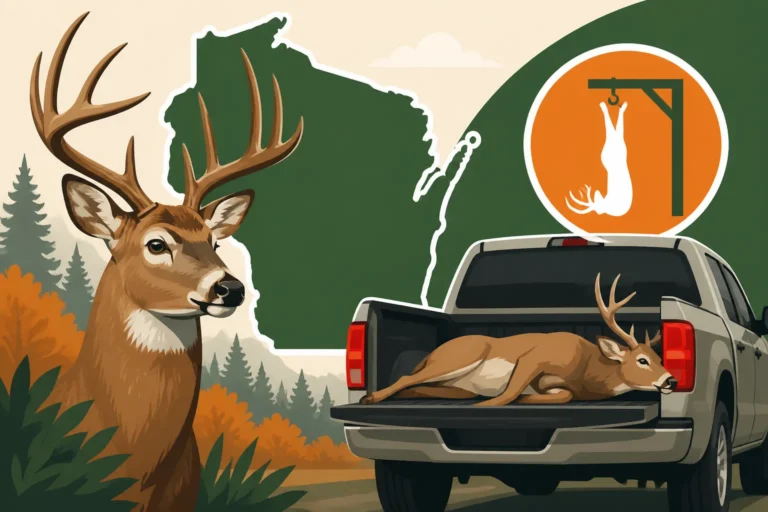
- White-tailed Deer: Wisconsin is famous for its whitetails, especially trophy bucks in areas like the Driftless. Nonresidents can purchase archery, crossbow, and gun deer licenses, with opportunities to hunt during various seasons. Whether you prefer Bowhunting Wisconsin's Long Archery Season or the excitement of Wisconsin's Nine-Day Gun Deer Season, there are plenty of deer hunting experiences.
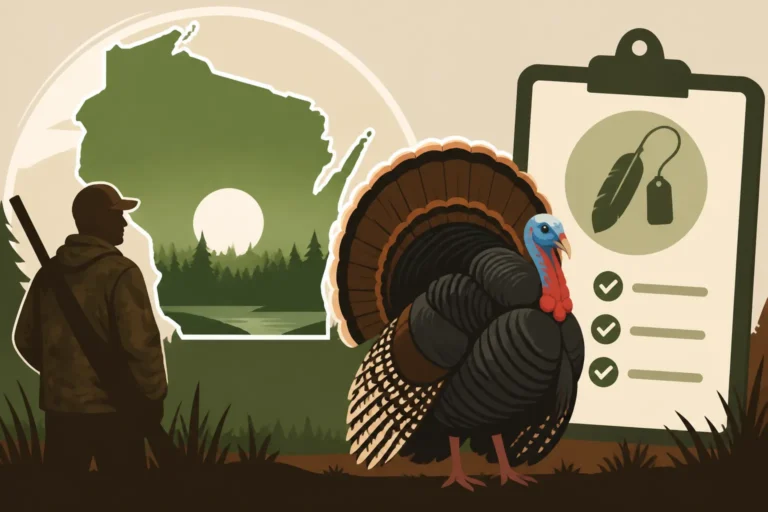
- Wild Turkeys: We have thriving turkey populations across the state, and nonresident turkey permits are available for both spring and fall seasons. You could be calling in a gobbler in our beautiful spring woods or joining a fall flock hunt.
- Waterfowl: For duck and goose hunters, Wisconsin sits squarely in the Mississippi Flyway. From hunting flooded timber to jump shooting rivers, the waterfowl opportunities are diverse and plentiful. Look into Wisconsin Waterfowl Hunting on Marsh and River for more information.
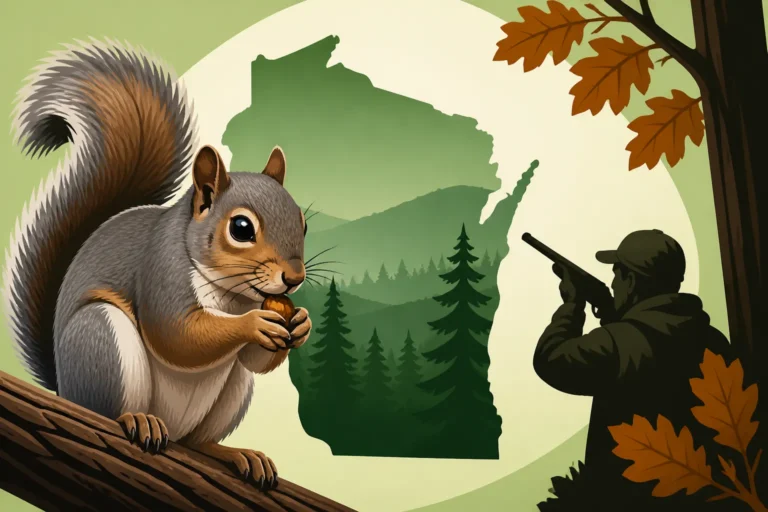
- Small Game: Don't overlook the fun and challenge of hunting small game like rabbits, squirrels, grouse, or woodcock. These hunts offer a great way to experience the Wisconsin wilderness and provide delicious table fare.
There are so many reasons to visit and hunt in Wisconsin, even if elk isn't on the menu for nonresidents.
Experiencing Wisconsin Elk as a Nonresident (Without Hunting)
Just because you can't hunt elk in Wisconsin doesn't mean you can't experience these magnificent animals up close. In fact, many nonresidents come to Wisconsin specifically for elk viewing opportunities.
Elk Viewing Opportunities
Watching wild elk is an unforgettable experience, and Wisconsin provides excellent chances for non-hunters to witness these majestic creatures.
- Clam Lake Elk Range: The area around Clam Lake, particularly along Highway 77 and County Highway M, is a prime location for viewing the northern herd. Early mornings and late evenings are typically the best times, especially during the breeding season (rut) in September and October when the bulls are bugling. The Chequamegon-Nicolet National Forest is an excellent place to start your search, offering numerous forest roads and trails where you might spot elk grazing in open clearings or alongside roads.
- Black River State Forest: The central herd near Black River Falls also offers viewing opportunities, though perhaps a bit more challenging due to the terrain and density of cover. The DNR often provides maps or suggests specific viewing routes to increase your chances. Always remember to maintain a safe and respectful distance from wild animals. Binoculars or a spotting scope will greatly enhance your viewing experience. Resources like GoHunt sometimes highlight general areas where wildlife, including elk, are frequently observed.
- DNR Elk Updates: Keep an eye on the Wisconsin DNR's website for regular updates on elk activity, viewing tips, and information about the herds. They often have dedicated pages or news releases that can guide your visit.
Supporting Wisconsin Elk Conservation
Even if you can't hunt them, nonresidents can play a vital role in supporting Wisconsin's elk population.
- Donations: Organizations like the Rocky Mountain Elk Foundation (RMEF) are instrumental in funding habitat restoration, land acquisitions, and reintroduction efforts in Wisconsin and across the country. A donation directly contributes to the health and growth of these herds.
- Purchasing Conservation Products: Buying Wisconsin State Park passes or other conservation-related merchandise can indirectly support wildlife management programs, including those benefiting elk.
- Respectful Tourism: When visiting elk country, practice responsible wildlife viewing. Stay on designated trails, do not approach or feed elk, and pack out everything you pack in. Your respectful presence helps ensure these areas remain wild and thriving for the elk and for future visitors.
Wisconsin's elk are a shared treasure, and while hunting opportunities are limited to residents, the chance to witness them in their natural habitat is open to everyone. It’s an experience that truly connects you to the wild heart of our state.
Resident vs. Nonresident Wisconsin Elk Application Summary
To help clarify the differences, here's a quick overview of the elk application process for residents and nonresidents in Wisconsin.
| Feature | Wisconsin Resident Hunters | Nonresident Hunters |
|---|---|---|
| Elk Tag Eligibility | Yes, via preference point lottery | No, not eligible |
| Preference Points | Accrue points annually for unsuccessful applications | Cannot accrue points |
| Application Fee | Annual fee to enter drawing (if applicable) | No application option |
| Tag Cost (if drawn) | Varies, typically several hundred dollars | Not applicable |
| Elk Viewing | Yes, open to all | Yes, open to all |
| Conservation Support | Yes, through licenses, donations, etc. | Yes, through donations, respectful tourism |
| Focus of Tags | Conservation-driven, limited numbers | N/A (tags not available) |
Disclaimer
Please note that hunting regulations, season dates, and license requirements are subject to change. Always consult the official Wisconsin Department of Natural Resources (DNR) regulations and publications for the most current and accurate information before planning any hunting trip.