Wisconsin Fort McCoy Hunting Access
Hunting on a military installation like Fort McCoy can feel like navigating a whole different world compared to your typical public land in Wisconsin. The rules, the permits, and the ever-changing access areas can be downright frustrating and confusing for even the most seasoned hunter. This guide is here to demystify the process, helping you understand how to gain access, what to expect, and how to successfully plan your hunt on this unique piece of Wisconsin's landscape.
Understanding Fort McCoy's Unique Hunting System
Fort McCoy is an active military training facility, which means hunting and other recreational activities are secondary to its primary mission. This fundamental difference sets it apart from state forests, county lands, or even the Chequamegon-Nicolet National Forest Hunting. You can't just roll up with your license and expect to walk in. There's a layered system of permits, regulations, and dynamic access schedules that dictate when and where you can hunt. It’s a challenge, no doubt, but one that often rewards the persistent hunter with unique opportunities.
The Federal vs. State Regulations Conundrum
When you hunt at Fort McCoy, you're essentially operating under a dual system of regulations. First, you must comply with all standard Wisconsin hunting laws, including possessing the appropriate Wisconsin Hunting Licences and What They Cost and stamps for the game you pursue. This means your state deer tags, turkey authorizations, or small game licenses are still required. On top of this, Fort McCoy, as a federal entity, has its own set of rules and requirements that overlay the state laws. These often include specific Fort McCoy hunting permits, designated hunting areas, check-in/check-out procedures, and additional safety regulations like specific blaze orange requirements or restrictions on certain types of ammunition. It's a lot to keep straight, and it can feel overwhelming when you're just trying to enjoy a day afield.
Why Fort McCoy's Rules Are So Different
The strict and dynamic nature of Fort McCoy's hunting rules stems directly from its mission. Military training exercises, live-fire ranges, and troop movements take precedence over all recreational activities. This means that areas that were open yesterday might be closed today, or vice versa, based on operational needs. The safety of both military personnel and hunters is paramount, leading to detailed check-in procedures, specific blaze orange requirements, and restrictions on where and when firearms can be discharged. Understanding that these rules are in place for safety and mission readiness can help frame the perceived inconveniences as necessary protocols. It’s not just bureaucracy for bureaucracy's sake; it’s about sharing a very active, very important piece of land responsibly.
Navigating Access and Permits
Getting a boot on the ground at Fort McCoy requires careful planning and strict adherence to their access procedures. This isn't a place for last-minute decisions; you need to be proactive and understand their specific systems well in advance. Ignoring any step can lead to a wasted trip or, worse, a citation.
The Fort McCoy iSportsman System
The cornerstone of Fort McCoy hunting access is their iSportsman online system. This isn't just a website; it's your gateway to everything from buying permits to checking open areas and reporting your harvest. Before you even think about stepping foot on the installation to hunt, you must register with iSportsman. This typically involves creating an account, providing personal identification information, and acknowledging their rules and regulations. It’s a bit like getting a special membership, except this membership comes with strict responsibilities. The good news is, once you’re registered, the system streamlines a lot of the subsequent steps. This is also where you'll typically purchase any required Fort McCoy-specific hunting permits, which are separate from your state licenses.
Permits, Fees, and Mandatory Orientations
Beyond your standard Wisconsin state licenses, Fort McCoy requires its own set of permits. These might include annual hunting permits, specific permits for certain species, or even daily access permits, depending on the current structure. The costs for these permits are separate from state license fees and contribute to the management of the recreational program on the base. It’s crucial to check the iSportsman website for current permit structures and pricing. Additionally, Fort McCoy often mandates an annual hunter safety orientation or quiz, which covers the specific rules and unique hazards of hunting on the installation. This isn’t a one-and-done deal; you might need to complete it every year to maintain your eligibility. While it feels like another hoop to jump through, these orientations are critical for ensuring everyone understands the potentially dangerous environment of an active military base.
The Ever-Changing Access Map and Zones
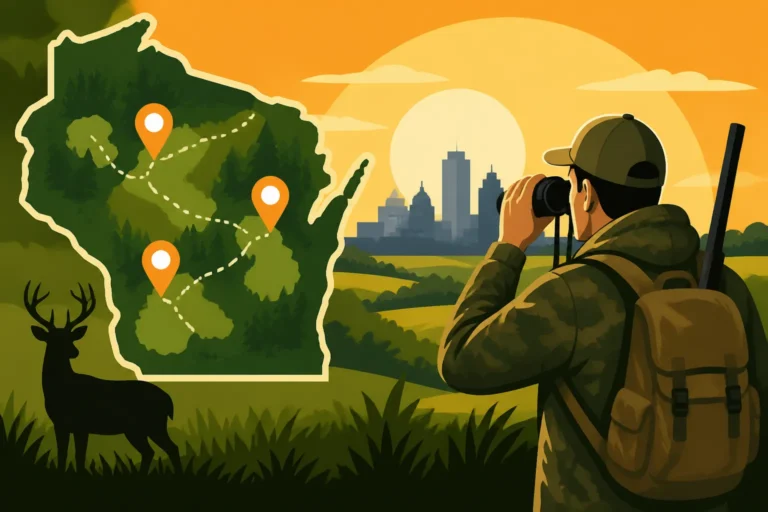
One of the biggest challenges for Fort McCoy hunters is the dynamic nature of access. Hunting areas are divided into zones, and these zones can open or close on a daily, or even hourly, basis depending on military operations. You absolutely cannot rely on static maps or past experience. The iSportsman system provides real-time updates on which zones are open for hunting. Before you leave home, and often again when you arrive, you'll need to check the current access map on iSportsman. Many hunters find a robust mapping application like onX Hunt invaluable when combined with Fort McCoy's real-time maps. While Fort McCoy provides its own maps, overlaying that information with the detailed satellite imagery and property boundaries in onX Hunt can give you a significant advantage in understanding the terrain and staying within legal hunting areas. Ignoring posted closures or entering restricted areas can lead to severe penalties, including fines, loss of hunting privileges, and even military police involvement.
Here's a simplified look at the steps involved:
| Step | Description | Key Considerations |
|---|---|---|
| 1. State Licensing | Purchase all required Wisconsin hunting licenses and stamps. | This is foundational; Fort McCoy permits are in addition to state requirements. |
| 2. iSportsman Registration | Create an account on the Fort McCoy iSportsman website. | Mandatory first step; provides access to all Fort McCoy hunting information. |
| 3. Fort McCoy Permits | Purchase required Fort McCoy-specific hunting permits via iSportsman. | These permits have their own costs and validity periods. |
| 4. Annual Orientation | Complete any mandatory online safety orientation or quiz. | Usually required annually; ensures understanding of base-specific rules and hazards. |
| 5. Daily Check-In | Check in via iSportsman before entering any hunting area. | Critical for safety; ensures base personnel know who is on site and where. |
| 6. Area Check | Verify open hunting zones on iSportsman's real-time map. | Zones change frequently; do not skip this step daily. Use tools like onX Hunt. |
| 7. Hunt & Observe Rules | Follow all Fort McCoy and state regulations while hunting. | Blaze orange, ammunition restrictions, vehicle rules, etc. |
| 8. Daily Check-Out & Harvest Report | Check out via iSportsman after leaving your hunting area and report any harvest. | Mandatory even if you didn't harvest; vital for safety and game management. |
Hunting Opportunities and Regulations
Despite the complexities, Fort McCoy offers diverse hunting opportunities for various game species found throughout Wisconsin. The unique environment of a managed military installation, with its mix of timber, open areas, and limited public pressure in some zones, can sometimes lead to quality hunting experiences.
Deer Hunting at Fort McCoy
Deer hunting is a popular pursuit at Fort McCoy, with both archery and gun seasons typically offered in accordance with state Wisconsin Deer Seasons and Zones. The deer herd benefits from a diverse habitat and controlled pressure, though exact harvest numbers fluctuate. When hunting deer, be acutely aware of weapon restrictions, as some areas might have specific rules regarding rifle calibers, shotgun slug use, or even archery equipment. The mandatory blaze orange requirements are often more stringent than state minimums, so always check Fort McCoy's specific rules. Hunters often find success by focusing on transition areas between dense cover and feeding zones, similar to how they'd approach Hunting Wisconsin Farmland Deer or Hunting the Wisconsin Northern Forest for Deer, but always within the currently open zones. It's a game of adapting your proven tactics to their unique access restrictions.
Turkey, Small Game, and Other Species
Beyond deer, Fort McCoy also provides opportunities for hunting wild turkeys, particularly during the spring season. Like deer, you'll need your state turkey authorization in addition to any Fort McCoy-specific permits. Small game hunting, including squirrels and rabbits, can also be productive in certain areas, providing a fantastic way to introduce new hunters or simply enjoy a day afield with less pressure. Specific areas might also be open for ruffed grouse and woodcock, often in younger timber regeneration zones. Each species will have its own set of Fort McCoy-specific rules regarding open zones and methods, so thorough checking of the iSportsman system is always paramount. For instance, specific dates or areas might be designated for Spring Turkey Hunting in Wisconsin, while others might be for small game.
Safety Regulations and Restrictions
Safety is paramount at Fort McCoy, and hunters are expected to adhere to a strict set of regulations designed to prevent accidents and ensure the security of the installation. This includes, but is not limited to:
- Blaze Orange/Pink: Fort McCoy often has specific, and sometimes enhanced, requirements for visible blaze orange or fluorescent pink clothing, even during archery seasons where state law might be more relaxed. Always check their current guidelines.
- Vehicle Access: There are strict rules on where you can drive, park, and use ATVs or other off-road vehicles. Stick to designated roads and parking areas.
- Ammunition Restrictions: Certain types of ammunition, like tracer rounds or armor-piercing bullets, are strictly prohibited. Always confirm what is permissible.
- No Alcohol/Drugs: Impaired hunting is strictly forbidden and heavily enforced.
- Respect for Military Operations: If you encounter military personnel or operations, always yield and follow any instructions given. Remember, you are a guest on an active training facility.
- Carcass Movement: Be aware of Wisconsin Carcass Transport Rules especially if CWD is detected in the area, and follow all Fort McCoy-specific rules for deer registration and testing.
Making the Most of Your Fort McCoy Hunt
Hunting at Fort McCoy requires a different mindset than typical public land hunting. It's a commitment to learning their system, adapting to change, and prioritizing safety above all else. But for those willing to put in the effort, it can be a highly rewarding experience.
Pre-Season Scouting and Planning
While you might not be able to physically scout all year round, extensive digital scouting is your best friend for Fort McCoy. Use detailed aerial imagery, topographical maps, and tools like onX Hunt to identify potential hunting areas, pinch points, funnels, and bedding cover within the various zones. When you combine this with the real-time access maps from iSportsman, you can quickly pivot your plans if your primary area closes. Look for areas that might be less accessible or further from main roads, as these often see less pressure, even within a controlled environment. Understanding the terrain beforehand can save you valuable hunting time once you're on the ground. Scouting Wisconsin Public Land Before Season is always important, but at Fort McCoy, digital intelligence is key.
Adapting to Daily Changes and Contingency Plans
The most critical skill for a Fort McCoy hunter is adaptability. You simply cannot go into a hunt with a rigid plan. Have multiple backup spots identified in different zones, and be prepared to shift your focus if your chosen area is closed for training. Always check the iSportsman map before you head out, and even during your hunt if you have cell service, as closures can happen rapidly. This might mean having a different target species in mind or being ready to change your approach from a still-hunt to a stand setup if the terrain or cover dictates. The best hunters here treat the Fort McCoy system as an ongoing puzzle they solve with each visit. For instance, if your planned deer zone is closed, perhaps there’s an open area better suited for Rabbit and Hare Hunting in Wisconsin that day.
Leveraging Technology for Success
Modern technology is incredibly beneficial for hunting Fort McCoy. The iSportsman system itself is digital, but supplementing it with advanced mapping apps is a game-changer. onX Hunt allows you to download maps for offline use, which is essential as cell service can be spotty in some of the more remote parts of the installation. You can mark potential stand locations, historical game sightings (if you've been there before), and most importantly, import or overlay the Fort McCoy zone boundaries to ensure you are always within an open and legal area. This precision is not just about avoiding trouble; it’s about maximizing your effective hunting time in a complex environment. Having this kind of information at your fingertips helps you find Finding Ground Others Walk Past within the designated zones.
Disclaimer
This article is for general informational purposes only and does not constitute professional advice. Laws, prices and regulations vary by location and change over time. Consult a qualified professional for guidance on your specific situation.