Hunting the Chequamegon Side for Grouse
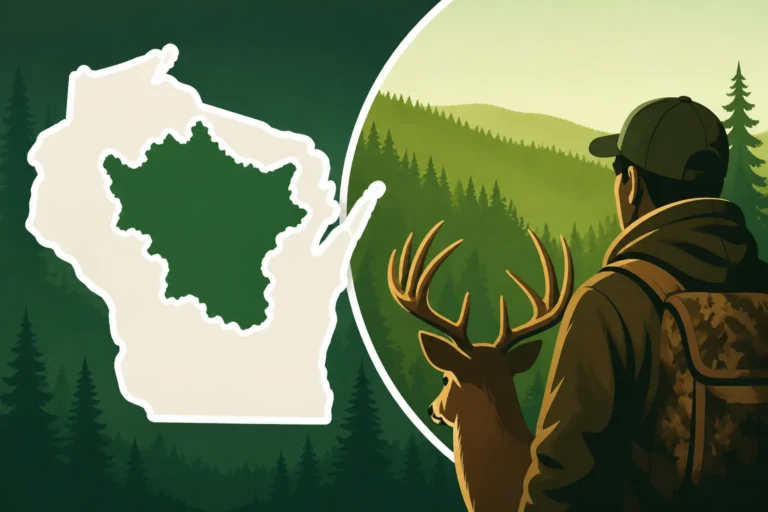
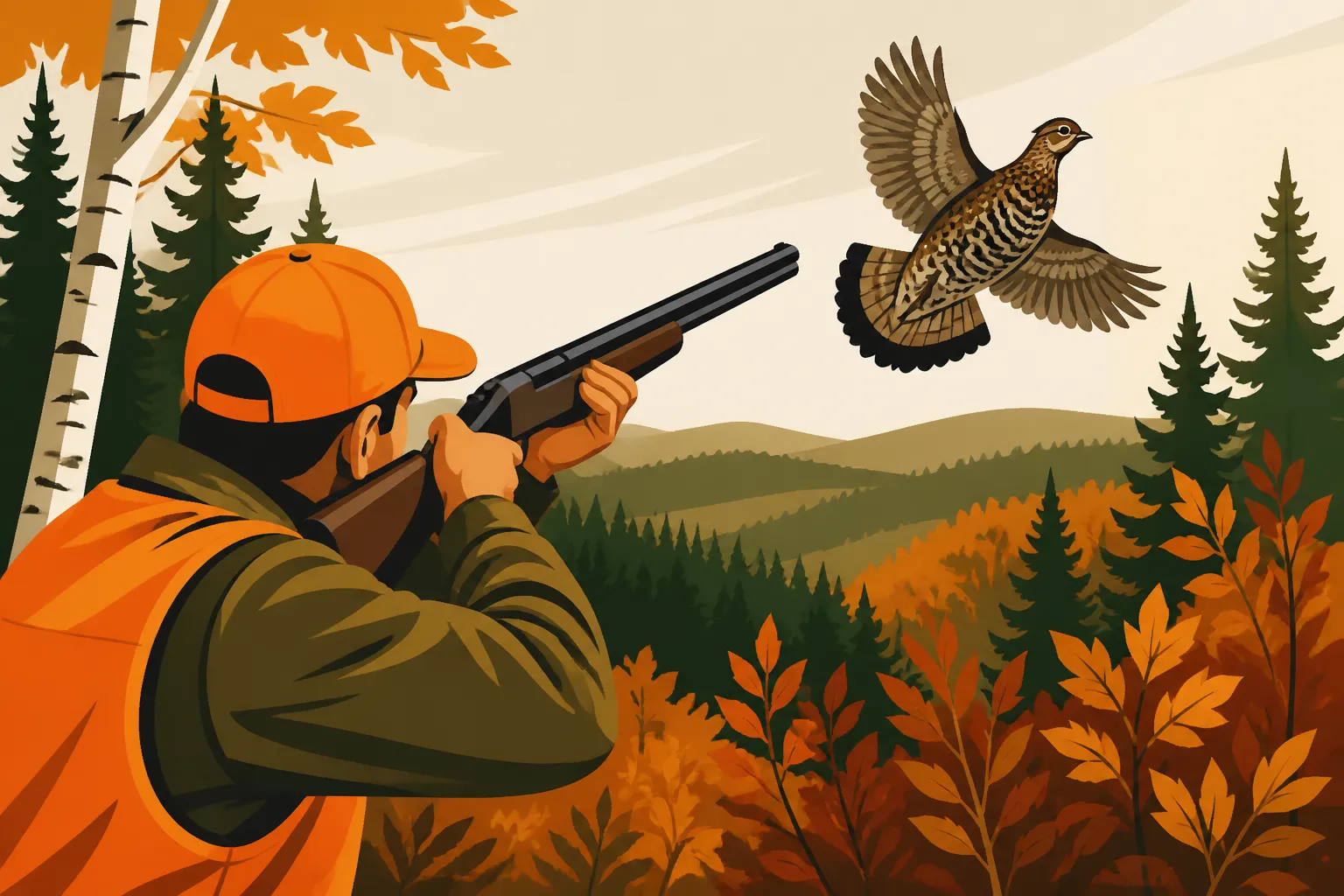
For many of us who chase grouse, there's a certain magic that draws us north, deep into the expansive timber of Wisconsin's Chequamegon-Nicolet National Forest. It's a vast, wild place that can feel overwhelming, like a dense green puzzle with no obvious starting point. Finding those elusive drumming ruffed grouse in such immense country, especially if you're not from the immediate area, feels like searching for a needle in a haystack, and this guide is here to help you pinpoint those productive grouse covers.
Understanding the Chequamegon-Nicolet National Forest for Grouse
The sheer scale of the Chequamegon-Nicolet National Forest is enough to make any grouse hunter feel both excited and a little bit lost. This isn't your grandfather's woodlot; we're talking about millions of acres spread across northern Wisconsin, a landscape of rolling hills, thick timber, and countless low spots holding alders and springs. It's a place where wildness still reigns, and that's precisely why it holds so many opportunities for ruffed grouse hunters willing to put in the legwork.
The Lay of the Land: What Makes Chequamegon Prime?
What truly makes the Chequamegon side of the National Forest a grouse haven isn't just its size, but its specific composition. This forest is dominated by the very tree species that grouse absolutely adore: aspen and birch. These fast-growing, pioneer species thrive after timber harvests or natural disturbances, creating dense thickets of young saplings that are perfect for grouse to eat, hide, and nest in. You'll often find these mixed with conifers like balsam fir and spruce, providing thermal cover in colder months.
Think about it from a grouse's perspective. They need food, water, and shelter from predators. Young aspen stands, particularly those between 5-20 years old, provide an incredible buffet of buds in winter and succulent leaves and catkins in other seasons. The dense growth also offers crucial overhead cover from hawks and owls, while the thick understory protects them from foxes and coyotes. Interspersed throughout, you'll find wet, boggy areas choked with alder, which are woodcock magnets but also provide critical habitat for grouse, especially during dry spells or late in the season. Navigating these varied habitats is key to finding birds, but it can certainly feel like an endless labyrinth at times.
Reading the Map: Identifying Key Habitat Types
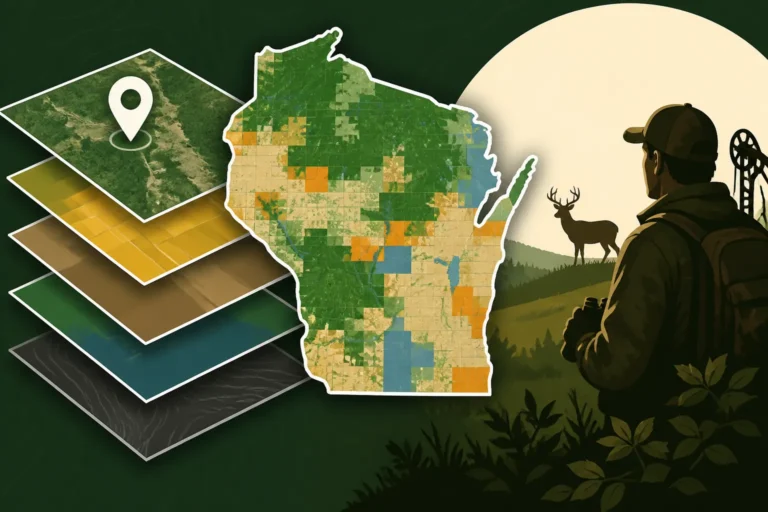
Trying to find grouse cover on the ground without a plan can lead to a lot of wasted boot leather and frustration. The secret to success in the Chequamegon is doing your homework before you ever set foot in the woods. This means studying maps, specifically satellite imagery and timber harvest maps, to identify those crucial habitat types grouse depend on. You're looking for clearcuts, areas of young aspen regeneration, and those distinctive ribbon-like alder runs along creeks and wet depressions.
Satellite imagery is your best friend here. Look for patches of lighter green vegetation that signify young deciduous growth, often surrounded by darker, mature timber. These lighter patches are frequently recent clearcuts or areas that were previously harvested, now bursting with prime grouse food and cover. Many hunters swear by mapping apps like onX Hunt or GoHunt, which overlay public land boundaries and often include timber stand data or recent harvest information, allowing you to scout from your armchair. Identifying these areas on your map allows you to create a logical walking route, focusing your efforts on the most promising cover, rather than just wandering aimlessly through unproductive mature woods. Remember, grouse are creatures of edge and dense cover, so focus on where these features meet. You can learn more about finding these areas in Hunting Wisconsin Clearcuts and Aspen Cuts.
Essential Tactics for Chequamegon Grouse
Once you've identified promising areas on your map, it's time to hit the woods. Hunting grouse in the vastness of the Chequamegon requires a blend of patience, observation, and a willingness to adjust your strategy based on the cover you encounter. It's not always about brute force walking; sometimes, it's about subtlety.
Walking the Cover: Strategies for Flushing Birds
Grouse hunting in thick cover is rarely a fast-paced affair, especially if you're doing it without a dog. The key is to be methodical and observant. Instead of busting through the woods like a freight train, move slowly, pausing frequently. These pauses are critical; a grouse might hold tight when you're moving, but flush when you stop, thinking you've spotted it or are about to step on it. Pay close attention to edges—where young aspen meets older timber, where the forest transitions into a swamp, or along logging roads and trails. These transition zones are highways for grouse movement and often where they'll feed before ducking into dense cover.
When you find a promising block of young aspen, don't just walk its perimeter. Dive in and grid-search it, paying attention to any small openings or pockets of dense conifers within the aspen. These spots can concentrate birds. Try to walk into the wind if possible, as it can help carry the scent cone if you have a dog, or allow you to hear a flush more clearly if you don't. And always, always be ready. Grouse are famous for flushing at the most inconvenient times, often when you least expect it, making for an exhilarating, albeit sometimes frustrating, experience. You'll be surprised how often a bird will flush from seemingly barren ground, only to realize later it was tucked into a tiny clump of thick stuff you almost ignored. It's a game of hide and seek, and the grouse are masters. For those without a canine companion, check out Flushing Grouse Without a Dog.
Dog or No Dog: Making the Most of Your Hunt
The debate of hunting grouse with or without a dog is as old as the sport itself, and both methods have their merits, especially in the challenging environment of the Chequamegon. A well-trained pointing dog can drastically increase your success rate by locking up on scent, allowing you to walk in for a shot. A good flushing dog, while perhaps not offering the same picture-perfect point, will push birds out, giving you a chance to react. Their noses are simply superior to ours, especially when birds are holding tight in incredibly dense cover. However, a dog also means another living creature to manage, train, and keep safe in thick, often thorny brush, and it requires specific gear like Bird Dog Gear for Wisconsin Cover.
If you're hunting without a dog, your senses become your primary tools. You need to train your eyes to spot subtle movements, your ears to pick up the rustle of leaves or the unmistakable drum of a grouse, and your mind to anticipate where a bird might be. This often means walking even slower, being more deliberate with your steps, and working cover more thoroughly. It's a different kind of satisfaction, one that comes from relying purely on your own woodsmanship and perseverance. Whether you have a dog or not, the critical factor is adapting your pace and attention to the density of the cover and the behavior of the birds on that particular day. Sometimes, that means slowing to a crawl and meticulously picking apart every potential hiding spot.
| Aspect of the Hunt | Hunting with a Dog | Hunting Without a Dog |
|---|---|---|
| Bird Finding | Significantly improved, especially for tight-holding birds. | Relies heavily on hunter's observation, experience, and luck. |
| Pace of Hunt | Can be faster, covering more ground, or slower for pointing breeds. | Generally slower and more methodical. |
| Flushing | Dog typically flushes or points, giving hunter warning. | Birds often flush wild or unexpectedly. |
| Retrieval | Dog retrieves downed birds, reducing loss. | Hunter must mark fall carefully and search thoroughly. |
| Gear Required | Dog, leash, collar, e-collar, water, dog first-aid kit. | Minimal additional gear. |
| Noise Level | Dog's movement and barking (for flushers) can be present. | Generally quieter, relying on stealth. |
| Challenge/Skill | Requires dog training and handling skills. | Requires keen woodsmanship, patience, and good hearing/eyesight. |
| Enjoyment Factor | The partnership and joy of watching a dog work. | The deep satisfaction of finding birds on your own. |
Navigating and Preparing for the Chequamegon Wilderness
The Chequamegon isn't a place to venture into unprepared. Its vastness and ruggedness, while charming, can quickly turn a fun day of hunting into a stressful situation if you get turned around or caught off guard by the elements. Planning and preparation are paramount for a safe and enjoyable hunt.
Tooling Up: Maps, GPS, and Communication
Getting lost in the Chequamegon is a very real possibility, even for experienced woodsmen. The forest roads can be confusing, and once you step into the timber, everything can start to look the same. A reliable navigation system is not just recommended; it's essential. Modern GPS units or smartphone apps like onX Hunt have revolutionized this aspect of hunting. These tools allow you to pinpoint your exact location, track your path, and mark key spots like your vehicle, promising cover, or where a bird flushed. The ability to download maps for offline use is crucial, as cell service is often spotty or non-existent deep in the National Forest. You can also explore Scouting With the Wisconsin Hunt Wild App for additional resources.
However, never rely solely on electronics. Always carry a physical map (a good plat map or forest service map) and a compass, and know how to use them. Batteries die, and technology can fail. A whistle can also be a lifesaver for signaling if you become disoriented or need to alert others to your presence. Before you leave home, tell someone where you're going and when you expect to return. This simple step can make all the difference if an unforeseen situation arises.
Staying Safe and Comfortable: Gear and Contingencies
Hunting in the Chequamegon means preparing for a wide range of conditions, often within the same day. Layered clothing is a must, allowing you to adjust to the cool mornings, warmer afternoons, and sudden drops in temperature. Opt for durable, briar-resistant brush pants or chaps, as you'll be pushing through a lot of thick, thorny cover. Good quality, waterproof boots are non-negotiable, given the frequent wet spots and potential for creek crossings. And, of course, blaze orange is a legal requirement during certain seasons and always a smart choice for visibility in dense cover, making you visible to other hunters who might also be moving through the woods. How Much Blaze Orange Wisconsin Requires is a good resource to ensure you are compliant.
Beyond clothing, a small backpack should hold essentials: plenty of water, high-energy snacks, a basic first-aid kit (cuts and scrapes from thorns are common), a knife, a headlamp (even if you plan to be out before dark, things happen), and a fire starter. Think about the "what ifs." What if you sprain an ankle? What if an unexpected rainstorm blows through? Having these contingencies in place ensures that your focus remains on the hunt, not on survival. For more on what to carry, consult Upland Vests With Water Capacity or First Aid Kits for Remote Northwoods Ground.
Maximizing Your Chequamegon Grouse Experience
A successful grouse hunt in the Chequamegon isn't just about bagging birds; it's about the entire experience—the crisp air, the rustle of leaves underfoot, the sudden explosion of wings, and the solitude of the northern woods. Understanding the nuances of the season and respecting the resource will only deepen your appreciation for this unique hunting opportunity.
Timing is Everything: Best Periods for Grouse
The grouse season in Wisconsin is long, offering varied experiences depending on when you venture out. Early season, typically September and early October, presents a challenge with thick foliage still on the trees. Birds have plenty of hiding spots, making visual flushes difficult, and mosquitoes and other biting insects can still be prevalent. However, birds are often less pressured and more dispersed. As the leaves begin to fall in mid-October, visibility improves dramatically, and hunting becomes more productive, especially in those younger aspen stands. This is often considered the peak time for many grouse hunters, when the weather is still mild, but the cover is opening up.
Late season, from November through December, offers its own unique charm and challenges. With snow on the ground and deciduous trees bare, birds are easier to spot and tend to concentrate in denser thermal cover, like stands of balsam fir or thick alder swamps. The quiet crunch of snow underfoot, however, can make stealth difficult. This period also coincides with the woodcock migration. When Wisconsin Woodcock Season Opens is a great time to be in the alders, as you might bag both species, adding an exciting bonus to your grouse hunt. Regardless of when you go, monitoring local weather patterns can offer clues; birds might move to different covers during cold snaps or after heavy rains. You can get more information on specific strategies in Grouse Hunting Wisconsin Aspen Cuts.
Beyond the Hunt: Respecting the Resource and Enjoying the Outdoors
Hunting grouse in the Chequamegon is more than just pulling the trigger; it's about engaging with a wild landscape and an iconic game bird. Part of maximizing that experience is developing a deep respect for the resource and practicing sound hunter ethics. This means knowing your regulations, ensuring you're only taking what's legal and ethical, and leaving no trace of your presence behind. The vastness of the National Forest demands that we treat it with care, ensuring that future generations can enjoy the same wild grouse hunting opportunities.
Understanding the ecology of ruffed grouse and their habitat needs also enriches the experience. Recognizing why a particular stand of aspen is prime cover or how logging practices can benefit grouse populations deepens your connection to the land. The Chequamegon-Nicolet National Forest is an active forest, and timber management plays a crucial role in creating and maintaining the diverse habitats that grouse and other wildlife thrive in. Take time to appreciate the solitude, the calls of other forest creatures, and the sheer beauty of the Northwoods. It's a privilege to hunt in such a place, and every moment, whether you flush a bird or not, is part of the story. For a deeper dive into the grouse population, read Ruffed Grouse and Woodcock in Wisconsin.
Disclaimer
This article is for general informational purposes only and does not constitute professional advice. Laws, prices and regulations vary by location and change over time. Consult a qualified professional for guidance on your specific situation.