Resident Goose Problems in Wisconsin
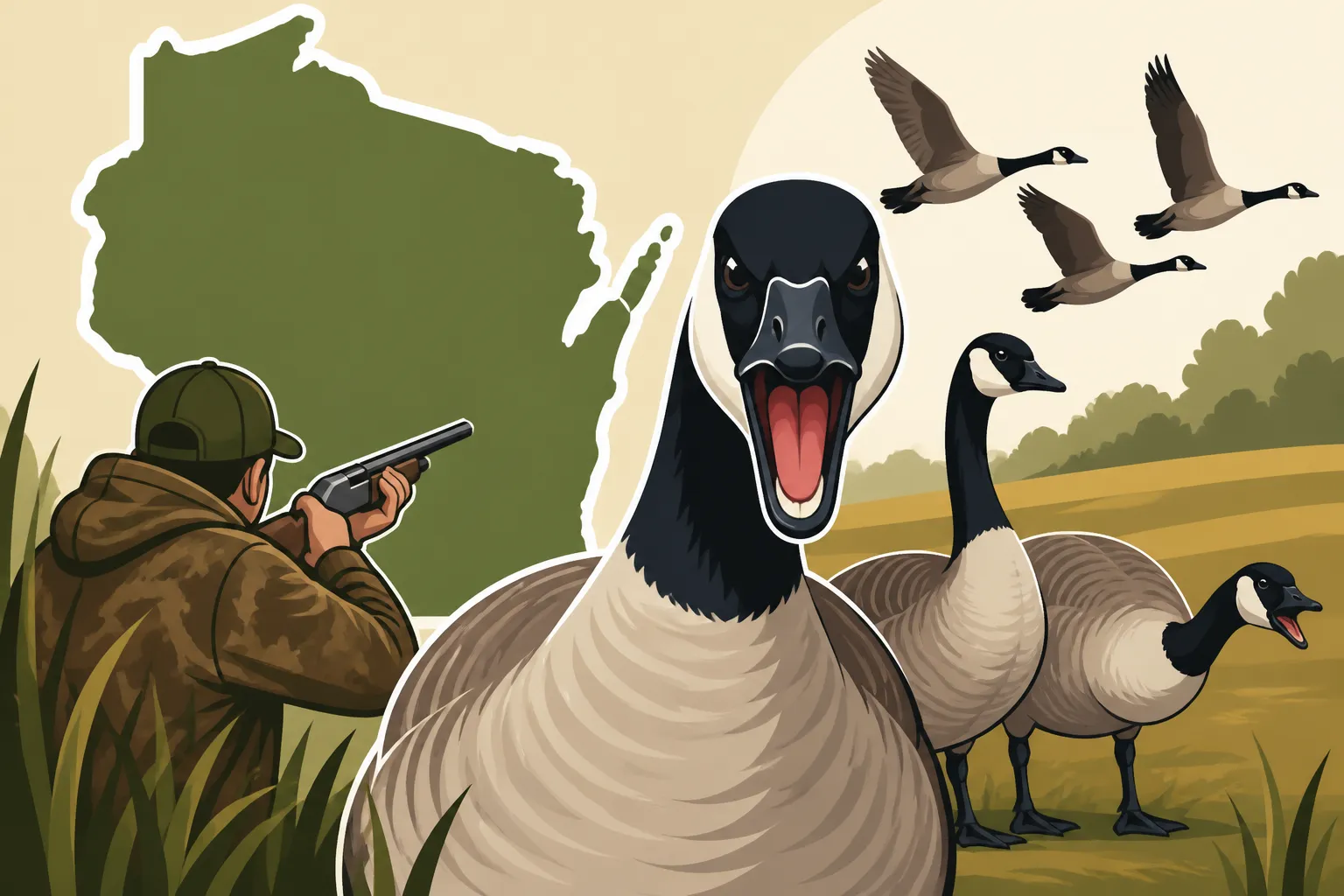
For many Wisconsin residents, the sight of Canada geese used to be a welcome sign of the changing seasons, a symbol of wildness. But these days, particularly in urban, suburban, and agricultural areas, those majestic birds have become a genuine headache, turning pristine lawns into minefields of droppings, polluting ponds, and devouring crops. This guide will explore how Wisconsin arrived at this point with its burgeoning resident goose population and offer practical insights for hunters and landowners looking to mitigate these persistent problems.
The Rise of the Resident Goose in Wisconsin
It's a classic tale of conservation success leading to new challenges. Canada geese, once perilously low in numbers, have made an incredible comeback across North America, and Wisconsin is no exception. However, a distinct segment of this population, often called "resident geese," has opted out of the long migratory journeys, choosing instead to stay put year-round. This shift, while a testament to successful wildlife management, has inadvertently created a host of issues, particularly in our state.
A Success Story Turned Challenge
Decades ago, efforts to reintroduce and bolster Canada goose populations were immensely successful. Wetlands were restored, hunting regulations were adjusted, and these hardy birds thrived. The problem, if you can call it that, is that many of these geese, often raised in captivity or simply choosing to nest and breed in areas with abundant food and safety, never learned the migratory routes of their ancestors. They found Wisconsin to be a perfect year-round home, offering everything they needed from spring nesting to winter survival, especially in the more temperate southern parts of the state.
Imagine a pristine retention pond in a corporate park or a meticulously manicured golf course bordering an agricultural field. These aren't just pretty landscapes; they are five-star resorts for resident geese. With ample short-cropped grass for grazing, open water for safety from land predators, and often few natural threats, these birds have essentially hit the jackpot. This has led to local populations swelling, causing frustration for those who live and work near them.
Habitat Abundance and Lack of Pressure
Wisconsin, with its diverse landscape, offers an embarrassment of riches for resident geese. From the fertile farmlands producing corn and soybeans to the countless ponds, lakes, and rivers that crisscross the state, there's no shortage of prime real estate. Urban and suburban areas, in particular, provide an almost perfect, predator-light environment. Think about it: a golf course green offers easily digestible, nutrient-rich grass, and the wide-open spaces allow geese to see potential threats from a mile away.
Unlike their migratory cousins who face intense hunting pressure along their lengthy journeys and at traditional staging areas, resident geese often inhabit areas where hunting is either impossible or heavily restricted. This creates a safe haven, allowing them to reproduce largely unmolested. This lack of consistent pressure means they grow accustomed to human presence, becoming less wary and more problematic as their numbers continue to grow unchecked in these specific locales.
Impacts on Agriculture and Water Quality
The consequences of these booming resident goose populations are far-reaching and, for many, deeply frustrating. Farmers, especially those in prime agricultural regions of southern Wisconsin, often bear the brunt. Large flocks of geese can descend upon freshly planted fields, devouring emerging crops like corn and soybeans, causing significant financial losses. They also trample young plants, further reducing yields. The sheer volume of their waste also becomes an issue, contaminating fields and potentially contributing to plant diseases.
Beyond agriculture, water quality in ponds, lakes, and even swimming beaches takes a hit. A flock of a hundred geese can deposit several pounds of droppings daily, introducing excess nitrogen, phosphorus, and bacteria into the water. This can lead to unsightly algae blooms, unpleasant odors, and even make water unsafe for recreational use. Imagine trying to enjoy a quiet afternoon by a serene pond, only to find it covered in goose droppings and a foul smell. It's enough to make anyone frustrated with these otherwise beautiful birds.
Understanding Wisconsin's Resident Goose Management
Managing a species that is simultaneously cherished wildlife and a significant nuisance requires a delicate balance. Wisconsin has developed specific strategies, leaning heavily on regulated hunting seasons, to address resident goose populations while still protecting migratory stocks. These efforts, however, are often complex and depend on cooperation from various stakeholders.
Special Seasons and Regulations
One of the primary tools for managing resident geese is through special hunting seasons designed to target these birds before the major migratory flights begin. Wisconsin's early September goose season, for example, is specifically structured to reduce resident populations when migratory birds are still far to the north. This season often has more liberal bag limits and a longer duration compared to later seasons, providing ample opportunity for hunters to help thin the local flocks.
The state is divided into specific goose zones, such as the Exterior Zone, Horicon Zone, and Mississippi River Zone, each with its own set of dates and bag limits. These zones reflect different goose populations and their migratory patterns, allowing for tailored management. Understanding these Wisconsin Goose Zones and Seasons is crucial for hunters. The goal is to provide enough hunting pressure to reduce local breeding populations and disperse problem flocks, while also offering recreational opportunities for hunters.
The Role of Public and Private Land
Managing resident geese isn't a one-size-fits-all endeavor, particularly when considering land ownership. On public lands, such as state wildlife areas and managed hunting grounds, the Wisconsin DNR can implement specific access rules and hunting periods aimed at maximizing harvest opportunities for geese. These areas often draw significant hunting pressure during the early seasons, which can be effective in reducing local numbers. For example, specific regulations apply to Hunting Horicon Marsh Waterfowl, which can be a key area.
However, a significant portion of resident geese problems occur on private lands, particularly agricultural fields, golf courses, and residential properties where hunting may not be allowed or feasible. This creates a challenge. While hunters can contribute significantly to management, they often need to secure permission from landowners to access these prime goose-holding areas. This is where personal initiative and a good relationship with local farmers can pay dividends for hunters looking for opportunities to address these problem birds.
Non-Hunting Management Strategies
While hunting is an effective tool, it's not the only one, nor is it always appropriate for every situation. For landowners, there's a suite of non-hunting management strategies available. Hazing, which involves using loud noises, visual deterrents, or even dogs to scare geese away from specific areas, can be effective, especially if initiated early and consistently. It's about making the desirable areas less comfortable for them.
Another method, often requiring permits from state and federal authorities, involves egg oiling or nest destruction. By coating eggs with corn oil, oxygen transfer is blocked, preventing hatching. This is a humane way to reduce reproductive success without directly harming adult birds. Removing nests, again with proper permits, can also discourage nesting in problematic locations. These methods require ongoing effort and typically work best when integrated into a broader management plan, potentially supplemented by hunting efforts where feasible.
Strategies for Hunters and Landowners
The good news is that both hunters and landowners have practical strategies they can employ to help manage resident goose problems in Wisconsin. It often comes down to understanding goose behavior, utilizing available resources, and fostering cooperation between different groups. The more integrated our approaches, the more effective we can be.
Targeting Resident Geese During Early Seasons
For hunters, the early September goose season is your prime opportunity to make a dent in resident goose populations. These birds, having spent the summer largely undisturbed, are often less wary than the battle-hardened migratory geese that arrive later in the fall. They haven't experienced the full pressure of hunting season yet, which can make them more susceptible to well-placed decoy spreads and calling. Early Goose Season Tactics in Wisconsin often involve exploiting this lack of wariness.
Scouting is paramount. Resident geese will establish predictable patterns between roosting areas (often large bodies of water) and feeding areas (typically agricultural fields or large grassy expanses). Identifying these flight lines and feeding locations is key. A good set of field decoys, particularly full-body decoys, can be highly effective. Don't be afraid to put out a larger spread; resident flocks can be quite numerous. And remember, good concealment is always critical, even if the birds aren't as shy. A well-brushed ground blind or natural cover can make all the difference.
Working with Landowners on Problem Areas
This is where hunters can truly become part of the solution for landowners struggling with goose damage. Many farmers and property owners would welcome responsible hunters who can help alleviate their goose issues. Approaching landowners respectfully, explaining how you can help manage their problem geese, and offering to share your harvest can open doors to valuable hunting opportunities. Mentioning specific challenges, such as crop damage, shows you understand their plight.
It's often a win-win situation: the landowner gets relief from destructive geese, and you gain access to prime hunting ground that might otherwise be unavailable. Always be professional, adhere to safety rules, and respect their property. Building a reputation as a reliable and considerate hunter can lead to long-term access. This kind of relationship building is invaluable, much like Knocking on Doors in Wisconsin Farm Country for deer hunting. Tools like the GoHunt app can assist hunters in identifying landownership boundaries to aid in the permission-seeking process.
Decoys, Calls, and Concealment
When hunting resident geese, your gear and tactics need to be on point. Decoy spreads should reflect the social nature of geese; a larger spread often looks more inviting to a flock. Mix in different postures – feeders, sentries, and resting birds – to create a realistic scene. Shells and silhouettes can be effective for filling out a spread economically, but full-body decoys often draw the most attention. Consider adding a few motion decoys to give your spread life on calm days.
Calling can be highly effective for resident geese, which often respond well to confident, realistic honks and clucks. Practice your cadence and volume. Electronic calls are restricted for waterfowl, so mastering a good mouth call is essential. Use a variety of calls to mimic a large, contented flock on the ground. Finally, concealment cannot be overstated. Even less wary resident geese will flare at the sight of movement or an unnatural silhouette. Layout blinds, natural vegetation, or even carefully placed hay bales can provide excellent cover.
The Future of Resident Goose Management
The challenges posed by burgeoning resident goose populations aren't going away anytime soon. As development continues and more areas become attractive year-round habitats, the need for effective, integrated management will only grow. It's a complex issue that requires ongoing adaptation and collaboration.
Balancing Conservation and Control
The story of the Canada goose is a conservation success that has become a management conundrum. We've successfully brought a species back from the brink, and now we must learn to live with and manage its abundance. The future of resident goose management lies in finding a sustainable balance – a way to keep populations at healthy, manageable levels without undoing the incredible work that saved them from scarcity. This involves continuous monitoring of population trends, habitat assessment, and adaptive hunting regulations.
It's a testament to how dynamic wildlife populations can be and how human intervention, even with the best intentions, can have unforeseen long-term effects. The challenge is to maintain robust populations for future generations to enjoy, while simultaneously mitigating the negative impacts they have on agricultural interests, water quality, and residential areas.
Community Involvement and Education
Effective management of resident geese truly relies on community involvement and education. When property owners understand the problem and the available solutions, they are more likely to participate in management efforts, whether through non-lethal deterrents, securing hunting access, or simply supporting regulated hunting seasons. Educating the public about why these birds are sometimes considered a "nuisance" helps build support for management actions.
This can involve local workshops for landowners, public awareness campaigns about habitat modification (like letting grass grow taller around ponds), and clearly communicating the benefits of regulated hunting seasons. When everyone is on the same page, the collective effort can make a significant difference in mitigating problems and fostering a healthier coexistence between humans and wildlife.
Leveraging Technology for Better Planning
In today's world, technology plays an increasingly important role in wildlife management and hunting strategy. For resident geese, tools can help both state agencies and individual hunters. The Wisconsin DNR utilizes various methods, including aerial surveys and banding programs, to estimate goose populations and track their movements. This data helps them set appropriate harvest quotas and adjust season dates.
Hunters and landowners can also benefit from modern mapping applications. Tools like the Wisconsin Hunt Wild App or platforms such as GoHunt provide detailed public land maps, private property boundaries (essential for seeking permission), and often show overlays for different hunting zones. This information is invaluable for scouting, planning hunts, and understanding specific regulations for areas like the Mississippi River Backwaters. Using these technologies empowers hunters to be more efficient and responsible in their efforts to manage resident goose populations.
Here's a quick comparison of key differences between resident and migratory Canada geese:
| Feature | Resident Canada Goose | Migratory Canada Goose |
|---|---|---|
| Breeding Area | Often breeds in local ponds, urban areas, agricultural fields across Wisconsin. | Nests in Arctic/sub-Arctic Canada, Northern US. |
| Wintering Area | Stays in Wisconsin year-round, seeking open water and food sources. | Migrates south to warmer climates, often in large flocks. |
| Hunting Pressure | Generally less wary due to reduced pressure in local areas. | Highly wary due to extensive hunting pressure along flyways. |
| Flight Patterns | Predictable short flights between local roosts and feeding areas. | Long-distance, high-altitude flights in V-formations. |
| Population Control | Targeted by early fall hunting seasons and local nuisance permits. | Managed through broad regional quotas and zone-specific regulations. |
| Diet | Prefers short, green grass; also grazes on agricultural crops. | Diverse diet including aquatic vegetation, grains, grasses. |
| Habitat | Golf courses, parks, retention ponds, farm fields, suburban lakes. | Large marshes, agricultural staging areas, major rivers. |
Disclaimer
This article is for general informational purposes only and does not constitute professional advice. Laws, prices and regulations vary by location and change over time. Consult a qualified professional for guidance on your specific situation.