Wisconsin Elk Application Dates
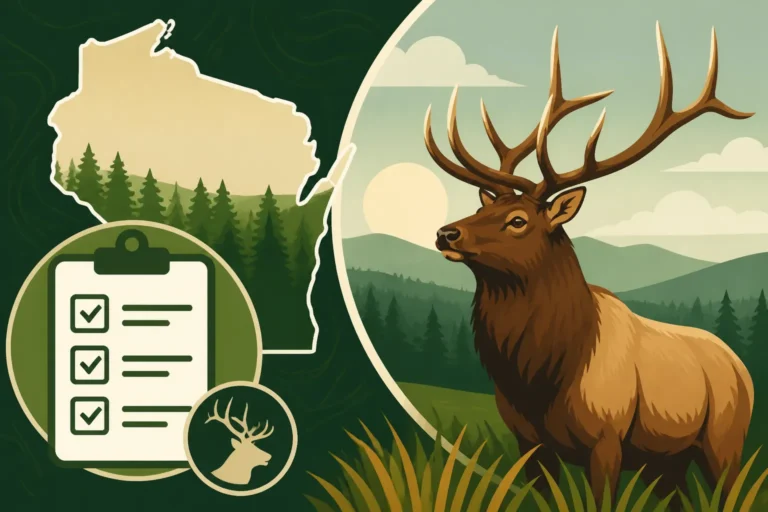
Dreaming of drawing a Wisconsin elk tag? It's a goal many of us share, a truly bucket-list hunt in our home state. But with limited tags and incredible demand, simply wanting a tag isn't enough; you've got to play by the rules and, crucially, hit those application deadlines. Missing the application window means waiting another entire year, a frustration no hunter wants to experience. This guide is all about making sure you know exactly when to apply for a Wisconsin elk tag, how the process works, and how to maximize your chances, year after year.
Understanding the Annual Elk Application Window
The application period for a Wisconsin elk hunt is one of the most anticipated, and often nail-biting, times of the year for dedicated hunters. Unlike some other big game opportunities, there's a very specific, non-negotiable window to get your name in the hat.
The Critical Dates for Elk Applications
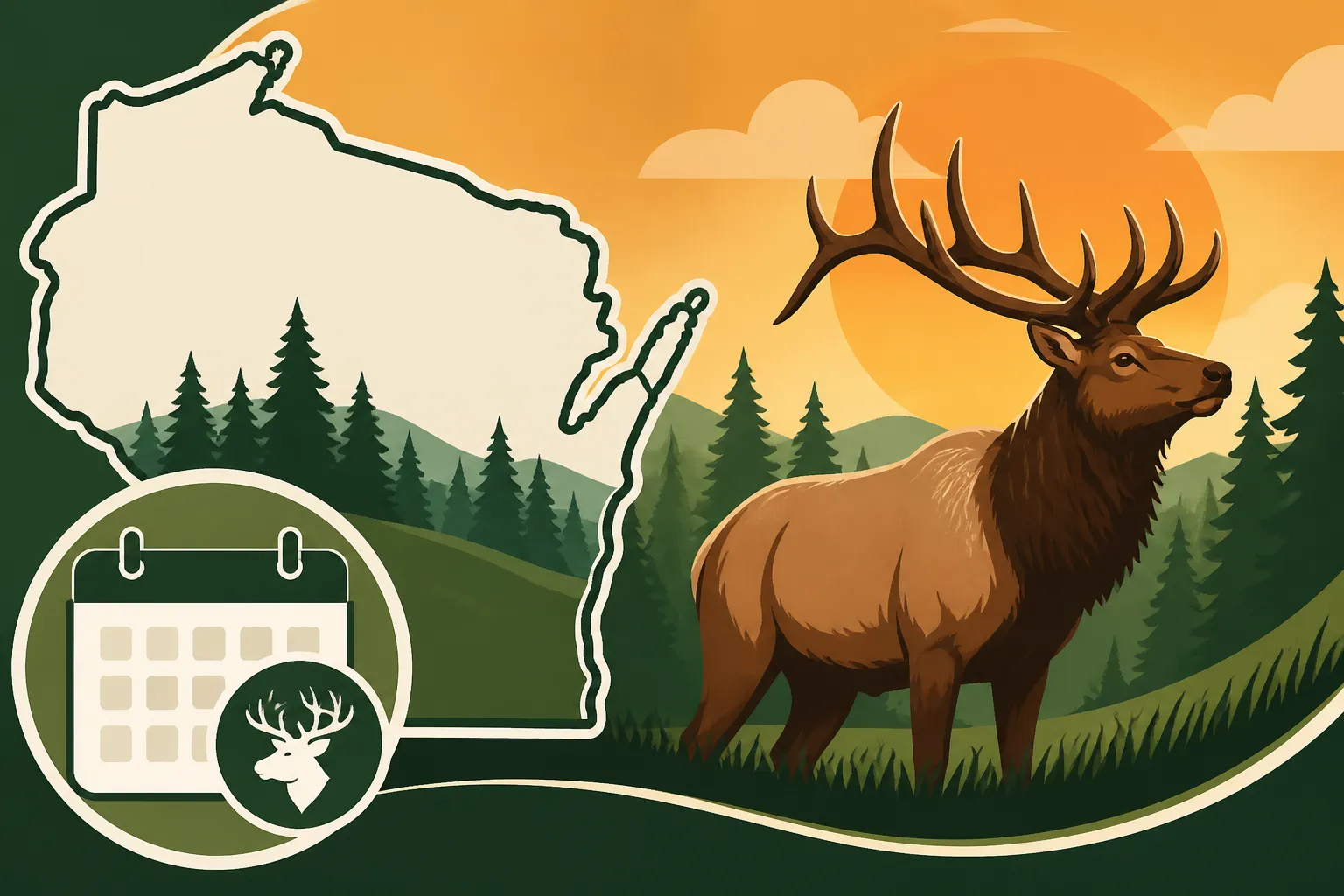
Every year, the Wisconsin Department of Natural Resources (DNR) opens the application period for elk hunting tags. This period typically runs from March 1st through May 31st. It’s a generous three-month window, which might sound like plenty of time, but as we all know, life gets busy, and deadlines can sneak up on you faster than a buck in a cedar swamp. You'll submit your application through the DNR's Go Wild licensing system.
It's important to remember that these dates are fairly consistent, but always double-check the official DNR regulations each year. A quick visit to the DNR website or a check of your Go Wild account in late winter will confirm the exact opening and closing dates for the upcoming season. For those who like to stay super organized, platforms like GoHunt often compile these critical dates, along with draw odds and harvest data, making it a valuable resource for planning your application strategy.
Why Missing the Deadline is Not an Option
Seriously, folks, there are no do-overs when it comes to the elk application deadline. If May 31st passes and you haven't applied, you're out of luck for the entire hunting season. It's not just about missing a hunt; it's about missing a year of accumulating those precious preference points, which are absolutely vital for anyone hoping to eventually draw a tag.
Think about the sheer excitement and anticipation that builds as the draw results get closer. Now imagine the gut punch of realizing you forgot to apply entirely. It’s a year of dreaming, scouting (even if only in your mind), and planning that just disappears because of an oversight. The Wisconsin elk herd is a testament to incredible conservation efforts, and the opportunity to hunt them is a privilege many covet. Don't let a missed date snatch that opportunity away from you. This is one of those instances where being proactive pays off hugely.
How to Stay Informed About Exact Dates
The best way to avoid missing out is to set multiple reminders. Here’s what I recommend:
- DNR Email Alerts: Sign up for email notifications directly from the Wisconsin DNR. They do a great job of sending out reminders when application periods open and close for various seasons, including elk.
- Go Wild Account: Regularly log into your Wisconsin Go Wild licence system account. All the official dates and opportunities will be clearly displayed there.
- Calendar Reminders: Put it on your phone, your digital calendar, and even a physical calendar in your hunting shed. Set an alert for early March when applications open and another for mid-May, well before the May 31st deadline.
- Hunting Forums and Communities: Stay connected with fellow Wisconsin hunters online. Someone is always talking about application dates, and these communities can be a good informal reminder system. Resources like GoHunt can also be configured to send you alerts or keep you updated on application timelines, which can be a real game-changer for busy hunters.
Here's a quick reference table for the typical elk application and draw schedule:
| Event | Typical Date Range | Notes |
|---|---|---|
| Elk Application Opens | March 1st | Marks the beginning of the application period. |
| Elk Application Closes | May 31st | Absolute deadline; no late applications accepted. |
| Drawing Results Announced | Early June (typically by June 15th) | Check your Go Wild account or email. |
| Hunt Period | Mid-October to Mid-November | Specific dates vary slightly by zone and year. |
Navigating the Wisconsin Go Wild System for Elk
The Go Wild system is your one-stop shop for all things licensing and applications in Wisconsin. While it might seem a bit daunting at first, it's actually quite user-friendly once you get the hang of it.
Step-by-Step Application Process
Applying for an elk tag is straightforward once you're in the Go Wild system. Here’s how it usually goes:
- Log In or Create an Account: Head over to the Wisconsin DNR Go Wild website. If you're a seasoned Wisconsin hunter, you'll already have an account. If not, you'll need to create one, which involves providing some basic personal information.
- Navigate to Elk Applications: Once logged in, look for a section related to "Harvest Authorizations," "Drawings," or "Lotteries." You'll specifically want to find the "Elk Application."
- Select Your Application: The system will guide you to the current year's elk application. You'll likely see an option to apply for either a bull or antlerless tag, or simply apply for "any elk" if that's the current structure. For now, it's typically an "any elk" authorization, meaning you can harvest a bull or cow.
- Pay the Application Fee: There's a non-refundable application fee. Even if you don't draw a tag, this fee secures your place in the drawing and, crucially, earns you a preference point. For Wisconsin residents, the application fee for the elk drawing is typically $10.00. This fee contributes directly to the elk management fund, so even if you don't draw, you're helping the herd!
- Confirm and Submit: Review all your details to make sure everything is correct. Once satisfied, submit your application. You'll usually receive a confirmation email, which is a good idea to save for your records. This is also where you confirm whether you're interested in the tribal harvest if that's an option you wish to explore, though most applicants are focused on the general state hunt.
It's a process that only takes a few minutes, but those few minutes can lead to a once-in-a-lifetime hunting adventure. Just imagine preparing for your hunt, studying the terrain, and thinking about your Rifle Setups for Wisconsin Deer or even considering Optics for Wisconsin Timber and Coulees – it all starts with this simple application.
Understanding the Elk Preference Point System
This is where the long game comes into play for Wisconsin elk hunting. Drawing a tag, especially for the coveted Clam Lake or Black River herds, is incredibly difficult due to the sheer number of applicants and very limited tags. That's why Wisconsin uses a preference point system.
- How it Works: Every year you apply for an elk tag and are unsuccessful in the drawing, you earn one preference point. The more preference points you have, the better your odds of drawing a tag in future years. Think of it like a loyalty program for persistent hunters.
- The Accumulation: Your preference points continue to accumulate year after year, as long as you apply annually. If you miss a year, you lose all your accumulated points, starting back at zero. This is a critical detail and another reason why hitting that May 31st deadline is so important.
- The Draw: When the drawing occurs, applicants with the most preference points are generally considered first. This system ensures that those who have put in their time and been loyal applicants over many years eventually get their shot. It's a fair system, but it does mean a long wait for most. You can track your preference points by logging into your Go Wild account and checking your "Customer Dashboard." You'll see your current point totals for all species you've applied for.
- Point Use: Once you successfully draw an elk tag, your preference points for elk are reset to zero. Then, the process starts all over again for your next application, though most hunters are thrilled just to draw one tag in their lifetime.
To truly understand the landscape, it's worth comparing the system with others, such as Wisconsin Bear Preference Points and Zones, which also use a similar, albeit distinct, point system. The wait times for elk can be significantly longer given the smaller number of tags.
What Happens After You Apply: Drawing Results and Next Steps
The period between applying and the drawing results can feel agonizingly long. It's a time filled with anticipation, hopeful daydreams, and maybe a little nervous energy.
When and How Drawing Results Are Announced
Typically, the Wisconsin DNR conducts the elk drawing in early June, often within the first two weeks of the month. You won't hear a public fanfare about the winners right away; instead, successful applicants are usually notified directly.
- Email Notification: The primary way the DNR notifies successful applicants is via email to the address associated with your Go Wild account. So, keep an eye on your inbox (and spam folder!) around the first couple of weeks of June.
- Go Wild Account Update: Your Go Wild account will also be updated. You can log in and check your "Customer Dashboard" or "Harvest Authorizations" section. If you've drawn a tag, it will show up there. Unsuccessful applicants will also see their preference points updated.
- Public Announcements: While individual notifications come first, the DNR will eventually announce the overall results and harvest quotas publicly, but that's after the individual notifications have gone out.
Preparing for the Hunt (If You Draw) or Looking Ahead (If You Don't)
Drawing an elk tag is like winning the lottery for many Wisconsin hunters. If you're one of the lucky few, the real work (and excitement!) begins.
If You Draw an Elk Tag
Congratulations! This is the culmination of years of patience and consistent application. Now, it's time to shift into serious planning mode:
- Understand Your Zone: Your tag will be valid for a specific elk management zone, typically either the Clam Lake or Black River zone. Understanding Wisconsin Elk Hunt Zone Boundaries is paramount. These zones have distinct terrain and access points.
- Scouting is Critical: Even if you can't get boots on the ground right away, start with map scouting. Use online tools like the Wisconsin Hunt Wild App or platforms like GoHunt to pore over aerial photos and topography. Look for water sources, feeding areas, bedding cover, and potential travel corridors. If possible, plan a pre-season scouting trip to familiarize yourself with the terrain. You'll want to find spots that match advice found in posts like Scouting Wisconsin Public Land Before Season.
- Gear Check: Ensure your rifle is sighted in and capable of ethical shots at elk distances. While often hunted in timber, elk can be large, tough animals, and good shot placement is key. Think about your Rifle Setups for Wisconsin Deer, but consider the larger size and tougher hide of an elk.
- Physical Preparation: Elk hunting can be physically demanding, especially in the rugged terrain of northern Wisconsin. Start getting in shape now to handle long walks and potentially difficult recoveries.
- Study Regulations: Re-read the specific elk hunting regulations for the current season, as there might be nuances regarding methods, legal shooting hours, or registration requirements. The DNR's website will have a dedicated elk hunting regulations section.
If You Don't Draw an Elk Tag
Don't despair! You're in good company with thousands of other dedicated Wisconsin hunters. The game plan now is clear:
- Confirm Your Preference Point: Log into your Go Wild account and ensure your preference point has been added correctly. This is your investment in future hunts.
- Stay Engaged: Use the time to learn more about elk behavior, habitat, and hunting techniques. Reading articles about topics like When Wisconsin Elk Bugle can make you a more knowledgeable and prepared hunter for when your number finally does come up.
- Plan for Next Year: Mark those application dates on your calendar for the following year. Consider setting up automatic reminders well in advance. Remember, consistent application is the key to eventually drawing one of these highly sought-after tags. You might be interested in exploring other big game opportunities like Bear Hunting With Bait and Dogs in Wisconsin in the meantime.
The wait can be long, but the experience of hunting elk in Wisconsin is truly special. Persistence and preparation are your best allies in this journey.
Disclaimer
Please remember that hunting regulations, season dates, and application periods are subject to change by the Wisconsin Department of Natural Resources (DNR). While we strive to provide accurate and up-to-date information, it is always the hunter's responsibility to verify all regulations and dates with the official Wisconsin DNR website or current hunting handbooks before planning any hunting activities.