Wisconsin Carcass Movement Restrictions
There's nothing quite like the thrill of a successful hunt in Wisconsin, but that triumphant feeling can quickly turn to a bit of a headache when you start thinking about getting your deer home. Dealing with carcass movement restrictions, especially with the shadow of Chronic Wasting Disease (CWD) looming large over many parts of the state, adds a whole new layer of complexity to an otherwise joyful experience. It’s frustrating trying to keep up with the rules, knowing one wrong move could land you in trouble. This guide is here to untangle those regulations, helping you understand precisely what you can and cannot do with your deer after the shot, ensuring a compliant and stress-free end to your hunt.
Understanding Wisconsin's CWD Carcass Movement Rules
The thought of CWD is enough to make any hunter's stomach turn. It's a real threat to our deer herd, and that's why Wisconsin has some pretty stringent rules in place about moving deer carcasses. These aren't just arbitrary guidelines; they're critical measures designed to slow the spread of this devastating neurological disease. It's a collective effort, and understanding the 'why' behind the rules makes it a lot easier to follow them.
The Rationale Behind the Regulations
Chronic Wasting Disease is a fatal, transmissible neurological disease that affects deer, elk, and moose. It's caused by abnormal proteins called prions, which can persist in the environment for years, making it incredibly difficult to eradicate once it takes hold. When a deer dies from CWD, these prions are present in various tissues, with concentrations particularly high in the brain, spinal cord, and lymph nodes. If a hunter moves a carcass from a CWD-affected area to a clean area, and then disposes of the high-risk parts improperly, those prions can contaminate the soil and water, infecting other deer.
Think of it this way: imagine you've harvested a deer in a county known for CWD, and you decide to take the whole animal home to a county where CWD hasn't been detected yet. You process it in your backyard, and then you toss the bones and gut pile into the woods nearby. If that deer was CWD-positive, you've just created a new infection site, potentially introducing the disease to a whole new population of deer. The regulations are a proactive step to prevent these kinds of scenarios, acting as a critical barrier to contain the disease. It’s a bitter pill to swallow for hunters who just want to get their deer home, but it's for the greater good of the herd and our hunting heritage.
Navigating Designated CWD Affected Areas
Knowing which areas are designated as CWD-affected is the first, and arguably most important, step in complying with carcass movement restrictions. These aren't static boundaries; the Wisconsin Department of Natural Resources (DNR) regularly updates the list of counties where CWD has been detected. Generally, if you harvest a deer in a county where CWD has been found, you're subject to these heightened restrictions. It’s not just about the county you're hunting in; sometimes, even adjacent counties can have specific rules to create a buffer zone.
Before you head out, make it a point to check the most current CWD zone maps on the DNR website. Tools like the Wisconsin Hunt Wild App are invaluable for this, often providing real-time updates and interactive maps that show precisely which areas are under restrictions. It’s much like needing to know Finding Your Wisconsin Deer Management Unit for tag allocation; knowing the CWD zone is crucial for carcass handling. A quick check of Which Wisconsin Counties Have CWD can save you a lot of hassle and potential legal trouble down the road. This diligence helps prevent scenarios like the expansion witnessed as How CWD Spread Across Southern Wisconsin, which shows how easily it can move across the landscape.
Carcass Parts You Can and Cannot Move
This is often where the confusion really sets in for hunters. What exactly can you take out of a CWD-affected county, and what absolutely cannot leave? The rules are designed to allow hunters to take home their venison and trophy while minimizing the risk of spreading high-risk CWD prions. Essentially, the parts that contain the highest concentrations of CWD prions are the ones that are restricted from leaving affected areas.
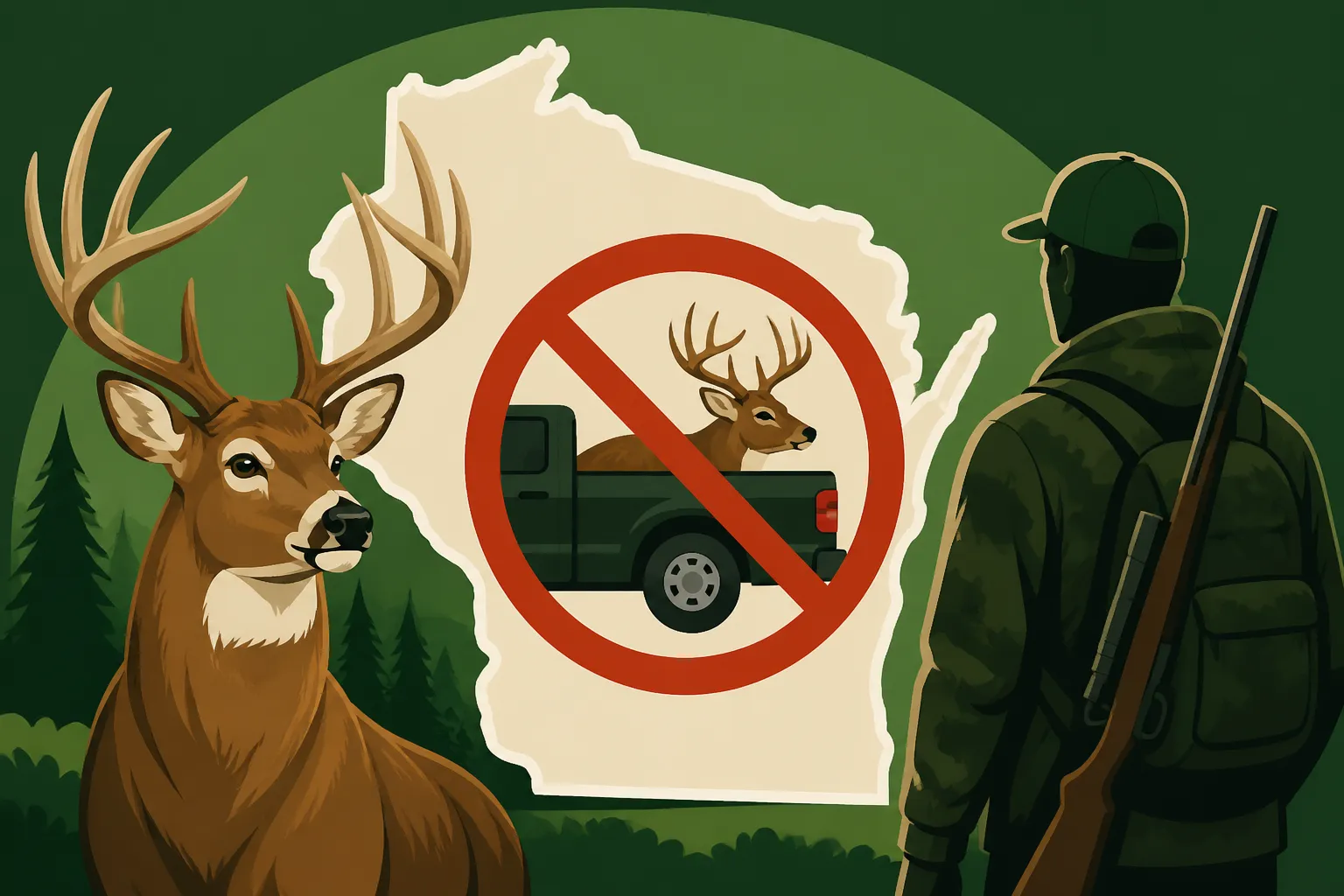
The DNR specifies that you cannot move a whole deer carcass out of a CWD-affected county. This includes the head (especially the brain), spinal column, and any lymph nodes, which are considered "high-risk" materials. These parts must either be left in the county of harvest, disposed of at a licensed landfill in that county, or taken to a CWD sampling station or a licensed taxidermist/processor within the affected area. It's a significant shift from the old days of just tossing the whole carcass in the truck and driving home, but it's a necessary precaution.
However, many parts are allowed to leave. Generally, deboned meat, quarters (meat with bone still attached, as long as the spinal column is removed), hides (without the head attached), clean skull plates (with no brain or tissue attached), and finished taxidermy mounts are permissible. The key is "clean," meaning absolutely no brain or nervous system tissue remains. If you’re unsure, always err on the side of caution. Consider this detailed breakdown:
| Carcass Part | Allowed to Leave CWD-Affected County | Notes |
|---|---|---|
| Deboned meat | Yes | Must be completely deboned. |
| Quarters / Whole Muscle Meat | Yes | Bone-in portions are allowed if no spinal column or brain material is present. |
| Hides | Yes | Must be removed from the head. |
| Clean Skull Plate (Antlers attached) | Yes | All brain and nervous system tissue must be removed. |
| Clean Skulls (Euro mounts) | Yes | All brain and nervous system tissue must be removed. |
| Teeth | Yes | |
| Finished Taxidermy Mounts | Yes | Once fully processed and cleaned. |
| Whole Carcass | No | Must be processed within the CWD-affected county or at an approved facility. |
| Head (with brain, spinal column) | No | Unless taken directly to a CWD sampling station or licensed processor/taxidermist within the affected county. |
| Spinal Column | No | Must be removed and left in the affected county or disposed of properly. |
| Lymph Nodes | No | Found throughout the carcass, high-risk. |
Practical Steps for Compliance
Knowing the rules is one thing, but actually implementing them in the field is another. Hunters often find themselves in remote areas, far from processors or testing sites. This means planning ahead and being prepared to handle your harvest appropriately, right from the moment you drop that deer. It requires a little extra gear and a lot of forethought, but it ensures you stay on the right side of the law and do your part to protect the herd.
Processing Your Harvest In-Field or Locally
For many hunters, especially those who prefer to process their own deer, in-field processing has become a crucial skill. If you harvest a deer in a CWD-affected county, the easiest way to comply with movement restrictions is to completely debone the animal at the site of the kill. This means you leave the entire skeletal system, including the head and spinal column, right there in the woods. While it might sound daunting, with the right tools and a little practice, it's quite manageable. It's a bit like learning to Field Dressing a Deer in Cold Weather, just taking it a few steps further.
Alternatively, if you're hunting within a CWD-affected county, you can take the whole carcass directly to a licensed deer processor or taxidermist within that same county. These facilities are equipped to handle and dispose of the high-risk parts correctly. Make sure you confirm their licensing and their ability to handle CWD-restricted materials beforehand. Some hunters prefer this route because it streamlines the process, especially after a successful hunt where you might be tired or pressed for time. Plus, it’s a great way to ensure the meat is handled professionally if you’re not keen on doing a full breakdown yourself, similar to the process of Butchering a Deer at Camp but with professional assistance for disposal.
Utilizing Commercial Processors and Taxidermists
Commercial processors and taxidermists play a vital role in helping hunters comply with CWD regulations. Many of these businesses are located within CWD-affected zones and are set up to receive whole carcasses. They will process the deer, remove all high-risk parts, and dispose of them according to DNR guidelines, often through incineration or burial in approved landfills. This service is invaluable for hunters who either don't want to perform extensive in-field processing or those who wish to have their deer formally butchered or mounted.
When selecting a processor or taxidermist, always confirm they are knowledgeable about and compliant with current CWD regulations. Ask them about their disposal methods for high-risk parts and how they handle game from CWD-affected areas. Many will even have protocols for Wisconsin CWD Testing for Hunters if you wish to have your deer tested. For trophy bucks, working with a taxidermist who understands these rules is crucial to ensure your mount can be legally transported. They'll know how to properly clean the skull plate or skull, removing all brain tissue, so it can be moved out of the CWD zone.
Transporting Approved Carcass Parts Across Zones
Once you’ve processed your deer according to the rules, whether it’s deboned meat, quarters, or a cleaned skull plate, you can then transport these approved parts across CWD zone boundaries. The key takeaway here is that you're only moving the low-risk components. This is where proper packaging and clear labeling become important, especially if you anticipate being stopped by law enforcement or passing through areas where compliance checks are common.
For deboned meat, ensure it’s bagged or contained in coolers. For quarters, make sure no spinal column or brain tissue is present. Skull plates and cleaned skulls should be thoroughly free of any tissue. It’s a good idea to keep your harvest tag accessible, as you still need to adhere to Wisconsin Deer Registration Rules and may be asked to show proof of where the deer was harvested. If you’re traveling a significant distance, having proper coolers and ice is essential, especially for early season hunts when temperatures can still be warm, to preserve the meat.
Consequences of Non-Compliance and Enforcement
Ignoring CWD carcass movement restrictions isn't just a minor oversight; it's a serious matter with real consequences. The DNR takes these regulations very seriously, and for good reason—the integrity of our deer herd is at stake. Understanding the potential penalties and how enforcement works serves as a stark reminder of why it’s so important to adhere to these rules. It’s not just about avoiding a fine; it’s about being a responsible hunter and conservationist.
Penalties for Violating Carcass Movement Rules
The penalties for violating Wisconsin's carcass movement restrictions can be significant. Depending on the severity of the offense and whether it's a repeat violation, hunters could face substantial fines, ranging from hundreds to thousands of dollars. Beyond monetary penalties, violations can also result in the confiscation of the harvested animal and even the suspension or revocation of hunting privileges. Imagine losing your right to hunt in Wisconsin, all because you didn't properly dispose of a deer head.
These aren't just empty threats. The DNR actively enforces these regulations, and ignorance of the law is generally not considered an excuse. The legal ramifications can extend beyond the immediate hunting season, affecting your ability to purchase licenses in future years. It’s part of the broader framework of Wisconsin Wildlife Violation Penalties, where the state aims to deter actions that harm wildlife populations or undermine management efforts. A moment of inconvenience in properly processing a deer pales in comparison to the long-term impact of a violation on your hunting future.
How the DNR Monitors and Enforces
The Wisconsin DNR employs various methods to monitor and enforce CWD carcass movement restrictions. Conservation wardens conduct roadside checks, especially during peak hunting seasons, often near CWD-affected areas or major travel routes. They'll ask about your harvest location and inspect your vehicle and cooler for compliance. These checks are designed to educate hunters and ensure adherence to the rules.
In addition to direct checks, the DNR also relies on public reporting. Other hunters, landowners, or concerned citizens might report suspicious activity. This community involvement is crucial in containing CWD. Furthermore, processors and taxidermists are often required to maintain records of where harvested deer originated, which can be cross-referenced with CWD zone data. The widespread use of mapping technology, like that found on platforms such as GoHunt, also aids wardens in identifying potential hotspots or routes for monitoring. These multiple layers of enforcement help ensure that the regulations aren't just on paper but are actively upheld in the field.
Planning Your Hunt Around Carcass Restrictions
The best offense is a good defense, and that certainly applies to hunting in CWD zones. Proactive planning can eliminate much of the stress and confusion that comes with carcass restrictions. Instead of being caught off guard after a successful harvest, taking a few steps before you even leave home can make all the difference, allowing you to focus on the hunt itself rather than worrying about regulatory hurdles.
Pre-Season Research and Zone Identification
Before you even scout a location or hang a stand, a critical first step is to do your homework on CWD-affected areas. The DNR website is your primary resource for current maps and regulations. Pay close attention to the specific county you plan to hunt in, and any adjacent counties you might pass through on your way home. It’s also wise to check for any local processors or taxidermists in the area you’ll be hunting, especially if they are within the CWD-affected zone.
Using digital mapping applications can be a huge help here. Platforms like GoHunt, or the official Scouting With the Wisconsin Hunt Wild App, allow you to overlay CWD zone information with public land boundaries and even private property lines. This visual aid makes it much easier to understand where the restrictions apply. Knowing this upfront can influence where you decide to hunt, especially if you have an option between a CWD-affected county and a clean one, or if you plan to hunt areas that are adjacent to a CWD zone. Being prepared ensures you're not trying to figure out the rules while standing over a downed buck.
Essential Field Gear for In-Field Processing
If you decide that in-field processing is your best bet for compliance, you'll need to pack some extra gear. This isn't just about throwing a knife in your pack; it's about having the right tools to efficiently and cleanly debone a deer in the field. A good boning knife, a sturdy game saw (if you plan to quarter but remove the spine), quality game bags to keep the meat clean, and even a tarp or ground cloth to work on are essential.
Don’t forget latex gloves for hygiene and to minimize contact with high-risk tissues. You might also consider a compact, lightweight meat hauling frame pack if you anticipate having to pack out deboned meat a significant distance. While not directly related to carcass movement, having a reliable way to transport a heavy load of deboned meat is paramount. It’s about being self-sufficient and ready for anything, much like having Sleds and Drags for Snow Country to get a deer out in tough conditions. Being well-equipped for field processing means you’re always prepared to comply, no matter where your hunt takes you.
Disclaimer
The information provided in this guide is for general informational purposes only and is not intended as legal advice. Hunting regulations, including CWD carcass movement restrictions, are subject to change. Always consult the most current official Wisconsin Department of Natural Resources (DNR) regulations and publications before hunting to ensure full compliance. It is the hunter's responsibility to understand and adhere to all applicable laws.