The Mississippi River Goose Zone
The sheer scale and ever-changing nature of the mighty Mississippi River can be incredibly intimidating for waterfowl hunters, especially when you're targeting geese and trying to wrap your head around specific zone regulations. It’s easy to feel lost in a sea of public land maps and conflicting information about what's legal where. This comprehensive guide is designed to cut through that confusion, giving you a clear understanding of the Mississippi River Goose Zone in Wisconsin, its unique challenges, and the best strategies to make your hunt a resounding success.
Understanding the Mississippi River Goose Zone Boundaries
The Mississippi River isn't just a river; it's an entire ecosystem, a critical flyway, and for goose hunters in Wisconsin, a distinct hunting zone with its own set of rules and opportunities. It’s important to recognize that this isn't just about the main channel; it encompasses a complex network of backwaters, sloughs, islands, and associated floodplain areas.
Geographical Extent and Key Counties
The Mississippi River Goose Zone in Wisconsin specifically covers all of the waters of the Mississippi River and its adjacent sloughs and backwaters bounded by the Burlington Northern Santa Fe railroad tracks on the east side of the river. This means that if you're standing east of those tracks, you're generally outside the zone, but if you're on the river itself or in one of its many watery arteries up to the railroad, you're in. This zone runs along Wisconsin’s western border, touching a number of counties including Buffalo, Trempealeau, La Crosse, Vernon, Crawford, Grant, and a portion of Pierce. Each of these counties offers slightly different terrain, access points, and localized goose behavior, making scouting vital.
Think of it like this: the railroad tracks act as a natural, albeit man-made, boundary line. Anything west of that line, including the river islands, channels, and backwater lakes, falls under the special river zone regulations. This distinct delineation is crucial for hunters to understand, as straying even a few hundred yards east of the tracks can put you into a different goose zone with potentially different season dates and bag limits. It requires a keen eye on your maps and an understanding of the local landscape.
Why This Zone is Unique for Goose Hunting
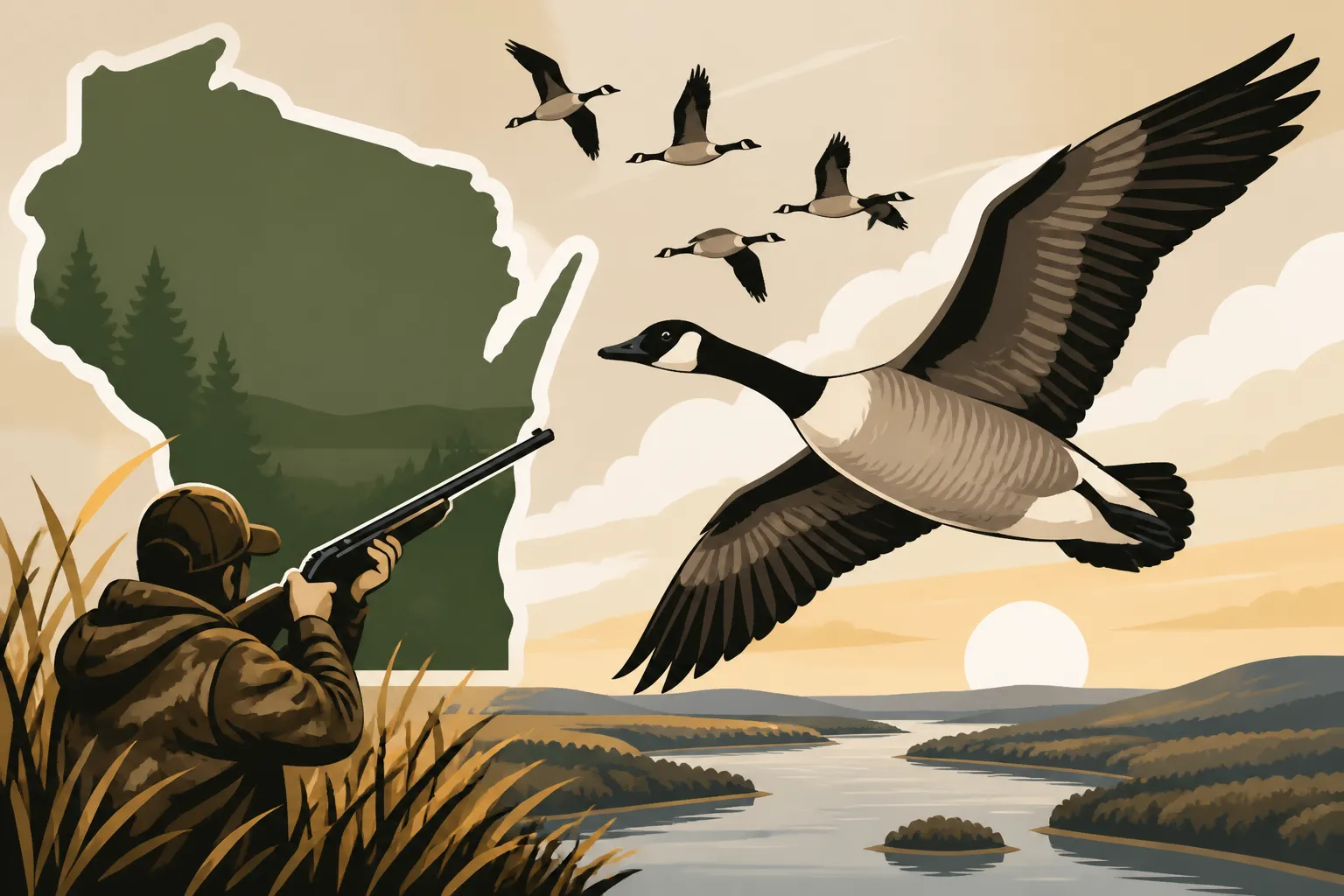
What makes the Mississippi River Goose Zone so special? For starters, it’s a critical migration corridor. Millions of ducks and geese utilize the Mississippi Flyway each year, making the river a natural magnet for waterfowl. Geese, particularly Canada geese, find abundant food sources in the agricultural fields bordering the river, and they use the expansive, relatively undisturbed waters of the river and its islands for roosting and loafing. The sheer volume of birds can be staggering during peak migration.
Beyond the numbers, the river offers a diverse array of hunting opportunities. You can find geese using large open water stretches, isolated sandbars, flooded timber in backwaters, or venturing out to feed in nearby cornfields. This variety means that successful river goose hunters often need a broad skillset and adaptable tactics, from open-water spreads to field blinds. Unlike hunting in a smaller marsh or a specific private field, the river is a dynamic, constantly changing environment influenced by water levels, boat traffic, and weather patterns, demanding constant observation and flexibility. It's a grand stage for hunting, but it definitely keeps you on your toes!
Regulations and Licensing for River Geese
Hunting the Mississippi River Goose Zone isn't just about finding birds; it's about understanding and adhering to a specific set of regulations designed to manage this unique resource. Federal and state laws intertwine here, and missing a single requirement can turn a great hunt into a legal headache.
Specific Season Dates and Bag Limits
The Mississippi River Goose Zone operates on its own distinct season dates, which often differ from Wisconsin’s Northern, Southern, and Exterior goose zones. These dates are set annually by the Wisconsin Department of Natural Resources (DNR) in coordination with federal guidelines, so it’s absolutely essential to check the current year’s waterfowl hunting regulations pamphlet or the DNR website well before you plan your trip. Generally, the season is structured to align with the migration patterns of Canada geese and other species using the flyway.
Bag limits also apply specifically to this zone. For example, you might find a daily limit of two Canada geese, but it’s crucial to know if any special restrictions apply, such as separate limits for different subspecies or aggregate limits with other goose species like snow geese. These specifics can change, so always verify the most up-to-date information. If you're also pursuing ducks, remember that duck season dates and bag limits will also apply, and often overlap, within the same geographic area, which adds another layer of complexity to the planning.
Essential Licenses and Stamps
Before you even think about setting foot (or boat) in the Mississippi River Goose Zone, you need to ensure all your paperwork is in order. This includes several key items:
- Wisconsin Small Game License: This is your foundational license for hunting migratory game birds.
- Wisconsin Waterfowl Stamp: A state-specific stamp dedicated to waterfowl conservation efforts. You can find details on the requirements for a Wisconsin Waterfowl Stamp.
- Federal Migratory Bird Hunting and Conservation Stamp (Federal Duck Stamp): This is a federal requirement for anyone 16 years or older hunting migratory waterfowl. The funds from these stamps go directly to conserving wetlands and purchasing waterfowl habitat.
- Harvest Information Program (HIP) Certification: Every waterfowl hunter in Wisconsin, regardless of age, must obtain HIP certification. This involves answering a few short questions about your previous year's hunting success, and it helps the U.S. Fish and Wildlife Service gather critical data for population management. Make sure you complete your Wisconsin HIP Certification for Bird Hunters.
Purchasing your licenses and stamps is usually a straightforward process through Wisconsin’s Go Wild system. Many hunters use digital scouting tools like GoHunt to help plan their trips and keep track of regulations, though it's always best practice to double-check official DNR sources for final confirmation.
Non-Toxic Shot and Other River Rules
One of the most critical rules to remember when hunting waterfowl on the Mississippi River, or anywhere in Wisconsin for that matter, is the requirement for non-toxic shot. Lead shot is strictly prohibited for waterfowl hunting across the entire state, including all areas of the Mississippi River Goose Zone. This rule is in place to protect waterfowl from lead poisoning. Common non-toxic alternatives include steel, bismuth, and tungsten-iron alloys. Be sure to check what Where Nontoxic Shot Is Required in Wisconsin to ensure you're compliant.
Beyond shot, there are other considerations. Hunting from a motorboat under power is generally prohibited, as is baiting waterfowl. Make sure your boat is legally registered and equipped with all necessary safety gear, especially when navigating the potentially unpredictable currents and hazards of the Mississippi. Understanding these rules is not just about avoiding fines; it's about responsible hunting and preserving the resource for future generations.
Accessing and Hunting the Mississippi River
The sheer size of the Mississippi River can be daunting when you're looking for a place to hunt. However, the vast majority of the river itself and many of its islands are part of the Upper Mississippi River National Wildlife and Fish Refuge, meaning they are public and accessible to hunters. Knowing how to navigate these areas is key.
Navigating Public Access Points
The Mississippi River is lined with numerous public access points, boat launches, and landings, especially in larger towns like La Crosse, Prairie du Chien, and Alma, as well as smaller communities up and down the river. Many of these are managed by local municipalities, the Wisconsin DNR, or the U.S. Fish and Wildlife Service. The crucial thing is understanding where you can launch and what rules apply to that specific launch. Some areas might have seasonal closures, fees, or specific hours.
For comprehensive information on access points, the Wisconsin DNR's public access lands maps are invaluable. Furthermore, tools like GoHunt offer detailed mapping layers that show public land boundaries, boat ramps, and even parking areas, which can be a lifesaver when you're trying to scout new territory or navigate unfamiliar terrain in the dark before a morning hunt. Remember, access often means utilizing a boat, so having a reliable watercraft and knowing how to safely operate it in river conditions is non-negotiable.
Key Hunting Areas and Considerations
Within the Mississippi River Goose Zone, certain areas tend to hold more birds or offer better hunting opportunities. The Upper Mississippi River National Wildlife and Fish Refuge is a prime example, stretching for hundreds of miles. This refuge includes vast expanses of marsh, islands, and backwater sloughs that provide ideal habitat for roosting and feeding geese. Notable sections, such as the areas around Pool 8 (near La Crosse) and Pool 9 (near Prairie du Chien), are renowned for their waterfowl concentrations. Hunters often refer to specific "pools" of the river, which are segments created by the dam system that regulates water levels.
When considering hunting locations, pay attention to current water levels. High water can flood out traditional blind spots or create new ones, while low water can expose vast sandbars that geese love to loaf on. Scouting from the water, or even aerial imagery on GoHunt, can reveal these critical details. Wind direction and speed also play a massive role; geese will often approach decoys into the wind, so positioning is everything. Don't forget to look at the surrounding agricultural fields; if geese are feeding heavily in corn stubble nearby, they'll likely be loafing on the river during midday, offering opportunities for transition hunts. For more on strategies for this unique environment, check out our guide on Hunting Mississippi River Backwaters.
Effective Tactics for Mississippi River Goose Hunting
Successfully hunting geese on the Mississippi River requires a blend of traditional waterfowl tactics adapted to the river's dynamic environment. It's not always about having the biggest spread; it's about smart setups and understanding goose behavior.
Decoy Spreads and Placement
Goose decoy spreads on the Mississippi can range from modest to enormous, depending on the specific location and hunting pressure. On large, open water roosts, a big spread of full-body floaters might be necessary to grab attention. However, in smaller backwaters or on sandbars, a more conservative spread of a dozen or two floaters or even a few silhouettes might be all you need. The key is realism and visibility.
Consider motion decoys, like wind socks or flags, which can add crucial movement, especially on calm days. Geese have excellent eyesight, so make sure your decoys are clean and well-maintained. Placement is also critical: try to mimic natural feeding or loafing patterns, leaving a landing zone for incoming birds. If hunting a sandbar, place some decoys on the sand and some in the shallow water edge. If hunting a field adjacent to the river, a spread of field decoys is essential. The type of decoys and their setup will vary based on whether you're targeting birds flying high over the main channel or those settled in quieter backwaters.
Calling and Attracting River Geese
Goose calling is an art, and on the Mississippi, it's often a necessity. Learning to effectively use a short-reed goose call to mimic the sounds of Canada geese can significantly increase your success. The goal isn't just to make noise, but to create a convincing conversation that draws birds in. This includes clucks, honks, moans, and double clucks, all delivered with varying volume and intensity depending on the birds' distance and reaction.
When geese are far out, loud hail calls can grab their attention. As they get closer, switch to softer, more contented calls to reassure them. If they start to work the decoys, subtle clucks and moans can seal the deal. Practice is key, and listening to real geese on the river will be your best teacher. Sometimes, less is more; over-calling can spook wary birds. Observe how other hunters are calling, but also develop your own style. Knowing when to call, and more importantly, when to shut up, is a critical skill for any river goose hunter.
Blind Setups for Varying River Conditions
Blind selection and setup are paramount on the Mississippi. You'll encounter a variety of scenarios, each requiring a different approach.
- Boat Blinds: For hunting open water, large backwaters, or drifting with the current, a custom-built boat blind can be incredibly effective. These blinds are often camouflaged with natural vegetation and allow hunters to remain mobile. They are great for intercepting birds moving between roosts and feeding areas.
- Layout Blinds: If you're hunting exposed sandbars or field edges adjacent to the river, a low-profile layout blind is an excellent choice. These blinds keep you hidden and comfortable, blending seamlessly into the environment. Make sure to brush them in well with whatever natural vegetation is available to break up your outline.
- Shoreline Blinds: Natural cover along the riverbanks, such as fallen trees, cattails, or dense brush, can be ideal for improvised shoreline blinds. The key here is to use existing cover to your advantage rather than trying to build something from scratch that might look unnatural. Always make sure your blind allows for clear shooting lanes.
Regardless of your chosen setup, consider the sun's position for concealment and the wind direction for incoming birds. Geese will almost always land and take off into the wind, so position your blind to have the wind at your back or quartering. This allows the birds to approach over your decoys with their wings set, offering prime shot opportunities. Remember, river conditions can change rapidly, so be prepared to adapt your blind setup to shifting winds or rising water. For general advice on preparing for diverse Wisconsin conditions, review our article on Blind Bags and Cold-Weather Gear.
| Wisconsin Goose Zones | Primary Species Targeted | Typical Season Dates | Unique Characteristics |
|---|---|---|---|
| Mississippi River Goose Zone | Canada Geese, Snow Geese | Varies Annually | Follows BNSF railroad tracks; includes river, sloughs, islands; high migration traffic, diverse hunting opportunities. |
| Southern Zone | Canada Geese, Snow Geese | Varies Annually | Largely agricultural, field hunting prominent; multiple split seasons. |
| Northern Zone | Canada Geese, Snow Geese | Varies Annually | Shorter season, fewer birds than Southern; more timber and smaller water bodies. |
| Exterior Zone | Canada Geese, Snow Geese | Varies Annually | Covers areas outside the other specific zones; often similar to Southern or Northern depending on location within the state. |
Disclaimer
Hunting is an inherently risky activity. This article provides general information and recommendations for hunting in Wisconsin. It is the sole responsibility of each hunter to understand and comply with all current federal, state, and local hunting regulations. Always prioritize safety, practice ethical hunting, and respect wildlife and natural resources. Conditions, regulations, and access can change, so always consult the official Wisconsin Department of Natural Resources (DNR) website and relevant authorities before heading into the field.