Which Wisconsin Counties Have CWD
One of the most disheartening realities facing Wisconsin deer hunters today is the persistent shadow of Chronic Wasting Disease (CWD). It's a tough topic, bringing with it questions, frustrations, and often, a sense of uncertainty about how to continue our hunting traditions safely and responsibly. You're probably wondering, just like so many of us, which counties are actually affected, what that means for your hunt, and how to navigate the ever-changing landscape of regulations. This guide is here to cut through the confusion and give you a clear, realistic picture of where CWD stands in Wisconsin, especially concerning those county lines.
Understanding Chronic Wasting Disease and Its Impact
Let's be honest, CWD is something none of us wanted to deal with. It's a fatal neurological disease affecting cervids, like white-tailed deer, mule deer, elk, and moose. It's not a bacterium or a virus, but a prion – a misfolded protein that causes other normal proteins to misfold, slowly destroying brain tissue. The thought of it spreading through our beloved deer herd is a bitter pill to swallow, and it's completely understandable to feel overwhelmed by the science and the implications.
The Reality of CWD in Wisconsin
Wisconsin's encounter with CWD began back in 2002, when it was first detected in deer harvested in the south-central part of the state, specifically in Dane and Iowa counties. This discovery sent shockwaves through the hunting community and initiated a long, ongoing battle to manage its spread. For those of us who grew up with rich deer hunting traditions, it felt like an unwelcome intruder threatening everything we cherished about being in the woods. Since then, despite significant efforts, CWD has unfortunately continued to spread, becoming an entrenched issue in many parts of the state. It’s a slow-moving problem, often without immediate dramatic symptoms, which makes it even more insidious and challenging to contain. The fact that it can take months or even years for an infected deer to show signs, all while potentially shedding prions into the environment, is a major part of the difficulty in managing it.
Why CWD Matters to Hunters
Beyond the tragic impact on the deer themselves, CWD presents several direct challenges for hunters. First and foremost, there are health concerns, though currently, there's no strong scientific evidence that CWD can infect humans. However, public health agencies universally recommend against consuming meat from CWD-positive animals. This alone is enough to make any hunter pause and think. Secondly, CWD leads to changes in hunting regulations, often involving mandatory or voluntary testing, carcass transport restrictions, and, perhaps most notably for many, baiting and feeding bans. These regulations can drastically alter hunting strategies and traditions, and it’s natural to feel frustrated by the constant adjustments. It changes how we view the deer we harvest, adding a layer of responsibility that wasn't there before.
Identifying CWD-Affected Counties in Wisconsin
This is often where the real confusion sets in. The Wisconsin Department of Natural Resources (DNR) maintains specific zones and regulations based on where CWD has been detected. These aren't static lines on a map; they can shift as new positive cases are identified. It’s not just about finding a positive deer; it’s about the geographic area surrounding those detections that then triggers broader management efforts.
Core CWD Eradication and Management Zones
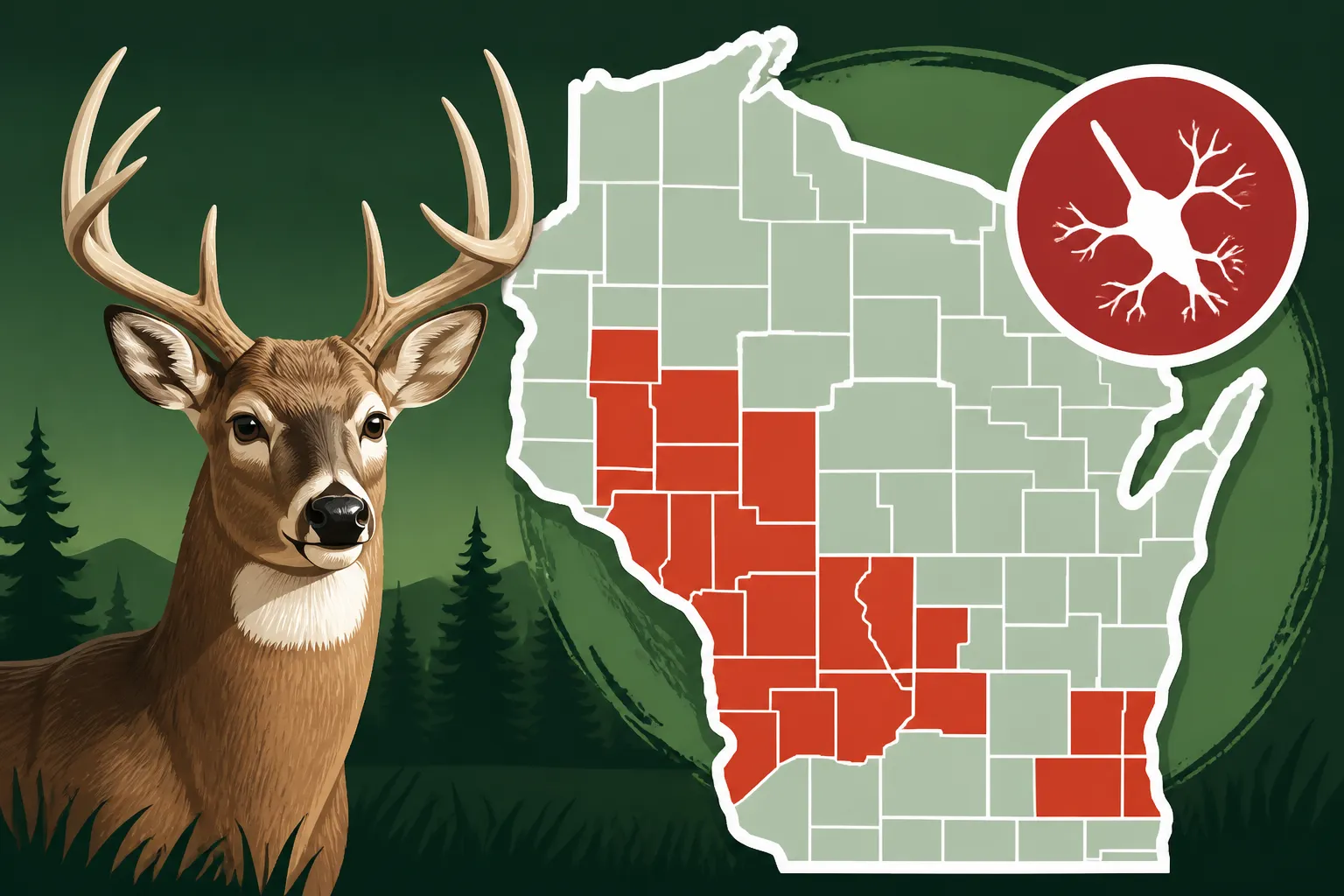
Historically, the initial CWD detections created a core "eradication zone" in south-central Wisconsin. Over the years, this has evolved into broader "CWD-affected areas" or "management zones" that encompass numerous counties. These are the areas where CWD surveillance is most intensive, and where hunters will encounter the most significant regulatory impacts, like mandatory testing in certain situations or specific carcass disposal requirements. Think of counties like Iowa, Dane, Sauk, Richland, Lafayette, and Grant as being central to the state's CWD challenge. These counties consistently show higher prevalence rates, and hunters in these areas are likely very familiar with the testing stations and guidelines.
However, the disease isn't confined to just these areas. It has been detected in several other counties, leading to expanded CWD-affected regions. For instance, counties bordering these core areas, such as Green, Rock, Walworth, Columbia, Jefferson, Kenosha, and Racine, have also seen detections and are subject to CWD management. Even counties further north, like Marquette and Portage, have had CWD-positive deer identified, demonstrating the slow but steady creep of the disease across the landscape.
Here's a simplified overview of some consistently CWD-affected counties, but always check the latest DNR maps before you hunt, as boundaries and classifications can change:
| County Name | CWD Status (General) | Primary Management Action Impact |
|---|---|---|
| Dane | CWD-Positive & High Prevalence | Baiting/Feeding Ban, Surveillance |
| Iowa | CWD-Positive & High Prevalence | Baiting/Feeding Ban, Surveillance |
| Sauk | CWD-Positive & Significant Spread | Baiting/Feeding Ban, Surveillance |
| Richland | CWD-Positive & Significant Spread | Baiting/Feeding Ban, Surveillance |
| Lafayette | CWD-Positive & High Prevalence | Baiting/Feeding Ban, Surveillance |
| Grant | CWD-Positive & Significant Spread | Baiting/Feeding Ban, Surveillance |
| Green | CWD-Positive | Baiting/Feeding Ban, Surveillance |
| Rock | CWD-Positive | Baiting/Feeding Ban, Surveillance |
| Columbia | CWD-Positive | Baiting/Feeding Ban, Surveillance |
| Jefferson | CWD-Positive | Baiting/Feeding Ban, Surveillance |
| Walworth | CWD-Positive | Baiting/Feeding Ban, Surveillance |
| Kenosha | CWD-Positive (more recent detections) | Baiting/Feeding Ban, Surveillance |
| Racine | CWD-Positive (more recent detections) | Baiting/Feeding Ban, Surveillance |
| Marquette | CWD-Positive (sporadic detections) | Baiting/Feeding Ban, Surveillance |
| Portage | CWD-Positive (sporadic detections) | Baiting/Feeding Ban, Surveillance |
Note: This table provides a general overview. Specific areas within a county might have different prevalence rates, and regulations can change annually. The most accurate information is always found on the official Wisconsin DNR CWD website or by checking their interactive maps.
How Baiting and Feeding Bans Are Triggered
One of the most immediate and impactful consequences of CWD detection in a county is the implementation of baiting and feeding bans. Here's how it generally works: if a CWD-positive deer is detected in a county, that county is immediately subject to a baiting and feeding ban. But it doesn't stop there. Any adjoining counties are also swept into a two-year baiting and feeding ban. This "neighboring county" rule is critical because it means CWD doesn't have to be in your county for you to be affected by the ban. This can lead to a lot of frustration, especially for hunters who feel their local herd is healthy but are still dealing with restrictions due to a positive case miles away. It's a proactive measure designed to slow the spread by reducing deer congregation, which is believed to contribute to prion transmission. For hunters accustomed to using attractants, understanding How Wisconsin Baiting Bans Are Triggered and then adapting to Hunting Without Bait in a Banned County becomes absolutely essential.
Hunter Responsibilities and Regulations in CWD Zones
Navigating CWD regulations can feel like a maze, but it's our collective responsibility as hunters to understand and adhere to them. These rules aren't there to make our lives difficult; they're vital tools in the long-term management of this disease and the health of our deer herd.
Testing Your Harvested Deer
When hunting in CWD-affected counties, participating in voluntary CWD testing or adhering to any mandatory testing requirements is a huge help. The Wisconsin DNR provides various options for hunters to get their deer tested. This data is absolutely crucial for tracking the disease's spread and prevalence. You can find drop-off kiosks, staffed sampling stations, or even work with participating taxidermists and meat processors. Understanding Wisconsin CWD Testing for Hunters and knowing Where to Find a Wisconsin CWD Kiosk are key steps. Some hunters might feel like it's an extra chore after a long day in the woods, but every sample contributes to a clearer picture of CWD activity. Using tools like the GoHunt app or the Wisconsin DNR website can make it much easier to locate these sites and understand the process.
Carcass Movement and Disposal Rules
This is another area that can catch hunters off guard. If you harvest a deer in a CWD-affected county, there are strict rules about how you can transport the carcass, especially if you plan to take it out of that county. Generally, you can only transport the whole carcass to a CWD sampling station or a licensed meat processor/taxidermist within the CWD-affected county or within an adjacent county. If you want to take it beyond these areas, you must first remove all high-risk parts: the brain, spinal cord, eyes, spleen, and lymph nodes. This usually means boning out the meat, removing the skull cap, and properly disposing of the high-risk parts. It's a measure designed to prevent the physical movement of prions to unaffected areas. Familiarize yourself with Wisconsin Carcass Movement Restrictions well before you head out, especially if you travel across county lines to hunt. Proper disposal of high-risk parts, typically in designated CWD dumpsters or approved landfills, is paramount.
Adapting Your Hunting Strategy
CWD changes not just the rules, but how many of us think about hunting. Beyond the baiting bans, the discussions around herd health can influence management decisions like antlerless quotas. Staying informed about Wisconsin Deer Seasons and Zones and understanding how factors like CWD influence antlerless harvest authorizations is critical for ethical and compliant hunting. Many hunters are turning to new tactics, focusing more on habitat, scouting, and natural food sources. You might find yourself delving deeper into mapping tools, like those found on GoHunt, to identify natural funnels and bedding areas rather than relying on bait. The commitment to Wisconsin Wildlife Disease Monitoring is a shared responsibility, and our participation is what makes these efforts effective.
Future Outlook and Ongoing Management Efforts
The fight against CWD is far from over, and it's a dynamic situation. The DNR, along with various research institutions and hunting organizations, is constantly working to understand CWD better and develop more effective management strategies. It's a long game, and patience and adaptability from hunters are going to be key.
Research and New Technologies
Scientists are continually researching CWD, looking for breakthroughs in detection, understanding prion transmission, and even potential mitigation strategies. While a "cure" seems far off, advancements in early detection methods or better ways to understand environmental contamination are always on the horizon. For instance, the DNR's efforts in Chronic Wasting Disease in Wisconsin span surveillance, research, and public education, aiming to arm hunters with the best available information. Keeping an eye on these developments, perhaps through official DNR updates or reputable hunting news sources, can help you stay ahead of the curve.
The Role of Hunter Participation
Ultimately, the success of CWD management in Wisconsin hinges on the active participation of its hunting community. Every deer tested, every carcass properly disposed of, every adherence to baiting bans, contributes to the larger effort. It's not just about compliance; it's about stewardship. It’s about being part of the solution for the long-term health of our deer herd and hunting heritage. While it might sometimes feel like an uphill battle, especially when you consider Where CWD Was First Found in Wisconsin and its subsequent spread, our dedication to these practices is essential. Programs like GoHunt often integrate mapping and regulatory information, making it easier for hunters to access crucial details about CWD zones and local guidelines directly in the field. This empowers hunters to make informed decisions, whether it's deciding where to hunt or how to handle a harvested animal.
Long-Term Adaptations
For many of us, CWD has meant adapting our entire approach to deer hunting. It forces us to think beyond the immediate hunt and consider the broader ecosystem. This might involve more intensive scouting, focusing on private land access that might have different rules, or simply accepting that some traditions, like large bait piles, are becoming a thing of the past in certain areas. Looking at Reading a Wisconsin Harvest Report is more important than ever, as these reports contain vital information on disease prevalence and herd health within specific DMUs (Deer Management Units). It’s an ongoing process of learning, adjusting, and committing to responsible hunting practices that protect our resources for future generations.
Disclaimer
The information provided in this article is for general guidance and informational purposes only. Hunting regulations, CWD-affected county designations, and related guidelines in Wisconsin are subject to change. Always consult the official Wisconsin Department of Natural Resources (DNR) website and current regulations pamphlets for the most up-to-date and accurate information before participating in any hunting activities.