Wisconsin Elk Application Rules
For many hunters, the thought of pursuing an elk in Wisconsin feels like a distant dream, a privilege reserved for other states. But with the incredible success of Wisconsin's elk reintroduction program, that dream has become a very real possibility, albeit a rare one. Securing an elk tag in our state is an intensely competitive affair, and navigating the application process can feel like trying to find your way through a cedar swamp without a compass. This comprehensive guide is here to demystify the Wisconsin elk application rules, helping you understand every step and increase your chances of drawing one of these coveted tags.
The Resurgence of Wisconsin Elk and Their Range
The story of elk in Wisconsin is one of incredible conservation success, a testament to dedicated efforts and the resilience of these magnificent animals. Understanding their history and current distribution is key to appreciating the rarity of an elk tag and the zones you might apply for.
Understanding Wisconsin's Elk Herds
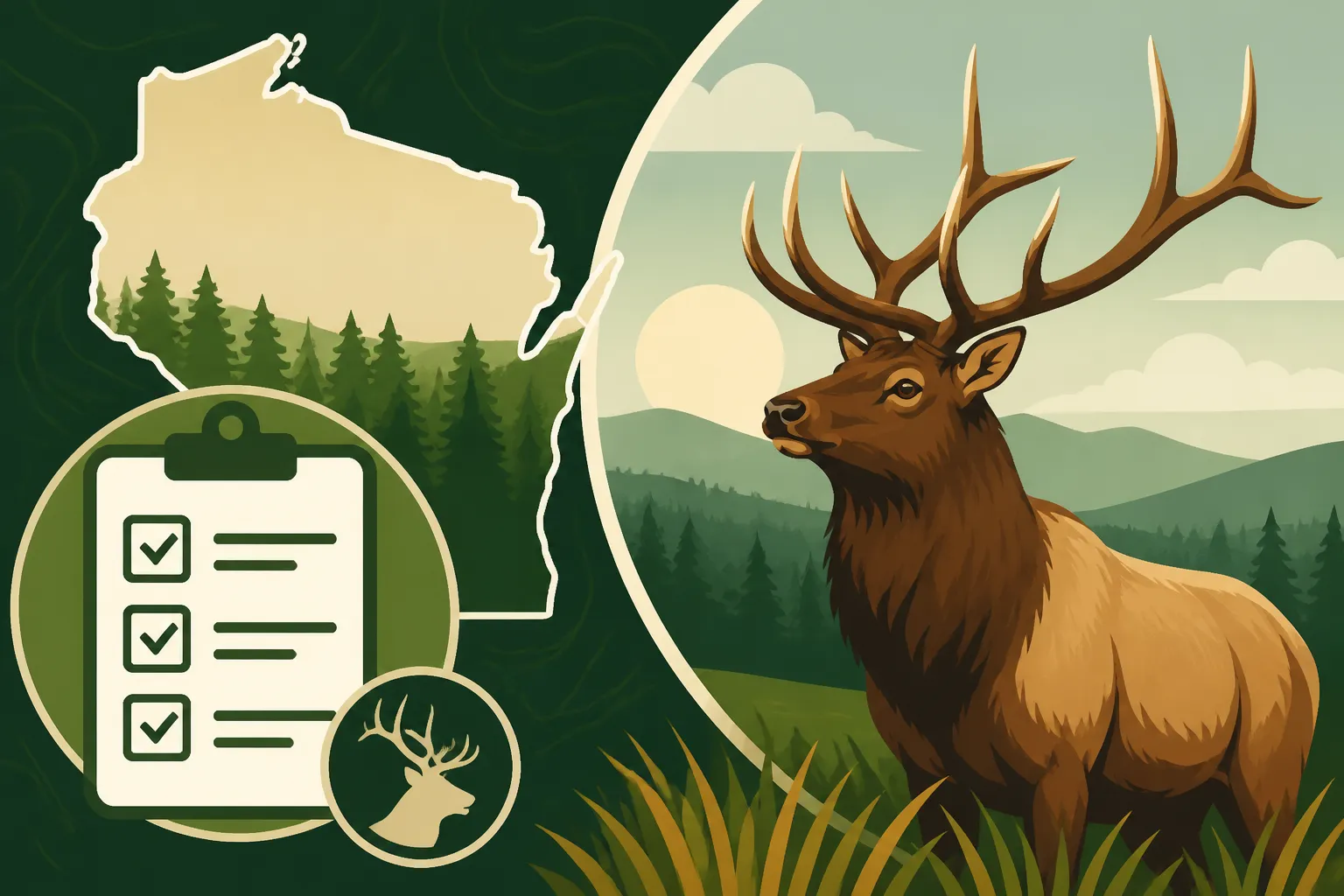
It wasn't that long ago that elk were absent from Wisconsin's landscape, extirpated in the late 1800s due to unregulated hunting and habitat loss. However, thanks to the vision and hard work of the Wisconsin Department of Natural Resources (DNR) and partners like the Rocky Mountain Elk Foundation, elk have made a triumphant return. The journey truly began in 1995 when the first 25 elk from Michigan were released near Clam Lake in Sawyer County. This initial herd, known as the Clam Lake Elk Herd, has since flourished, slowly expanding its range across Sawyer, Bayfield, Ashland, and Price counties.
The success of the Clam Lake effort paved the way for a second reintroduction. In 2015, a new herd was established in Jackson County, sourced from Kentucky. This became known as the Black River Elk Herd, bringing elk back to central Wisconsin. These two distinct herds are carefully managed, and their populations are steadily growing, creating opportunities for hunters who are lucky enough to draw a tag. To give you an idea of the population, the DNR typically provides an estimate for both herds combined, which currently stands at over 500 animals. While this might sound like a lot, it’s a relatively small number spread across vast tracts of land, making each tag incredibly precious. If you're curious about the historical context, you can learn more about When Elk Were Reintroduced at Clam Lake.
Navigating Wisconsin's Elk Hunt Zones
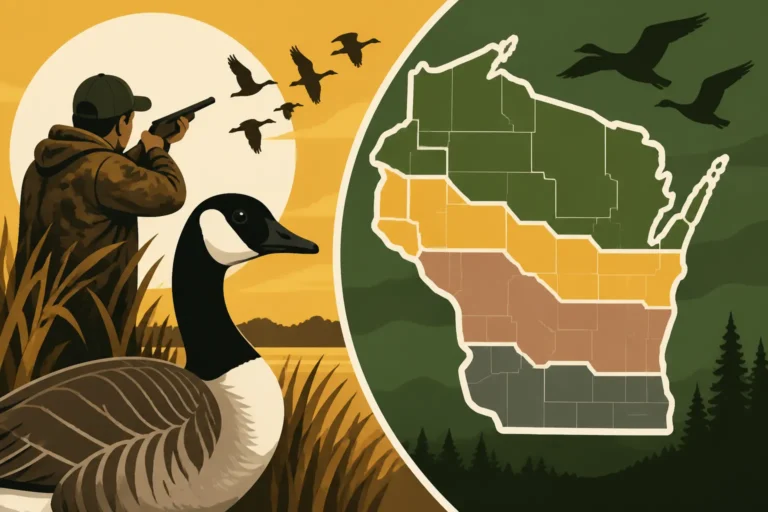
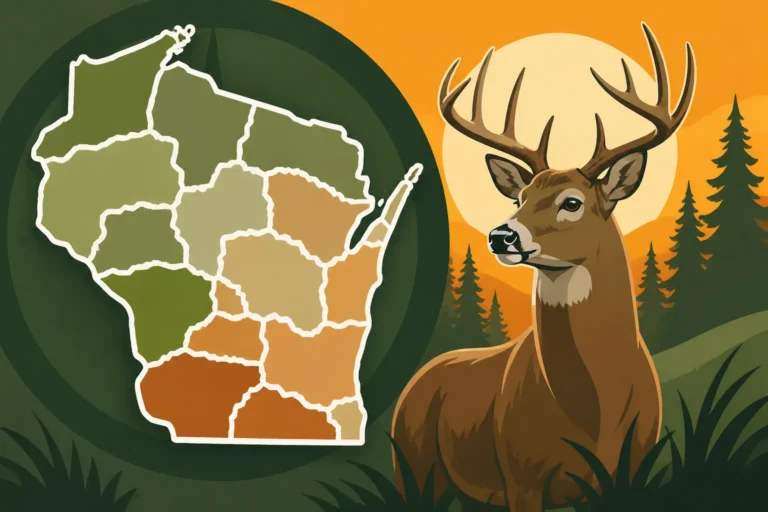
When you apply for a Wisconsin elk tag, you're not just applying for "an elk." You're applying for a specific hunt within one of the designated elk hunt zones. Currently, the DNR manages two primary zones, corresponding to the two herds: the Clam Lake Zone and the Black River Zone. Each zone presents unique opportunities and challenges, primarily dictated by the terrain, habitat, and amount of public land available.
The Clam Lake Zone, encompassing parts of the Chequamegon-Nicolet National Forest and numerous county forests, offers expansive tracts of public land. This means plenty of room to roam and pursue elk, but it also means dealing with dense northern timber, swamps, and challenging topography. Hunters in this zone might spend days covering ground on foot, relying on their tracking skills and woodsmanship. The Black River Zone, on the other hand, is located in central Wisconsin, utilizing parts of the Black River State Forest and other public properties. This area often features a mix of pine plantations, oak forests, and wetland complexes, which can be different from the heavily forested north. Understanding the specific Wisconsin Elk Hunt Zone Boundaries is paramount. When considering your application, research both zones thoroughly. Think about the type of hunting experience you prefer, the terrain you're comfortable with, and the public access available in each area. This preparation can make a real difference if you're fortunate enough to draw.
Eligibility and the Crucial Application Window
So, you've dreamt of a Wisconsin elk hunt, and you understand the herds. Now comes the nitty-gritty: who can actually apply and when do you need to get your application in? Miss a single detail, and your dream could be deferred for another year.
Who Can Apply for a Wisconsin Elk Tag
The good news is that both Wisconsin residents and non-residents are eligible to apply for an elk tag. However, there are some distinct differences and quotas that favor residents, which is common in many states with limited draw opportunities. Roughly 90% of the available tags are typically allocated to Wisconsin residents, with the remaining 10% reserved for non-residents. This makes it significantly more challenging for non-residents to draw, but not impossible. It's always a good idea to check the official DNR regulations each year, as quotas and percentages can sometimes see minor adjustments.
Beyond residency, standard hunting eligibility rules apply. You'll need to be at least 10 years old to apply, and if you're under 18, you'll need to meet specific mentored hunting requirements or have completed a hunter education course. For adults, having a valid Wisconsin hunting license (a Conservation Patron License is a popular choice, as it covers most hunting and fishing privileges) is usually a prerequisite for the application process itself. The system for buying licenses and applying for draws is managed through the "Go Wild" system, the state's online licensing platform. It’s imperative that your Go Wild account details are accurate and up-to-date, as this is how all communication regarding your application and potential draw will be handled. You can find detailed information on Wisconsin Hunting Licences and What They Cost.
Key Dates and Deadlines You Absolutely Cannot Miss
This is arguably the most critical section for anyone serious about applying for a Wisconsin elk tag: the timeline. Missing a deadline means waiting another year, and nobody wants that kind of disappointment. The application period for elk typically opens in March and closes in late May or early June. The exact dates can shift slightly each year, so it's vital to check the official DNR website annually.
For instance, the application might open on March 1st and close on May 31st. You have a generous window to apply, but procrastination is your enemy here. Don't wait until the last minute, as technical glitches, internet issues, or simply forgetting can easily derail your application. I've heard too many stories of hunters missing out because they thought they had "one more day." Mark these dates prominently on your calendar, set phone reminders, and maybe even get a buddy to remind you. Many experienced hunters use online resources or apps like GoHunt to keep track of critical application periods for various species and states, ensuring they never miss an opportunity. You can look up the current Wisconsin Elk Application Dates to make sure you're always in the loop. The draw itself usually takes place in mid-June, with results released shortly thereafter.
Mastering the Preference Point System
Elk tags are scarce, and demand far outstrips supply. To manage this, Wisconsin, like many states, uses a preference point system. This system rewards loyalty and patience, giving those who apply year after year a better chance at drawing a tag. Understanding how these points accumulate and are utilized is paramount to your application strategy.
How Wisconsin's Elk Preference Points Work
When you apply for a Wisconsin elk license, you essentially enter a lottery. If you are unsuccessful in drawing a tag, you are awarded one preference point for that species. The more preference points you accumulate, the higher your chances in subsequent years' drawings. It's a system designed to give long-term applicants an advantage. Think of it like this: if there are 10 tags available, and 1,000 people apply, those with more preference points will have their names entered into the draw more times, increasing their individual odds.
However, once you successfully draw an elk tag, your accumulated preference points are reset to zero. This ensures that everyone eventually cycles through and gets a fair shot, rather than a few individuals drawing tags repeatedly while others wait indefinitely. It’s a common misconception that points guarantee a tag; they merely improve your odds within the lottery system. The waiting period can be substantial. For residents, it might take several years, potentially even a decade or more, to draw an elk tag with a significant number of points. For non-residents, due to the limited quota, the wait can be even longer, sometimes approaching 15-20 years or more. If you're interested in how this compares to other species, you can check out Wisconsin Bear Preference Points and Zones to see similarities and differences in how points are managed.
Strategies for Building and Utilizing Points
Given the long odds, a thoughtful strategy is essential. The most straightforward approach is to apply every single year, consistently accumulating one preference point annually. Even if you know your odds are slim in the early years, those points add up, and eventually, they become your golden ticket. Wisconsin also offers a "point-only" option, allowing you to purchase just a preference point for a small fee without entering the actual drawing for a tag. This is a great choice if you know you can't hunt that specific year but still want to build your points for the future.
Another interesting aspect is applying as a group. If you and your hunting partners apply together, your preference points are averaged. The group's application is then entered into the drawing based on this average. If successful, everyone in the group receives a tag, and everyone's points are reset to zero. This can be a double-edged sword: it allows friends and family to hunt together, but if one person has significantly fewer points, it can bring down the group's overall average and reduce their collective odds. Some hunters also choose to apply for the "donation tag," which is a separate drawing for a single tag available through the Rocky Mountain Elk Foundation, where applicants often make a donation to support elk conservation, further increasing their odds in that specific drawing. This is separate from the main draw but can be an alternative route for those looking to contribute to the resource. Many hunters use sophisticated tools, like those found on GoHunt, to analyze historical draw odds and strategize their point accumulation for various states and species. Understanding the current Wisconsin Elk Draw Odds can really help you refine your long-term plan.
The Drawing, Tag Allocation, and What Comes Next
The waiting game after applying is agonizing. Every hunter who's put in for a highly coveted tag knows that feeling. But once the draw happens, there are specific steps you need to take, whether you're celebrating a successful draw or planning for next year.
When and How Draw Results Are Announced
After the application period closes and the complex calculations of preference points are complete, the moment of truth arrives. Wisconsin elk draw results are typically announced in mid-to-late June. The DNR makes these announcements through the Go Wild system, and often sends out email notifications to successful applicants. However, don't rely solely on an email; it's always best practice to log into your Go Wild account and check your application status directly.
The emotional rollercoaster during this time is real. For those who draw, it's an explosion of excitement, the culmination of years of waiting and hoping. For the majority who are unsuccessful, it's a mix of disappointment and a renewed determination to apply again next year and add another preference point to their tally. Regardless of the outcome, logging in to confirm your status is crucial. The DNR also publishes statistics on the draw, including how many applicants applied, the number of points drawn, and the success rates, which can be invaluable for future planning.
Accepting Your Tag and Pre-Hunt Requirements
Congratulations! If you've beaten the odds and drawn a Wisconsin elk tag, your journey is just beginning. There's a critical window during which you must accept and purchase your tag. This isn't automatic; you need to log back into your Go Wild account and complete the purchase. Missing this deadline will result in your tag being forfeited, and all your hard-earned preference points will still be reset to zero – a truly devastating outcome. The tag fee itself is typically around $49 for residents and $250 for non-residents, in addition to the initial application fee.
Beyond purchasing the tag, there are mandatory pre-hunt requirements that successful elk applicants must fulfill. This includes attending a mandatory elk hunter orientation. These orientations, usually held in person or via webinar, cover vital information about elk biology, hunting ethics, specific regulations for the hunt zones, shot placement, carcass handling, and CWD (Chronic Wasting Disease) sampling procedures. They are designed to ensure that every elk hunter is well-informed and equipped to have a safe, ethical, and successful hunt while contributing to the health of the herd. Understanding Wisconsin Carcass Transport Rules will be especially critical to prevent the spread of diseases. This orientation is not optional; it’s a necessary step to validate your tag and prepare you for the unique experience of hunting one of Wisconsin's magnificent elk.
Planning Your Hunt: From Application to Execution
Drawing an elk tag is only the first step. The real work, and the real adventure, begin as you transition from applicant to active hunter. Careful planning and preparation are what turn a drawn tag into a successful harvest.
Essential Pre-Season Scouting and Preparation
Once you've secured that coveted tag, the true fun begins: planning your hunt. This is where meticulous pre-season scouting comes into play. It's not enough to know the zone; you need to know your part of the zone. Start with maps – topographical maps, aerial imagery, and public land ownership maps (many hunters use apps like GoHunt or onX Hunt for this, as they provide detailed property lines and satellite views). Identify potential travel corridors, bedding areas, feeding grounds, and water sources within your assigned zone. Look for logging cuts, thick cover, and natural funnels that elk might use.
Physical scouting, if possible, is incredibly beneficial. Walking the ground, looking for elk sign (tracks, scat, rubs, wallows), and understanding the terrain will give you an invaluable advantage. Elk are creatures of habit, but they are also highly adaptable. Observing their movements, even from a distance, can reveal patterns. Many hunters spend weeks, even months, scouting before their season opens. It’s also crucial to practice calling, whether it's cow calls, bugles, or chirps, to feel confident communicating with elk. Physical conditioning is also key; elk country can be rugged, and being in shape will make your hunt more enjoyable and increase your stamina for long days in the field. Remember, you can always refer to resources like Scouting Wisconsin Public Land Before Season for general tips that apply to elk as well.
Ethical Considerations and the Future of Wisconsin Elk Hunting
Hunting a Wisconsin elk is a rare privilege, and it comes with significant responsibility. Ethical hunting practices are paramount, not just for the success of your hunt, but for the continued public acceptance and conservation of the elk herd. This includes ensuring clean, humane shots, understanding and respecting private property boundaries, and following all regulations to the letter. Being a responsible hunter means recognizing your role as an ambassador for the sport.
Beyond the immediate hunt, remember that every successful elk hunter contributes valuable data to the DNR. Mandatory registration and potential CWD testing of your harvest are critical components of wildlife management. This data helps biologists monitor the health of the herd, track population trends, and make informed decisions about future hunting seasons and quotas. The successful reintroduction of elk in Wisconsin is a story of conservation triumph, and current hunters are stewards of this legacy. By hunting ethically and responsibly, you help ensure that future generations will also have the opportunity to pursue these magnificent animals in the Wisconsin wilds. The growth of the herd is monitored carefully, and knowing How Many Elk Wisconsin Has really underscores the importance of proper management.
| Application Step | Key Action / Detail | Typical Timing | Cost (Approx.) | Notes |
|---|---|---|---|---|
| 1. Hunter Eligibility | Must meet age, safety, and residency requirements. | Ongoing | Varies (license cost) | Valid WI hunting license needed for application. |
| 2. Application Window | Apply via Go Wild system; select zone, point option. | March 1 – May 31 (approx.) | $10 (application fee) | Do NOT miss this deadline. Check DNR for exact dates. |
| 3. Preference Points | Earn one point for unsuccessful draw or purchase point-only. | Annually | $10 (point-only option) | Points increase odds, reset to zero upon drawing. |
| 4. Draw Results | Check Go Wild account for status. Email notifications may occur. | Mid-June (approx.) | N/A | Be patient, results can be emotional. |
| 5. Tag Acceptance/Purchase | Log into Go Wild to purchase tag within specified window. | Late June – Early July (approx.) | Resident: $49 / Non-Res: $250 | MANDATORY; forfeiture if not purchased. Points still reset. |
| 6. Mandatory Orientation | Attend required session (in-person/webinar). | Summer (July/August) | N/A | REQUIRED to validate tag. Covers rules, ethics, CWD. |
| 7. Pre-Season Scouting | Research maps, visit hunt area, look for sign. | Summer/Fall | Varies (travel, gear) | Critical for success; understand elk behavior and habitat. |
| 8. The Hunt | Follow all regulations, ensure ethical shot, register harvest. | Fall (Sept/Oct) | Varies (travel, gear) | Respect game, land, and other hunters. |
Disclaimer
Please remember that hunting regulations, season dates, and application rules can change. Always consult the official Wisconsin Department of Natural Resources (DNR) website or their current hunting regulations pamphlet for the most up-to-date and accurate information before planning any hunt or submitting any applications. This guide is for informational purposes only and should not be considered legal advice.