Wisconsin Deer Registration Rules
So, you've put in the time, braved the elements, and finally tagged that deer you've been after. The adrenaline is pumping, the hard work of recovery and field dressing is done, and now you're faced with that final, often overlooked, step: registering your harvest. It might seem like a bureaucratic formality, but understanding Wisconsin's deer registration rules is absolutely critical, not just for legal compliance, but for contributing to vital deer management efforts. This guide will walk you through everything you need to know to make sure your deer is properly registered, hassle-free.
Understanding Wisconsin's Deer Registration Mandate
Let's be honest, after the excitement of a successful hunt, the last thing many of us want to do is sit down and fill out paperwork or navigate a website. But in Wisconsin, registering your deer isn't just a suggestion; it's a legal requirement. It's a fundamental part of the hunting process, as important as tagging your deer immediately after the kill.
The "Why" Behind Registering Your Deer
You might wonder why the Wisconsin Department of Natural Resources (DNR) makes such a big deal about registration. Is it just to keep tabs on hunters? Not at all! The primary reason is data collection. Every registered deer provides crucial information about the overall health and population trends of the white-tailed deer herd across the state. Think about it: when thousands of hunters register their deer, that collective data paints a clear picture. The DNR uses this information to set quotas, understand harvest rates, monitor herd demographics, and make informed decisions about future seasons and management strategies. Without accurate registration data, effective wildlife management would be like flying blind. It also helps track important trends like the spread of Chronic Wasting Disease (CWD), which we'll touch on later. Every time you register, you're actively participating in the conservation and future of Wisconsin's deer hunting tradition. It’s a small effort that yields massive results for the resource we all cherish.
Key Information Needed for Registration
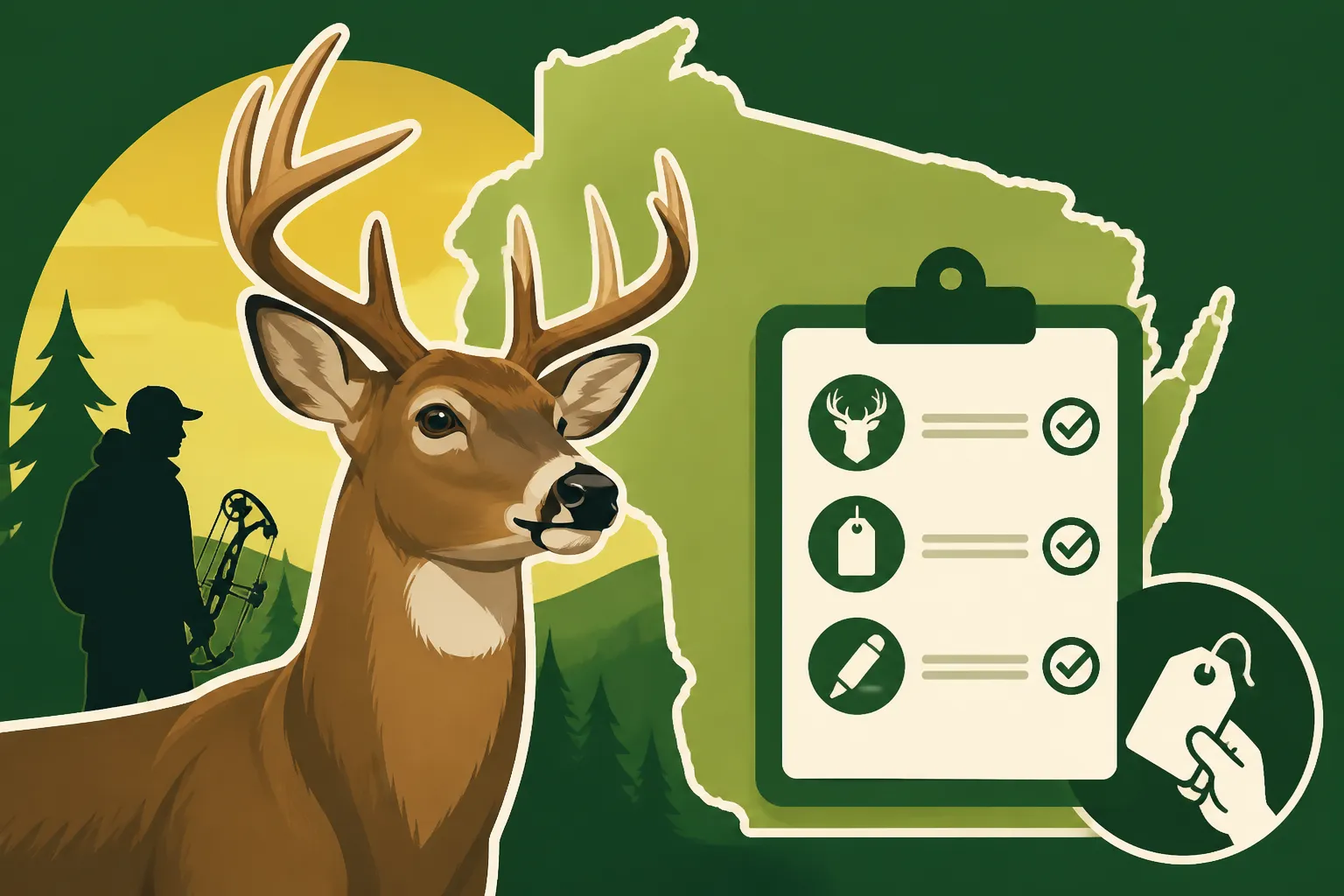
Before you even think about hitting that "submit" button or calling in your harvest, you need to have a few critical pieces of information ready. Gathering these beforehand will save you a lot of frustration and ensure a smooth process. You’ll need your Wisconsin DNR Customer ID number, which is found on your hunting license or through The Wisconsin Go Wild Licence System if you use the online portal. Next, you'll need the unique harvest authorization (tag) number that you used for that particular deer. This ensures the correct tag is marked as filled. Beyond that, be ready to provide the date and time of the harvest, the county and deer management unit (DMU) where the deer was taken, and the sex of the deer (buck or antlerless). For bucks, you’ll also need to know the antler points on each side. Sometimes, you might be asked for the method of harvest (e.g., archery, gun, muzzleloader). It's a good habit to write down these details as soon as you retrieve your deer, maybe even before you start your Field Dressing a Deer in Cold Weather process, especially if you're in a remote area without immediate cell service. Having a small waterproof notepad and pencil can be a lifesaver for this.
Navigating the Online Registration System
In today's digital age, online registration has become the most popular and convenient method for many hunters. The Wisconsin DNR's Go Wild system is designed to be user-friendly, allowing you to register your deer from virtually anywhere with an internet connection.
Step-by-Step Online Registration
Registering your deer online through the Go Wild system is generally quite straightforward, and it's definitely the preferred method for many hunters these days. First, head over to the Go Wild website. You'll need to log in using your Wisconsin DNR Customer ID and password. If you haven't set up an account yet, now's the time! Once logged in, look for the "Game Registration" or "Harvest Registration" section. It's usually prominently displayed. From there, you'll be prompted to select the type of game you've harvested – in this case, deer.
The system will then guide you through a series of questions, asking for all that key information we just talked about: the harvest authorization number (your tag number), the date and time the deer was taken, the county and deer management unit (DMU) – knowing your Wisconsin Deer Management Units by County is crucial here – the sex of the deer, and the number of antler points if it's a buck. For example, if you shot a nice 8-pointer, you'd indicate 4 points on each side. Double-check everything before you click submit! It's easy to make a small mistake if you're rushing, and those details are important for accurate data collection. Once submitted, you'll receive a confirmation number. It’s a good idea to write this down or take a screenshot, just in case you ever need to reference it. The whole process typically takes just a few minutes, making it super convenient whether you're at deer camp with Wi-Fi or back home.
Common Hiccups and How to Avoid Them
Even with a well-designed online system, sometimes things don't go as smoothly as planned. One of the most common issues hunters encounter is a lack of internet service, especially when hunting in remote areas of the Northwoods or deep in the Driftless Area Deer Hunting in Wisconsin. If you know you'll be hunting in a cell service black hole, it’s wise to plan for phone registration or consider driving to an area with service. Another frequent hiccup is incorrect data entry. Accidentally typing in the wrong harvest authorization number or misidentifying the county can lead to problems later. Always take an extra moment to verify every piece of information before finalizing your submission.
Sometimes, the system might be slow due to high traffic, particularly on the opening weekend of Wisconsin's Nine-Day Gun Deer Season. Patience is key here; try again in a few minutes if you experience delays. For those using the GoHunt app on their phone, ensure it's updated to the latest version to avoid compatibility issues. GoHunt provides a great mobile interface for registration. If you're consistently having trouble, don't hesitate to reach out to the DNR's customer service or opt for the phone registration method. It’s always better to get it right than to risk non-compliance.
Registering by Phone: A Practical Alternative
While online registration is the modern way, sometimes the old-fashioned phone call is your best bet, especially if technology isn't cooperating or if you prefer talking to a real person.
Preparing for a Phone Registration
Just like with online registration, preparation is key when planning to call in your deer. You’ll be talking to a DNR representative, and having all your information organized will make the call quick and efficient. Again, your Wisconsin DNR Customer ID is paramount. Have your license handy, or know the number by heart. The harvest authorization number from your tag is next – this ensures they know which tag you're filling. Beyond that, have the date and exact time of harvest, the county and deer management unit, the sex of the deer, and the number of antler points for a buck readily available. It might sound repetitive, but getting these details right is crucial, and having them written down means you won't fumble or guess during the call.
It's also a good idea to know the approximate weight of the deer if you can, though it's not always a mandatory question. Having a good understanding of your location, especially the specific Wisconsin Deer Management Units by County, will also speed things up. Imagine being on the phone and trying to figure out if you're in DMU 70A or 70B while standing out in the cold. It’s best to know this before you even pick up the phone. Keep the DNR's registration phone number saved in your contacts for easy access. This method is especially helpful if you're not tech-savvy or if you're hunting in an area with spotty internet but decent phone service. For example, if you're in a public land coulee hunting spot where data is weak, but voice calls still connect, calling it in is your go-to.
What to Expect During the Call
When you call the Wisconsin DNR's registration line, you'll typically be greeted by an automated system first. It will guide you through a series of prompts, asking you to input your customer ID number. Then, you'll likely be connected to a live operator or an interactive voice response (IVR) system that will walk you through the harvest details. The operator will ask for the same information we've discussed: your harvest authorization number, the date and time of the kill, the county and deer management unit, the sex of the deer, and antler points if applicable. They'll confirm each piece of information as you provide it.
Be patient and speak clearly. The operators are there to help, but they handle hundreds, if not thousands, of calls during peak seasons. Once all the information is successfully entered, the operator will provide you with a confirmation number, just like with the online system. Again, jot this down immediately. It’s your proof that the deer has been legally registered. This whole process typically takes a bit longer than online registration, maybe 5-10 minutes, but it offers the peace of mind of speaking with a person and getting immediate verification. GoHunt also allows for phone registration integration if you’re using their app as a reference.
Crucial Deadlines and Legalities
This is where the rubber meets the road. Missing the registration deadline isn't just an oversight; it's a legal violation with potential consequences. You've worked hard for your deer, don't let a missed deadline ruin the experience.
The 24-Hour Rule: What It Means for Hunters
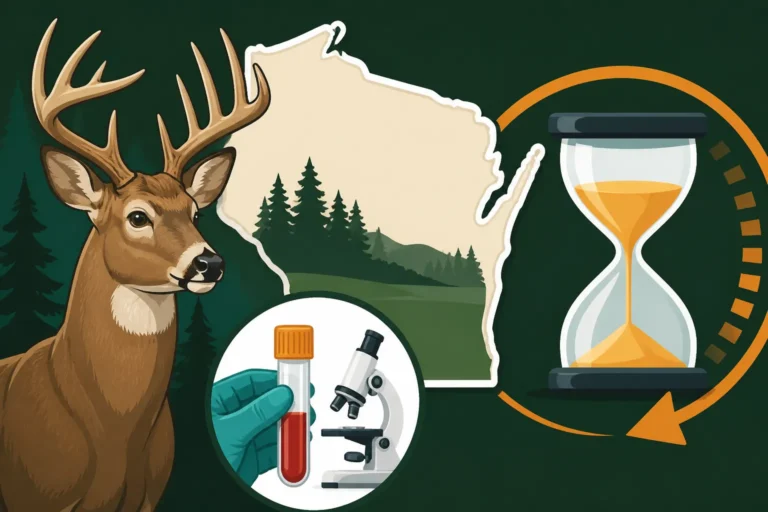
The golden rule of deer registration in Wisconsin is the 24-hour deadline. You must register your deer within 24 hours of the harvest. This isn't a suggestion; it's law. This rule exists for several important reasons, primarily to ensure timely and accurate data collection. Delayed registration can skew harvest statistics and complicate disease monitoring efforts. Imagine if everyone waited a week – the data would be outdated and less useful for real-time management.
What does "within 24 hours" truly mean? It means from the moment you recover your deer and it's no longer alive, the clock starts ticking. It doesn't mean 24 hours from when you get home, or 24 hours from when you finish butchering. It's from the actual time of kill. This is especially critical for hunters who might be deep in the woods or at a remote deer camp. If you're in an area without cell service or internet, you need to factor in travel time to a location where you can register. Planning ahead for this is vital. Some hunters will even drive a short distance out of their hunting grounds to a nearby town or diner with Wi-Fi or cell service just to get the registration done. This is particularly relevant when you're deer hunting in the Hunting the Wisconsin Northern Forest for Deer, where connectivity can be challenging.
Penalties for Non-Compliance
Failing to register your deer within the allotted 24-hour window can lead to penalties, and trust me, you don't want to find yourself in that situation. The specific consequences can vary depending on the circumstances, but generally, not registering a deer is considered a violation of state hunting regulations. This can result in fines, which can range from a couple of hundred dollars to significantly more, depending on the specifics and whether it's a repeat offense. Beyond monetary fines, you could potentially face loss of hunting privileges, meaning your license could be suspended for a period.
Think about the time, money, and effort you've invested in hunting—the gear, the licenses, the scouting, the early mornings. All of that can be overshadowed by a simple failure to register. Conservation Wardens take these regulations seriously because accurate harvest data is so important to wildlife management. They're not out to get you, but they are there to enforce the rules that protect our shared resources. So, do yourself a favor: make registration a priority right after the harvest. It’s a small step to avoid a big headache. For more details, see The Wisconsin Deer Registration Deadline.
Special Considerations for Your Harvest
Wisconsin has specific rules that go hand-in-hand with deer registration, particularly concerning disease monitoring and youth hunting. These aspects add layers of responsibility for hunters.
CWD Sampling and Carcass Movement Rules
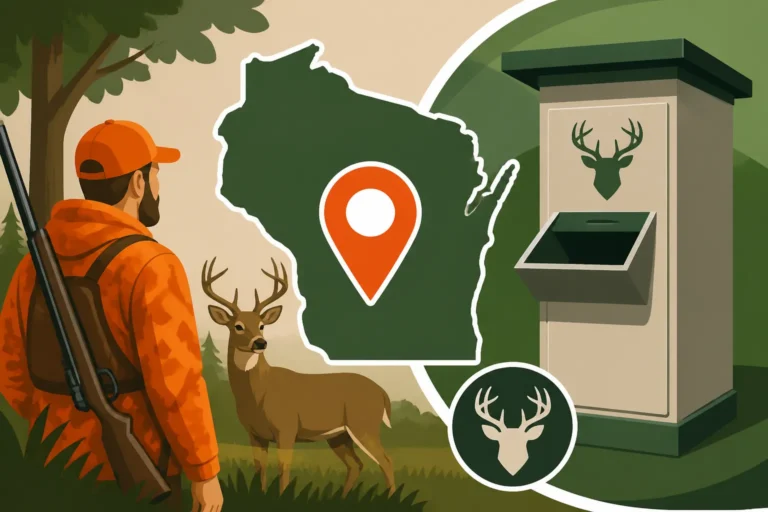
Chronic Wasting Disease (CWD) is a serious concern for Wisconsin's deer herd, and hunters play a vital role in monitoring its spread. After you've successfully registered your deer, you might also be required or encouraged to submit your deer for CWD sampling, especially if you hunted in a CWD-affected county. The DNR provides various Wisconsin CWD Sampling and Test Sites across the state, including self-service kiosks and cooperators. Submitting a sample is incredibly helpful for understanding the prevalence and geographical spread of the disease.
Coupled with CWD sampling are strict Wisconsin Carcass Transport Rules. These rules are in place to prevent the further spread of CWD by limiting the movement of certain deer parts from CWD-affected areas. Essentially, if you harvest a deer in a CWD-positive county, you might only be able to transport certain parts (like boned-out meat, quarters without spinal column, clean skull, etc.) out of that county. You cannot move whole carcasses or high-risk parts like the brain and spinal column across county lines into a CWD-negative area. This means you need to be prepared to process your deer completely or at least remove the high-risk parts before leaving a CWD-affected zone. Always check the latest DNR regulations for the most current information, as CWD rules can change based on new discoveries and scientific understanding. This is a big one to get right, so make sure you're up-to-date. GoHunt often includes CWD zone information in their mapping features, which can be a real help.
Mentored Hunts and Youth Deer Registration
Wisconsin has wonderful programs like mentored hunting and special youth deer hunts designed to introduce new, younger hunters to the tradition. These programs have specific registration rules that parents or mentors need to be aware of. When a youth participates in the Hunting the Wisconsin Youth Deer Hunt, they are still responsible for registering their deer, but often the mentor plays a key role in guiding them through the process. The harvest authorization used would typically be the youth hunter's tag.
For mentored hunts, where an unlicenced mentee hunts alongside a licensed mentor, the deer must be tagged with the mentor's corresponding harvest authorization. Even though the mentee may have pulled the trigger or released the arrow, the legally responsible party for tagging and registration is the mentor. This highlights the importance of Wisconsin Hunter Safety and Mentored Hunting guidelines. The mentor must ensure the deer is legally tagged immediately and then registered within the 24-hour window, providing all their own information (customer ID, etc.) for the registration process. It's a fantastic way to teach responsibility and compliance from day one, instilling good habits in the next generation of hunters.
FAQs for a Smooth Registration Process
Even with all the guidelines, questions inevitably pop up. Here are some of the most common ones hunters have about deer registration in Wisconsin.
What If I Can't Register Within 24 Hours?
This is a scenario many hunters worry about, especially if they are far from cell service or an internet connection, or an unexpected emergency crops up. The 24-hour rule is strict, but the DNR understands that life happens. However, "I forgot" or "I was too busy" generally won't cut it. If you genuinely cannot register within 24 hours due to circumstances entirely beyond your control—like being snowed in at a remote cabin, or an actual medical emergency that requires immediate attention—the best course of action is to contact the DNR immediately, as soon as you are able.
Explain your situation clearly and honestly. They will likely be more understanding if you proactively reach out rather than waiting for them to discover a violation. Documenting your situation, such as a photo of a blocked road or a hospital record, could be helpful. However, this is not a loophole to bypass the rule. The expectation is that you plan for registration as part of your hunt. For those hunting deep in the Chequamegon-Nicolet National Forest, for instance, knowing where the nearest town with cell signal or public Wi-Fi is located is part of the hunting plan. It's better to make the effort to comply than to hope for leniency after the fact.
Registering a Deer for Someone Else
Can you register a deer for your hunting buddy or family member? The general rule is that the person whose harvest authorization (tag) was used to tag the deer is the one who should register it. This is because the registration ties back to their DNR Customer ID and specifically fills their tag in the system.
However, there can be situations, like with mentored hunts where the mentor registers the deer using their tag (as discussed above), or if a hunter is physically unable to access the internet or phone themselves (e.g., they've broken their arm at camp and can't use their phone, but you have their customer ID and tag number). In these very specific and limited circumstances, you might be able to help someone else by performing the action of submitting the registration, but you must use their unique DNR Customer ID and the specific harvest authorization number from their tag. You cannot use your own information to register their deer unless it was harvested under your mentor license. It's about accurately attributing the harvest to the correct hunter and tag. Always err on the side of caution and ensure the information entered is for the person who actually used their tag. When in doubt, call the DNR for clarification. It’s always best to be completely transparent.
| Step | Online Registration | Phone Registration | Key Information Needed | Deadline | Notes |
|---|---|---|---|---|---|
| 1. Gather Info | Log into Go Wild, access game registration. | Call 1-844-426-3734, follow prompts. | DNR Customer ID, Harvest Authorization #, Date/Time of Harvest, County/DMU, Sex, Antler Points (if buck). | 24 Hours Post-Harvest | Have info written down. |
| 2. Access System | Go to Go Wild website or GoHunt app. | Dial the official DNR registration number. | (Same as above) | 24 Hours Post-Harvest | Check for cell/internet service in advance. |
| 3. Input Details | Follow on-screen prompts; verify data. | Speak clearly to operator/IVR; verify. | (Same as above) | 24 Hours Post-Harvest | Double-check all entries. |
| 4. Confirm | Receive confirmation number digitally. | Operator provides confirmation number. | Confirmation Number | Keep for your records. | Essential for legal proof. |
| 5. CWD/Carcass | Check local CWD rules for your harvest area. | Ask operator about CWD/carcass rules. | CWD status of harvest county. | As required | Plan for processing before transport. |
Disclaimer
Please remember that hunting regulations, including those for deer registration, can change. While this guide provides comprehensive and up-to-date information, it is always your responsibility as a hunter to consult the most current Wisconsin Department of Natural Resources regulations before heading afield.