Wisconsin Waterfowl Seasons and Zones
For many waterfowlers in Wisconsin, the sheer volume of regulations – from zone boundaries and specific season dates to complex bag limits and migratory bird stamps – can feel like trying to hit a fast-flying teal with a slingshot. It's not just about knowing when to go, but where you can go, what you can shoot, and all the little legal hoops you need to jump through. This comprehensive guide is here to untangle the complexities of Wisconsin's waterfowl seasons and zones, helping you navigate the rules with confidence so you can focus on the birds.
Understanding Wisconsin's Waterfowl Landscape
Wisconsin holds a special place in the hearts of many migratory bird hunters, and for good reason. It's a state blessed with an incredible array of wetlands, rivers, and lakes that act as crucial staging grounds and feeding areas for millions of ducks and geese making their way south along the mighty Mississippi Flyway. For generations, the tradition of waterfowling here has been a cornerstone of autumn, a chance to connect with nature, test your skills, and fill the freezer with delicious wild game.
A Rich Tradition of Waterfowling
The heritage of waterfowl hunting in Wisconsin runs deep, a legacy passed down through families who understand the rhythm of the seasons and the intricate dance of bird migration. From the early mornings spent crouched in a cattail marsh, listening to the whistle of wings overhead, to the camaraderie of a goose pit on a frosty field edge, it’s an experience woven into the fabric of the state’s outdoor culture. This isn't just a casual pastime; it’s a passion that drives hunters to brave bitter winds and early alarms, all for the chance to witness the spectacle of thousands of birds descending onto a lake or marsh. The dedication to this tradition has also fueled significant conservation efforts, with hunters being some of the most vocal advocates for wetland preservation and restoration.
Diverse Habitats Attract Various Species
What truly sets Wisconsin apart for waterfowl hunters is its incredible diversity of habitats. You’ve got the sprawling river systems like the Mississippi and the Wisconsin, offering countless backwater sloughs and oxbows perfect for dabbling ducks. Then there are the vast shallow lakes and flowages, especially in the central and northern parts of the state, which provide ideal conditions for both dabblers and divers. Move to the agricultural belts, and you'll find expansive corn and stubble fields that are magnets for hungry Canada geese, attracting them by the thousands. The diverse landscape means that whether you're after wood ducks in a timbered swamp, canvasbacks on a big lake, or mallards trading between a small pothole and a cornfield, Wisconsin likely has the perfect spot. This ecological richness means a broader array of species to pursue, making every season an exciting challenge of adaptation and strategy.
The Great Lakes and Mississippi Flyway Influence
Wisconsin’s location is nothing short of prime real estate for migratory birds. Situated squarely within the Mississippi Flyway, one of North America's four major migratory corridors, the state is a funnel through which countless ducks, geese, and other waterfowl travel each spring and fall. Understanding this geographical advantage is key to anticipating bird movements and planning your hunts.
Wisconsin's Position in the Flyway
Imagine a giant aerial highway stretching from the Arctic tundra all the way down to the Gulf of Mexico; that's the Mississippi Flyway. Wisconsin is a significant stop along this route, serving as both a resting and feeding point for birds that have traveled thousands of miles. This means that a wide variety of species, from northern-nesting mallards and pintails to scaup and canvasbacks from the Canadian prairies, will pass through or even stage in Wisconsin. The sheer volume of birds that utilize this corridor makes Wisconsin a hotspot for waterfowl, especially during the peak of migration in October and November. Hunters often consult tools like the Wisconsin DNR's GoHunt app, or similar mapping applications, which can sometimes provide insights into bird concentrations reported by other users or through aerial surveys, helping them pinpoint areas along the flyway where birds are currently active.
Impact of Weather and Migration Patterns
While Wisconsin’s location is consistently good, the specific timing and success of your waterfowl season are heavily dictated by the unpredictable whims of weather, both locally and far to the north. An early cold snap in Canada can send waves of ducks and geese pouring into Wisconsin sooner than expected, while a mild autumn might delay their arrival, leading to a later "push" of birds. Similarly, a quick freeze-up of inland waters can force birds onto larger, deeper lakes or out to agricultural fields, altering their patterns overnight. Hunters constantly monitor long-range forecasts, ice conditions, and local reports to try and predict these movements. A smart waterfowler knows that flexibility is key; scouting before and even during the season, adjusting strategies based on current conditions, and being ready to move to different areas are often what separate successful hunts from slow ones.
Key Waterfowl Zones in Wisconsin
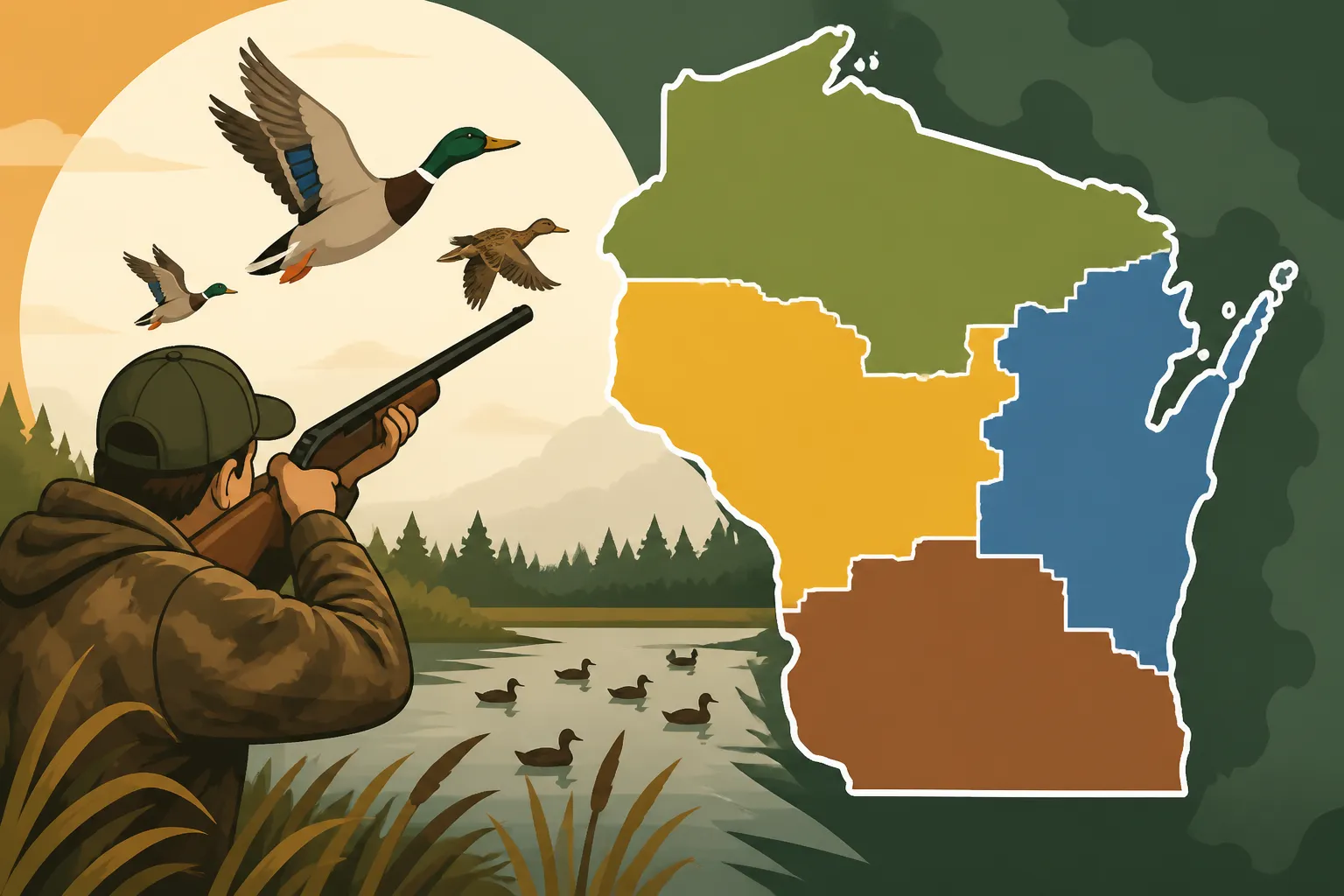
To manage its diverse waterfowl populations and provide equitable hunting opportunities, Wisconsin is divided into several distinct waterfowl zones. Each zone has its own season dates, sometimes slightly different bag limits, and unique ecological characteristics. It’s absolutely crucial to know which zone you're hunting in to avoid any legal missteps.
Northern Zone Dynamics
The Northern Zone encompasses the northernmost third of the state, roughly everything north of a line extending from Green Bay west to Prescott. This region is characterized by vast forests, numerous smaller lakes, flowages, and river systems. Hunting here often means dealing with earlier cold fronts and potential ice-up, which can push birds south sooner than in other parts of the state. Consequently, the duck season in the Northern Zone typically opens earlier and closes earlier, reflecting the migratory timing of the birds. Hunters in this zone often target local birds early in the season, such as wood ducks and resident mallards, before the big push of northern birds arrives. It’s rugged country, and a successful hunt often involves more remote access and adaptable tactics, making it ideal for those who enjoy a wilderness feel to their waterfowling.
Southern Zone Characteristics
The Southern Zone covers the majority of the lower two-thirds of Wisconsin, south of the Northern Zone boundary. This area is a mix of agricultural land, larger lakes, major river systems, and extensive wetland complexes. The hunting season here generally opens later and extends further into the fall, capitalizing on the peak of the migratory flight. Birds tend to linger longer in the Southern Zone due to more open water, abundant food sources in harvested crop fields, and generally milder weather. Canada geese are a significant draw in this zone, often found in large concentrations feeding in cornfields and resting on open water. Duck hunting can be excellent, especially for mallards, black ducks, and divers on bigger lakes. This zone sees a lot of hunting pressure, particularly around popular state wildlife areas and major waterways, so scouting and securing access early are paramount.
The Unique Mississippi River Zone
The Mississippi River Zone is a distinct corridor along Wisconsin’s western border, encompassing the main channel and associated backwaters of the Mississippi River. This zone has its own unique set of season dates, which are often structured to align with hunting seasons in neighboring states along this shared resource. The Mississippi River is a vital artery of the flyway, attracting an incredible variety and volume of waterfowl. Hunting here is a truly unique experience, often involving specialized boats, decoys, and strategies to navigate the vast backwater sloughs, islands, and current-dominated areas. Both dabbling ducks and diving ducks use the river extensively, and goose hunting can also be fantastic, particularly in fields adjacent to the river. Hunters need to pay very close attention to the specific boundary lines for this zone, as a small deviation can put them into the Southern Zone with different dates. If you're looking for an unforgettable waterfowling experience, consider Hunting Mississippi River Backwaters, which offers diverse opportunities from jump shooting to blind hunting.
Great Lakes Open Water Zone Specifics
The Great Lakes Open Water Zone is probably the most specialized of Wisconsin's waterfowl zones. It applies specifically to diver duck hunting on the open waters of Lake Michigan and Lake Superior, generally beyond the established shoreline or harbor lines. This zone has its own late season dates, designed to coincide with the arrival of vast numbers of scaup, canvasbacks, redheads, and goldeneyes that utilize the Great Lakes as a major staging area before continuing their migration. Hunting in the Open Water Zone requires specialized gear, including large, seaworthy boats, a robust spread of diver decoys, and a deep understanding of safety in potentially rough conditions. This isn't a hunt for the faint of heart, but for those who pursue it, the rewards can be spectacular. While specific season dates for general ducks typically fall under the Northern or Southern Zone rules, the Open Water Zone gives hunters an extended opportunity to pursue these hardy diver species.
Wisconsin Duck Seasons by Zone
Now let's get into the nitty-gritty: the actual dates and bag limits that govern your duck hunting adventures in Wisconsin. These dates are set annually by the Wisconsin Department of Natural Resources (DNR) in coordination with the U.S. Fish and Wildlife Service, based on population surveys and flyway management plans. Always refer to the most current DNR migratory bird hunting regulations pamphlet, as dates can shift slightly year to year.
General Duck Season Dates and Splits
Wisconsin's duck season is typically structured with different opening and closing dates for the Northern, Southern, and Mississippi River zones. The Northern Zone usually kicks off earlier in September, reflecting the earlier departure of birds from the northern reaches. The Southern Zone follows, often opening in late September or early October. The Mississippi River Zone frequently aligns its dates closely with the Southern Zone but can have slight variations. Both the Northern and Southern Zones often feature a "split" season, where there's an early segment of hunting, a brief closure, and then a reopening for a late segment. This split is intended to allow hunters to target early migrating species, and then later, the bulk of the larger northern flight. The specifics of these dates, including Wisconsin Duck Season Dates by Zone, are paramount to know before heading afield.
Here's a simplified overview of typical duck season dates, but always check the current year's regulations:
| Zone | Early Duck Season (Approx.) | Late Duck Season (Approx.) | Common Target Species |
|---|---|---|---|
| Northern Zone | Mid-September to Early Oct. | Mid-October to Early November | Wood Ducks, Teal, Local Mallards, Northern Mallards, Goldeneyes |
| Southern Zone | Late September to Mid-October | Late October to Early December | Mallards, Wood Ducks, Gadwall, Pintails, Redheads, Canvasbacks |
| Mississippi River Zone | Late September to Mid-October | Late October to Early December | Mallards, Wood Ducks, Teal, Divers (Scaup, Ring-necked) |
| Open Water Zone | (Integrated with General) | Late October to Late December | Scaup, Canvasbacks, Redheads, Goldeneyes, Buffleheads |
Daily Bag Limits and Species Restrictions
This is where it gets complex, and where attention to detail is critical. The general daily bag limit for ducks is typically six birds, but there are strict species-specific limits within that total. For instance, you might be limited to two mallards (only one of which can be a hen), two wood ducks, two redheads, one pintail, one canvasback, and three scaup (with scaup limits often changing depending on population data). Mergansers and coots have their own separate bag limits, usually much higher. Incorrectly identifying a duck can lead to exceeding a species-specific limit, even if you haven't hit your overall six-duck total. This means every hunter needs to be proficient in duck identification, not just by silhouette, but by plumage, flight patterns, and calls. Missing this critical skill can lead to fines and loss of privileges, so study your waterfowl guides diligently before you go.
Early Teal Season
For many, the Early Teal Season is a highly anticipated precursor to the main duck season. This special hunt usually takes place for about nine days in early to mid-September, specifically targeting green-winged and blue-winged teal. These small, fast-flying ducks are often some of the first to migrate south, and this early season provides an excellent opportunity to get out in the marsh before other species have fully arrived. The daily bag limit for teal during this period is typically six birds, but it’s crucial to remember that only teal are legal to harvest. Shooting any other duck species during this early season, even accidentally, is a serious violation. This makes proper identification absolutely critical. Hunters must be certain they are only targeting teal and pass on any other ducks, even if they look like they might be passing through. Understanding the nuances of Hunting Teal in September can greatly enhance your early-season success.
Wisconsin Goose Seasons and Special Hunts
While ducks often steal the spotlight, Wisconsin also offers some fantastic goose hunting opportunities, primarily for Canada geese, but also for snow geese and other less common species. Like ducks, goose seasons are broken down by zones and sometimes require special permits.
Canada Goose Zones and Seasons
Canada geese in Wisconsin are managed under specific zones: the Horicon Zone, the Exterior Zone, and the Mississippi River Zone. The Horicon Zone is a highly regulated area surrounding the famed Horicon Marsh, known for its massive concentrations of Canada geese. Hunting in this zone during the regular season requires a special permit, which is allocated through a drawing system. Hunters receive a specific number of tags and must report their harvest. The Exterior Zone covers the rest of the state outside of Horicon and the Mississippi River. Most hunters will pursue geese in this zone, which has more liberal harvest opportunities and usually a longer season. The Mississippi River Zone aligns its goose seasons and regulations with those of the states bordering the river, making it unique. Each of these zones has different season dates and bag limits, so understanding Wisconsin Goose Zones and Seasons is essential. In recent years, resident Canada goose populations have been robust, providing ample opportunities across the state.
Early September Canada Goose Hunt
The Early September Canada Goose Hunt is designed primarily to help manage Wisconsin’s rapidly growing population of resident Canada geese. These are birds that nest and raise their young within the state, as opposed to the migratory flocks that come down from Canada later in the fall. This hunt typically runs for the first few weeks of September, statewide, with very liberal daily bag limits (often five or even ten geese per day). It’s a fantastic opportunity to get out in the field before the busy deer seasons, often in mild weather. Many hunters focus on fields of cut corn or alfalfa, where resident geese gather to feed. Success in this early season often hinges on good scouting and obtaining permission to hunt private agricultural lands, as these are primary feeding areas. While the pressure isn't as high as the regular season, early season geese can still be wary, so good blinds and decoy spreads are important. Learning effective strategies for Field Hunting Geese in Southern Wisconsin can be particularly beneficial during this time.
Snow Goose and Other Goose Species
While not as common as Canada geese, Wisconsin does see some migration of snow geese, white-fronted geese (often called "specklebellies"), and occasionally Brant. The hunting season for snow geese typically runs concurrently with the Canada goose seasons in the Exterior Zone, though sometimes there are extended conservation orders to allow for increased harvest due to booming populations. White-fronted geese are rarer, but they do pass through, primarily along the Mississippi Flyway. Their season is usually open during the general goose season, with a small daily bag limit. Brant are even less common, mostly seen along the Great Lakes, and are also included in the general goose bag limits. While most hunters will focus on Canada geese, keeping an eye out for these other species can add a unique trophy to your strap. It’s important to identify these species correctly, as they have different population statuses and bag limits compared to Canada geese.
Essential Regulations Beyond Dates and Limits
Beyond knowing your zones and seasons, there are several other critical regulations that every Wisconsin waterfowl hunter must adhere to. Ignoring these rules can lead to significant penalties, so it's vital to be informed and compliant.
Federal and State Stamp Requirements
To hunt waterfowl in Wisconsin, you need more than just a general hunting license. You must also purchase both a Federal Duck Stamp and a Wisconsin Waterfowl Stamp. The Federal Duck Stamp, officially known as the Migratory Bird Hunting and Conservation Stamp, is a physical stamp that must be signed across its face and carried while hunting. These funds are incredibly important, with 98 cents of every dollar going directly to conserve wetland habitats and purchase land for the National Wildlife Refuge System. This benefits countless species, not just ducks and geese, and provides public access for hunting, fishing, and wildlife observation. The Wisconsin Waterfowl Stamp is the state's equivalent, with its proceeds earmarked for waterfowl management projects within Wisconsin, including habitat restoration, research, and public access improvements. Understanding Wisconsin Federal Duck Stamp Rules ensures you contribute to these vital conservation efforts while remaining legal. Both stamps are mandatory for anyone 16 years of age or older pursuing waterfowl.
Harvest Information Program (HIP) Certification
The Harvest Information Program, or HIP, is a mandatory federal program for all migratory game bird hunters in the United States. Before you hunt any migratory birds – ducks, geese, woodcock, snipe, doves, coots, or rails – you must be HIP certified. This isn't a separate stamp or fee; it's a simple process where you answer a few questions about your hunting success from the previous season. This information is then used by the U.S. Fish and Wildlife Service to estimate migratory bird harvests, which is crucial data for setting future season dates and bag limits. Getting HIP certified is easy and can be done when you purchase your license through the Go Wild system, over the phone, or at a license vendor. It's a quick step that often gets overlooked by new hunters, but it's a legal requirement that supports critical wildlife management efforts, as detailed in Wisconsin HIP Certification for Bird Hunters.
Non-Toxic Shot Rules and Enforcement
One of the most important regulations in waterfowl hunting, and one that has significantly benefited bird populations, is the requirement to use non-toxic shot. In Wisconsin, it is illegal to possess or use lead shot when hunting ducks, geese, coots, or any other migratory game bird statewide. This rule extends to public lands when hunting other game species if there's any chance of taking migratory birds. Common non-toxic alternatives include steel, bismuth, and tungsten-alloy shot. Steel shot is the most popular and affordable option, though it's lighter than lead and requires larger shot sizes. Bismuth and tungsten are denser, performing more like lead, but come at a higher cost. The reason for this rule is simple: ducks and geese often ingest spent lead shot while feeding, leading to lead poisoning and death. Switching to non-toxic shot protects the birds we love to hunt and the broader ecosystem. Always double-check your shells to ensure they are marked "non-toxic" before heading into the marsh.
Baiting and Feeding Regulations
Baiting is strictly prohibited for all migratory game birds in Wisconsin, and violating this rule carries severe penalties. "Baiting" generally refers to the intentional placing of feed, salt, or other edible enticements to lure birds for the purpose of hunting. This isn't just about scattering corn; it can include hunting over recently harvested fields where grain has been purposely left out, or even fields where crops were altered to make grain more accessible. The rules are complex, and ignorance is no excuse. It’s crucial to know what constitutes a legal versus illegal hunt site. If you're hunting near agricultural fields, ensure that any grain present is the result of normal agricultural operations and not an intentional attempt to attract birds. Similarly, "feeding" of deer or other wildlife in areas where waterfowl might be present can also create baiting issues for waterfowl. These regulations are in place to ensure fair chase and to prevent overharvesting of migratory birds. Wisconsin also has specific rules regarding baiting for deer, and it's easy to get confused; remember that the migratory bird baiting rules are separate and often stricter.
Applying for Managed Hunts and Special Opportunities
Beyond general season hunting, Wisconsin offers specific managed hunts and special draw opportunities for waterfowl, particularly for Canada geese in certain high-concentration areas. These hunts provide unique experiences but require advance planning and participation in application processes.
Horicon Marsh Permits and Drawings
Horicon Marsh is a national treasure, a massive wetland complex that hosts hundreds of thousands of migratory birds, especially Canada geese, during the fall migration. To manage hunting pressure and ensure a quality experience, hunting in designated areas of the state-managed Horicon Marsh during the regular season requires a special permit. These permits are allocated through an annual drawing, which typically has an application period in the summer. Hunters apply for specific time periods and locations within the marsh. If drawn, they receive a quota of geese they can harvest. Competition for these permits can be fierce due to the incredible hunting opportunities the marsh provides. It's an immersive experience in one of the most significant waterfowl staging areas in the Midwest. Always check the DNR website for the precise application deadlines and rules for Hunting Horicon Marsh Waterfowl, as these can change annually. Success here often depends on understanding the marsh's geography and the specific movements of the massive goose flocks.
Other Managed Waterfowl Areas
While Horicon is the most famous, Wisconsin has other state wildlife areas and managed properties that may offer special waterfowl hunting opportunities or require specific permits. These can include anything from controlled access hunts designed to distribute pressure, to areas with unique refuge components that open up to hunting only on certain days. Examples might include Necedah National Wildlife Refuge, Crex Meadows Wildlife Area, or other state-owned wetlands that implement specific regulations to manage bird populations and hunting quality. These areas often have highly detailed maps and rules available on the DNR website. It's always a good idea to research the specific property you plan to hunt well in advance. Tools like the GoHunt app or the Wisconsin DNR’s online mapping applications can often highlight these managed areas and link to their specific regulations. Paying attention to Hunting a Wisconsin Managed Waterfowl Draw can unlock some incredible experiences you might otherwise overlook, but it requires doing your homework.
Navigating Resources and Staying Informed
Staying on top of Wisconsin's waterfowl seasons and zones is an ongoing task. Regulations can change, emergency closures can occur, and understanding the nuances often requires more than a quick glance at a pamphlet. Thankfully, a wealth of resources is available to help hunters remain informed and compliant.
The Importance of the Wisconsin DNR Website and Publications
Without a doubt, the official Wisconsin Department of Natural Resources (DNR) website is your absolute best source for the most accurate and up-to-date migratory bird hunting regulations. Every year, the DNR publishes a comprehensive migratory bird hunting regulations pamphlet, available both online and in print at license vendors. This document is the definitive guide, containing all season dates, bag limits, zone maps, stamp requirements, and special hunt details. It's imperative to read this publication thoroughly each season, as minor changes, emergency closures due to disease outbreaks, or alterations to bag limits can occur. Regularly checking the DNR's "Hunting and Trapping Regulations" section online ensures you have the latest information, especially during the season if conditions warrant any rule adjustments. Don't rely solely on word-of-mouth or last year's pamphlet; make the DNR website your first stop.
Using Technology for Waterfowl Hunting
In today's age, technology offers incredible advantages for waterfowl hunters. While the DNR website is the official word, mobile applications and online platforms can greatly enhance your preparation and in-field experience. Mapping apps, like the Wisconsin DNR's Hunt Wild app or other popular hunting GPS apps, are invaluable for identifying public hunting lands, understanding property boundaries, and locating potential hunting spots like ponds, marshes, or agricultural fields. Many of these apps allow you to overlay different map layers, showing wetland designations, forest types, and even topographical changes that could influence bird movement. Some platforms, like GoHunt, not only offer mapping features but also community forums or reporting functions where hunters can share observations on bird migration, local conditions, and general success. This real-time information can be incredibly helpful for adjusting your strategy, particularly when dealing with the fickle nature of migratory waterfowl. Just remember to download maps for offline use if you'll be hunting in areas with poor cell service, and always cross-reference any information with the official DNR regulations.
Disclaimer
Please note that hunting regulations, season dates, and zone boundaries are subject to change. While this guide provides comprehensive information, it is not a substitute for the official Wisconsin Department of Natural Resources (DNR) hunting regulations. Hunters are responsible for knowing and adhering to all current federal, state, and local laws and regulations before participating in any hunting activity. Always consult the most recent DNR migratory bird hunting regulations pamphlet for the official and most up-to-date information.