Wisconsin Antlerless Harvest Authorizations
Let's be honest, figuring out the ins and outs of deer hunting regulations in Wisconsin can feel like trying to solve a Rubik's Cube in the dark, especially when it comes to antlerless harvest authorizations. You've got your deer license, but then there's talk of bonus tags, private land versus public land, specific units, and suddenly, what seemed simple becomes a whole lot of head-scratching. This guide is here to untangle that knot, walking you through everything you need to know about securing and utilizing your Wisconsin antlerless tags so you can focus on the hunt itself, not the paperwork.
Understanding Wisconsin's Antlerless Harvest Authorization System
It's easy to just think of it as "an antlerless tag," but in Wisconsin, it's formally known as an "antlerless harvest authorization." This distinction might seem like splitting hairs, but it highlights that these aren't just arbitrary pieces of paper; they are a critical tool in how the state manages its deer herd.
What Exactly Is an Antlerless Authorization?
At its core, an antlerless harvest authorization grants you permission to harvest one antlerless deer (a deer without antlers, or with antlers less than 3 inches in length) within a specific Deer Management Unit (DMU) and often, within a particular land type (public or private) during certain open seasons. It's more than just a number; it's a carefully calculated allowance designed to achieve population goals in various regions across the state. Without one, you simply cannot legally take an antlerless deer, even if you have a valid deer hunting license. Think of it as a key that unlocks a specific door to deer management. Your general deer hunting license for archery, crossbow, or gun season typically comes with one antlerless authorization for the Farmland Zone, but beyond that, you're looking at a different process.
The "Why" Behind Antlerless Harvest Management
Why does Wisconsin go to such lengths with antlerless tags? It boils down to herd health, habitat balance, and landowner tolerance. Left unchecked, deer populations can quickly skyrocket, leading to overbrowsing of forests, increased crop damage for farmers, and a higher risk of deer-vehicle collisions. Perhaps most critically, dense populations can accelerate the spread of diseases like Chronic Wasting Disease (CWD). By issuing antlerless authorizations, the Wisconsin Department of Natural Resources (DNR) aims to:
- Balance the Sex Ratio: Reducing the number of does helps balance the buck-to-doe ratio, which can lead to a more intense rut, healthier fawns, and potentially larger bucks as competition increases.
- Manage Population Density: In areas where deer numbers are high, more antlerless tags are issued to bring the population down to ecological carrying capacity, reducing pressure on food sources and natural habitat. This is especially vital in agricultural areas, where crop damage can be extensive.
- Control Disease Spread: In counties with CWD, increased antlerless harvest can be a tool to reduce deer density, which in turn can slow the spread of the disease. This is often a tough pill to swallow for hunters, but it's a scientifically backed management strategy.
- Provide Hunting Opportunity: Ultimately, it also provides hunters with additional opportunities to put venison in the freezer and participate in a meaningful way in wildlife conservation.
It's a dynamic system, constantly evaluated and adjusted based on harvest data, winter severity, and disease prevalence.
How County Deer Advisory Councils (CDACs) Influence Your Hunt
This is where the rubber meets the road for local hunters. Each county in Wisconsin has a County Deer Advisory Council (CDAC), made up of local citizens, hunters, farmers, and conservationists. These councils meet annually to review harvest data, deer impacts on habitat, and local concerns. They then make recommendations to the DNR on antlerless quotas and season structures for their specific county and management units within it. These recommendations are crucial because they directly impact how many antlerless tags are available in your hunting area.
For instance, if you hunt in a county in the Northern Forest where deer populations might be struggling due to harsh winters or predation, the CDAC might recommend a lower antlerless quota. Conversely, in the Farmland Zone, where deer numbers are often high and crop damage is a concern, the CDAC might push for a higher number of tags. Attending these public meetings, or at least reviewing their reports, can give you invaluable insight into the thinking behind the quotas and help you plan your season. Many hunters use resources like the Wisconsin Deer Management Units by County guide to understand their specific unit and the discussions around it. It's a truly democratic process that gives local stakeholders a voice in how their deer herd is managed.
Acquiring Your Antlerless Authorizations
Once you understand what they are and why they exist, the next logical step is figuring out how to get them. This isn't always as straightforward as just buying a license.
The Deer Hunting Licence and Its Included Authorization
When you purchase your general archery, crossbow, or gun deer hunting license in Wisconsin, you typically receive one antlerless harvest authorization. This authorization is usually tied to the Farmland Zone. What does this mean for you? If you plan to hunt antlerless deer in the Farmland Zone, and your chosen county is part of it, this basic authorization often covers your initial antlerless harvest.
However, if you're hunting in the Northern Forest Zone or the Central Forest Zone, your initial license might not include an antlerless authorization for that specific zone, or it might be for a different zone altogether. This is a common point of confusion. Always double-check the specifics of your license and where that included authorization is valid. The Wisconsin Deer Seasons and Zones guide is an excellent resource for clarifying these boundaries. It's a critical detail because accidentally harvesting an antlerless deer in a zone where your authorization isn't valid is a violation. The system is designed to allow more flexibility in high-density areas (Farmland Zone) and be more restrictive where populations are managed more conservatively (Northern Forest).
Navigating Bonus Antlerless Tag Sales
For many hunters, especially those looking to fill their freezers or manage local populations on private land, the included authorization simply isn't enough. That's where "bonus antlerless tags" come into play. These are additional authorizations that go on sale after the initial license sales and drawing periods. The availability and sales dates for these tags are critical to know.
- Sales Tiers: Bonus tags are usually sold in tiers, often starting with private land tags, then expanding to public land tags, and sometimes, specific DMU-specific sales. This phased approach helps ensure that tags are distributed effectively and gives hunters multiple chances to acquire them.
- Limited Availability: Unlike the authorization included with your license, bonus tags are limited. Once they're gone, they're gone. This often means being ready on the day sales open, especially for popular public land units or those with high demand.
- Purchasing Online: The easiest way to purchase these is through the Wisconsin DNR's Go Wild system. Many hunters bookmark the site or use hunting apps to monitor availability. For serious planning, platforms like GoHunt can also help you track regulations and availability specific to your target areas, often providing a more streamlined way to stay on top of application deadlines and sales dates.
- Strategic Planning: Smart hunters plan which units they want to hunt well in advance. They'll consult the annual DNR Deer Hunting Regulations pamphlet or use online mapping tools to pinpoint their preferred DMUs and then research the bonus tag availability for those areas. Understanding How Antlerless Authorizations Are Allocated can give you a leg up in predicting demand and availability.
It’s not uncommon for hunters to buy multiple bonus tags if they have access to land with abundant deer or want to participate in late-season hunts like the Wisconsin Holiday Antlerless Hunt. This approach is especially common in the Farmland Zone, where agricultural damage often necessitates a higher antlerless harvest.
Understanding Public vs. Private Land Authorizations
This is another area where hunters often stumble. Not all antlerless authorizations are created equal regarding where they can be used. Many bonus tags are explicitly designated as either "public land" or "private land" authorizations.
- Private Land Tags: These tags are valid only on private land within the specified DMU. They are typically more abundant and easier to acquire because the DNR often encourages a higher harvest on private lands to address landowner concerns about crop damage and overbrowsing. If you primarily hunt private land, these are your bread and butter. Remember that even with a private land tag, you still need permission from the landowner to hunt on their property.
- Public Land Tags: These authorizations are valid on any public hunting land within the designated DMU. They are often much more competitive to acquire due to higher demand and limited supply. If you're a public land hunter, you need to be especially vigilant about when these tags go on sale and be ready to purchase them quickly. Many public land hunters will look for public land specific antlerless tags as soon as they become available. Utilizing the Wisconsin Hunt Wild App can be really helpful here, as it can show you public land boundaries and help you strategize which units might offer the best public land antlerless opportunities.
It's absolutely crucial to ensure you have the correct land type authorization for where you're hunting. Using a private land tag on public land, or vice-versa, is an illegal harvest and can lead to significant penalties. This distinction is part of the DNR's targeted management strategy, allowing them to exert different levels of harvest pressure depending on land ownership and specific management goals for different areas.
Key Dates and Costs to Remember
Missing a deadline or being unaware of the costs involved can throw a wrench into your hunting plans. Staying organized and informed is key.
When to Apply and Buy: A Timely Strategy
The timing of antlerless authorization sales and applications is a dance that every Wisconsin deer hunter needs to learn. It's not a one-time event; it's a staggered process throughout the year.
- General License Purchase: Your base deer hunting license, which includes one Farmland Zone antlerless authorization, is available for purchase starting in late spring/early summer, usually around May or June.
- Bonus Antlerless Tag Sales: This is where it gets more complex. Bonus antlerless tags typically go on sale in tiers, often starting in early August.
- Tier 1: Usually for private land tags within specific DMUs. These tend to sell out slower than public land tags, but still, popular areas can go quickly.
- Tier 2: Often opens up public land tags for certain DMUs. These are highly sought after and can sell out in minutes or hours for prime units.
- Subsequent Tiers: Depending on availability, more tags might be released, sometimes even for specific properties or late-season hunts.
It's really important to consult the current year's Wisconsin Deer Hunting Regulations pamphlet or the DNR website for the exact dates. These dates can shift slightly year to year. Setting calendar reminders is a strategy many seasoned hunters employ. Waiting until the last minute is a surefire way to miss out on tags for your desired units, especially if you're eyeing public land. Tools like GoHunt can provide timely notifications for application deadlines and sales opening dates, making it easier to stay on top of the schedule.
The Financial Side of Antlerless Tags
Hunting can be an expensive endeavor, and antlerless tags add to the overall cost. While the single antlerless authorization included with your base deer license typically doesn't have an additional fee beyond the license itself, bonus tags do.
- Resident Bonus Tags: For Wisconsin residents, a bonus antlerless tag usually costs around $12. This is a very reasonable fee, making it affordable for hunters to purchase multiple tags to maximize their freezer filling efforts or assist in local herd management.
- Non-Resident Bonus Tags: For non-residents, the cost is significantly higher, typically around $20. While still a worthwhile investment for the opportunity, non-residents should factor this into their overall budget for a Wisconsin hunt. The cost difference reflects the state's priority for resident hunters and a higher revenue generation from out-of-state participants. You can always refer to the Wisconsin Nonresident Gun Deer Licence Cost or Wisconsin Nonresident Archery Licence Cost for related fees.
These costs are subject to change, so always verify the current fees through the Go Wild system or the official DNR website. When planning your hunting season, especially if you anticipate buying several bonus tags, it's wise to budget for these additional expenses. Think about how many deer you realistically expect to harvest and how many tags you'll need to cover those opportunities.
What Happens if You Don't Draw or Buy Enough?
Life happens, and sometimes, despite your best intentions, you might find yourself without enough antlerless authorizations for your planned hunts, or perhaps you didn't manage to get one for a specific unit you wanted. It's a common frustration, but it doesn't necessarily mean your season is ruined.
- Monitor Leftover Sales: The DNR often releases any remaining bonus tags in subsequent sales phases, sometimes right up until the various hunting seasons begin, or even during late-season hunts. Keep an eye on the DNR's "Leftover Antlerless Sales" page on their website. You might get lucky, especially in less popular units or if tags were released in a high-quota area.
- Target Different Units: If your preferred unit's tags are sold out, consider shifting your focus to an adjacent or nearby DMU that still has available tags. This might require some scouting and a change in plans, but it can still yield success. The Finding Your Wisconsin Deer Management Unit resource can help you identify alternatives.
- Focus on Antlered Deer: If antlerless tags remain elusive, you can always shift your focus entirely to harvesting an antlered buck (if your license allows). While filling the freezer with venison is a primary goal for many, the thrill of pursuing an antlered deer is a powerful motivator. Your general hunting license almost always includes an antlered buck authorization.
- Mentored Hunting: For those new to hunting, or those introducing someone else, the Wisconsin Mentored Hunting Law Rules allow a mentor to transfer an antlerless tag to their mentee, provided certain conditions are met. This is a great way to ensure new hunters get an opportunity without the pressure of acquiring their own tags.
- Adapt Your Strategy: Ultimately, not getting enough tags might force you to adapt. Maybe you spend more time Still-Hunting Wisconsin Cedar Swamps for a buck, or focus your efforts on the general season antlerless tag included with your license. Flexibility is a virtue in hunting, and Wisconsin's dynamic regulations often require it.
It's a testament to the ever-evolving nature of wildlife management. While frustrating at times, these constraints push hunters to be more adaptable and informed, which, in the long run, often makes for more skilled and knowledgeable outdoors people.
Strategizing Your Antlerless Hunt
Having the authorizations is one thing; knowing how to strategically use them to your advantage is another. This involves understanding your hunting landscape, the specific regulations tied to your tags, and adapting to broader management challenges like CWD.
Making Sense of Deer Management Zones and Units
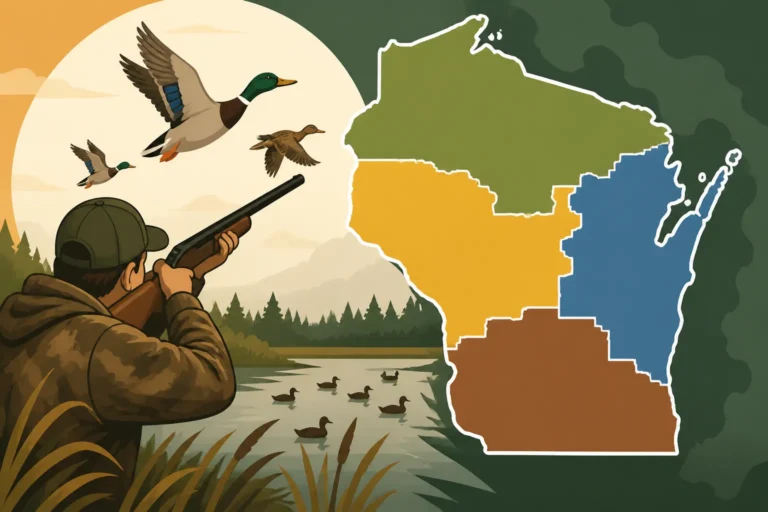
Wisconsin is broadly divided into Deer Management Zones – the Northern Forest, Central Forest, and Farmland Zone. Within these zones are numerous Deer Management Units (DMUs), which are typically county-based or comprise parts of counties. Each DMU has its own antlerless quota, determined by the CDACs and the DNR.
-
Understanding Your Zone's Characteristics:
- Northern Forest Zone: Often characterized by vast timber, lower deer densities, and harsher winters. Antlerless tags here can be scarcer, reflecting the need for a more conservative harvest to allow populations to grow or remain stable. Hunters often focus on mature bucks here, using tactics like Where Northern Forest Bucks Bed or hunting clearcuts and aspen cuts.
- Central Forest Zone: A mix of forest and some agricultural land, often with moderate deer densities. Antlerless tag availability can vary more here.
- Farmland Zone: Characterized by agricultural fields, woodlots, and higher deer densities. This is where most antlerless tags are available, reflecting the need to manage populations for agricultural damage control and disease management. Hunters here might focus on strategies like Hunting a Standing Cornfield in Farm Country or Hunting Wisconsin Farmland Deer.
-
Pinpointing Your DMU: Every antlerless authorization you acquire will specify the DMU for which it is valid. It's critical to know the boundaries of this unit. The DNR provides excellent online maps, and hunting apps like GoHunt or onX Hunt are indispensable for showing DMU overlays on satellite imagery. Don't assume your tag is valid across an entire county; it might be for a specific portion. Understanding the nuances of How Farmland Zone Quotas Are Set or How Northern Forest Quotas Are Set can really help you understand the context of your specific DMU.
-
Multi-County Hunts: If you hunt across multiple counties or DMUs, you'll need separate antlerless tags for each unit where you intend to harvest an antlerless deer. This requires careful planning and potentially purchasing multiple tags. For example, if you hunt in Grant County (Driftless Area) and also in Jackson County (Central Forest), you’ll likely need distinct antlerless authorizations for each, as they fall into different zones and DMUs with different management objectives.
Hunting Pressure and Antlerless Opportunities
Antlerless hunting often coincides with high hunting pressure, especially during the opening weekends of gun season. This pressure can impact deer movement and the success of your antlerless hunt.
- Opening Weekend Crowds: During the Opening Weekend Tactics in Wisconsin for the gun deer season, public lands can be swarming with hunters. Deer become skittish, often moving into thicker cover or going nocturnal. While many hunters are focused on bucks, the sheer volume of hunters can make antlerless deer harder to find in open areas.
- Mid-Week and Late-Season: If you have the flexibility, hunting antlerless deer during mid-week periods or later in the season (e.g., during the Late Antlerless Hunting in Wisconsin or the Holiday Antlerless Hunt) can be incredibly productive. Deer are often less pressured, and specific food sources become more critical as winter sets in, making them more predictable.
- Finding Secluded Spots: Even on heavily pressured public land, smart hunters can find success by seeking out areas that others overlook. This might mean walking an extra mile, finding overlooked pockets of cover, or hunting steep terrain in the Driftless Area Deer Hunting in Wisconsin. Deer, especially does with fawns, will seek refuge from human activity. Using an application like GoHunt can help you identify these overlooked pockets on public land.
- Private Land Advantage: If you have access to private land, especially larger tracts, hunting antlerless deer can be more relaxed and predictable. Less pressure often means deer move more naturally during daylight hours. This is where private land bonus tags are invaluable.
Considering hunting pressure in conjunction with your available antlerless tags is crucial for maximizing your chances of success and having a more enjoyable hunting experience.
Adapting to CWD and Baiting Ban Rules
Chronic Wasting Disease (CWD) and the associated baiting and feeding bans significantly influence antlerless harvest strategies in Wisconsin. These rules are in place to combat the spread of the disease, and hunters play a vital role in that effort.
- Increased Antlerless Quotas in CWD Areas: In counties where CWD is detected, the DNR and CDACs often increase antlerless quotas. The goal is to reduce deer density, which theoretically can slow the transmission of the disease within the herd. If you hunt in a CWD-affected county, you'll likely find more antlerless tags available, and your harvest directly contributes to the management effort. Checking Which Wisconsin Counties Have CWD is essential.
- Baiting and Feeding Bans: CWD-affected counties, and all adjacent counties, are subject to baiting and feeding bans. This means you cannot use bait (like corn, apples, or mineral blocks) to attract deer while hunting. This significantly changes hunting tactics, especially for antlerless deer. Instead of relying on a bait pile, you'll need to focus on natural food sources, travel corridors, and bedding areas. The article on What Replaced Bait Piles for Wisconsin Hunters offers excellent alternatives.
- Carcass Movement Restrictions: If you harvest a deer in a CWD-affected county, there are strict rules about transporting the carcass out of that county. Generally, only deboned meat, clean skull plates, hides, and taxidermy-ready mounts can leave the county. This impacts how you process your deer, especially if you plan to take it home to another county. Understanding Wisconsin Carcass Transport Rules is critical to avoid violations.
- CWD Sampling: Hunters are strongly encouraged, and sometimes required, to submit deer heads for CWD testing, particularly in disease-affected zones. Knowing Where to Find a Wisconsin CWD Kiosk and participating in the sampling program helps the DNR monitor the disease's spread and prevalence, directly informing future management decisions, including antlerless quotas.
These rules aren't just bureaucratic hurdles; they are fundamental to preserving Wisconsin's deer herd for future generations. Adapting your antlerless hunting strategy to these realities is a responsibility every hunter in Wisconsin shares.
Utilizing Your Antlerless Tags Effectively
You've got your tags, you understand the rules, now it's time to put that knowledge into action in the field. Effective utilization goes beyond just pulling the trigger; it encompasses ethical considerations, tactical planning, and proper post-harvest procedures.
Filling Your Antlerless Tag: Strategies and Ethics
Harvesting an antlerless deer is often about opportunity and careful planning. It's also an ethical responsibility.
- Identify Your Target: Before you even raise your weapon, be absolutely certain it's an antlerless deer. In early archery season, button bucks can be mistaken for does. Observe the deer carefully, looking for udder development if possible, or confirming the complete absence of antlers. There's no rush to make a mistake.
- Shot Placement: Just like with an antlered buck, aim for a clean, ethical shot. The vitals are the same. A well-placed shot minimizes suffering and ensures a quick recovery. If you're using a Bow and Crossbow Setups for Wisconsin or a rifle, practice at realistic distances beforehand.
- Timing Your Harvest: Many hunters prioritize harvesting an antlered buck first, then focus on antlerless deer. However, if your primary goal is venison, or if you're hunting in a high-density area where the DNR encourages a higher antlerless harvest, taking an antlerless deer early in the season can reduce pressure later. Consider the timing of your hunts; sometimes, Hunting the Second Week of Gun Season can offer less pressured opportunities for antlerless deer compared to the opening days.
- Doe Groups: Often, antlerless deer travel in family groups. If you encounter a group, try to take a mature doe. Harvesting a fawn can mean a smaller meat yield, and while legal, targeting mature does is generally preferred for herd management as they are the primary breeders. If you have multiple tags, you might be able to take more than one from a group, but always ensure you have the appropriate authorizations before doing so.
- Accessibility for Recovery: Before taking a shot, consider the terrain. An antlerless deer might not be as heavy as a mature buck, but dragging one out of a steep coulee bottom in the Driftless or a thick swamp in the north can still be a monumental task. Planning your shot in relation to an easier recovery route is always smart. Knowing how to Recovering a Deer From a Coulee Bottom or Getting a Deer Out of a Wisconsin Swamp is crucial.
Ethical hunting dictates that we make every effort to recover any animal we shoot. This means taking responsible shots and committing to the search, even if it's difficult.
The Role of the Antlerless Harvest in Your Deer Season
Antlerless hunting isn't just an afterthought; it can be an integral and strategic part of your entire deer season.
- Filling the Freezer: For many, the most direct benefit of antlerless tags is providing high-quality venison for the table. One or two antlerless deer can keep a family fed for a good portion of the year. This makes deer hunting an incredibly sustainable and economical way to source lean, organic meat.
- Management Contribution: By utilizing your antlerless tags, you are directly contributing to local herd management goals. Whether it's helping to reduce crop damage, mitigating CWD spread, or balancing the herd, your actions have a real impact. This is a crucial aspect of being a responsible steward of Wisconsin's wildlife.
- Extended Opportunities: Antlerless authorizations often extend your hunting opportunities beyond the traditional buck seasons. With various antlerless-only hunts, late-season archery, and muzzleloader seasons, these tags can keep you in the woods much longer. The Wisconsin Muzzleloader Season Tactics can be particularly effective for late-season antlerless hunting when deer are focused on food.
- Scouting for Bucks: While hunting antlerless deer, you're constantly scouting. You're learning deer movement patterns, identifying natural funnels, observing food preferences, and noting bedding areas. This information can be invaluable for locating and patterning antlered bucks later in the season or in future years. Every sit, every walk in the woods for an antlerless deer, adds to your overall understanding of the landscape. Using an application like GoHunt to mark sign and observations can help you piece together patterns over time.
Don't underestimate the value of antlerless hunting. It's a fundamental part of the Wisconsin hunting experience, offering both practical benefits and a deeper connection to wildlife management.
Beyond the Harvest: Registration and Data
Your responsibility as a hunter doesn't end when you pull the trigger. Proper registration and understanding the data collection process are the final, crucial steps.
- Mandatory Registration: All deer harvested in Wisconsin, including antlerless deer, must be registered. This is not optional. The easiest and most common way to register is online through the Go Wild system or via phone. You'll need information like your customer ID, the date and time of harvest, the DMU, and the antlerless tag number used. The deadline for registration is typically 5:00 PM the day after the harvest. You can find detailed instructions in the Wisconsin Deer Registration Rules.
- Why Registration Matters: Registration is how the DNR collects vital harvest data. This data is the backbone of their deer management decisions. It tells them:
- How many deer were harvested in each DMU.
- The sex and age composition of the harvest.
- The effectiveness of antlerless quotas.
- Trends in deer populations.
This information directly influences future antlerless tag allocations, season structures, and overall management strategies. Without accurate hunter-reported data, the DNR is operating blind.
- CWD Sampling (Again): If you're hunting in a CWD-affected area, contributing to the CWD sampling program after registration is highly encouraged. By submitting the head of your harvested deer (antlered or antlerless) to a sampling station or kiosk, you provide valuable data for monitoring the disease. This is a critical service that hunters provide to the state. The results, though they can take some time, are typically made available online. Knowing How Long Wisconsin CWD Results Take can manage your expectations.
Every time you register an antlerless deer, you're not just reporting a kill; you're contributing to the science and conservation efforts that sustain Wisconsin's deer hunting tradition. It's the ultimate act of responsible stewardship, closing the loop on a well-planned and ethically executed hunt.
Disclaimer
Please remember that hunting regulations, season dates, and tag availability in Wisconsin can change annually. Always consult the official Wisconsin Department of Natural Resources (DNR) website or the current year's hunting regulations pamphlet for the most accurate and up-to-date information before heading afield. This guide provides general information and should not be considered a substitute for official DNR publications.