What Replaced Bait Piles for Wisconsin Hunters
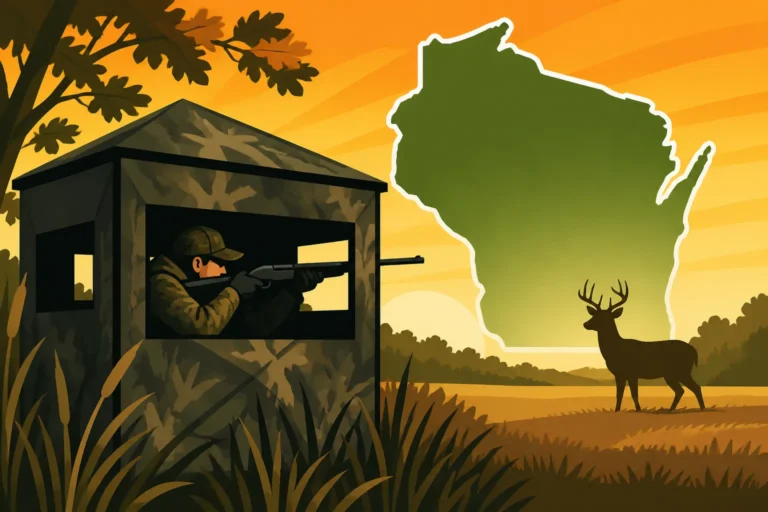
Remember the days of simply dropping a truckload of corn or apples and setting up shop? For many Wisconsin hunters, especially those who grew up with it, those days are a distant, often frustrating memory. With the widespread baiting and feeding bans enacted across much of the state, finding and attracting deer, particularly on public land, has become a whole new ballgame. This guide isn't about reminiscing or complaining; it's about adapting, understanding why these changes happened, and embracing the effective, legal alternatives that have replaced those traditional bait piles.
The Evolution of Hunting in Response to CWD and Baiting Bans
The landscape of deer hunting in Wisconsin has shifted dramatically over the past couple of decades. What was once a common practice – throwing out a pile of corn or a few apple buckets – is now strictly prohibited in many counties. This change didn't happen overnight, and it certainly wasn't without its share of debate and frustration among the hunting community.
Understanding Wisconsin's Baiting and Feeding Bans
The primary driver behind these regulations is the fight against Chronic Wasting Disease (CWD). CWD is a fatal, neurological disease that affects deer, elk, and moose, and unfortunately, it's present in Wisconsin's deer herd. The science suggests that concentrating deer at bait or feed sites significantly increases the risk of disease transmission, as deer come into direct contact with each other, sharing saliva, urine, and feces. It’s like a deer congregation at an all-you-can-eat buffet where germs spread easily.
The Wisconsin Department of Natural Resources (DNR) implements baiting and feeding bans based on the detection of CWD within a county. Once CWD is confirmed, a multi-year ban is put in place, and often, adjacent counties also fall under similar restrictions to create a buffer zone. These regulations are serious, carrying fines and penalties for violations, so it's absolutely crucial for every hunter to know the current rules for their specific hunting location. You can always check the latest regulations concerning Wisconsin Baiting and Feeding Bans on the DNR website before heading out. Ignorance of the law is no excuse, and nobody wants a hunting trip ruined by an unexpected ticket.
The Shift in Hunter Mindset and Strategy
For many hunters, especially those who relied heavily on bait, the bans felt like an attack on tradition and an unnecessary complication. The initial reaction was often one of frustration and a feeling of being at a disadvantage. However, the most successful hunters in post-baiting Wisconsin are those who've embraced this challenge as an opportunity to become better, more knowledgeable deer hunters.
This shift isn't just about legality; it’s about a deeper understanding of deer behavior, habitat, and the natural world. It forces hunters to become true woodsmen and women, relying on observation, scouting, and strategic thinking rather than simply attracting deer to a fixed point. It might feel like more work upfront, but the satisfaction of tagging a deer through genuine woodsmanship is immeasurable. This new era encourages a more active and engaging form of hunting, where the hunter is constantly learning and adapting, making every successful outing a testament to skill and dedication.
Strategic Habitat Enhancement and Natural Attractants
Without the option of artificial bait piles, hunters on private land have turned their attention to managing and enhancing natural habitat. On public lands, the focus shifts to understanding and exploiting existing natural food sources. These methods require a deeper understanding of deer ecology and a willingness to invest time and effort into creating or finding attractive environments.
The Power of Food Plots
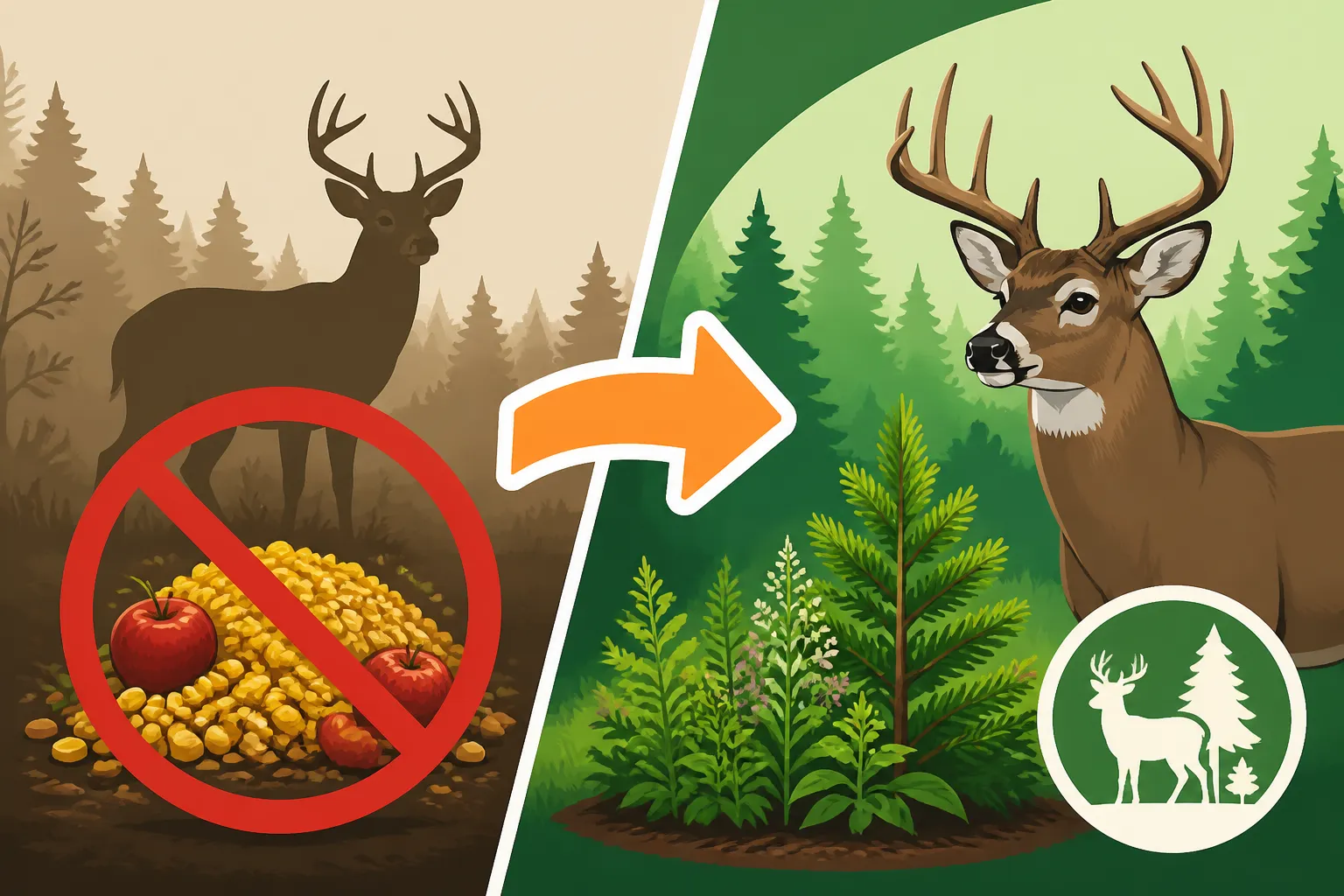
For those with access to private land, food plots have become the undisputed king of deer attractants, effectively replacing bait piles as a legal and highly effective way to draw and hold deer. Unlike bait, which is a temporary offering, food plots provide sustained nutrition and cover, creating a long-term resource for deer. They are essentially carefully cultivated mini-farms for wildlife.
Planning a food plot involves considering factors like soil type, sunlight, deer density, and overall hunting strategy. Small plots, often called "kill plots," can be strategically placed near bedding areas or travel corridors to offer a quick meal before deer head to cover, perfect for archery setups. Larger plots might be designed as destination feeding areas, drawing deer from a wider range. Common plantings include brassicas, clover, alfalfa, winter wheat, and various types of beans. Brands like Whitetail Institute and BioLogic offer seed blends specifically designed for deer, simplifying the process for many landowners. While the initial investment of time and money can be significant, a well-maintained food plot can truly transform a property's deer holding capacity and hunting opportunities. For those exploring this route, understanding Food Plots Instead of Bait can be a game-changer.
Maximizing Natural Forage
On public land, or for those without the resources for large-scale food plots, understanding and maximizing natural forage is paramount. Deer are always looking for the easiest, most nutritious meal, and if you can identify where that is, you're halfway to success. This means becoming a student of the seasonal changes in the forest and fields.
Key natural food sources include acorns (especially white oak acorns, which are less bitter), various soft mast like apples, pears, and berries, and succulent browse (the tender twigs and leaves of woody plants). After an acorn failure, for example, deer patterns can drastically change as they seek alternative food sources. This is where scouting intelligence shines. Early fall might see deer hitting apple trees, while late season hunts might find them focused on standing cornfields or browse in thick cover. Understanding these shifts and knowing where to find these natural pantries at different times of the year is critical. It’s also important to consider Late-Season Food Sources for Whitetails as winter approaches and options dwindle.
Mineral Sites and Legal Attractants
While most food-based attractants are banned, mineral sites can offer a legal alternative in some areas, primarily on private land where baiting isn't prohibited by CWD regulations (always check your local county rules!). Mineral sites, typically made of granular or block minerals, provide essential nutrients that deer need for antler growth, fawn development, and overall health. They are not food, but they do draw deer in for consumption of the minerals.
Scent lures, on the other hand, are generally legal everywhere. These include mock scrapes, estrus scents during the rut, and curiosity scents. Used correctly, they can entice deer to investigate a specific area, drawing them into shooting range or past a trail camera. The key is realism and understanding deer communication. A mock scrape, freshened with urine and gland scents, can be a powerful tool to engage a buck's curiosity. Similarly, using a doe estrus scent during the peak rut can sometimes pull a lovesick buck right into your lap. However, it's crucial to remember that scents are attractants, not food, and should be used ethically and legally.
Mastering Scouting and Deer Movement Patterns
Without the stationary draw of a bait pile, success hinges on predicting deer movement and being in the right place at the right time. This demands a commitment to intense scouting, both before and during the season, and a keen understanding of how deer interact with their environment.
Advanced Trail Camera Strategies
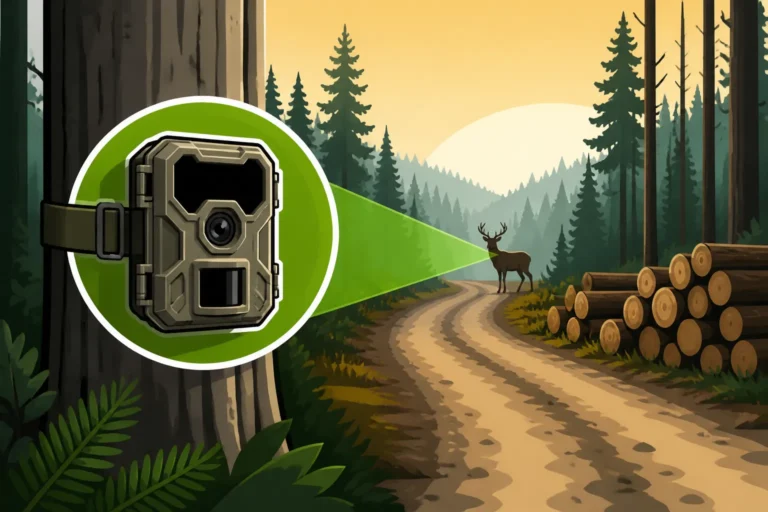
Trail cameras are no longer just for checking bait piles; they are indispensable scouting tools. Instead of placing them over a mound of corn, hunters are now using them strategically along travel corridors, pinch points, scrape lines, and rub lines. This provides invaluable intelligence on deer activity, buck behavior, and movement patterns without relying on illegal bait.
The goal is to gather information: when are deer moving? Which bucks are in the area? What are their preferred routes between bedding and feeding? Cameras equipped with cellular capabilities can send real-time photos to your phone, allowing you to monitor activity remotely and adjust your strategy without disturbing the area. Integrating apps like GoHunt can help you plot camera locations and analyze data alongside other mapping information, creating a comprehensive picture of deer movement. Understanding how deer utilize their home range, where they cross fences or streams, and what time of day they are most active in certain spots is the new golden ticket, and trail cameras are your eyes in the woods.
Reading the Landscape for Deer Sign
This is where hunting becomes a true art form. Learning to "read" the landscape means understanding how topography, vegetation, and water influence deer movement. Deer are creatures of efficiency and safety; they will always take the path of least resistance or the route that offers the most cover.
Look for natural funnels – narrow strips of woods between open fields, saddles in ridges, or bottlenecks where two swamps come close together. These are high-traffic areas, especially during the rut, that concentrate deer movement. Similarly, pinch points, such as a rock outcrop forcing deer into a tight trail, can be excellent stand locations. Identifying bedding areas (thick thermal cover, south-facing slopes in winter) and understanding transition routes between bedding and feeding is crucial. A mature buck isn't just wandering aimlessly; he's moving with purpose, and recognizing that purpose from the sign he leaves behind – rubs, scrapes, tracks – is the essence of public land hunting. Knowing how to interpret Reading a Ridge Point for Deer Movement or Hunting a Funnel Between Two Swamps will elevate your understanding significantly.
Understanding Wind and Thermals
Without bait to hold deer in one spot, your ability to remain undetected becomes even more critical. Deer possess an incredible sense of smell, and the wind is their primary defense mechanism. Hunting smart means knowing not just where deer are, but how the wind will carry your scent.
In flat terrain, wind direction is usually straightforward, but in hilly or mountainous areas, especially in Wisconsin's Driftless Region, thermals play a significant role. Thermals are air currents that rise as the ground warms in the morning and fall as it cools in the evening. This means your scent cone can shift dramatically throughout the day. A morning hunt in a coulee might require a different approach than an evening sit, as air currents will push your scent either up or down the draw. Always play the wind, but understand how topography can alter it. This intricate understanding of Wind and Thermals in a Coulee can mean the difference between seeing deer and spooking them before they ever know you're there.
Modern Hunting Technologies and Resources
The modern hunter has a suite of tools at their disposal that can dramatically enhance their effectiveness without ever needing a kernel of corn. These technologies, when used skillfully, help bridge the gap left by baiting bans and empower hunters with unprecedented levels of information and precision.
Harnessing Mapping Applications
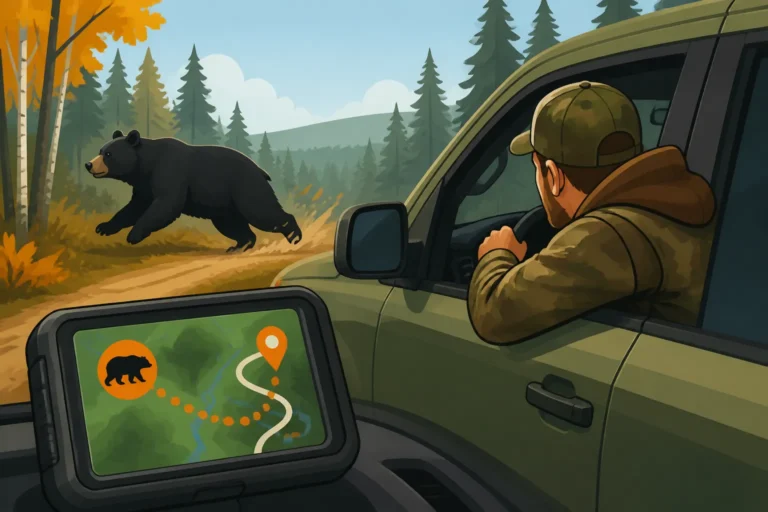
Forget crude paper maps; modern hunting apps are your new best friend for navigating Wisconsin's diverse hunting grounds. Applications like GoHunt provide incredibly detailed satellite imagery, topographic maps, and crucial layers for public land boundaries, private property lines, and even habitat features. This allows you to scout remotely, identify potential bedding areas, travel corridors, and access points from your couch.
Before even stepping foot in the woods, you can mark potential stand locations, plan your ingress and egress routes to minimize disturbance, and identify isolated pockets of public land that might see less pressure. OnX Hunt is another popular app that offers similar features, allowing hunters to easily distinguish between different land types, see who owns what property, and even track their movements in real-time. This level of detail makes you a more efficient and effective scout, enabling you to find ground that others overlook. For more on maximizing these tools, check out Scouting With the Wisconsin Hunt Wild App.
Data-Driven Decision Making
Beyond what you see in the woods, there's a wealth of publicly available data that can inform your hunting strategy. The Wisconsin DNR publishes extensive harvest reports, CWD prevalence maps, and population estimates. By diving into this data, you can identify counties or specific Deer Management Units (DMUs) that consistently produce high harvest numbers or large bucks.
Understanding trends in deer populations, antlerless quotas, and even the timing of the rut in different regions can give you a significant edge. For instance, knowing which counties have high CWD prevalence might influence your decision to harvest and test deer, or even where you choose to hunt. This isn't just about finding a deer, but about making informed, responsible decisions as a hunter. Reviewing a Reading a Wisconsin Harvest Report can highlight historical patterns that can guide your future hunts.
Effective Calling and Decoy Tactics
With deer less concentrated, calling and decoy tactics become powerful tools to pull deer into range. Instead of them coming to you, you're actively trying to draw them in. This requires finesse, understanding deer vocalizations, and knowing when to use which call.
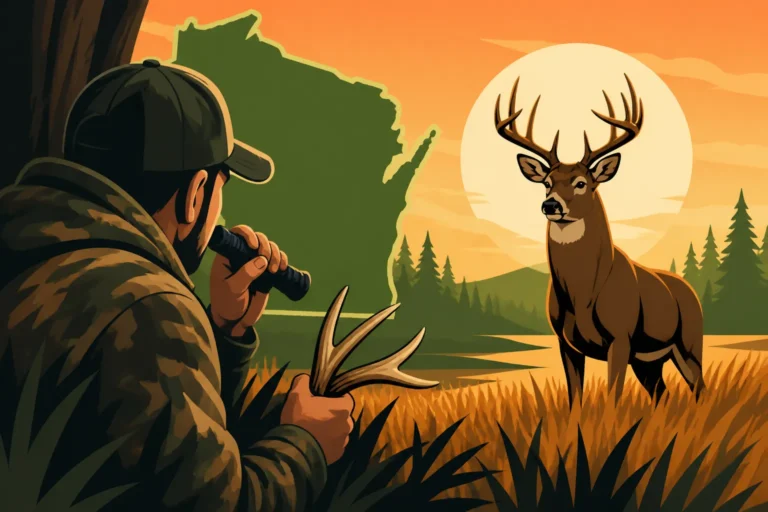
Rattling antlers can mimic two bucks fighting, often drawing in curious or aggressive bucks looking to assert dominance or investigate a potential rival. Grunt calls can simulate the sound of a deer, either a buck looking for a doe or a curious doe. The key is timing and volume. In dense cover, less aggressive calls might be more effective. During the peak of the rut, aggressive rattling or a series of well-placed grunts can be incredibly potent. Decoys, whether a lone doe or a buck, can also be used to visually attract deer, but they require careful placement and understanding of wind to prevent alarming the deer. To truly master these techniques, research Rattling and Grunting in Wisconsin and Grunt Calls in Mature Timber for specific advice tailored to the state's hunting scenarios.
Disclaimer
Hunting is an activity with inherent risks. Always prioritize safety, understand and follow all Wisconsin hunting regulations, and consider taking a hunter safety course. This guide is for informational purposes only and does not substitute for official regulations or professional instruction.