Wisconsin Deer Seasons and Zones
Navigating the complex world of Wisconsin deer seasons and zones can feel like trying to solve a Rubik's Cube blindfolded, especially with regulations often shifting. It's a common frustration among seasoned hunters and new folks alike, wondering where they can hunt, when, and for what. This comprehensive guide is here to untangle the intricacies of Wisconsin's deer hunting framework, helping you understand the rules, plan your hunts effectively, and make the most of your time afield.
Understanding the Evolution of Wisconsin's Deer Season Structure
Wisconsin's deer hunting landscape is steeped in tradition, but it's also a dynamic environment. What was once a relatively straightforward set of rules has evolved into a multi-faceted system, and it's easy to feel overwhelmed by all the moving parts. This isn't just bureaucracy for the sake of it; there are real ecological and social reasons behind the complexity.
A Look Back at Tradition
For generations, the nine-day gun deer season has been an almost sacred ritual in Wisconsin. It's a time when families gather, camps fill with stories and laughter, and the crisp November air is punctuated by the crack of distant rifles. For many, it's the highlight of the year, a deep-rooted cultural event that transcends simply putting venison in the freezer. Back in the day, the regulations seemed simpler, or at least our perception of them was. You bought your license, knew the dates, and headed to your favorite spot, often with a "one buck, one doe" mentality.
This simplicity, however, often masked underlying ecological challenges or failed to adapt to changing deer populations and land use patterns. The traditions are still very much alive and cherished, but the framework around them has necessarily changed. We all remember, or have heard stories about, a time when things felt less complicated, and that nostalgia is a real part of why the current system can feel like a departure.
Why Seasons and Zones Get So Complex
The truth is, deer management isn't a one-size-fits-all endeavor, especially in a state as diverse as Wisconsin. Different regions of the state have vastly different habitats, deer densities, hunter access, and even disease prevalence. What works for managing deer in the dense forests of the Northwoods won't necessarily be effective in the agricultural landscapes of the Farmland Zone.
Chronic Wasting Disease (CWD) has added an entirely new layer of complexity, demanding specific management strategies in affected areas to monitor and, hopefully, mitigate its spread. Hunter feedback, often passionate and varied, also plays a significant role, as do economic considerations, land development, and even climate patterns. All these factors contribute to a regulatory environment that, while sometimes frustrating, aims to balance deer herd health, ecological impacts, and hunter opportunity. It's a constant juggling act, and unfortunately, "simple" is rarely an option when dealing with such intricate variables.
The Core Deer Seasons: Archery, Crossbow, Gun, and Muzzleloader
Wisconsin offers a generous array of deer hunting opportunities, stretching across several months of the year. Each season presents unique challenges and rewards, catering to different hunting styles and preferences. Understanding the nuances of each is key to planning a successful season.
Navigating the Archery and Crossbow Opportunities
Wisconsin boasts one of the longest archery and crossbow seasons in the nation, typically running from mid-September through early January, with a brief closure during the gun season. This extended period gives bowhunters incredible flexibility, allowing them to target deer from the early season's lush greenery, through the intense rut, and into the late-season snows. The early season can be challenging, focusing on food sources and predictable patterns before deer feel heavy pressure.
As the leaves change and temperatures drop, the pre-rut and rut periods offer exhilarating action, often making for some of the best opportunities to encounter mature bucks. Finally, the late season, after the gun hunters have left the woods, can be surprisingly productive, with deer often concentrating on specific food sources. Whether you prefer the traditional vertical bow or the increasing popularity of crossbows, which are now fully integrated into the season, this long window means you can tailor your hunts to specific deer behavior and weather patterns. You can dive deeper into the mechanics of this lengthy season by reading How Wisconsin's Archery and Crossbow Seasons Run. Furthermore, many hunters debate the merits of Crossbow Versus Vertical Bow in Wisconsin, a topic that often sparks lively discussion around the campfire. Many hunters rely on tools like GoHunt's detailed season summaries to quickly pinpoint specific season splits and bag limits, especially with the state's varied regulations.
The Nine-Day Gun Deer Season: A Wisconsin Tradition
The nine-day gun deer season in Wisconsin isn't just a hunting event; it's a cultural phenomenon. Starting the Saturday before Thanksgiving, this short, intense period sees hundreds of thousands of hunters take to the woods, making it one of the busiest and most anticipated times of the year. For many, it's a family tradition passed down through generations, often involving deer camps, shared meals, and storytelling. The sheer number of hunters in the woods during this time creates a unique dynamic. Deer movement can be highly unpredictable due to constant pressure, leading some to prefer stand hunting in traditional travel corridors, while others opt for strategic deer drives, especially on public lands.
The rules for the gun season, including blaze orange requirements and legal firearms, are strictly enforced, emphasizing safety in such a crowded environment. While some find the crowds daunting, the camaraderie and excitement are undeniable. This season is where many Wisconsinites harvest their annual venison, connecting with the land and their heritage in a profound way. For a deeper understanding of the traditions and tactics, check out Wisconsin's Nine-Day Gun Deer Season.
Muzzleloader and Holiday Hunts: Extending the Opportunity
After the intensity of the nine-day gun season subsides, Wisconsin offers further opportunities for deer hunters. The muzzleloader season typically follows directly after the gun season, providing a unique challenge for those who appreciate traditional firearm hunting. This season requires hunters to contend with often colder, sometimes snowy conditions, and the distinct characteristics of muzzleloading firearms – slower loading, single-shot capacity, and the cloud of smoke. It demands a different kind of patience and precision, and many hunters find a deep satisfaction in the more primitive approach. For those considering this pursuit, exploring Muzzleloader Deer Hunting in Wisconsin can provide valuable insights into the gear and mindset required.
Beyond the muzzleloader season, Wisconsin also offers a "Holiday Antlerless Hunt" in specific zones, usually running from late December into early January. This hunt is primarily designed to further reduce antlerless deer populations in areas where herd control is necessary, often in response to CWD concerns or agricultural damage. It provides a quiet, late-season opportunity, often under snowy conditions, for hunters willing to brave the cold. Tactics for these late seasons often revolve around key food sources and bedding areas, as deer are often concentrated and seeking warmth and sustenance. It's a chance to fill the freezer after the main seasons, and specific strategies for success are detailed in articles like Wisconsin Muzzleloader Season Tactics.
Deciphering Wisconsin's Deer Management Zones (DMZs)
Wisconsin's diverse landscapes necessitate a varied approach to deer management, which is why the state is divided into distinct Deer Management Zones (DMZs). These zones reflect the ecological differences across the state and guide specific population goals and hunting regulations. It's a system designed to address local challenges and opportunities rather than imposing a blanket rule across vastly different terrains.
The Four Primary Zones: Farmland, Northern Forest, Central Forest, and Southern Forest
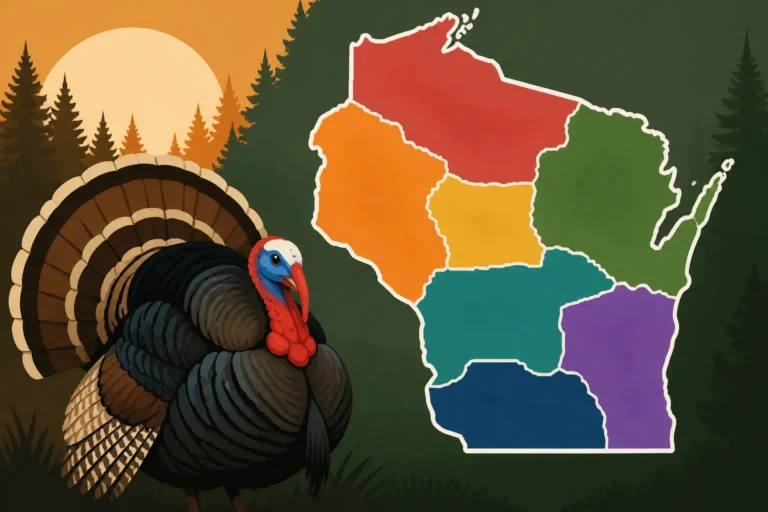
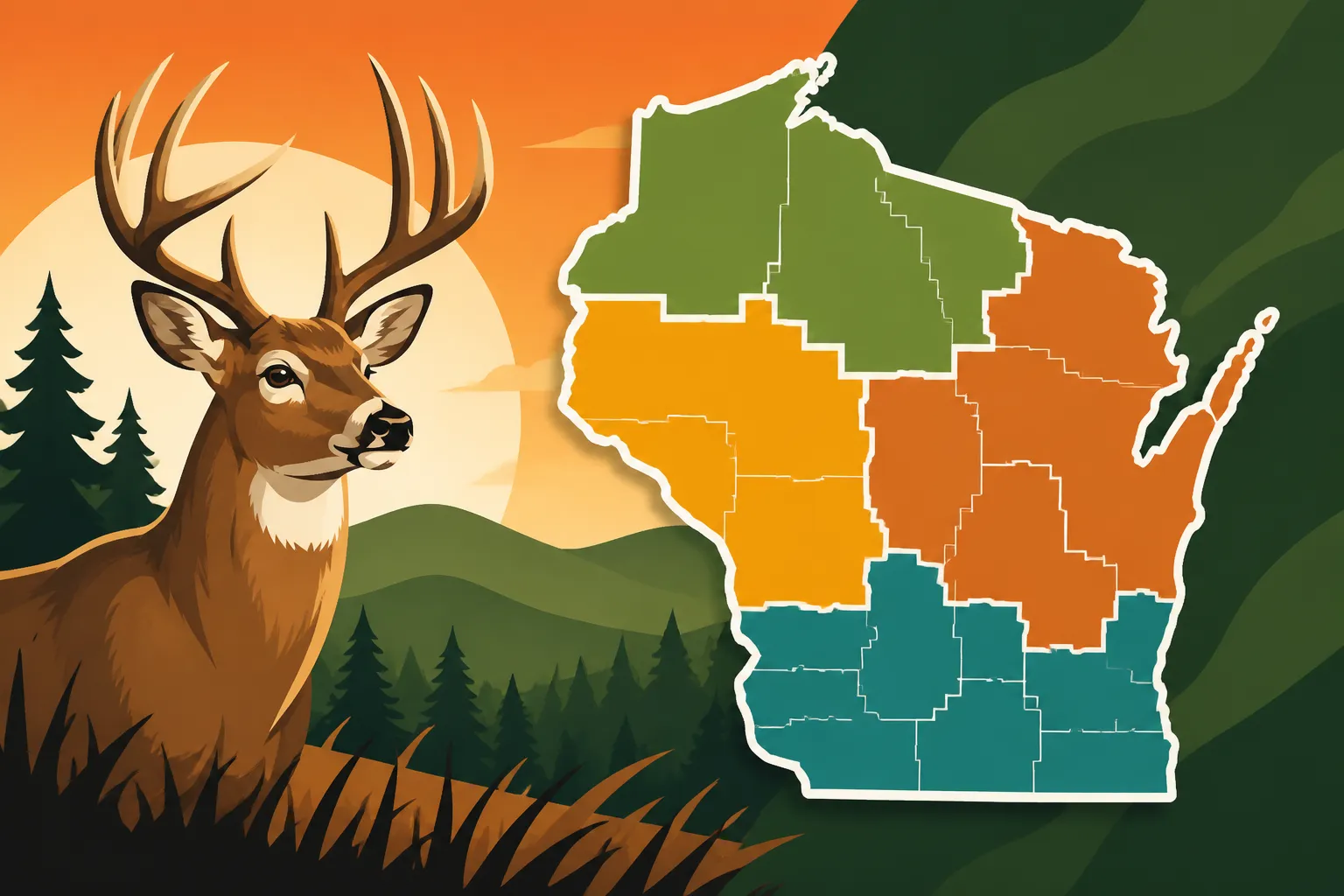
Historically, Wisconsin had a more complex system of Deer Management Units (DMUs), but the state transitioned to a simplified system of four primary Deer Management Zones to better reflect broad habitat types and management objectives. These zones are:
- Farmland Zone: This zone encompasses the agricultural heartland of southern and western Wisconsin, characterized by a mosaic of croplands, woodlots, and small farm properties. Deer populations here can be very high, often leading to agricultural damage. Management strategies in the Farmland Zone typically focus on higher antlerless harvests to control herd size and mitigate conflicts. Hunters here often find success hunting field edges, standing corn, and small woodlots.
- Northern Forest Zone: This vast zone covers the dense coniferous and deciduous forests of northern Wisconsin. Deer densities are generally lower here compared to the farmland, influenced by harsh winters and differing habitat quality. Management aims to balance herd health with the carrying capacity of the forest environment. Hunting in the Northwoods often involves extensive walking, seeking out clearcuts, swamps, and logging roads where deer concentrate.
- Central Forest Zone: Situated between the Farmland and Northern Forest zones, this area includes large tracts of pine plantations, oak savannas, and wetlands. It's a transitional zone with varied deer densities. Management here seeks to balance forest health and timber production with deer numbers, often dealing with moderate populations that can be robust in certain areas. Hunters might find a mix of tactics effective, from stand hunting natural funnels to still-hunting through diverse cover.
- Southern Forest Zone: While smaller, this zone represents forested areas primarily in the central-southern part of the state, often interspersed with agriculture but with larger blocks of contiguous timber than the general Farmland Zone. It shares some characteristics with the Central Forest but often has higher deer densities due to milder winters and richer food sources. Management focuses on maintaining healthy populations within these specific forest ecosystems.
Each zone has unique ecological characteristics that influence deer behavior and management decisions. Understanding which zone you're hunting in is paramount, as it directly impacts your tag availability, antlerless quotas, and often the tactics you'll employ. For a more granular overview of these areas, you can refer to Wisconsin Deer Management Zones.
How County Deer Advisory Councils (CDACs) Shape Local Management
While the four primary DMZs set broad goals, Wisconsin empowers local communities to have a significant say in deer management through County Deer Advisory Councils (CDACs). These councils are composed of local citizens, including hunters, farmers, foresters, and other interested parties, who meet annually to review harvest data, population trends, and local concerns. Their primary role is to develop recommendations for their county's deer herd management goals, including antlerless quota recommendations and season structure adjustments.
CDACs provide a crucial link between statewide management objectives and local realities. They hear directly from people on the ground about issues like crop damage, CWD prevalence, or hunter satisfaction, and their recommendations are then submitted to the Wisconsin Department of Natural Resources (DNR). This local input is vital because a management decision that makes sense at a statewide level might have unintended consequences or be less effective in a specific county. For hunters, attending or following CDAC meetings is an excellent way to stay informed and even influence local deer management. The process by which these recommendations are formulated and considered is detailed in County Deer Advisory Council Recommendations. Many hunters find that resources like GoHunt, with its mapping overlays, can help them quickly identify their specific Deer Management Unit within these zones and understand localized regulations.
Understanding Antlerless Harvest Authorizations and Bonus Tags
One of the most common sources of confusion for hunters in Wisconsin revolves around antlerless deer harvest authorizations, often simply called "doe tags," and the system of bonus tags. This system is crucial for effective deer population management, but its nuances can be challenging to grasp, especially for those new to hunting in the state or for hunters from other states with different regulations.
The Purpose of Antlerless Tags
Antlerless harvest authorizations are foundational to Wisconsin's deer management strategy. Their primary purpose is to control deer populations by regulating the number of female deer harvested. When deer numbers grow too high, it can lead to a host of problems: increased crop damage for farmers, higher rates of deer-vehicle collisions, and significant impacts on forest regeneration and overall ecosystem health. In areas with CWD, targeted antlerless harvest can also be a tool to reduce disease prevalence by lowering deer densities.
For hunters, the concept of antlerless tags can sometimes be frustrating, especially if they are primarily focused on harvesting a buck. However, a healthy deer herd relies on a balanced sex ratio and population size relative to the available habitat. Taking does contributes directly to herd health and often ensures better quality habitat and healthier deer in the long run. Every hunter in Wisconsin needs to understand the significance of these tags and how to properly utilize them within their designated Deer Management Zone. You can gain a deeper understanding of this aspect of management by reading Wisconsin Antlerless Harvest Authorizations.
Navigating Bonus Tag Sales and Allocation
Beyond the basic antlerless tag that often comes with a deer license, Wisconsin frequently offers "bonus antlerless tags." These are additional tags sold to provide further opportunities for antlerless harvest in specific Deer Management Units (DMUs) or zones where population goals require a higher take. The availability of bonus tags is directly tied to the recommendations from the County Deer Advisory Councils and the DNR's population models.
The sale of bonus antlerless tags typically happens in phases, often starting in early summer. It's a competitive process, particularly for popular units or those with limited tag allocations. Residents usually get an earlier window to purchase, followed by non-residents. Tags are often differentiated by public or private land use, meaning a tag purchased for "private land" cannot be used on "public land," and vice-versa. This distinction is vital to observe. To maximize your chances of securing tags in your desired area, it's crucial to pay close attention to the DNR's announcements regarding sales dates and be ready to purchase online through the Go Wild system as soon as they become available. Waiting too long can mean missing out, especially for units with high demand. More details on this can be found in Bonus Antlerless Tag Sales in Wisconsin, which explains the process in depth. GoHunt's platform is an excellent resource for tracking when these tags become available and for which zones, ensuring you don't miss out on important sale dates.
Special Hunts and Unique Considerations
Beyond the main statewide seasons, Wisconsin also offers specialized hunting opportunities and has critical regulations in place that every hunter must be aware of. These unique programs and rules are designed to address specific management needs or to promote hunter participation.
The Youth Deer Hunt: Mentoring the Next Generation
Wisconsin is committed to fostering a love for hunting in future generations, and the annual Youth Deer Hunt is a cornerstone of this effort. Typically held in early October, this special weekend allows youth hunters (ages 10-15) to hunt deer under the direct supervision of a qualified mentor. It's a fantastic opportunity for young hunters to gain valuable experience in a less pressured environment before the main gun season opens. The rules are structured to prioritize safety and learning, with mentors often forbidden from carrying a firearm themselves during the youth hunt, though specific rules can vary year to year.
This hunt serves as a vital entry point for many young people into the hunting community, offering a chance to learn about deer behavior, woodsmanship, and ethical hunting practices from experienced adults. It's a time for quiet instruction, bonding, and creating lasting memories afield. Encouraging youth participation through programs like this is essential for the long-term health and continuation of Wisconsin's hunting heritage. If you're looking to introduce a young person to deer hunting, understanding the rules and spirit of this weekend is vital. Detailed information can be found in Hunting the Wisconsin Youth Deer Hunt.
CWD Affected Areas and Carcass Movement Restrictions
Chronic Wasting Disease (CWD) remains one of the most significant challenges facing deer management in Wisconsin. First detected in 2002, CWD is a fatal neurological disease that affects deer, elk, and moose. It's present in a growing number of counties, primarily in the southern and central parts of the state. As a hunter, it's absolutely crucial to be aware of the CWD status of the county you're hunting in, as this directly impacts regulations regarding carcass movement and mandatory testing.
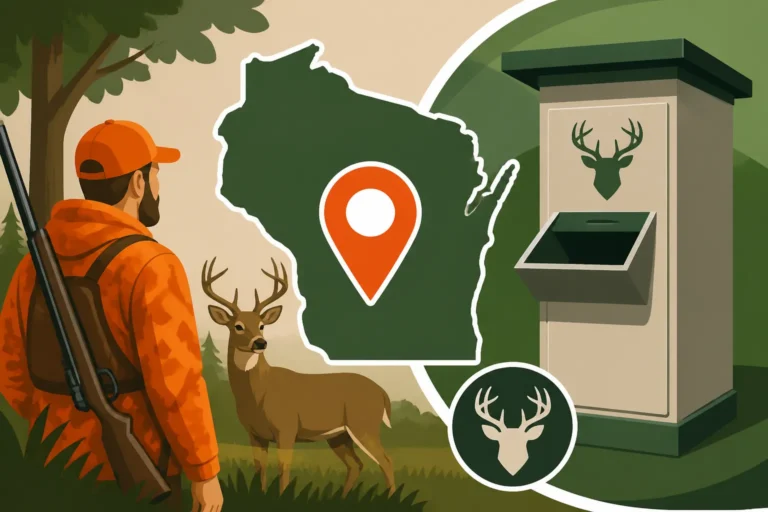
In CWD-affected counties, there are often specific rules about how you can transport a deer carcass out of that county. Generally, only deboned meat, antlers, and certain clean skull parts are allowed to leave CWD-affected counties, to prevent the potential spread of the disease through infected carcass parts. The DNR also often sets up voluntary or sometimes mandatory CWD sampling stations and kiosks, making it easier for hunters to have their harvested deer tested. While these regulations can feel like an inconvenience, they are vital for managing the disease and protecting the overall health of Wisconsin's deer herd. Staying informed about the latest CWD updates and regulations is non-negotiable for any responsible Wisconsin hunter. For specifics on testing locations and procedures, refer to Wisconsin CWD Sampling and Test Sites. Understanding the rules for transporting your harvest is equally critical, and you can find comprehensive details in Wisconsin Carcass Transport Rules. It's always a good idea to cross-reference with GoHunt or the official DNR site for the most current maps of CWD-affected areas.
Planning Your Hunt: Resources and Practical Advice
Successfully navigating Wisconsin's deer seasons and zones isn't just about knowing the dates; it's about being prepared, utilizing available resources, and staying current with evolving regulations. The state offers numerous tools to help hunters, and embracing these can make all the difference in your hunting success and enjoyment.
Utilizing the Go Wild System and DNR Resources
The Wisconsin Department of Natural Resources (DNR) has centralized many of its licensing and permitting functions through the "Go Wild" system. This online platform is your primary portal for purchasing hunting licenses, applying for special permits (like bear or turkey), and securing bonus antlerless tags. It's a relatively user-friendly system, but it pays to familiarize yourself with its interface before critical application or sales deadlines. You can also view your license history, preference points, and various authorizations. The Go Wild platform is an essential piece of the puzzle for every Wisconsin hunter. More information on this system can be found at The Wisconsin Go Wild Licence System.
Beyond Go Wild, the DNR's official website is a treasure trove of information. You'll find current regulation pamphlets, season dates, county-specific rules, CWD updates, and links to interactive mapping tools. A particularly invaluable resource is the "Hunt Wild App" for smartphones. This app provides offline mapping capabilities, showing public lands, private land boundaries, hunting zones, and even your real-time location. It's like having a digital scout and rulebook in your pocket, especially useful when cell service is spotty in remote areas. Using this app effectively can literally put you on the right side of a property line and help you navigate unfamiliar territory with confidence, as explored in Scouting With the Wisconsin Hunt Wild App.
Staying Informed: Beyond the Brochure
While the official DNR hunting regulations pamphlet is your authoritative guide, the world of deer management in Wisconsin is dynamic. Regulations can change, CWD zones can expand, and bonus tag availability varies year to year. Relying solely on a printed brochure from months ago might lead to misunderstandings or missed opportunities. It's crucial to develop habits that keep you informed.
Subscribing to DNR email updates or following their social media channels can provide timely alerts about rule changes, CWD sampling efforts, and special hunt opportunities. Attending or reviewing the minutes from County Deer Advisory Council (CDAC) meetings can offer insights into local management discussions and future changes. Additionally, reputable hunting news outlets and platforms often provide excellent summaries and analyses of Wisconsin regulations. Platforms like GoHunt regularly update their digital resources with the latest regulatory changes and mapping, making it easier for you to stay current. Being proactive in your information gathering ensures you're hunting legally, ethically, and with the most up-to-date knowledge, which ultimately leads to a more enjoyable and successful experience.
Here's a quick overview of Wisconsin's main deer seasons:
| Season Type | General Dates | Primary Weapon | Key Characteristics |
|---|---|---|---|
| Archery/Crossbow | Mid-September to Early January (w/ Gun Break) | Vertical Bow, Crossbow | Longest season, adaptable to various deer behaviors. |
| Nine-Day Gun Deer Season | Saturday before Thanksgiving for 9 days | Rifles, Shotguns (Zone-Dependent), Handguns | High hunter density, cultural tradition, fast-paced. |
| Muzzleloader Season | Early December (following Gun Season) | Muzzleloading Rifles | Traditional challenge, often cold/snowy conditions. |
| Holiday Antlerless Hunt | Late December to Early January | Archery, Crossbow, Rifles, Shotguns, Handguns | Targeted antlerless harvest in specific zones, quiet. |
| Youth Deer Hunt | Early October (special weekend) | Any legal weapon (youth/mentor rules) | Mentored hunt for ages 10-15, low pressure. |
Disclaimer
Please remember that hunting regulations, season dates, and zone boundaries can change. While this guide aims to be as accurate and up-to-date as possible, it is your responsibility as a hunter to consult the official Wisconsin Department of Natural Resources (DNR) regulations and publications before heading afield. Always verify specific rules for your chosen hunting area and species.