Shot Placement on a Black Bear
Hunting black bears in Wisconsin is an exhilarating experience, but it comes with a unique set of challenges, especially when it comes to making a clean, ethical shot. Unlike deer, a bear's thick hide, dense muscle, and bone structure can make shot placement tricky, often leading to frustrating blood trails and potentially lost animals. This guide is designed to cut through the confusion and equip you with the knowledge needed to confidently place your shot for a quick, humane harvest.
Understanding Bear Anatomy for Effective Shots
Before you even step into the woods, truly understanding black bear anatomy is paramount. Bears are built incredibly tough, and their vitals are positioned differently than what many deer hunters are accustomed to. A shot that might be lethal on a whitetail could result in a superficial wound on a bear, leaving you with a long, difficult, and often fruitless tracking job. It's not just about hitting the animal; it's about hitting the right spot.
The Critical Vitals: Lungs, Heart, and Liver
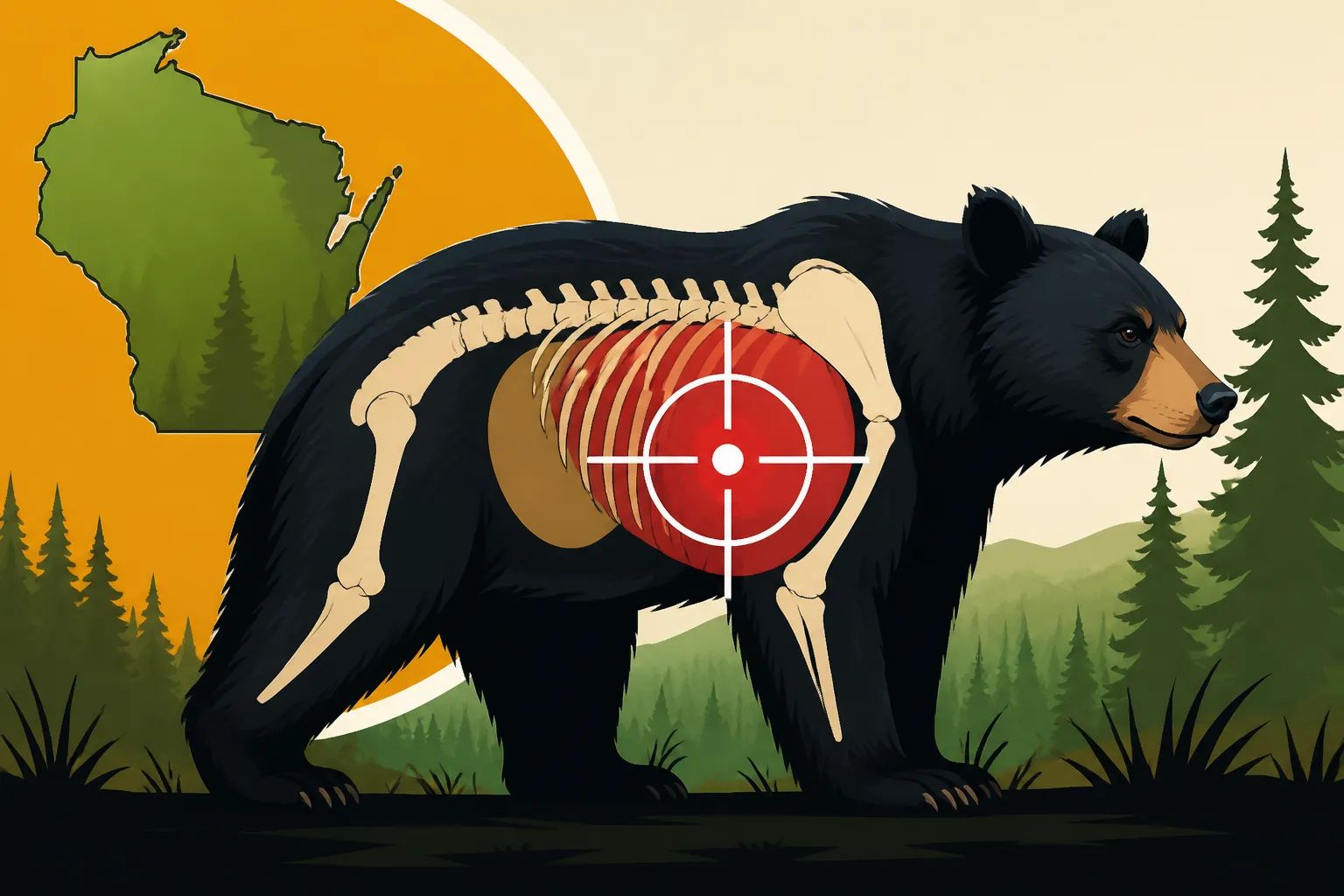
Just like any other big game animal, the goal is to hit the lungs and heart for a quick, ethical kill. On a black bear, these vital organs are situated further forward and lower in the chest cavity than many hunters instinctively think. The lungs are quite large, occupying a significant portion of the upper chest. The heart, though relatively small, sits low in the chest, nestled between the front legs.
When visualizing your shot on a broadside bear, resist the urge to aim directly behind the shoulder as you might for a deer. Instead, imagine a line running vertically up the front leg, about one-third of the way up the body from the bottom of the chest. Then, draw a horizontal line roughly halfway up the body. The intersection of these lines is often a prime target for hitting both lungs and potentially the top of the heart. A shot slightly further back, but still within the chest cavity, will typically catch both lungs. Hitting the liver, while not immediately fatal, will eventually bring the bear down, though it will likely result in a much longer track. The stomach and intestines, often referred to as the paunch, are further back and will result in a gut shot, which is almost always a slow, agonizing death for the animal and a heartbreaking recovery effort for the hunter.
Avoiding the Shoulder Shield and Paunch
One of the most common mistakes hunters make is trying to punch through the bear's formidable shoulder region. A bear's shoulder structure is incredibly dense, comprised of thick muscle, heavy bone, and often a layer of fat. This "shoulder shield" can easily stop or deflect an arrow or bullet, especially if you're not using adequate caliber or broadhead for bear hunting. Even a powerful rifle round can lose significant energy and penetration if it has to fight through heavy bone and muscle before reaching the vitals.
Similarly, aiming too far back puts you squarely into the paunch area. A gut-shot bear is notorious for leaving very little blood trail, traveling long distances, and suffering immensely. It's a situation every hunter dreads. Always aim for the forward portion of the body. If you're unsure about the exact placement, err on the side of aiming slightly forward, rather than too far back. It’s far better to clip a non-vital muscle in the shoulder region (which might be recoverable later) than to gut-shoot an animal that will likely be lost. Many experienced bear hunters recommend drawing a mental line straight up the front leg and shooting just behind it, rather than behind the shoulder blade itself.
Why Shot Angle Matters So Much
The angle at which the bear presents itself to you is perhaps the most crucial factor in determining ethical shot placement. A perfectly broadside shot offers the largest and clearest target to penetrate the vital organs. However, bears rarely cooperate with perfect broadside poses, especially when you're perched in a treestand or waiting silently at a bait site. Understanding how to adjust your aiming point for quartering shots is essential.
When a bear is quartering away from you, meaning its rear is angled slightly towards you, the vitals become more accessible behind the shoulder. This can be a very effective shot if executed correctly, as the projectile travels through less heavy bone and muscle to reach the heart and lungs. However, a quartering-to shot, where the bear's front is angled towards you, is generally considered unethical. This angle presents a very small window to the vitals and a high risk of hitting the shoulder blade or only a single lung, leading to a non-lethal wound. You'll often find resources like GoHunt helpful for studying various shot angles using 3D models of game animals to truly visualize the internal anatomy. Remember, if you don't have a clear, ethical shot, the best shot is always the one you don't take.
Choosing Your Shot and Executing Under Pressure
Bear hunting, particularly in Wisconsin's dense northern forests or over bait, often involves intense moments of adrenaline. When a massive black bear finally steps out, it's easy for rational thought to give way to excitement. This is why having a clear plan for shot selection and execution is critical. You’ve put in the effort for your Wisconsin Bear Preference Points and Zones, waited years for your tag, and diligently set up your Bear Baiting in Wisconsin site, so don't let the moment of truth slip away.
Broadside: The Ideal Scenario
A true broadside shot is the gold standard for black bears. When the bear is standing perfectly perpendicular to you, both lungs and the heart are clearly exposed behind the shoulder.
For a broadside shot, aim about one-third of the way up from the bottom of the chest, directly in line with the bear's front leg, a few inches behind it. This target area maximizes your chances of hitting both lungs and possibly the heart. Imagine a vertical line running up the crease of the front leg and shoot just behind it. This helps ensure your projectile avoids the heavy bone and muscle of the shoulder, instead passing through ribs and directly into the vitals. The entrance wound will be relatively low on the body, which is exactly where you want it. This type of shot usually leads to a quick bleed-out and a short, manageable Tracking a Deer in Wisconsin Snow or even a bear in the leaf litter.
Quartering Away: A Calculated Risk
A quartering-away shot can be highly effective, sometimes even more so than a broadside shot, as it often provides a clearer path to the vitals by skirting the heavy shoulder bone. If the bear is angled slightly away from you, with its tail end closer to your position, aim for the opposite front shoulder. Visualize the projectile exiting the far shoulder. This trajectory will typically angle through the vitals, ensuring both lungs and potentially the heart are damaged.
However, this shot requires a keen understanding of angles and projectile path. If the bear is quartering too severely, the shot can quickly become unethical, risking a single-lung hit or worse, a paunch shot. It’s also crucial to consider what might be behind the bear; a quartering shot means your projectile will travel further inside the animal, potentially exiting on the far side. Ensure you have a clear understanding of the bear’s internal anatomy and your projectile's capabilities. Remember, when you're Hunting Bear Without Bait or Dogs, quartering shots might be your primary opportunity, making mental preparation all the more important.
Ethical Considerations and When to Pass
The most challenging part of hunting can be knowing when not to shoot. If a bear is facing you head-on, directly quartering-to, or presenting only a rear-end shot, it is almost always an unethical shot to take. These angles offer minimal target areas for vitals and a very high probability of wounding the animal. No amount of adrenaline is worth compromising the ethical harvest of an animal.
If a bear appears, but the shot isn't ideal – maybe it's too far, obscured by brush, or at a bad angle – pass on it. Wait for a better opportunity. Bear hunting in Wisconsin, especially given the effort to draw a tag and the limited number of How Many Black Bears Wisconsin Has, is a privilege. Losing an animal due to a rushed, unethical shot is a terrible outcome for everyone involved, especially the bear. Trust your gut. If it doesn't feel right, don't take the shot. Even when you're focused on Bear Hunting With Bait and Dogs in Wisconsin, patience remains your most powerful tool.
Tracking and Recovery After the Shot
After the shot, the work isn't over. In fact, it's just beginning. Bears are incredibly tough animals and can cover significant ground even with a lethal shot. A well-placed shot is only part of the equation; successful recovery is the ultimate goal. Knowing what to do in the immediate aftermath and how to systematically track is crucial, particularly if you’re hunting in the dense Wisconsin's Northern Forest for Deer areas where bears also roam.
Immediate Reaction and Waiting Period
Immediately after taking the shot, pay close attention to the bear's reaction. Did it bolt? Did it show any sign of being hit, such as a "death moan" or a stumble? Note the exact location where the bear was standing and the direction it fled. If possible, pick out a tree or landmark in that direction. These details are vital for starting your track.
Once the shot is taken, resist the urge to immediately pursue. If you believe you made a solid hit, give the bear time. For a suspected heart or double-lung shot, waiting at least 30 minutes to an hour is often recommended. If you suspect a liver shot, which is still lethal but slower, extend that wait to 3-4 hours, or even longer if it's getting dark, waiting until morning. For a gut shot, the wait should be 6-8 hours, preferably overnight, as pushing a gut-shot bear will almost guarantee you lose it. It's tough, but patience here is your greatest ally in preventing a lost animal. During this time, you can quietly review the shot in your mind, re-familiarize yourself with the terrain, and prepare your tracking gear.
Interpreting Blood Trails and Bear Sign
Tracking a bear can be more challenging than tracking a deer. Bear fat and dense hair can often "plug" entry wounds, leading to surprisingly sparse blood trails, even with lethal hits. What little blood you find might be black and tarry, especially with lung shots. Look for more than just blood:
- Hair: Short, stiff guard hairs indicate an entry wound.
- Scat: Fresh scat might contain blood or gut contents.
- Track Impressions: Heavy bears leave clear tracks; look for stumbles or a change in gait.
- Beds: Bears, especially wounded ones, will often bed down in thick cover.
If the blood trail is sparse, or if you lose it, it's time to slow down and meticulously grid-search the area. Mark your last known blood sign. Expand your search in concentric circles or zig-zag patterns from that point. Recruit extra help if available; fresh eyes can spot what you've missed. A mapping app like GoHunt can be invaluable here, allowing you to mark blood spots, tracks, and the last known location, creating a visual breadcrumb trail that helps prevent getting lost or losing your search pattern. Don't be afraid to get on your hands and knees to find tiny specks of blood or disturbed leaves. If you're tracking Blood Trailing After Dark in Wisconsin, make sure you have powerful headlamps.
The Importance of a Recovery Plan
Before you even head into the field, have a recovery plan. This includes having the right gear: a good tracking light, a sharp knife, game bags, and enough manpower to help drag out a potentially large animal. Knowing how you're going to extract the bear is just as important as the shot itself. Bears, especially large ones, are incredibly heavy and can be difficult to move, particularly in rugged terrain.
Consider the location where you might kill a bear. Is it easily accessible by ATV or vehicle? Will you need to quarter it out in the field? If so, ensure you have the necessary tools and knowledge for Handling a Bear After the Shot and field dressing. If hunting solo, consider how you’ll manage the animal. If you anticipate a difficult recovery, ensure you have a way to contact friends or family for help. Remember, your responsibility to the animal extends beyond the shot; it encompasses a respectful and efficient recovery.
| Shot Angle | Optimal Aim Point (Broadside) | Primary Vitals Hit | Typical Blood Trail | Recovery Effort |
|---|---|---|---|---|
| Broadside | One-third up from chest bottom, just behind front leg crease. | Double lung, often heart. | Good | Short to Moderate |
| Quartering Away | Aim for opposite front shoulder. | Double lung, often heart. | Good to Moderate | Moderate |
| Quartering To | Avoid – Low chance of ethical kill, high risk of wounding. | Single lung, shoulder, non-vital tissue. | Sparse to None | High, likely unsuccessful |
| Head-on | Avoid – Very high risk of wounding, small target. | Minimal vitals exposed. | Sparse to None | High, likely unsuccessful |
| Rear End | Avoid – Highly unethical, high risk of wounding. | Gut, hindquarter. | Sparse to None | High, likely unsuccessful |
Disclaimer
The information provided in this guide is for educational and informational purposes only and is not a substitute for professional hunting instruction, local regulations, or personal judgment. Always consult the most current Wisconsin Department of Natural Resources (DNR) hunting regulations and exercise extreme caution and ethical judgment while hunting. Hunting involves inherent risks, and safety should always be your top priority.