Running Bear Hounds in Northern Wisconsin
There's nothing quite like the sound of a well-trained pack of hounds hitting a fresh bear track in the vastness of northern Wisconsin. It's an experience that ignites the soul, a true test of grit, strategy, and the incredible bond between hunter and dog. For those who feel the pull of this ancient tradition, it’s far more than just hunting; it's a way of life that demands dedication, patience, and a deep respect for the chase. This guide will walk you through the exciting world of running bear hounds in Wisconsin, offering insights into the preparation, the chase, and the unique challenges you'll face.
The Unique Thrill of Running Bear Hounds
Hound hunting for bear is an experience steeped in tradition and adrenaline. It’s a method that requires immense dedication, not just during the season but year-round, conditioning dogs and scouting territory. The northern forests of Wisconsin, with their dense timber, sprawling swamps, and rugged terrain, provide the perfect backdrop for this demanding yet rewarding pursuit.
A Test of Endurance for Hunters and Hounds
Imagine yourself deep in the Chequamegon-Nicolet National Forest, the air crisp with the scent of pine and damp earth. You've released your hounds on a hot track, and their baying echoes through the trees, a symphony that speaks of pursuit and determination. This isn't a passive hunt; it's a foot race, a mental game, and a strategic chess match all rolled into one. You'll be traversing miles of challenging terrain, navigating thick brush, crossing streams, and climbing hills, all while listening intently to the ever-changing cadence of your hounds. The dogs themselves are athletes, bred and trained for stamina and an unwavering drive to follow a scent trail, often for hours on end. Their conditioning, just like yours, is paramount. Without it, the chase can quickly turn from exhilarating to exhausting, for both man and beast. It’s about being prepared for anything the wild throws at you, and knowing your team, both two-legged and four-legged, is up to the task.
The Deep Bond Between Hunter and Dog
One of the most profound aspects of hound hunting is the unparalleled bond forged between a hunter and their dogs. These aren't just pets; they are partners, colleagues in a shared passion. You spend countless hours with them, not only in the field but also in training, feeding, and caring for them. You learn to read their barks – the excited chop of a fresh track, the steady bawl of a warm trail, the distinct treed bark that sends a jolt of anticipation through your entire being. This communication is subtle yet profound, built on trust and mutual respect. When a hound excels, when they follow a difficult track to a successful conclusion, it’s a moment of immense pride for the hunter, knowing that their dedication to training has paid off. It’s a partnership where each relies on the other, creating memories and stories that last a lifetime. The joy you feel when your lead dog, perhaps a seasoned veteran named "Tracker" or a young, eager "Bella," finally barks "treed" is indescribable, a culmination of shared effort and unwavering commitment.
Navigating Wisconsin's Bear Hound Regulations and Seasons
Wisconsin has a well-structured bear hunting season, but it comes with specific regulations, especially for those utilizing hounds. Understanding these rules is absolutely non-negotiable for a legal and ethical hunt. There are specific zones, permit requirements, and dates that dictate when and where you can pursue bear with your canine companions.
Understanding Bear Season Dates and Zones
Wisconsin's bear hunting season is divided into several zones, each with its own quota and season dates, which often vary based on whether hunters are using dogs, bait, or both. Generally, the northern zones (Zones A, B, and D) are where most hound hunting takes place, as these areas hold the highest densities of black bears. The season for hound hunters typically kicks off earlier than bait-only or still-hunting seasons, often in early September, and runs for a specific period, usually a few weeks. It's crucial to consult the Wisconsin Department of Natural Resources (DNR) "Wisconsin Bear Season Dates by Method" every year, as these dates can shift slightly. You can find up-to-date information on the DNR website or through their publications. Knowing your zone and its specific dates is the first step in planning your hunt. Missing these details can quickly turn a legal hunt into a serious violation, something no ethical hunter ever wants.
Permit System and Bear Preference Points
Hunting bear in Wisconsin is a highly coveted privilege, and as such, it operates on a preference point system. Hunters apply for a bear license, and if they are unsuccessful in drawing a tag, they receive a preference point. These points accumulate over the years, increasing your odds of drawing a tag in subsequent seasons. It's not uncommon for hunters, especially those aiming for prime hound hunting zones, to accumulate ten or more points before finally drawing a tag. This long wait underscores the demand and the value placed on a Wisconsin bear tag. Once you do draw, you’ll be assigned to one of the six Wisconsin bear zones. It's important to remember that not all zones allow dog hunting, so make sure the zone you apply for, and eventually draw, is one of the designated areas that allows bear hunting with dogs, such as most of the northern zones. This careful planning is critical, as a tag in a "still-hunt only" zone won't do you any good if you've invested years into training your hounds. More information on this system can be found in resources like "Wisconsin Bear Preference Points and Zones" to help you plan your application strategy.
Rules for Following a Bear Race
When running hounds, following the race is an integral part of the experience, but it also comes with rules. The use of GPS collars and radios has revolutionized how hunters track their dogs, allowing them to stay informed of the chase's progress and the dogs' location in real-time. Wisconsin law allows for the use of these technologies, and it's practically essential for effective hound hunting. Imagine a scenario: your dogs take off on a fresh track, moving quickly across a logging road and into a dense swamp. With GPS collars, you and your team can monitor their movement, understand their speed, and even predict where they might tree the bear. This allows for strategic planning of "Following a Bear Race by Truck and GPS", coordinating vehicle movements to cut off the bear or position hunters closer to the potential treeing location. However, be aware of rules regarding vehicle access on public lands, especially in the Chequamegon-Nicolet, and always respect private property boundaries. It's also important to note that while you can follow the dogs, direct harassment or driving of a bear with a vehicle is illegal. The spirit of the hunt is the chase by the hounds, not by human intervention beyond tracking and strategic positioning.
Essential Gear and Dog Training for Successful Bear Chases
A successful bear hound hunt is a symphony of preparation, training, and the right equipment. It's not just about showing up with a few dogs; it's about years of dedication to developing a top-tier pack and equipping yourself for the rigors of the northern Wisconsin wilderness.
Developing a Well-Trained Pack of Hounds
The cornerstone of any successful hound hunting operation is the dogs themselves. Breeding, genetics, and consistent training are paramount. You’re looking for hounds with a strong nose, relentless drive, excellent stamina, and a good "tree mind" – the instinct to stay with a treed bear. Popular breeds for bear hunting often include Plott Hounds, Walkers, or a mix of various hound breeds, each bringing unique strengths to the pack. Training starts young, with puppies learning basic obedience and tracking skills on smaller game like coons, gradually progressing to bear. This involves controlled training scenarios, where young dogs learn to track a bear scent, work together as a pack, and eventually, to tree a bear confidently and safely. Consistency is key; these dogs are athletes and their skills need constant sharpening. Many successful hounders participate in organized "training chases" during the off-season, which are critical for conditioning and skill development. These are specific events where dogs can chase bear, under strict regulations, to hone their abilities without a harvest being the primary goal. It's a significant time investment, but it's what transforms a collection of dogs into a cohesive, effective hunting unit.
Critical Gear for Hound Hunters
Beyond the dogs, the right gear is crucial for both safety and success. For the hunter, this means durable, weather-appropriate clothing suitable for dense brush and variable northern Wisconsin weather – think layers, waterproof outerwear, and sturdy boots. Communication devices are vital; reliable two-way radios are a must for coordinating with your chase team, especially in areas with spotty cell service. A high-quality GPS unit, or a reliable hunting app like GoHunt on your smartphone, is essential for navigation, marking tracks, and locating your dogs. When you're deep in the forest, perhaps miles from the nearest road, knowing your precise location and how to get back to your vehicle is not just convenient, it's a lifesaver.
For the dogs, "GPS Collars and Wisconsin Bear Hounds" are indispensable. These collars allow you to track each dog’s exact location, speed, and whether they are "treed" or still "running." A good quality system, like those offered by Garmin Alpha or SportDOG Tek series, provides real-time updates and peace of mind. Protective vests, often made from ballistic nylon or similar puncture-resistant materials, are highly recommended to protect your hounds from sharp branches, rocks, and the potential defensive actions of a cornered bear. A robust first-aid kit, equipped for both humans and dogs, should always be part of your pack. Quick access to bandages, antiseptic, and pain relief can make all the difference in an emergency far from help. Don’t forget plenty of water for both yourself and your dogs, as long chases can quickly lead to dehydration.
| Item | Purpose | Key Features | Considerations |
|---|---|---|---|
| GPS Collars & Handheld | Dog tracking & retrieval | Real-time location, treed alerts, long battery life, durable, waterproof | Essential for safety and coordination. Invest in a reliable system. |
| Two-Way Radios | Team communication | Long range, clear signal, durable, hands-free options | Vital in areas without cell service; allows continuous team communication. |
| Protective Dog Vests | Injury prevention for dogs | Puncture-resistant material, visibility, comfortable fit | Protects against brush, rocks, and potential bear contact. |
| First-Aid Kits (Human & Dog) | Emergency medical care | Bandages, antiseptic, pain relief, splints, tourniquets | Accidents happen. Be prepared for common injuries. |
| Durable Boots & Layered Clothing | Hunter comfort & protection | Waterproof, ankle support, brush-resistant, breathable layers | Northern Wisconsin terrain and weather demand robust attire. |
| GoHunt App/GPS Unit | Navigation & mapping | Topographic maps, property lines, waypoints, offline capability | Helps navigate unfamiliar terrain, mark locations, and plan routes. |
| Water & Hydration System | Hydration for all | Ample water bottles, hydration bladder, collapsible dog bowls | Long chases in warm weather can quickly dehydrate hunters and dogs. |
| Headlamp | Low-light navigation | Bright beam, long battery life, red light option | For early morning starts or late evening walks out. |
The Art of the Chase: Tracking and Trailing Northern Bears
The actual pursuit of a bear with hounds is a dynamic and exhilarating experience, a blend of strategy, instinct, and raw determination. It's where all the training and preparation culminate in the ultimate test.
Locating Fresh Sign and Starting the Track
The hunt often begins before the dogs are even out of the truck. Successful hounders spend significant time scouting, looking for fresh bear sign, especially around feeding areas, clear-cuts, or transition zones. This includes finding fresh tracks in the mud, scat, flipped rocks, or torn-up logs where bears have been foraging. Sometimes, hunters will drive forest roads at dawn, looking for a fresh track crossing the road. Once a promising track is found, the lead dog, or often an experienced "strike dog," is released to confirm the scent. These dogs are trained to identify fresh bear scent and will "strike" with a distinct bark when they've locked onto a trail. This initial phase is critical; a cold track can lead to a long, unproductive chase, or worse, put your dogs on the scent of another animal. A good strike dog, sometimes called a "walking dog," can quickly verify if the track is fresh enough to warrant releasing the entire pack. In regions like the Black River State Forest or the vast tracts of the Northern Highland-American Legion Forest, knowing where bears prefer to move and feed can give you a significant advantage in finding that initial fresh sign.
The Excitement and Strategy of the Chase
Once the pack is released, the real chase begins. The sounds of the hounds become your compass. You listen intently to their baying, interpreting the pace and intensity. A fast, excited bark usually means a hot track and a bear that's moving, while a slower, more deliberate bawl might indicate the bear is meandering or trying to throw the dogs off. Using your GPS, you monitor the dogs' movement on the topographic map, looking for patterns. Are they heading towards a known swamp? Is the bear trying to circle back? This information helps you and your team strategize. You might decide to drive ahead to a potential crossing point or to station a hunter on a ridge to intercept if the bear is circling. Coordinating with your team via radio is paramount during this phase, relaying information about dog locations, bear direction, and potential roadblocks. A critical aspect of the chase in northern Wisconsin is understanding the terrain. Bears will often try to lose dogs in dense cedar swamps, over rocky ridges, or by crossing water. Your dogs need to be able to navigate these challenges, and you need to be ready to follow as best you can, always keeping an eye on their stamina and safety.
The Moment of Truth: Treeing the Bear
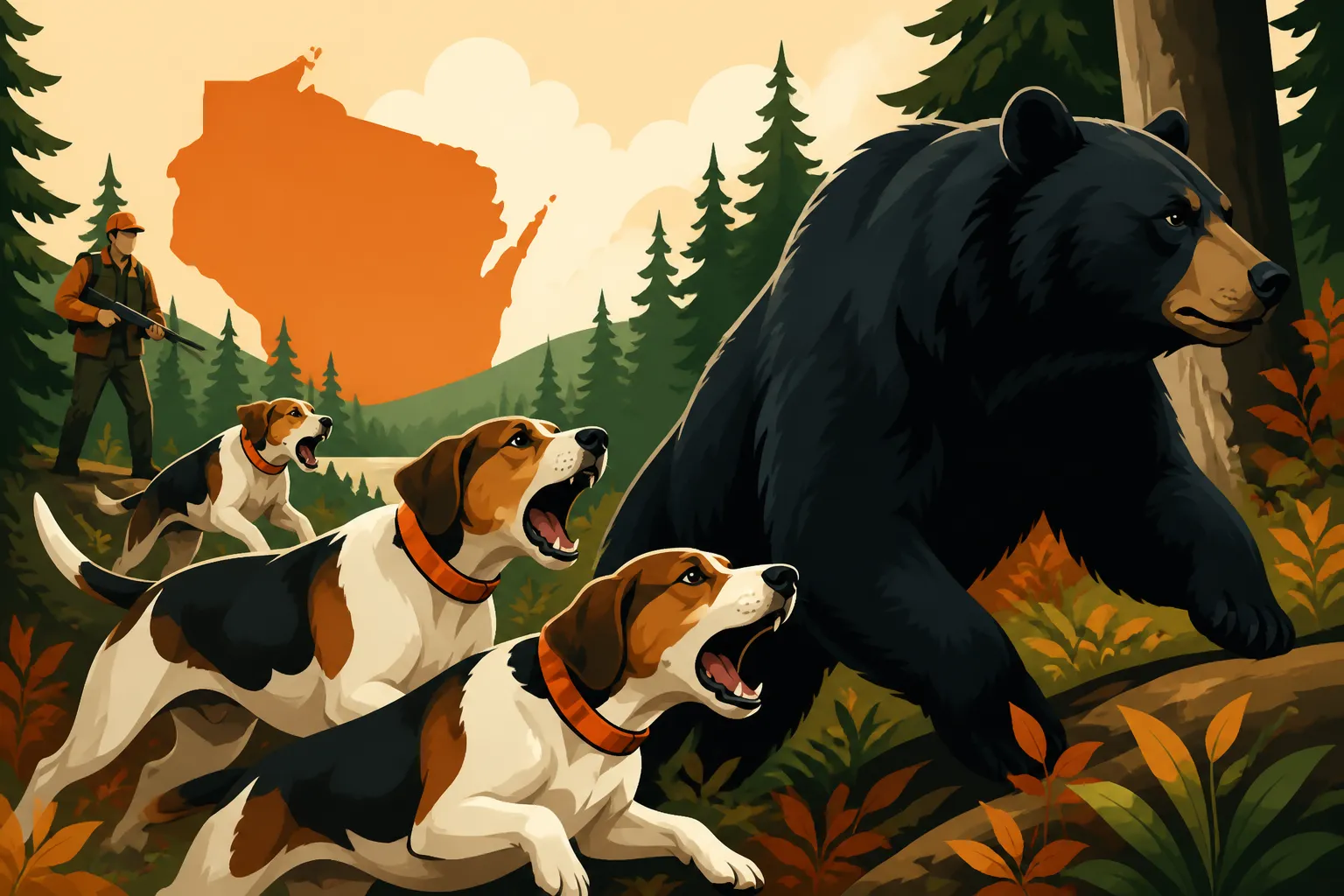
The ultimate goal of a hound chase is for the dogs to "tree" the bear, forcing it up a tree where it feels safe from the barking pack below. When this happens, the dogs' barks change dramatically – from a running bawl to a distinct, rhythmic "treed" bark. This sound is music to a hound hunter's ears, signaling the culmination of the chase. Once the dogs have a bear treed, the immediate priority is to get to them. This often involves a brisk hike, sometimes several miles, through challenging terrain. As you approach, you’ll confirm it's a legal bear (checking for sows with cubs, or if it meets minimum size requirements if applicable). This is where the hunter makes the decision to harvest or to release the bear. Many hound hunters cherish the chase itself as much as, or more than, the harvest. They might choose to simply admire the bear in the tree, take some photos, praise their dogs, and then pull the hounds off for another day. If a harvest decision is made, it must be done quickly and ethically, ensuring a clean shot and respecting the animal. Then comes the challenging work of getting the bear out of the northern woods, often requiring teamwork and considerable effort.
Safety and Ethics in the Northern Wisconsin Woods
Bear hound hunting, while exhilarating, carries significant responsibilities. Safety for both hunters and dogs, along with a steadfast commitment to ethical practices, must always be at the forefront.
Prioritizing Hunter and Dog Safety
The northern Wisconsin wilderness is beautiful but can be unforgiving. Hunter safety begins with proper attire, including blaze orange or pink during the gun deer season overlap, even if you are not deer hunting. Carrying a fully charged phone, a reliable map (digital or paper), and a compass are basic necessities. Always inform someone of your hunting plans and expected return time. For the dogs, heatstroke is a real danger, especially during the early season in September when temperatures can still be quite warm. Constantly monitor your dogs for signs of overheating – excessive panting, lethargy, or stumbling. Carry enough water for them, and don't push them too hard. Encounters with other wildlife, such as wolves or coyotes, are also a possibility, though less common. While wolves in Wisconsin generally avoid humans and dogs, it’s always wise to be aware of their presence, especially in prime wolf country like portions of Douglas or Bayfield counties. Carry a first-aid kit that is comprehensive enough for serious cuts, sprains, or punctures that might occur on the trail, for both humans and dogs. Remember, you are often miles from immediate medical help.
Ethical Considerations and Respect for Wildlife
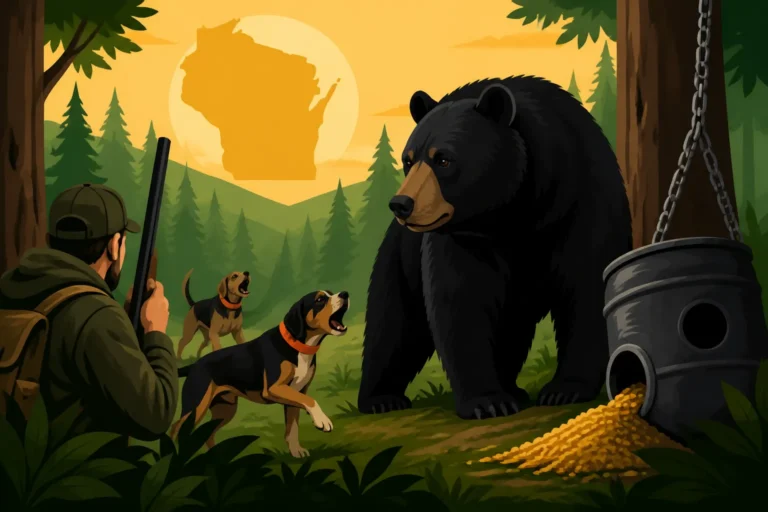
Ethical hunting goes far beyond simply following the law; it's about upholding the integrity of the sport and showing profound respect for the game and the land. For hound hunters, this includes ensuring dogs are well-trained and controlled, preventing them from harassing livestock or non-target wildlife. When a bear is treed, assess the situation calmly. Is it a sow with cubs? Most ethical hunters will pass on a sow with cubs, letting them go to ensure the population continues to thrive. Is the bear stressed or injured? Your decision to harvest or release should be made thoughtfully, always prioritizing a humane outcome. The practice of "Baiting Bears in Wisconsin" is often used in conjunction with hound hunting to hold bears in an area and create opportunities for dogs to strike a fresh track. If you do utilize bait, ensure you adhere strictly to all baiting regulations, including dates, quantities, and types of bait allowed, which are often different for training versus hunting. Public perception of hound hunting can sometimes be negative, so it's vital for all participants to act as ambassadors for the sport, demonstrating responsible and ethical conduct at all times. This includes respectful interactions with other outdoor enthusiasts you might encounter on public lands, such as hikers or birdwatchers.
Common Challenges and Celebrating Success
Bear hound hunting in northern Wisconsin is undeniably challenging, but overcoming those hurdles and sharing the camaraderie of the chase is what makes the successes so incredibly rewarding.
Overcoming Obstacles in the Field
The Wisconsin wilderness is notorious for throwing curveballs at hunters. The weather can change in an instant, from a warm, sunny September morning to a torrential downpour or an unseasonably cold snap. Dense undergrowth, like alder thickets and tag alders in swamps, can be almost impenetrable, making it tough for both dogs and hunters to navigate. Steep, rocky terrain in areas bordering the Driftless region or even some parts of the Chequamegon can quickly drain energy. Losing a dog, even with GPS collars, can be a heart-stopping experience. Batteries die, collars fail, or a dog might simply wander out of range. This is where having a well-rehearsed recovery plan, including backup communication, extra batteries, and a determined team, comes into play. It's a humbling pursuit, and you'll inevitably face days where the bear outsmarts the dogs, or the weather turns against you, or a chase simply goes cold. These challenges build character, hone skills, and make the successful hunts all the more meaningful. Patience and persistence are not just virtues here; they are necessities.
The Camaraderie and Joy of a Shared Hunt
Despite the challenges, hound hunting is often a profoundly social activity, fostering incredible camaraderie among hunting partners. It's a team sport, requiring coordination, trust, and shared effort. You'll spend hours together in the truck, glassing roads, listening to radios, sharing stories, and troubleshooting problems. When a bear is finally treed, the celebration isn't just for the individual who pulled the trigger; it's a collective triumph for the entire team, including the dogs. The post-hunt debrief, recounting the chase, praising the dogs' efforts, and sharing the meat, creates lasting memories and strengthens bonds. These are the moments that truly define the lifestyle of a bear hound hunter – the shared laughter, the quiet moments of reflection, and the deep satisfaction of working together to achieve a demanding goal. This shared experience is why many continue to pursue "Bear Hunting With Bait and Dogs in Wisconsin" year after year, patiently accumulating points, training their dogs, and dreaming of that next exhilarating chase through the northern woods.
Disclaimer
Please remember that hunting regulations, seasons, and licensing requirements can change. Always consult the most current Wisconsin Department of Natural Resources (DNR) official publications and website before planning any hunting trip. This guide is for informational purposes only and should not be considered legal advice.