Waders for Wisconsin Marsh Hunting
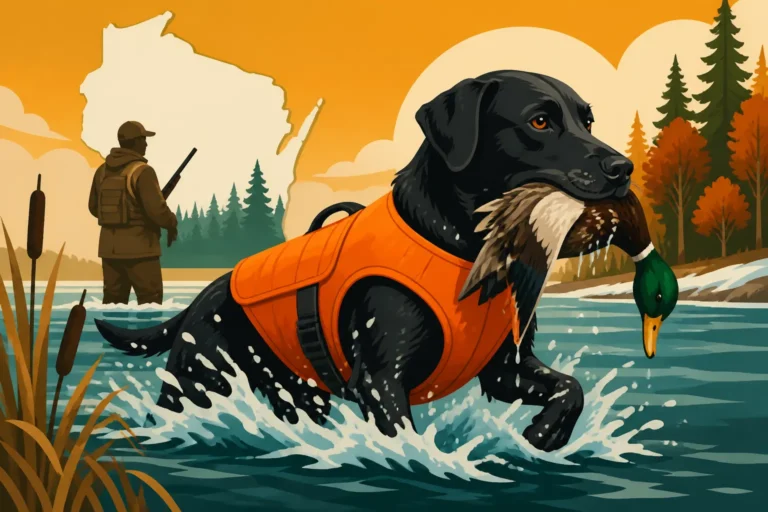
There’s nothing quite like the raw, invigorating chill of a Wisconsin marsh at dawn, the air heavy with the scent of damp earth and the distant call of waterfowl. But let's be honest, that magic quickly fades if you're shivering, soaked, or sinking in mud because your waders weren't up to the task. This guide is all about helping you navigate the sometimes brutal realities of Wisconsin marsh hunting, ensuring your chosen waders keep you warm, dry, and mobile, so you can focus on the hunt, not your discomfort.
Understanding Wisconsin Marsh Hunting Conditions
Hunting Wisconsin's marshes is an experience unlike any other, demanding specific gear to combat the unique environmental challenges. It's not just about staying dry; it's about enduring variable temperatures, unseen hazards, and often strenuous physical activity.
The Unpredictability of Wisconsin Waters
One day, the marsh might be a placid, ankle-deep expanse. The next, a recent downpour or melting snow could turn it into a murky, chest-deep obstacle course. Wisconsin weather is notoriously fickle, and the water levels in our marshes, sloughs, and river backwaters follow suit. You might start your hunt wading through knee-high cattails only to discover a hidden depression that instantly deepens to your chest. The water temperature can swing wildly too. An early September morning might feel almost balmy, but by late October or November, those waters can drop to near-freezing temperatures, even before ice fully forms. This variability means your waders need to be versatile, capable of handling a range of depths and temperatures, and provide reliable insulation when the mercury plunges. A truly dedicated Wisconsin waterfowler knows that a single wrong step can turn a successful outing into a hypothermic ordeal.
Environmental Challenges
Beyond the water itself, Wisconsin marshes present a gauntlet of physical challenges that can test the integrity of any wader. Think about the thick, often mucky bottom that can suck your boots right off if they don't fit securely. Imagine navigating through dense stands of cattails, where sharp, broken stems lurk just beneath the surface, ready to puncture flimsy material. Submerged logs, old fence posts, beaver dams, and even discarded debris can create hidden obstacles that demand robust, puncture-resistant wader material. And let’s not forget the ice. As the season progresses, thin skim ice can form, becoming razor-sharp edges that can easily slice through less durable fabrics. Your waders aren't just clothes; they're your primary defense against a landscape that actively tries to get you wet, stuck, and cold. Planning your approach and knowing the specific challenges of areas like Hunting Horicon Marsh in October can make a huge difference in how you select your gear.
Types of Waders: A Comparative Look
Choosing the right type of wader is fundamental to comfort and success in the Wisconsin marsh. Each material offers distinct advantages and disadvantages, tailored to different conditions and hunting styles.
Neoprene Waders
Neoprene waders are often the first choice for many hunters venturing into colder Wisconsin waters, and for good reason. They are essentially a wetsuit for your lower body, offering excellent insulation due to the trapped air bubbles within the material. This makes them incredibly warm, a huge advantage when you're standing in frigid water for hours, perhaps waiting for ducks on a brisk November morning or tackling the late season. The material itself is quite durable, providing a decent amount of puncture resistance against reeds, sticks, and general marsh debris.
However, this insulation comes with a trade-off. Neoprene is heavy and doesn't breathe. Walking any significant distance, especially across dry land to reach your spot, can quickly lead to overheating and sweating. Once you sweat, that moisture has nowhere to go, potentially making you feel clammy and eventually colder if you stop moving. The thick, bulky nature of neoprene can also restrict movement, making long strides or climbing over obstacles a bit more cumbersome. For hunters who plan to primarily stand in cold water or make very short walks, neoprene remains a fantastic, dependable choice for Wisconsin Waterfowl Hunting on Marsh and River.
Breathable Waders
Breathable waders have become increasingly popular, especially for early-season hunts or for hunters who prioritize mobility and comfort. Made from advanced materials like Gore-Tex or various proprietary laminates, these waders are designed to let moisture vapor (sweat) escape while preventing water from entering. This means you stay dry from the inside out, drastically reducing that clammy feeling associated with neoprene after a strenuous hike. Their lightweight and flexible nature allows for a much greater range of motion, making it easier to walk longer distances, cross tricky terrain, and generally be more agile in the marsh.
The main consideration with breathable waders is insulation. They offer very little on their own. This isn't necessarily a drawback, but it means you must layer appropriately underneath them. For a cold Wisconsin morning, you might need heavy fleece pants or even insulated bibs under your breathable waders. This layering approach provides incredible versatility: you can adjust your warmth simply by changing your base and mid-layers, making them suitable for everything from a mild September teal hunt to a truly bitter December goose hunt. If you're someone who likes to cover ground, Scouting Wisconsin Public Land Before Season with breathable waders will be a much more comfortable experience.
Rubber and PVC Waders
Rubber and PVC waders represent the more traditional, often more affordable, end of the spectrum. These materials are inherently waterproof and quite durable against punctures and abrasions. They are also relatively low maintenance and easy to clean. For hunters on a budget or those who only venture into the marsh a few times a season for brief periods, these can be a perfectly adequate option.
However, they share some significant downsides, primarily weight and breathability. Rubber and PVC waders are typically the heaviest option, which can make long walks exhausting. They offer absolutely no breathability, so like neoprene, you're likely to get sweaty and clammy inside, leading to discomfort and potential chilling in colder weather. They also tend to be stiffer, limiting mobility compared to breathable options. While they can certainly keep you dry, they might not offer the same level of comfort or versatility for the dedicated Wisconsin waterfowl hunter facing diverse conditions. They are best suited for situations where you anticipate minimal walking and relatively mild conditions, or when absolute budget is the driving factor.
| Wader Type | Primary Benefit | Drawbacks | Ideal Wisconsin Use Case |
|---|---|---|---|
| Neoprene | Excellent insulation | Heavy, non-breathable, bulky | Stationary hunting in cold/freezing water |
| Breathable | Lightweight, breathable | Requires layering for warmth | Active hunting, varying temps, long walks |
| Rubber/PVC | Inexpensive, durable | Very heavy, non-breathable, stiff | Short, infrequent hunts in mild conditions |
Key Features to Prioritize in Wisconsin Waders
When you're out in a Wisconsin marsh, your waders are more than just clothing; they're a vital piece of survival gear. Certain features become non-negotiable for comfort, safety, and hunting effectiveness.
Insulation and Layering Options
Given the dramatic temperature swings we experience in Wisconsin, from mild early fall mornings to biting late-season freezes, insulation is paramount. If you opt for neoprene, you'll find various thicknesses (e.g., 3mm, 5mm) which directly correlate to warmth. A 5mm neoprene wader is a serious piece of cold-weather gear, great for sitting motionless in icy water.
With breathable waders, the game changes entirely. Since the material itself offers minimal insulation, your warmth depends entirely on what you wear underneath. This is where the beauty of layering comes into play. You might start with a thin base layer for moisture-wicking, add a mid-weight fleece pant for warmth, and then perhaps an insulated bib or thicker fleece on truly frigid days. This modular approach allows you to customize your warmth for any scenario, from a balmy September Wisconsin Teal Season Dates to a biting December hunt. Remember, cotton is rotten when wet, so stick to wool or synthetic layers that retain insulating properties even if damp. Platforms like GoHunt often feature articles or gear reviews discussing optimal layering strategies for various hunting conditions, which can be a huge help when planning your setup.
Bootfoot vs. Stockingfoot
This is a critical decision that impacts comfort, traction, and convenience.
-
Bootfoot Waders: These come with attached boots, meaning one less thing to worry about bringing. The advantage is convenience: just pull them on, and you're ready to go. They're also often quicker to get into and out of. However, finding a perfect fit can be tricky. If the boot is too large, your foot will slide around, leading to blisters and poor stability in soft marsh bottoms. If the boot is too small, it's uncomfortable and restricts circulation. The fixed boot also means you're usually limited to a certain level of traction; if the tread wears down, you're stuck with it. For hunters who prioritize speed and simplicity for short walks to the blind, bootfoot waders can be very appealing, especially in areas with consistently deep mud where suction can be a problem. They can save you from losing a boot in the muck.
-
Stockingfoot Waders: These waders have neoprene "socks" at the bottom, designed to be worn with separate wading boots. This setup offers superior fit and versatility. You can choose wading boots specifically for their traction, ankle support, and comfort, ensuring a snug fit that prevents foot-slip and blisters. This is crucial for navigating uneven or rocky marsh edges, or slogging through thick mud for extended periods. When your separate wading boots wear out, you replace only them, not the entire wader. The downside is the added cost of separate boots and the extra step of putting them on. However, for serious marsh hunters who cover a lot of ground or require specific boot features for challenging terrain, stockingfoot waders combined with quality wading boots are often the superior choice. Think about Boots for Wisconsin Swamps and Snow – a good wading boot offers specialized traction that attached boots might not.
Material Durability and Puncture Resistance
Wisconsin marshes are not gentle environments. Sharp cattail stems, submerged branches, barbed wire, and even ice can quickly turn a good day into a wet one if your waders aren't up to snuff. Prioritizing material durability is key. Look for waders with reinforced knees and seat areas, as these are common points of wear and tear from kneeling in a blind or sitting on rough surfaces. Higher denier fabrics generally indicate greater resistance to abrasion and punctures.
Some manufacturers incorporate multiple layers or proprietary coatings to enhance toughness without sacrificing too much flexibility. While no wader is completely puncture-proof, investing in a more robust material upfront can save you countless hours of patching and frustration in the long run. Researching specific material technologies, which you can often find detailed on reputable hunting gear sites like GoHunt, will help you understand the true resilience of a wader before you commit. You don't want to find yourself dealing with a pinhole leak ten minutes into a long trek to hunt Mississippi River Backwater Sloughs.
Pocket and Accessory Management
When you're marsh hunting, you often carry essentials that need to be readily accessible and, crucially, kept dry. Think about your calls, extra shotgun shells, a flashlight, your hunting license, and maybe even your phone. Good waders will feature intelligent pocket design.
- Waterproof Pockets: These are invaluable for protecting electronics and licenses. Look for pockets with robust zippers and storm flaps, or even fully welded seams.
- Handwarmer Pockets: Fleece-lined pockets are a godsend on cold days, giving your hands a quick reprieve from the chill.
- Storage Pockets: Chest pockets for calls, shell loops, or even internal mesh pockets for small items help keep your gear organized and prevent fumbling.
- Accessory Attachment Points: D-rings or other loops can be useful for attaching call lanyards, decoy bags, or other tools.
Consider your personal hunting style and how much gear you need close at hand. A simple, minimalist wader might save weight, but a well-designed pocket system can dramatically improve your efficiency and comfort in the field.
Fit, Comfort, and Mobility in the Marsh
Even the most durable, insulated waders are worthless if they're uncomfortable or impede your movement. In Wisconsin's challenging marsh environments, fit, comfort, and mobility are intertwined with your success and safety.
Sizing and Range of Motion
One of the biggest mistakes hunters make is buying waders that are either too tight or too baggy. Too tight, and you restrict blood flow, accelerate fatigue, and risk tearing seams when bending or crouching. Too baggy, and the excess material can bunch up, rub, and create drag in the water, making it harder to move. Moreover, overly baggy waders will trap cold water against your body, effectively eliminating any insulation.
The key is to find a fit that allows for a full range of motion without being restrictive. You should be able to kneel, squat, and lift your legs comfortably. If you plan to layer heavily underneath (especially with breathable waders), ensure there's enough room for those layers without compressing them, which would compromise their insulating properties. Remember to consider the boot size carefully, especially with bootfoot models, as a poor boot fit is a common cause of discomfort and blisters during a long day of slogging through mud. If you're going to be Hunting Cattail Marsh for Ducks, you need to be able to move fluidly and quietly. Don't be afraid to try on waders with the layers you expect to wear during your hunt.
Boot Traction and Support
The bottom of a Wisconsin marsh is rarely flat or stable. You'll encounter slick clay, loose muck, submerged roots, and potentially hidden rocks or debris. Excellent boot traction is non-negotiable for safety and efficiency. Lugged rubber soles are common, but look for aggressive, multi-directional tread patterns that shed mud and grip well on various surfaces. Felt soles, while popular with anglers, are generally not ideal for muddy, soft-bottomed marshes as they can become clogged and offer poor grip.
Beyond traction, ankle support is crucial. Wading through thick mud can put immense strain on your ankles. A good wading boot (for stockingfoot waders) or a well-designed integrated boot (for bootfoot waders) will provide firm ankle support, reducing the risk of twists or sprains, especially when carrying heavy gear or navigating in low light. This is particularly important when you're traversing uneven ground to reach your blind or wading across a current. Consider that you might be Hunting a Funnel Between Two Swamps where the ground could be extremely unpredictable.
Ergonomics for Long Hauls
Marsh hunting often involves significant effort, whether it's a long walk to your spot, retrieving downed birds, or deploying decoys. The ergonomic design of your waders can significantly impact your fatigue levels.
- Suspender Design: Wide, adjustable suspenders that distribute weight comfortably across your shoulders are key. Neoprene or padded straps can prevent digging in, especially when your waders are loaded with gear or full of mud. Some waders feature a back-shoulder yoke design that prevents straps from slipping.
- Weight Distribution: Lighter waders are inherently less fatiguing for long hauls. If you opt for heavier neoprene, ensure the overall design balances the weight well.
- Flexibility and Articulation: Waders that offer articulated knees or a more flexible cut around the hips will move with you rather than against you. This reduces resistance and conserves energy, making it easier to cover ground without feeling like you're fighting your gear. This can be especially important if you're undertaking a strenuous activity like Deer Drives With Three or Four Hunters in shallow water or sloughs.
Investing in waders that are not only durable and warm but also comfortable and easy to move in will pay dividends in the field, allowing you to stay out longer and focus more on the hunt.
Care and Maintenance for Longevity
Waders are an investment, and like any critical piece of hunting gear, proper care can significantly extend their lifespan and ensure they perform when you need them most. Neglecting your waders can lead to premature leaks, unpleasant odors, and material degradation.
Cleaning and Drying Procedures
After every single trip to the marsh, your waders need attention. This is especially true for Wisconsin Waterfowl Seasons and Zones, where cold, damp conditions can foster mildew.
- Rinse Thoroughly: As soon as you can, hose down your waders, both inside and out. Pay close attention to the boots, removing all mud, grit, and vegetation. Small particles can cause abrasion and wear spots over time.
- Inspect for Damage: While rinsing, carefully check for any visible snags, cuts, or small holes. Addressing these early can prevent them from becoming larger, more problematic leaks.
- Dry Completely: This is perhaps the most crucial step. Hang your waders upside down first to allow the interior to dry, especially the boot area. Then, turn them right-side out to ensure the exterior dries completely. Use a hanger that won't distort the shoulder straps. Never store wet waders; this is a surefire way to encourage mold, mildew, and unpleasant odors, which can also degrade the material. Avoid direct sunlight or excessive heat for drying, as this can damage the material, especially neoprene. A cool, well-ventilated area is ideal.
Repairing Leaks and Tears
Even the most robust waders can eventually develop a leak. Knowing how to perform basic repairs can save a hunt and extend the life of your gear.
- Locating the Leak: For stockingfoot waders, turn them inside out and spray the suspect area with rubbing alcohol; the leak will appear as a dark spot. For bootfoot or larger tears, fill the waders with water (being careful not to overfill or strain seams) and look for drips, or spray soapy water on the outside and look for bubbles.
- Patching Small Holes: Most waders come with a small repair kit, or you can buy one. For breathable waders, a simple fabric patch with waterproof adhesive (like AquaSeal) works well. For neoprene, a neoprene cement or patch kit is required. Ensure the area is clean and dry before applying the patch according to the product instructions.
- Addressing Larger Tears: For bigger rips or seam failures, a professional repair might be necessary, or it could be time to consider new waders. However, a larger patch carefully applied can sometimes buy you more time. Always test your repairs before heading back into the marsh. Carrying a small, basic field repair kit, perhaps some tenacious tape or a tube of fast-drying sealant, can be a lifesaver if you spring a leak miles from your truck.
Proper Storage Techniques
Once your waders are clean and completely dry, how you store them makes a difference.
- Hang, Don't Fold: While tempting to fold them up for space, folding can create creases that weaken the material over time, especially in breathable laminates. It's best to hang them in a cool, dry place, away from direct sunlight and extreme temperature fluctuations. A wide-shouldered hanger or specialized wader hanger is ideal.
- Pest Protection: Store them in an area where mice, insects, or other pests won't chew on them. A breathable garment bag can offer an extra layer of protection.
- Avoid Compression: Don't stack heavy items on top of your waders. Compression can damage the insulating properties of neoprene and crease breathable fabrics.
By following these simple care and maintenance steps, your waders will remain a reliable companion for countless seasons of Hunting Horicon Marsh Waterfowl and beyond, keeping you dry and comfortable when it matters most.
Disclaimer
This article is for general informational purposes only and does not constitute professional advice. Laws, prices and regulations vary by location and change over time. Consult a qualified professional for guidance on your specific situation.