Taylor County Public Land Access
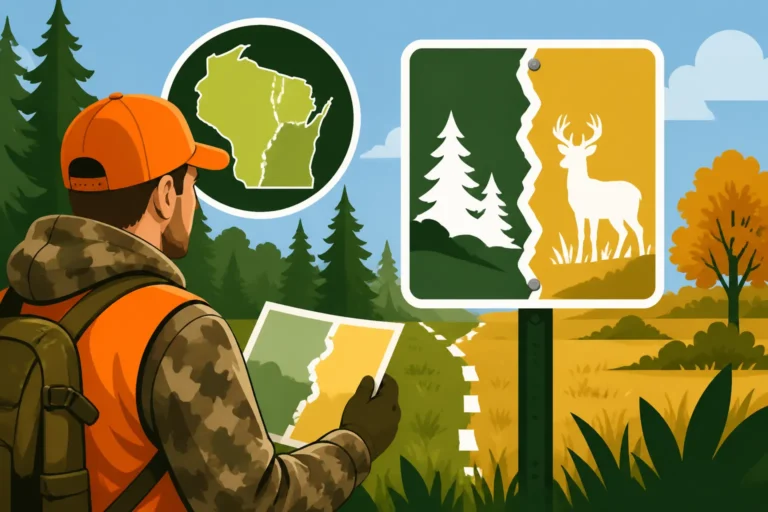
Trying to figure out exactly where you can legally hang a stand or walk for pheasants in a specific corner of Wisconsin can feel like deciphering an ancient map with half the key missing. It’s frustrating to drive all that way only to find out the promising timber is private, or you're unsure about the specific rules for public access. This guide is here to shed light on hunting Taylor County's extensive public lands, detailing the specific types of access available, how to locate it, and strategies to make your hunting trips successful and worry-free.
Understanding Taylor County's Public Land Landscape
Taylor County, nestled in the north-central part of Wisconsin, might not always grab the headlines like some of the bigger, more renowned hunting destinations, but it offers a wealth of public land opportunities for the discerning hunter. It's largely characterized by vast timberlands, agricultural fringes, and intricate waterway systems, creating a diverse habitat for various game species. Understanding the different categories of public land here is the first step to unlocking its potential.
The Backbone: Taylor County Forest
The crown jewel of public access in Taylor County is undoubtedly its expansive County Forest system. These lands are managed by the county, often in cooperation with the state, primarily for timber production, recreation, and wildlife habitat. For hunters, this translates into thousands upon thousands of acres of accessible terrain. We're talking about deep woods, often a mix of hardwoods, pines, and aspen, interspersed with cedar swamps and low-lying areas. It's a true "big woods" experience, offering plenty of room to roam and get away from crowds, even during peak hunting seasons. The beauty of these forests is their sheer scale; you can hike for miles and never cross a private boundary, allowing for extensive still-hunting or methodical drives.
Navigating these vast tracts of timber requires a good sense of direction and, ideally, a solid mapping tool. You’ll find a mix of mature timber, recent clear-cuts, and regenerating areas, each offering different habitat for game. Deer, bear, grouse, and woodcock thrive in these environments, making them prime targets. The management practices often create a patchwork of different forest ages, which is fantastic for wildlife, as it provides diverse food and cover sources that change over time.
Other Public Land Opportunities
While the County Forest dominates, Taylor County also offers other pockets of public access. You might find smaller State Wildlife Areas or scattered parcels managed by the Wisconsin DNR for specific wildlife purposes, though these tend to be less extensive than the county forest. These areas often focus on wetland management or specific habitat types, making them excellent for waterfowl, pheasants (if stocked nearby), or other small game. They are definitely worth investigating as they can offer unique hunting experiences, especially if you're looking for something different than the typical deep woods deer hunt.
Another type of public access that can occasionally be found in Taylor County are parcels enrolled in the Managed Forest Law (MFL) program, designated as "open to public recreation." These are privately owned lands, but in exchange for tax incentives, the landowners agree to open their property to public hunting, fishing, hiking, and cross-country skiing. While they can be a bit more scattered and require careful identification, they offer additional opportunities. Always double-check the specific MFL parcel's status, as some are "closed" to public access, and knowing the difference is crucial for legal hunting. Utilizing mapping apps like onX Hunt or GoHunt becomes indispensable for distinguishing these parcels and their access rules.
| Public Land Type | Primary Management Focus | Typical Habitat | Game Species (Primary) | Access Considerations |
|---|---|---|---|---|
| Taylor County Forest | Timber, Recreation, Wildlife | Mixed forest, swamps, cuts | Deer, Bear, Grouse, Woodcock | Extensive, logging roads, foot access, often remote |
| State Wildlife Areas | Specific Wildlife (e.g., wetlands) | Wetlands, grasslands, brush | Waterfowl, Pheasants, Small Game | Varies, designated parking, specific regulations |
| Managed Forest Law (Open) | Private timber, Public access | Varies, often timbered | Deer, Small Game | Scattered, requires careful map verification, private ownership |
Navigating and Accessing Taylor County Forests
Once you know where the public land lies, the next challenge is effectively navigating it and understanding the best ways to access your hunting spots. Taylor County's timberlands can be dense and disorienting, especially if you're venturing off established trails. Preparation is key to a safe and successful hunt.
Tools for Discovery: Maps and Apps
Gone are the days when a paper plat book and a compass were your only tools. While those still have their place, modern technology has revolutionized public land hunting. Digital mapping applications are an absolute game-changer. I personally rely on apps like onX Hunt, which offers detailed property boundaries, including county forest land, MFL parcels, and state-owned areas. This means you can see exactly where you are in relation to property lines, even in the middle of nowhere. Another excellent resource is GoHunt, which also provides robust mapping and landowner information.
These apps also allow you to identify crucial features like logging roads, topography (showing ridges, valleys, and drainages), water sources, and even historical satellite imagery that can reveal old clear-cuts or changes in timber density. Before you even set foot in the woods, you can use these tools at home to virtually scout, pinpointing potential bedding areas, travel corridors, and funnel points. You can mark waypoints for your vehicle, treestand locations, and any game sign you find, making your time in the field much more efficient. For a comprehensive overview, always check the Wisconsin Public Access Lands Maps provided by the DNR, which consolidate various public land types across the state.
Road and Trail Access
Taylor County's public forests are crisscrossed with a network of logging roads and trails. These provide invaluable access points, allowing you to get deeper into the woods than you might otherwise. However, it's crucial to understand the rules. Many logging roads are open to vehicle traffic, especially during hunting season, but some may be gated or closed to motorized vehicles past a certain point. Always look for signage or check county forest maps (often available on the Taylor County website or DNR site) to confirm vehicle access. Misinterpreting these rules can lead to fines or, worse, getting your vehicle stuck miles from pavement.
For areas closed to vehicles, these roads and trails become excellent footpaths, often leading to less-pressured areas. Walking an extra mile or two can put you into prime habitat that other hunters overlook. Beyond logging roads, Taylor County also has designated ATV trails that wind through its forests. While these offer fantastic recreational opportunities, ATV Rules on Wisconsin Forest Roads are specific, and hunters must adhere to them. You can't just drive an ATV anywhere you want; stick to marked trails and be mindful of other users. Always prioritize stealth when hunting, even if you’re using a quiet e-bike or ATV to cover ground quickly. Remember that the journey into your spot is as important as the hunt itself, as deer will often be alerted by careless noise or scent. Prior to the season, a good long-range Scouting Wisconsin Public Land Before Season trip can save you a lot of time and frustration.
Hunting Strategies for Taylor County's Public Ground
Once you've identified your access points and navigated into the vastness of Taylor County's public lands, it's time to adapt your hunting strategies to the unique characteristics of these northern forests. This isn't always wide-open farmland; it's often dense, thick cover that demands different tactics.
Deer Hunting in the Big Woods
Deer hunting in Taylor County's public forests is a true test of woodsmanship. The deer densities might not be as high as in some southern farmland counties, but the bucks that call these big woods home are often mature, elusive, and truly wild. Forget about seeing dozens of deer a day; here, it's about finding sign, understanding patterns, and being patient. Focus on terrain features that funnel deer movement, such as saddles between ridges, pinch points where dense cover meets more open timber, or the edges of swamps. Where Northern Forest Bucks Bed often involves dense thermal cover in cedar swamps or thick conifer stands, especially during colder weather.
Still-hunting is a highly effective tactic in these environments. Move slowly, taking five steps and then stopping to scan for movement or listen for crunching leaves. The key is to blend in and cover ground quietly, allowing you to sneak up on deer that are often bedded in the thick stuff. Look for recent rubs and scrapes, but don't get too fixated on them; often, bucks just pass through. Instead, try to find areas with a good food source, like acorn-producing oak ridges or areas with abundant browse, especially near thick cover. If you encounter a cedar swamp, Still-Hunting Wisconsin Cedar Swamps can be particularly productive as deer will use them for cover and thermal protection during the fall and winter.
Upland Birds and Small Game
Taylor County's diverse habitat makes it a fantastic destination for upland bird and small game hunters. Ruffed grouse and woodcock thrive in the mosaic of timber types found in the county forest. Focus your efforts on aspen cuts that are roughly 5-20 years old; these regenerating stands provide the ideal mix of dense cover and food sources for grouse. Grouse Hunting Wisconsin Aspen Cover is a classic Wisconsin pursuit, and Taylor County offers plenty of opportunities. Look for areas with a mix of aspen and alder, particularly near water sources. Walking these areas with a good bird dog or even slowly flushing them yourself can yield excellent results.
Woodcock, often found in similar habitats, especially along alder runs and moist, brushy areas, provide another exciting challenge. They're migratory, so timing your hunt with their flight south is crucial. For small game, the thick cover provides refuge for snowshoe hares, particularly in conifer swamps. Rabbit and Hare Hunting in Wisconsin can be a fun late-season activity after the snow falls, making tracks easier to spot. Squirrels are also abundant in areas with mature oak and hickory stands, providing an opportunity for a relaxed hunt. Squirrel Hunting Wisconsin Hardwoods can be a great way to introduce new hunters to the woods or simply enjoy a quiet morning.
Important Considerations and Regulations
Hunting on public land in Taylor County, like anywhere else in Wisconsin, comes with a set of rules and ethical considerations designed to ensure safety, fair chase, and the longevity of the resource. Being a responsible hunter means knowing and following these guidelines.
General Public Land Rules
Before you head out, make sure you're familiar with the general rules for public land use in Wisconsin. This includes regulations regarding Treestand Rules on Wisconsin Public Land. Most public lands require treestands to be removed daily, or to be clearly marked with your customer ID and removed by a specific date after the season. You can't just leave them up indefinitely. Ground blinds also have specific rules, often needing to be portable and removed daily.
Baiting and feeding regulations are critically important, especially with ongoing Chronic Wasting Disease (CWD) concerns in certain parts of the state. While Taylor County might not always be under a ban, these things can change. Always check the current regulations on Wisconsin Baiting and Feeding Bans for Taylor County before setting out any bait or feed, as violations carry significant penalties. The general rule of thumb for ethical hunting, regardless of CWD status, is to check current regulations before you go, because they can and do change.
Safety is paramount, and wearing visible clothing during firearms seasons is not just a good idea, it's the law. Wisconsin requires hunters to wear a certain amount of blaze orange or fluorescent pink. Understanding How Much Blaze Orange Wisconsin Requires is essential for your safety and the safety of others in the woods. During the gun deer season, this applies to all hunters, even if you're not specifically deer hunting.
Respecting the Resource and Other Users
Hunting on public land means sharing the resource with other hunters, hikers, birdwatchers, trappers, and ATV riders. Be respectful of others' experiences. If you encounter another hunter, a friendly wave and a wide berth are usually appreciated. Avoid setting up too close to another hunter's vehicle or obvious stand location. Sometimes, finding ground that others walk past is the secret to success. This is particularly true in areas that experience Hunting Pressure on Wisconsin Public Land during opening weekends.
Practice Leave No Trace principles: pack out everything you pack in, including spent shell casings, food wrappers, and anything else that doesn't belong. This helps preserve the wild character of these areas for everyone. Also, be mindful of your scent and noise, not just for the deer, but out of consideration for other outdoor enthusiasts. Your responsible behavior as a hunter helps maintain a positive image for the entire hunting community, ensuring continued access to these precious public lands for generations to come.
Disclaimer
This article is for general informational purposes only and does not constitute professional advice. Laws, prices and regulations vary by location and change over time. Consult a qualified professional for guidance on your specific situation.