Public Ground Near Madison
Finding good public hunting land when you live near a bustling city like Madison can feel like a real uphill battle. You hear all the stories about public land being overrun, parking lots overflowing, and every deer knowing exactly where the property line is. It's enough to make you feel like you need to drive three hours north just to get a decent hunt in. But trust me, it's not always the case. This guide is going to walk you through the surprising amount of public ground available within a reasonable drive of Wisconsin's capital, how to find those hidden gems, and how to make the most of your time in the woods and marshes closer to home.
The Unique Challenge of Hunting Near a City
Let's be honest, the thought of trying to hunt anywhere near a major population center usually conjures up images of orange army invasions and deer sprinting from one private property island to the next. It’s a common frustration, and one that makes many hunters just pack up the truck and head for the distant Northwoods or the far-flung Driftless Area. But sometimes, life doesn't allow for a full weekend away, or you just want to sneak in an evening sit after work. That's when hunting closer to home becomes incredibly appealing, even if it comes with its own set of unique challenges.
The Perception Versus Reality: Crowds and Convenience
The biggest hurdle for many hunters looking at public land near Madison is the fear of crowds. You imagine every patch of woods will have a hunter behind every tree, and every marsh will be packed with decoys. While it's true that popular spots will see more pressure, especially on opening day or prime weekends, it's often not as dire as you might think, especially if you're willing to walk a little further or hunt during off-peak times.
What often happens is that most hunters stick to the easiest access points. They'll park right off the road and walk in a quarter-mile, set up, and call it a day. This leaves vast stretches of public land, particularly those with difficult terrain, dense cover, or requiring a bit more effort to reach, surprisingly underutilized. The convenience factor of public land near Madison is huge – you can be in a stand or a blind much faster, which means more time hunting and less time driving. But that convenience also means you have to be smarter about how and when you hunt. Don't be afraid to put in the legwork. A good mapping app, like onX Hunt, can be invaluable for identifying those harder-to-reach pockets that others overlook. You might be surprised to find that deer, turkeys, and even ducks have learned to use these less-pressured areas as sanctuaries, even if they're only a mile or two from a busy road.
Navigating Land Ownership and Access
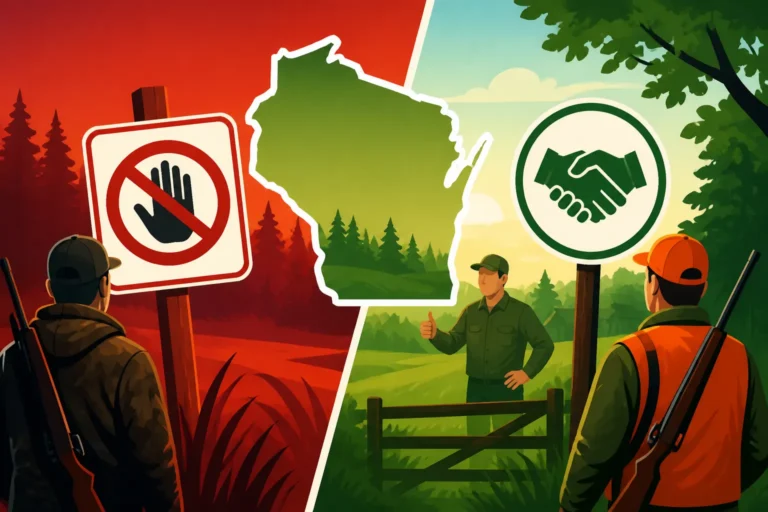
One of the real headaches when hunting near urban and suburban areas is the incredibly fragmented land ownership. You'll often find a patchwork of private farms, residential plots, small public parcels, and conservation lands, all bumping up against each other. It can be a nightmare to know exactly where you stand, and accidentally crossing a property line is a very real concern. This isn't like hunting a vast national forest where you can walk for miles without seeing a boundary marker.
This is where a detailed mapping system isn't just a luxury, it's an absolute necessity. Tools like onX Hunt show you property lines, landowner names, and clearly delineate public versus private land. You can literally see in real-time if you're standing on public ground or if you're about to step onto someone's backyard. Without this kind of technology, you're constantly guessing, and that's a recipe for an awkward confrontation or a violation. Always double-check your position, especially if you're pursuing a wounded animal. Knowing exactly where you are and whose land you're on gives you confidence and ensures you're hunting ethically and legally. Finding Wisconsin Property Lines is a skill you'll absolutely need to master here.
Discovering Key Public Hunting Areas Around Madison
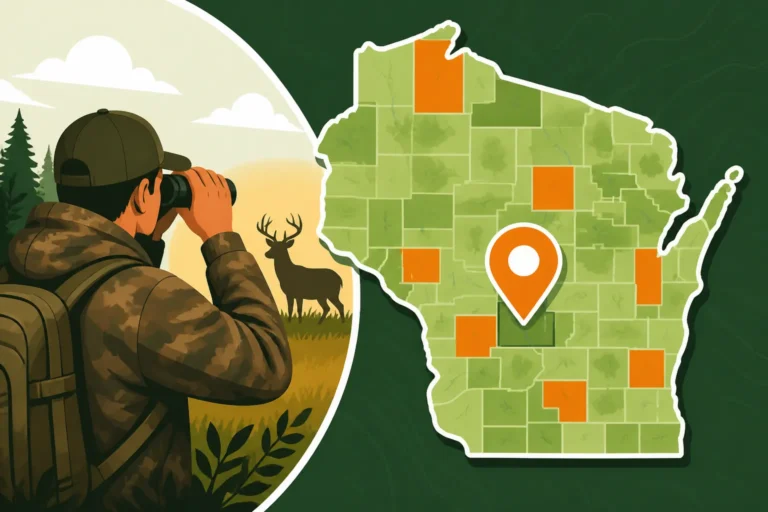
While Madison itself doesn't have sprawling public forests right at its doorstep, the surrounding counties offer a fantastic array of state wildlife areas, state parks with hunting zones, and other conservation lands that provide diverse hunting opportunities. You just need to know where to look and what to expect.
State Wildlife Areas: Your Go-To Option
Wisconsin's State Wildlife Areas (SWAs) are often your best bet for finding accessible public hunting close to Madison. These lands are specifically managed for wildlife habitat and public recreation, with hunting being a primary activity.
-
Mazomanie Wildlife Area: This SWA, located west of Madison along the Wisconsin River, is a prime example of diverse habitat. You'll find a mix of floodplain forests, cattail marshes, grasslands, and some upland timber. It's a fantastic spot for Wisconsin Waterfowl Hunting on Marsh and River, with good opportunities for ducks and geese, especially during migration. Deer hunting can be productive, particularly if you're willing to get away from the river access points and into the deeper woods or marsh edges. Turkeys also roam these bottomlands. Be prepared for wet conditions, especially in the spring and fall, so good rubber boots are essential.
-
Waterloo Wildlife Area: Northeast of Madison, the Waterloo SWA offers extensive wetlands, grasslands, and scattered woodlands. This is another excellent waterfowl spot, especially for puddle ducks, and it also holds a healthy pheasant population (though some areas may be stocked). Deer and turkeys are present, using the varied cover for bedding and feeding. The sheer size of Waterloo allows for dispersal of hunters, meaning if you walk far enough, you can find solitude. It's also a great area for Wisconsin Small Game and Furbearer Seasons, particularly rabbit and squirrel hunting in the timbered patches.
-
Black Earth Creek Wildlife Area: A bit closer to Madison, this SWA follows the Black Earth Creek, renowned for its trout fishing. While smaller than Mazomanie or Waterloo, it offers excellent opportunities for pheasants, rabbits, and squirrels in its grasslands and riparian woodlands. Deer use the creek bottoms as travel corridors, and cunning archery hunters can find success by identifying these funnels. Being smaller and linear, understanding access points and potential pressure is key here.
-
Mud Lake Wildlife Area: Southeast of Madison, Mud Lake SWA is primarily wetlands, ideal for waterfowl hunting. Think cattails, shallow water, and open marsh. It requires specific waterfowl hunting tactics, like jump-shooting along canals or setting up decoys in strategic openings. If you're a duck or goose hunter, this area should definitely be on your radar.
These wildlife areas, while sometimes busy, offer quality hunting if you're strategic. They are usually well-marked, and maps detailing habitat types and access points are often available online.
State Forests and Parks with Hunting Opportunities
While many state parks in Wisconsin restrict hunting, some do allow it in designated areas, and state forests are generally open to hunting unless otherwise posted.
- Kettle Moraine State Forest – Southern Unit: Located to the southeast of Madison, the Southern Unit of the Kettle Moraine State Forest is a substantial public land holding. It’s known for its unique glacial topography, featuring kames, kettles, and eskers. This creates diverse habitats from dense hardwoods and pine plantations to grasslands and wetlands. Deer hunting is popular here, with both archery and gun seasons permitted in most areas. Turkeys are also abundant. The rolling terrain can be physically demanding, but it's exactly the kind of landscape that helps disperse hunters and provide pockets of less-pressured game. Kettle Moraine Southern Unit Hunting requires attention to specific zone boundaries and rules, as some areas are non-hunting or multi-use.
- Aztalan State Park (Designated Hunting Zones): While most state parks are off-limits, some, like Aztalan near Lake Mills, might have specific, often archery-only, hunting zones, particularly for deer management. These are usually smaller, highly regulated areas, so checking current regulations before planning a hunt is absolutely critical. Don't assume anything with state parks; always verify.
Hunting in state forests and parks requires a bit more research to understand the specific regulations, as they can sometimes differ from general statewide rules. Always consult the Wisconsin DNR's website for the most up-to-date information on specific unit rules and maps.
Lesser-Known Gems and VPA Lands
Beyond the major state properties, there are often smaller, less obvious parcels of public land that can offer surprisingly good hunting, especially for those willing to do some extra legwork. These might include smaller state natural areas, county parks (if hunting is allowed), or lands acquired through conservation efforts.
- Voluntary Public Access (VPA) Lands: The VPA program is a fantastic initiative that leases private land for public hunting and fishing access. These parcels can pop up almost anywhere, often in prime agricultural areas or along river systems where public access is otherwise scarce. They are frequently smaller tracts, but they can hold overlooked deer, pheasants, or waterfowl. The key to finding VPA lands is using the DNR's online mapping tools or dedicated hunting apps like
GoHuntoronX Hunt, which often highlight these parcels with specific designations. Finding Wisconsin VPA Parcels is like finding treasure – they can be small, but often hold quality hunting if you're the only one there. They're usually marked with distinctive yellow signs. - Small, Unnamed State Natural Areas or Easements: Sometimes, you'll find tiny patches of public land, often designated as State Natural Areas, that allow hunting. These are rarely advertised as prime hunting destinations, and as such, they see very little pressure. They might be a small woodlot, a piece of marsh, or a sliver of grassland. Because they are so small, deer or turkeys might just be passing through, but if you scout them carefully, especially for sign like scrape lines along a logging road or prominent runways, they can yield a quick sit. These are the places where a robust mapping app truly shines, allowing you to zoom in and identify every last public acre.
| Public Land Type | Primary Hunting Opportunities | Typical Terrain / Habitat | Potential Pressure Levels (Near Madison) |
|---|---|---|---|
| State Wildlife Areas (SWA) | Deer, Turkey, Waterfowl, Small Game, Pheasant | Varied: Marsh, Grassland, Forest, River Bottoms | Moderate to High (especially popular spots) |
| State Forests | Deer, Turkey, Small Game, Bear (further out) | Upland Hardwoods, Pine Plantations, Glacial Moraine | Moderate (can find solitude by walking) |
| State Parks (Designated) | Deer (often archery), Small Game (limited) | Highly varied; specific zones, very limited | Low (due to limited access/designation) |
| VPA Lands | Deer, Turkey, Pheasant, Waterfowl, Small Game | Farmland edges, Woodlots, River Corridors, Grass | Low to Moderate (often overlooked) |
| Small Natural Areas | Deer, Turkey, Small Game (often opportunistic) | Small woodlots, Wetlands, Linear corridors | Very Low (if found and utilized properly) |
Maximizing Your Success on Public Land Near Madison
Hunting public land successfully, especially near a populated area, isn't just about finding a spot on a map. It's about how you approach that spot, how much effort you put in, and how adaptable you are. These areas demand a more strategic mindset than private land.
Scouting Smart: Tools and Techniques
Pre-season scouting is not just recommended, it's absolutely essential for public land success near Madison. You can't just show up on opening day and expect to find animals in a honey hole.
- Aerial Maps and Topography: Start your scouting from home. Utilize applications like
onX Huntor the Wisconsin DNR's "Hunt Wild" app. These tools allow you to study aerial photos, topography, and public land boundaries in detail. Look for natural funnels between cover, pinch points, subtle ridges, and changes in vegetation. Identify potential bedding areas (thick cover) and feeding areas (oaks, ag fields, edges). Pay close attention to water sources and any access roads or trails. Consider how you might approach these areas without alerting game or other hunters. Reading Aerial Photos for Coulee Deer applies even to the more subtle topography around Madison. - Boots on the Ground: Nothing beats getting out there. Before the season, walk the areas you've identified. Look for fresh deer sign: tracks, rubs, scrapes, and droppings. Identify turkey roost trees. Look for old blinds or stands from previous seasons (though remember, Treestand Rules on Wisconsin Public Land dictate you generally can't leave them overnight or year-round). Check for subtle terrain features that might concentrate animal movement, like small draws, ditch crossings, or narrow strips of timber between fields. Pay attention to food sources available – acorn crops, standing corn on adjoining private land, or soft mast. Also, identify potential high-pressure zones (easy access points, open timber) and, more importantly, low-pressure zones (thick brush, wet areas, or areas requiring a long walk).
- Game Cameras: If allowed and used ethically, trail cameras can provide valuable insights into what animals are using an area and when. Place them on well-used trails, near funnels, or on the edges of thick cover. Remember to check local regulations regarding trail camera use on public land. Where to Hang a Camera on a Logging Road can be a great starting point for camera placement.
Adapting Your Hunting Strategy
Once you've done your scouting, you'll need to adapt your actual hunting strategy to deal with the realities of public land near a city.
- Quiet Entry and Exit: On pressured land, animals are incredibly sensitive to human presence. Plan your entry and exit routes carefully to minimize disturbance. Use natural cover, walk slowly, and avoid making unnecessary noise. Sometimes, a longer, more circuitous route can lead to a more successful hunt. This is especially true if you're trying to reach a spot that other hunters are overlooking.
- Hunting Mid-Week: If your schedule allows, hunting on weekdays can significantly reduce pressure. Many hunters are limited to weekends, leaving the woods and fields much quieter from Monday through Friday.
- Utilizing Terrain and Cover: Animals on pressured public land become masters at using every bit of available cover and terrain to their advantage. Learn to think like them. Hunt ridge points, use small draws as travel corridors, and focus on the thickest, nastiest cover you can find – this is often where deer will bed down to escape pressure. Don't be afraid to Still-Hunting Wisconsin Cedar Swamps or other dense cover, even if it's slow going.
- Adapting to Other Hunters: You will encounter other hunters on public land, especially on busy weekends. Instead of getting frustrated, try to use their presence to your advantage. Are they pushing deer towards you? Can you set up downwind of a likely entry point, knowing hunters coming in might bump deer your way? Deer drives with a small group of trustworthy friends can also be effective here. Deer Drives With Three or Four Hunters can be a tactic to consider for moving deer in specific directions, especially on smaller parcels.
- Calling and Decoys: Don't be shy about using calls for deer or turkeys. Rattling, grunting, or a well-placed turkey decoy can be very effective if used at the right time and place. For deer, Grunt Calls in Mature Timber can draw curious bucks closer. For turkeys, Decoy Placement for Pressured Birds is critical – often less is more, and a single hen or jake can be convincing.
Respecting the Resource and Other Users
Hunting on public land is a privilege, and it's essential to act as a good steward of the resource and a respectful member of the outdoor community.
- Leave No Trace: Pack out everything you pack in, and then some. Leave your hunting area cleaner than you found it. This includes spent shell casings, food wrappers, and any flagging tape you might use for marking trails.
- Be Courteous: You'll share public land with hikers, birdwatchers, dog walkers, and other hunters. A friendly nod or a polite conversation goes a long way. If you see someone, make your presence known verbally so you don't startle them.
- Safety First: Always follow all firearm safety rules. Be absolutely certain of your target and what's beyond it. Wear the legally required amount of How Much Blaze Orange Wisconsin Requires during gun seasons, and consider blaze orange/pink even during archery seasons for visibility to other users, especially if you're walking in. Know your legal shooting hours and stick to them.
- Know the Rules: Public land, especially near population centers, can have very specific rules beyond statewide regulations. Some areas might have restrictions on certain firearms, hunting methods, or even vehicle access. Always check the DNR website or the specific property's rules before heading out.
Finding and hunting public land near Madison can be incredibly rewarding. It demands a bit more effort, more research, and a flexible mindset, but the satisfaction of finding success close to home is truly something special.
Disclaimer
This article is for general informational purposes only and does not constitute professional advice. Laws, prices and regulations vary by location and change over time. Consult a qualified professional for guidance on your specific situation.