Wisconsin Boone and Crockett Whitetails
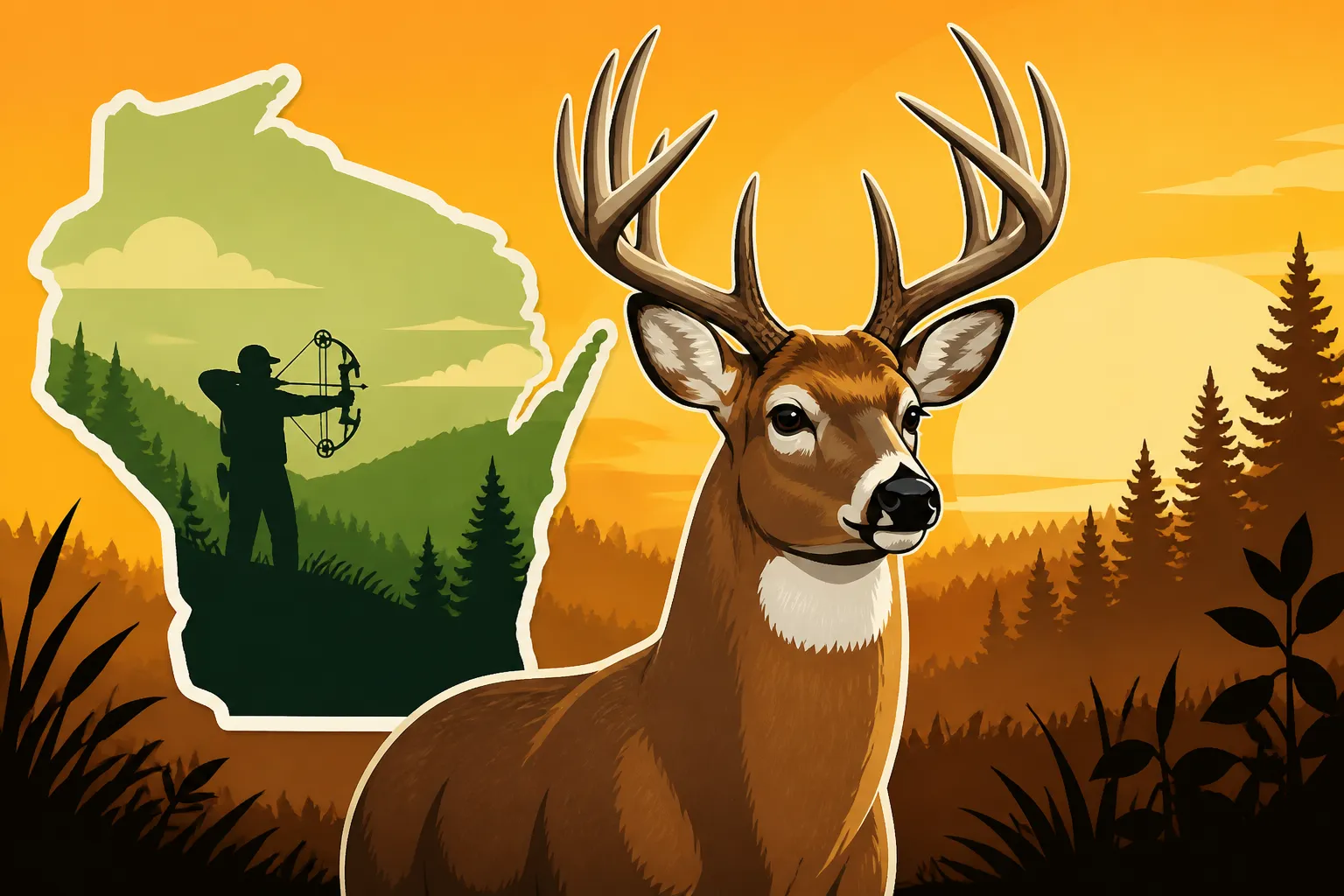
Many Wisconsin deer hunters dream of harvesting a truly giant whitetail, one that makes the record books. It's a challenging pursuit, requiring dedication, knowledge, and often a bit of luck, and the frustration of consistently seeing only smaller deer can be real, making that quest for a Boone and Crockett buck feel almost impossible. This guide is here to shed light on what it truly takes to find and hunt those elusive Boone and Crockett whitetails right here in Wisconsin, offering insights into their biology, their habitat, and the specific strategies that might just put you on the trail of a lifetime buck.
Understanding the Boone and Crockett Standard for Wisconsin Whitetails
Before you can even begin to chase a record book buck, it's essential to understand what exactly qualifies as a Boone and Crockett whitetail. The Boone and Crockett Club is North America's oldest wildlife conservation organization, and its scoring system is the universally recognized standard for measuring the size and quality of big game antlers and horns. For many hunters, just seeing a deer that would score in the B&C minimums is a breathtaking experience, let alone having the opportunity to harvest one. It represents the pinnacle of antler growth and often, the mature age class of a healthy deer herd.
The scoring system evaluates antlers based on several criteria: beam length, circumference measurements at specific points, length of points, and spread. Symmetry is a huge factor, particularly for "typical" scoring. Any abnormal points (non-typical points that don't match on both sides) can either result in deductions for a typical score or contribute to a higher "non-typical" score. This distinction is crucial because a truly massive deer with lots of character might score higher as a non-typical, even if its typical frame isn't perfectly symmetrical. The feeling of seeing a magnificent buck, knowing it could potentially meet these prestigious standards, is a powerful motivator for many hunters.
For white-tailed deer, there are specific minimum entry scores for both typical and non-typical categories. These scores vary slightly depending on whether the animal was taken by fair chase (e.g., archery or rifle hunting) or found as a "pick-up" (a shed antler or deceased animal). Generally, for typical whitetail deer, the all-time minimum entry score for a rifle-harvested animal is 170 inches. For a non-typical whitetail, it's 195 inches. Bow-harvested animals have slightly lower minimums to qualify for Pope & Young, which is another recognized record-keeping body with similar scoring methods. Achieving these scores means finding a deer with truly exceptional antler development, which almost always means a deer that has reached an older age class with excellent nutrition and genetics.
Where Wisconsin Grows Record Book Bucks
Wisconsin has a well-deserved reputation for producing giant whitetails, and certain regions stand out consistently. If you're serious about pursuing a record-class buck, knowing where to focus your efforts is paramount. While a trophy buck can turn up almost anywhere, understanding the prime geographical and habitat characteristics will significantly increase your odds.
The Driftless Area, especially the western counties bordering the Mississippi River, is arguably Wisconsin's most famous trophy whitetail factory. Counties like Buffalo, Trempealeau, and Vernon regularly produce some of the largest bucks in the state, and indeed, the nation. The steep coulees, rugged terrain, and a mix of agriculture and timber provide an ideal environment. The limited road access in many of these areas, combined with diverse food sources and thick cover, allows bucks to reach older age classes. The sheer volume of high-quality forage in the agricultural valleys keeps deer well-fed, contributing to exceptional antler growth. If you're researching potential areas, looking into Best Wisconsin Counties for Big Bucks will confirm this trend, and diving deeper into Why the Driftless Grows Bigger Bucks offers even more insight into the specific conditions that make this region so special.
While the Driftless Area often steals the spotlight, other parts of Wisconsin also produce impressive deer. The Central Sands region, with its diverse landscape of agriculture, oak ridges, and expansive marshes, also holds potential for mature bucks. Here, large blocks of private land managed for deer hunting, combined with good genetics, allow deer to express their full potential. Even the vast Northern Forest, though known for its lower deer densities, can produce truly enormous bucks. These deer often have to work harder for food and cover, which can lead to larger body sizes and, when they reach old age, impressive racks. However, finding these needle-in-a-haystack bucks in the sprawling timber requires a different approach. Regardless of the region, utilizing tools like GoHunt can provide invaluable satellite imagery and land ownership data to help identify promising parcels of habitat, whether public or private.
Ultimately, record-book deer are a product of habitat, nutrition, age, and genetics. While some areas naturally possess more of these ingredients, a diligent hunter can find opportunities in many parts of the state. It's less about the sheer number of deer and more about the presence of mature animals with access to high-quality forage and secure cover. Scout thoroughly, understand the specific dynamics of the local herd, and be prepared to put in the work.
Strategies for Pursuing a Trophy Whitetail in Wisconsin
Hunting a Boone and Crockett whitetail isn't just about luck; it's about a calculated, patient, and persistent approach. These bucks didn't get big by being easy to hunt. They are often reclusive, intelligent, and incredibly adept at avoiding human detection. If you're serious about tagging one, you need a strategy that goes beyond general deer hunting tactics.
First and foremost, scouting is your most potent weapon. This isn't just a casual walk in the woods; it's a dedicated effort, often spanning months. Start in the off-season, long before archery season opens. Look for old rub lines on larger trees, exceptionally large scrapes, and distinct travel corridors between bedding and feeding areas. Pay close attention to terrain features that naturally funnel deer movement, such as pinch points between swamps, ridge saddles, or thick creek bottoms. Tools like GoHunt can be incredibly helpful here, allowing you to pour over aerial maps and topo lines from the comfort of your home, identifying potential hotspots before you even set foot in the woods. This intense pre-season analysis is vital, and you can learn a lot from guides on Scouting Wisconsin Public Land Before Season.
Patience and persistence are non-negotiable. Hunting a trophy buck often means passing on many smaller deer, sometimes for seasons on end. It also means spending countless hours on stand, often without seeing a single deer, let alone the specific buck you're targeting. These mature bucks have learned to avoid pressure, so you need to hunt smart, minimize your scent, and have impeccable entry and exit routes to and from your stands. The rut, typically in November, offers the best chance to catch these reclusive animals on their feet during daylight hours, as they become more vulnerable while searching for does. Understanding Hunting the Wisconsin Rut in November and tailoring your hunting to this critical period can dramatically increase your success. Even after the rut, focusing on prime Late-Season Food Sources for Whitetails can pull big bucks out of hiding.
Consider where these mature bucks feel safest. Often, it's in the thickest, nastiest cover available, whether that's a sprawling cedar swamp, a dense clearcut, or the hidden folds of a steep coulee. Learning Where Northern Forest Bucks Bed or similar local bedding area insights is crucial. These areas, while difficult to hunt, are where the biggest bucks spend the majority of their time. Hunting pressure is a huge factor in whether a buck will reach an older age class. Understanding and mitigating Hunting Pressure on Wisconsin Public Land by seeking out overlooked pockets of habitat is key. It's a game of chess, not checkers, and the trophy hunter needs to think several moves ahead, constantly adapting to the deer's behavior and the changing conditions of the hunt.
The Pillars of Antler Growth: Genetics, Age, and Nutrition
The massive antlers that define a Boone and Crockett whitetail aren't just a random occurrence; they are the result of a delicate balance between several critical biological factors. Understanding these pillars can help hunters appreciate the achievement of harvesting such an animal and inform management decisions, even on a small scale.
Firstly, genetics play an undeniable role. Just like humans, deer inherit traits from their parents, and antler potential is one of them. A buck with superior genetics for antler growth will, given the right conditions, simply grow a larger rack than a buck with lesser genetics. While hunters can't directly manipulate the genetics of a wild herd, choosing to pass on younger bucks allows those with strong genetic potential to express it fully. In areas where hunters consistently practice selective harvest, allowing younger bucks to walk, the overall antler quality of the herd often improves over time.
Secondly, and perhaps most critically, is age. A buck's antlers grow larger and more complex each year until they reach their prime, typically between 4.5 and 7.5 years old. A 1.5-year-old buck, no matter how good its genetics or nutrition, simply hasn't had enough time to grow a truly massive rack. This is why "letting them grow" is such a common mantra among trophy hunters and deer managers alike. It takes incredible discipline to pass on a respectable young buck, knowing that in a few more years, it could potentially develop into a Boone and Crockett contender. Understanding the Wisconsin Deer Population Estimate and its age structure can give you clues about the potential for mature bucks in a given area.
Finally, nutrition is the fuel for antler growth. Bucks require a significant amount of protein, minerals (especially calcium and phosphorus), and energy to grow large antlers, in addition to sustaining their body mass. Areas with diverse and abundant food sources—think rich agricultural fields, mast-producing oak forests, and protein-rich browse—are much more likely to produce trophy-class deer. Conversely, areas with poor soil, limited forage, or harsh winters that deplete a deer's reserves can stunt antler development. Severe winters, for instance, can impact a buck's ability to recover and put energy into antler growth the following spring, as detailed in How Severe Winters Hit Northern Deer. While supplemental feeding and baiting are often debated and are subject to strict regulations in Wisconsin (see Wisconsin Baiting and Feeding Bans), managing habitat to provide natural, high-quality forage, or utilizing strategies like Food Plots Instead of Bait, can make a significant difference in the nutritional plane of a local deer herd. All three of these factors must align perfectly for a whitetail to reach the coveted Boone and Crockett status.
Boone and Crockett Whitetail Minimum Scores
| Category | Entry Method | Typical Score | Non-Typical Score |
|---|---|---|---|
| White-tailed Deer | Rifle | 170 | 195 |
| White-tailed Deer | Archery | 125 (P&Y) | 155 (P&Y) |
| White-tailed Deer | Pick-up | 160 | 185 |
Note: P&Y refers to Pope and Young Club minimums, which follow the B&C scoring system for bow-harvested animals.
Disclaimer
This article is for general informational purposes only and does not constitute professional advice. Laws, prices and regulations vary by location and change over time. Consult a qualified professional for guidance on your specific situation.