The Wisconsin Pheasant Stocking Program
The Wisconsin Pheasant Stocking Program explains bird releases, locations, and hunting expectations amid declining wild populations.
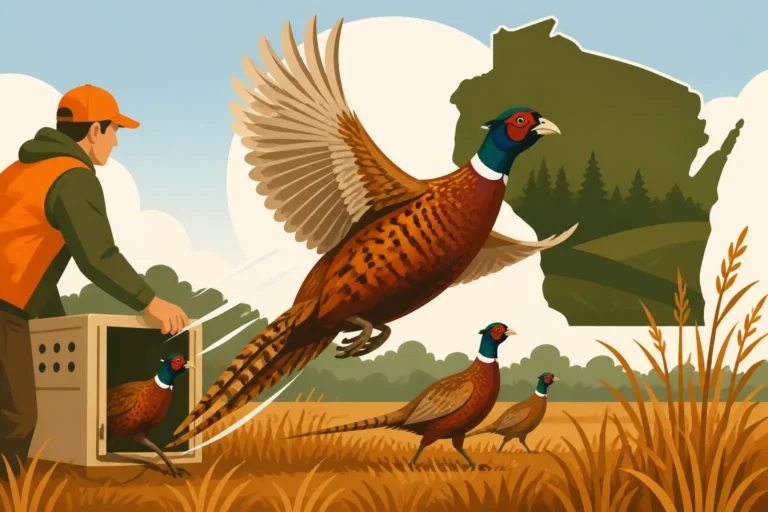
The Wisconsin Pheasant Stocking Program explains bird releases, locations, and hunting expectations amid declining wild populations.
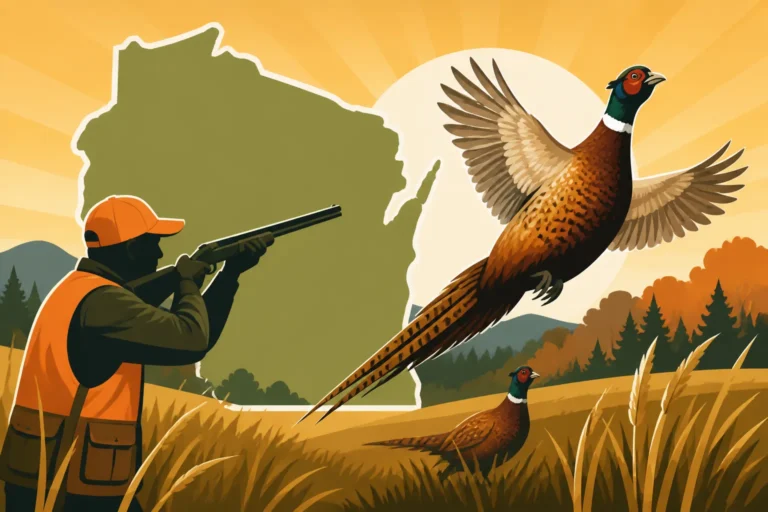
Wisconsin pheasant populations consist of remnant wild birds in fragmented habitats alongside stocked birds from game farms.
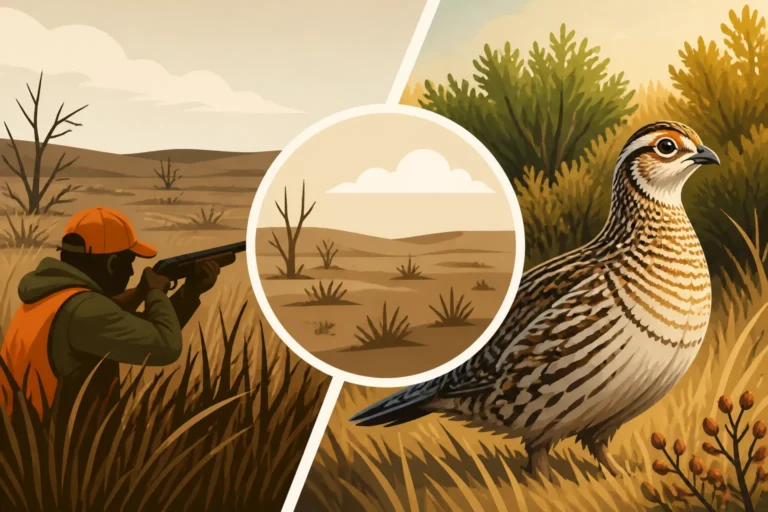
Wisconsin sharp-tailed grouse populations and pine barrens habitats explain where these elusive birds live and why numbers decline.
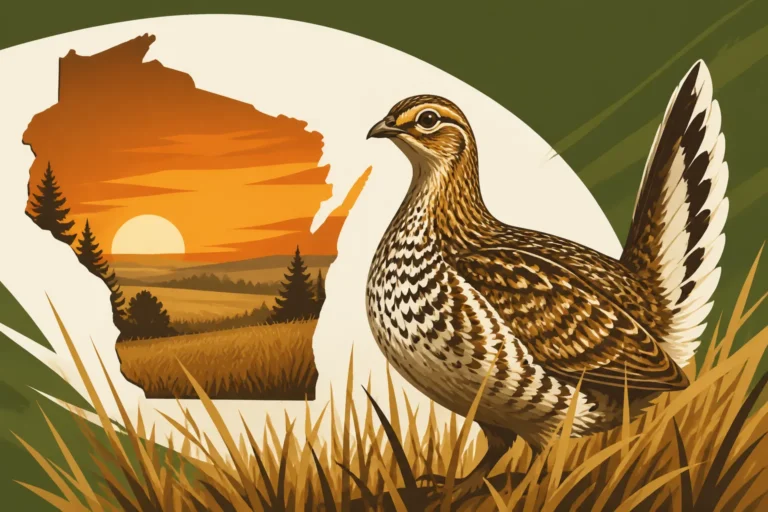
Wisconsin sharp-tailed grouse survive in dwindling northwestern barrens ecosystems, requiring open grasslands, leks, and scattered pine savannas.
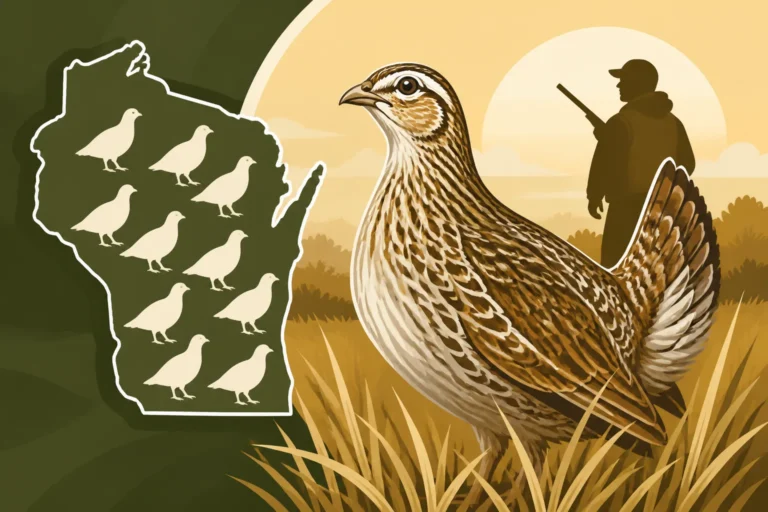
Wisconsin sharp-tailed grouse population estimates and lek survey trends reveal hundreds of surviving birds facing habitat loss.
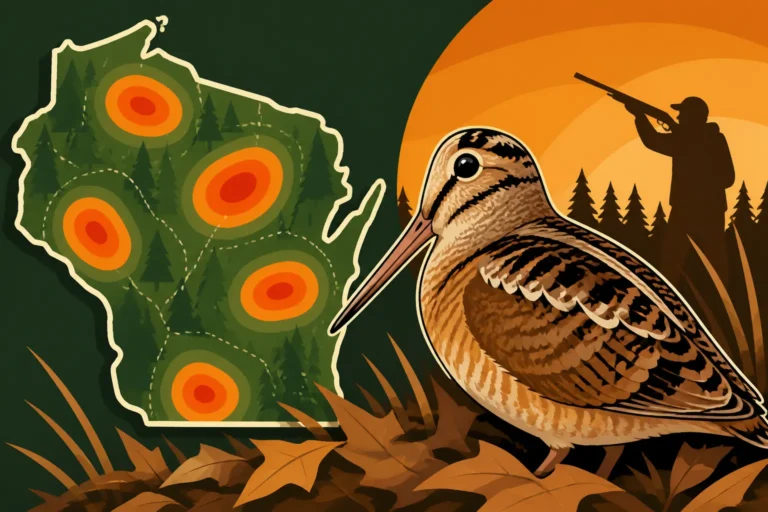
American woodcock in Wisconsin concentrate in young aspen and alder thickets near streams and marshes with moist soil.
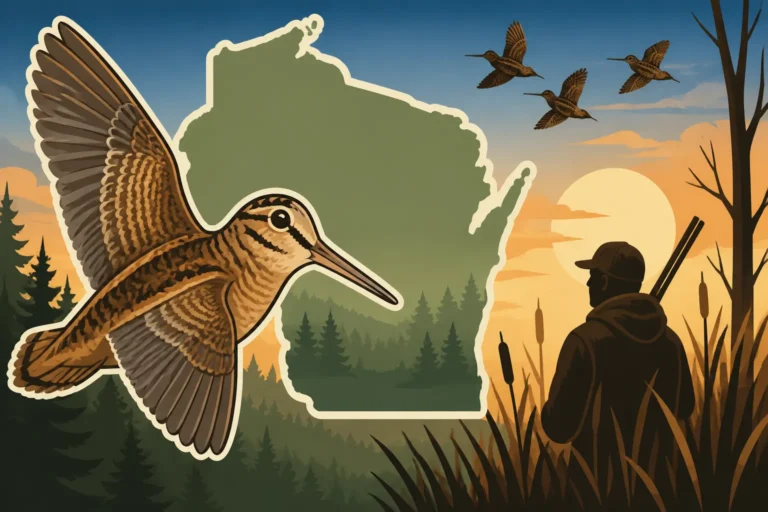
Wisconsin woodcock migration timing depends on cold weather and frozen ground driving these timberdoodles south through the state.
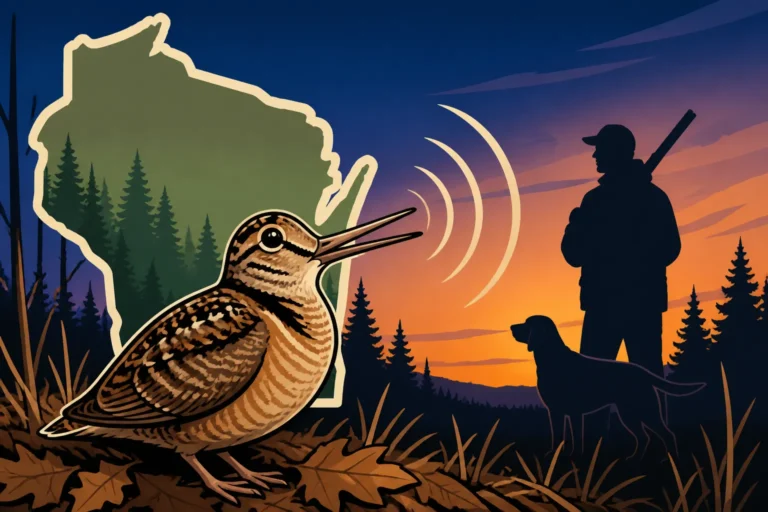
Wisconsin woodcock singing ground surveys monitor breeding population trends through roadside listening stops conducted during spring.
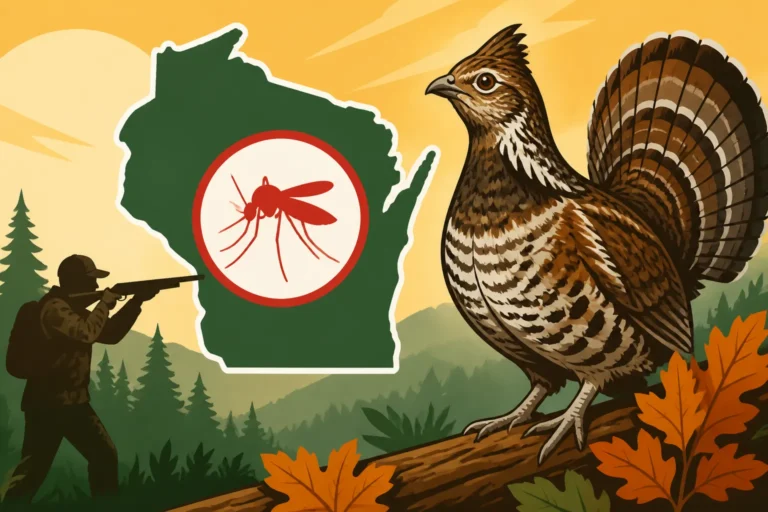
West Nile Virus affects Wisconsin ruffed grouse through mosquito bites, weakening health and impacting local bird populations.
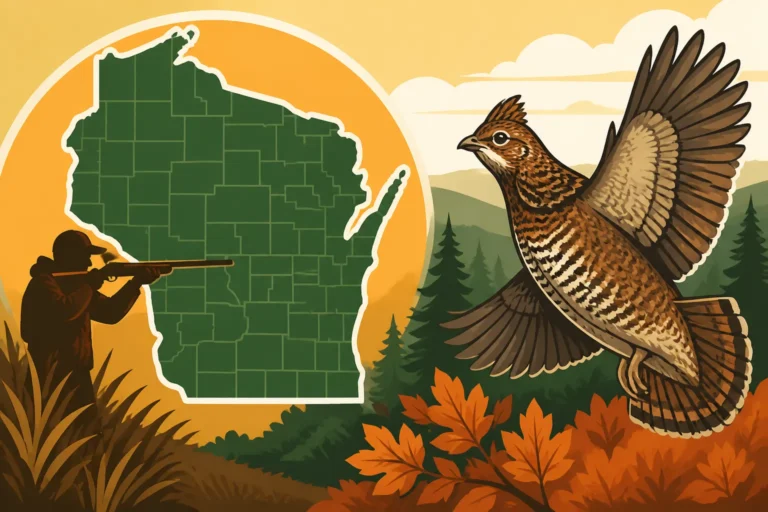
Wisconsin counties with prime young aspen and alder habitats offer hunters the best locations for finding ruffed grouse.