Minimum Draw Weight for Wisconsin Deer
One of the most common worries for new bowhunters, or even seasoned veterans looking to dial in their setup, is whether their bow has enough oomph to ethically take a Wisconsin whitetail. It’s a completely valid concern. Nobody wants to wound an animal or feel undergunned in the field. This guide is all about breaking down the official rules and, more importantly, the practical realities of minimum draw weight for deer hunting here in our great state, so you can head into the woods with confidence, knowing you’re ready for success.
Understanding Wisconsin's Draw Weight Regulations
When you're preparing for Bowhunting Wisconsin's Long Archery Season, the first thing you absolutely need to know are the hard and fast rules set by the Wisconsin Department of Natural Resources (DNR). These aren't just suggestions; they are legal requirements designed to ensure that any animal you pursue with a bow or crossbow is taken humanely and effectively. Ignoring these rules can lead to legal trouble and, more importantly, ethical dilemmas in the field.
The Legal Minimums Explained
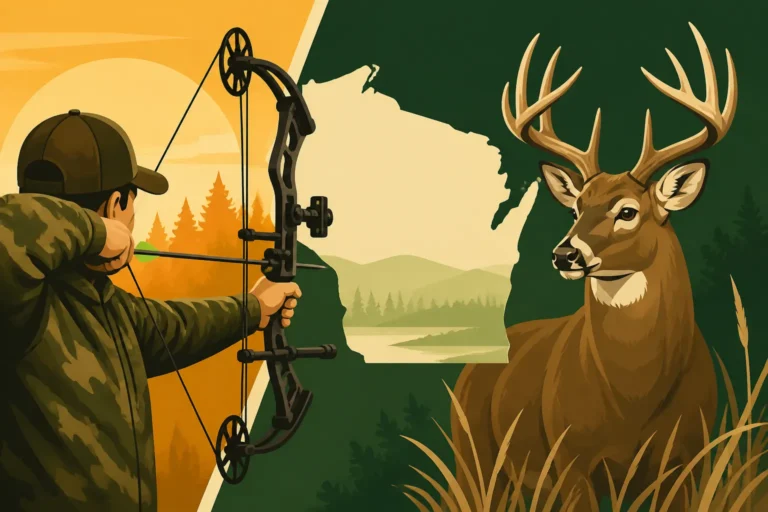
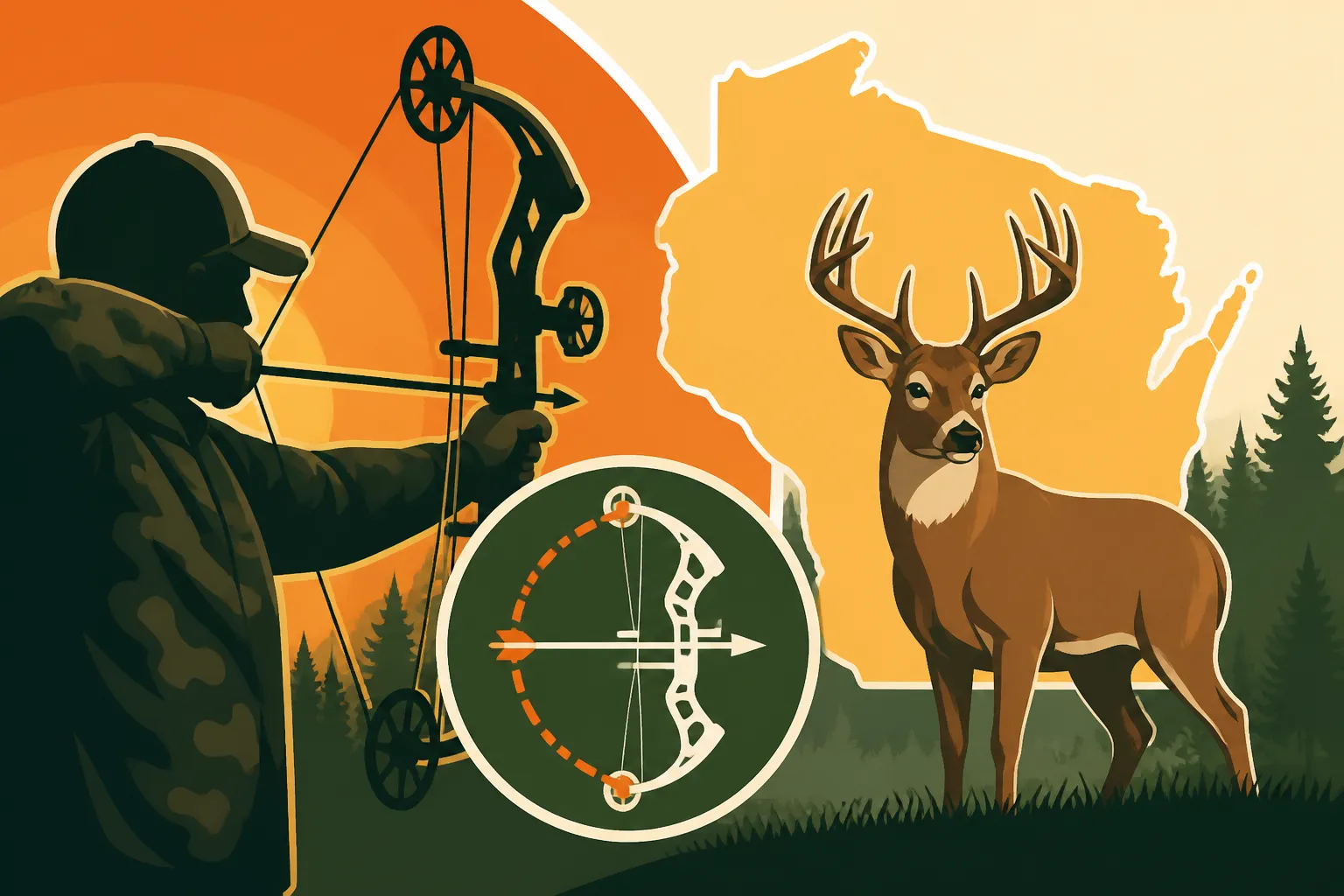
For those of us who prefer a traditional vertical bow, Wisconsin has a very clear stipulation: your bow must have a minimum draw weight of 30 pounds. This applies to recurves, longbows, and compound bows alike. It's a foundational rule that ensures the arrow leaves the bow with sufficient force to achieve proper penetration, assuming a well-placed shot and appropriate arrow and broadhead combination.
Now, 30 pounds might sound like a relatively low number to some, especially if you're used to seeing hunters pull much heavier weights. However, it's considered the absolute floor to ensure enough kinetic energy and momentum for broadhead penetration through hide, muscle, and bone to reach vital organs. This minimum is in place to protect the animal from unnecessary suffering due to an underpowered shot, which is something every ethical hunter strives to avoid. It’s not about how much you can pull, but what the bow can deliver to effectively harvest game.
It's also crucial to remember that this 30-pound minimum is typically measured at your full draw length. If your bow is adjustable, make sure it’s set properly and that you can consistently and smoothly draw that weight without excessive strain or shaking. This consistency is far more important than maxing out your draw weight, as accuracy always trumps raw power. You can often check these regulations, along with other critical dates like Wisconsin Archery Deer Season Dates, by using resources like the GoHunt app or website for quick reference in the field.
Why These Minimums Exist
The minimum draw weight regulations aren't arbitrary; they are rooted in the biology of the animals we hunt and the mechanics of archery. Deer, particularly mature bucks, are robust animals with dense muscle and bone, especially around the shoulder and rib cage. An arrow, unlike a bullet, relies on kinetic energy and broadhead sharpness to physically cut and penetrate, causing hemorrhage.
If a bow has too little draw weight, the arrow simply won't have the kinetic energy to achieve adequate penetration for a quick, ethical kill. Imagine hitting the shoulder blade of a big Wisconsin buck with an underpowered setup – you might only bruise the animal or get superficial penetration, leading to a long, difficult, and often unsuccessful, tracking job. This is the last thing any responsible hunter wants, as it creates unnecessary suffering for the animal.
These regulations serve as a baseline to prevent such scenarios, promoting responsible hunting practices across the state. They ensure that even hunters with lighter setups can still be effective, provided they meet the minimum and prioritize accuracy and proper shot placement above all else. It's a balance between accessibility for hunters and the welfare of the game species.
Crossbow Specifics
For those utilizing a crossbow during Wisconsin's archery season, the rules are slightly different, reflecting the distinct mechanics of these tools. Wisconsin law mandates that a crossbow must have a minimum draw weight of 100 pounds. This higher minimum is due to the nature of a crossbow, which is designed to hold its draw weight mechanically, allowing hunters to aim with less physical exertion over time compared to a vertical bow.
The 100-pound minimum for crossbows ensures that the bolts are propelled with sufficient force to achieve the necessary penetration, just like with vertical bows. Crossbows typically generate higher bolt speeds and kinetic energy than many vertical bow setups, making them very effective hunting tools within their legal parameters. When choosing a crossbow, always confirm its draw weight meets or exceeds this minimum. You can find more details on this specific topic, including comparisons, in our guide on Crossbow Versus Vertical Bow in Wisconsin.
Remember, while the crossbow holds the draw weight, you still need to be able to cock it safely and efficiently. Whether that's manually, with a rope cocker, or a crank device, practice is key to smooth operation in the field. Understanding these differences and adhering to them is essential for any hunter heading into the Wisconsin woods with either a vertical bow or a crossbow.
Beyond the Legal Minimum: Ethical and Practical Considerations
Meeting the legal minimum draw weight is just the starting point. As hunters, we have an ethical responsibility to ensure our equipment is not just legal, but truly capable of a quick, clean kill. This means going beyond the letter of the law and considering the full picture of kinetic energy, shot placement, and personal proficiency.
The Importance of Kinetic Energy
While draw weight is a good indicator, it's kinetic energy (KE) and momentum that truly dictate an arrow's ability to penetrate. Kinetic energy is a measure of the energy an arrow possesses in motion, and it's affected by both the arrow's speed and its weight. A heavier arrow shot from a bow with a moderate draw weight can sometimes generate more kinetic energy and momentum than a very light arrow shot from a higher draw weight bow. This is a nuanced point that serious bowhunters really dig into.
For deer, you generally want to aim for a minimum of 40-45 foot-pounds of kinetic energy for reliable pass-throughs, especially if you anticipate hitting bone. While a 30-pound draw weight bow can certainly generate this with the right arrow setup, it emphasizes the importance of matching your arrow weight and broadhead choice to your bow. A reputable archery shop can help you calculate your bow's KE with your specific arrow setup, giving you a clearer picture of its field performance. This insight can be far more valuable than just looking at the draw weight alone, especially when considering different Arrow Weight for Short Shots.
Think of it this way: a light, fast arrow might look impressive on a chronometer, but if it lacks momentum, it can "bounce" off bone rather than breaking through. A slightly heavier arrow, even if slower, carries more punch and is often more forgiving on marginal hits. This is why many experienced hunters lean towards a slightly heavier arrow for better penetration and more reliable blood trails, even if it means sacrificing a few feet per second in speed.
Shot Placement Over Sheer Power
This is perhaps the single most critical factor in bowhunting success, far outweighing an extra 10 pounds of draw weight. No amount of kinetic energy or draw weight will compensate for a poorly placed shot. A perfect shot with a 30-pound bow will always be more effective than a marginal hit with a 70-pound bow. We are aiming for the vitals: the heart and lungs, which are surprisingly small targets behind the deer's shoulder.
Practicing relentlessly to ensure you can consistently place an arrow precisely where it needs to go is paramount. This means knowing your effective range and sticking to it, no matter how tempting a longer shot might seem. For many bowhunters in Wisconsin's timber and rolling terrain, this means keeping shots within 30-40 yards, sometimes even closer depending on cover and conditions. Bow Sights for Timber Shots can help with accuracy in these conditions.
Consider the scenario: you're sitting in your stand, it's late October, and a mature buck steps out at 25 yards. You've practiced that shot hundreds of times, and you know your bow puts arrows exactly where you look. That confidence in your shot placement, even with a moderate draw weight, is what will seal the deal. Conversely, if you're struggling to pull a heavier bow, your form will suffer, leading to inaccuracy and a higher chance of a poor shot. It's better to be accurate at a comfortable weight than shake and miss at a higher one.
Practice Makes Perfect: Building Your Strength
If you're finding the 30-pound minimum (or your desired hunting weight) challenging, don't despair! Archery strength is something you build over time, just like any other muscle group. Regular practice sessions are not just about improving your aim, but also about strengthening the muscles used in drawing and holding your bow.
Start with a comfortable draw weight, even if it's below the minimum for hunting, and shoot regularly. As your muscles adapt, you can gradually increase the weight in small increments. Consistency is key here. Short, frequent practice sessions are often more effective than infrequent, marathon sessions that lead to fatigue and poor form. Many archers find that pulling their bow back 20-30 times a day, even without shooting an arrow, can significantly build strength.
Beyond just pulling the bow, incorporating general fitness exercises that target your back, shoulders, and core can also be highly beneficial. Exercises like rows, pull-ups, and planks will directly support your archery muscles. Remember, it's not about brute strength; it's about controlled, repeatable muscle engagement. A good pro shop can also provide advice on proper form to prevent injury and maximize efficiency when drawing your bow. GoHunt offers features that can help you plan scouting trips which inherently build physical fitness for hunting.
Equipment Choices and Personal Fit
The beauty of modern archery equipment is its adjustability and versatility. You can often customize your setup to fit your physical capabilities and hunting style, ensuring you're both legal and effective in the field. It’s all about finding that sweet spot where power, accuracy, and comfort intersect.
Adjusting Your Bow's Draw Weight
Most modern compound bows offer a significant range of draw weight adjustment, often 10-20 pounds or more, just by turning a few bolts on the limbs. This makes it incredibly easy to start with a lower weight for practice and gradually increase it as you get stronger, or even reduce it if you're experiencing fatigue or injury. Recurves and longbows, on the other hand, have a fixed draw weight based on the limb design, so choosing the right weight from the start is more critical for traditional archers.
Before the season kicks off, take your bow to a reputable archery pro shop. They can easily measure your current draw weight and make adjustments if needed. It’s a good idea to have it checked annually to ensure it's still dialed in and that you're getting the most out of your setup. They can also help you confirm that your bow meets the Minimum Draw Weight for Wisconsin Deer requirement and is shooting optimally for your draw length and arrow combination.
Don't be afraid to experiment a little, within safe limits, to find the weight where you are most accurate and comfortable. A smooth draw cycle, holding steady at full draw, and a clean release are far more important than a few extra pounds of draw weight that compromise your form. It's about personal optimization for ethical hunting.
Arrow and Broadhead Selection
Your choice of arrows and broadheads plays a monumental role in the effectiveness of your setup, often as much as, if not more than, your draw weight. Even with a legal minimum draw weight, the wrong arrow and broadhead combination can lead to poor penetration.
For arrows, consider a moderate to heavy grain weight for deer. Heavier arrows carry more momentum, which aids in penetration. For example, a total arrow weight (including broadhead) between 400-500 grains is a common and effective range for deer hunting with most compound bows. This heavier mass helps drive the broadhead through vitals, even on less-than-ideal hits that might involve bone. You can read more about Fixed Versus Mechanical Broadheads to help make your choice.
When it comes to broadheads, sharpness is non-negotiable. Whether you prefer fixed-blade or mechanical broadheads, they must be razor-sharp to cut through hide and tissue efficiently. For lower draw weight setups, many hunters favor fixed-blade broadheads with a smaller cutting diameter, as they tend to penetrate better by encountering less resistance. Mechanical broadheads with larger cutting diameters might require a bit more kinetic energy to achieve full penetration, so choose wisely based on your bow's performance.
| Broadhead Type | Pros | Cons | Ideal Draw Weight/KE |
|---|---|---|---|
| Fixed Blade (Smaller Cut) | Excellent penetration, very durable, reliable | Less forgiving of poor tuning, smaller wound channel | Good for all, especially lower draw weights |
| Fixed Blade (Larger Cut) | Good penetration, larger wound channel | Can be harder to tune, more resistance | Moderate to higher draw weights |
| Mechanical (Small Cut) | Field point accuracy, larger wound channel (once open) | Blades can fail to deploy, less penetration if blade hits bone | Moderate to higher draw weights |
| Mechanical (Large Cut) | Excellent field point accuracy, very large wound channel | Requires significant KE, prone to deflection, potential deployment issues | Higher draw weights (55+ lbs KE recommended) |
When to Consider a Lower Draw Weight
There are completely valid reasons why a hunter might choose or need to hunt with a draw weight at or near the minimum. Age, injury, or simply physical build can all influence what a comfortable and accurate draw weight is. There's no shame in shooting a lighter bow if it means you're more accurate and can execute a smooth, controlled shot.
In fact, prioritizing accuracy over brute force is often the mark of an experienced and ethical hunter. If pulling a 60-pound bow causes you to shake, rush your shot, or develop target panic, dropping down to 45 or 50 pounds (or even the 30-pound minimum) could dramatically improve your shooting consistency. A well-placed arrow from a 30-pound bow will always be more effective than a glancing blow from a 70-pound bow.
Sometimes, after an injury or as we get older, our physical capabilities change. Adapting your equipment to these changes allows you to continue enjoying the sport safely and effectively. Modern bows are so efficient that even at 30-40 pounds, they can generate plenty of kinetic energy for deer with the right arrow and broadhead. Don't let ego dictate your draw weight; let accuracy and ethical considerations be your guide. Hunting with a bow that fits you perfectly is the best way to ensure success and enjoyment during the hunt.
Common Misconceptions and Troubleshooting
The world of archery can be filled with advice, some good, some not so good. When it comes to draw weight, there are a few lingering myths and common challenges that hunters face. Let's clear up some of that confusion.
The Myth of "Too Much" Draw Weight
While we've focused on ensuring enough draw weight, there's also a misconception that "more is always better." This isn't necessarily true. While a higher draw weight does generate more kinetic energy, there is such a thing as "too much" for an individual hunter. Trying to pull a bow that is too heavy for you can lead to a host of problems.
The most common issue is poor form. If you're struggling to pull the string back, you'll likely compensating by twisting your body, lifting your shoulder, or using muscles that aren't meant for archery. This leads to inconsistency in your anchor point and release, ultimately reducing accuracy. Imagine trying to hold a heavy barbell steady while aiming a delicate instrument; it's a recipe for disaster.
Furthermore, an overly heavy draw weight can lead to fatigue, especially during long practice sessions or if you have to hold at full draw for an extended period in a hunting scenario. Picture a buck slowly walking into your shooting lane, pausing behind brush for what feels like an eternity. If your muscles are screaming from holding too much weight, your accuracy will plummet the moment you finally get a clear shot. It's far better to shoot a comfortable weight and be consistently accurate than to struggle with a higher weight and be sporadic. This understanding is key for anyone serious about Bow Draw Weight for Wisconsin Whitetails.
Dealing with Target Panic and Fatigue
Target panic is a frustrating phenomenon where a hunter, often subconsciously, rushes or anticipates the shot, causing them to flinch, punch the trigger, or miss their aiming point. While it can have many causes, struggling with an overly heavy draw weight can certainly contribute. If the act of drawing and holding the bow is physically taxing, the desire to get the shot over with quickly intensifies, leading to poor execution.
If you suspect target panic or are experiencing significant fatigue during your shooting sessions, consider temporarily reducing your draw weight. This can alleviate some of the physical stress, allowing you to focus purely on form, aiming, and a smooth release. Sometimes, a "reset" at a lower weight can help retrain your mind and body to relax and execute the shot properly. Once those good habits are re-established, you can slowly and carefully increase the weight again, paying close attention to any return of bad habits.
Another strategy is to break up your practice. Instead of trying to shoot 30 arrows all at once, shoot 10, take a break, then shoot another 10. This mimics hunting scenarios more closely and helps prevent physical and mental fatigue. Remember, the goal is consistent, accurate shots, not just pulling the heaviest weight possible. This is also important for general hunting strategy, such as when you're considering Rattling Volume in Thick Cover or using grunt calls, as sudden movements can spook deer.
Resources for Improving Your Archery Hunt
Wisconsin offers a wealth of resources for archers looking to improve their skills and ensure they're hunting ethically and legally. The DNR website is always your first stop for official regulations, but beyond that, a strong community exists to help.
Local archery pro shops are invaluable. The staff there are often experienced hunters and can provide personalized advice on draw weight adjustment, arrow tuning, broadhead selection, and form correction. They can also perform essential bow maintenance to ensure your equipment is in top condition. Don't underestimate the benefit of getting expert eyes on your shooting form.
Online resources like the GoHunt platform can be fantastic for general knowledge, scouting new areas (including Scouting Wisconsin Public Land Before Season), and connecting with other hunters. Forums and social media groups dedicated to Wisconsin bowhunting can offer practical tips and support. Just remember to always cross-reference any advice with official DNR regulations. Continuing education, whether formal or informal, is a hallmark of a responsible hunter.
Disclaimer
This article is for general informational purposes only and does not constitute professional advice. Laws, prices and regulations vary by location and change over time. Consult a qualified professional for guidance on your specific situation.