Illuminated Reticles for Dark Timber
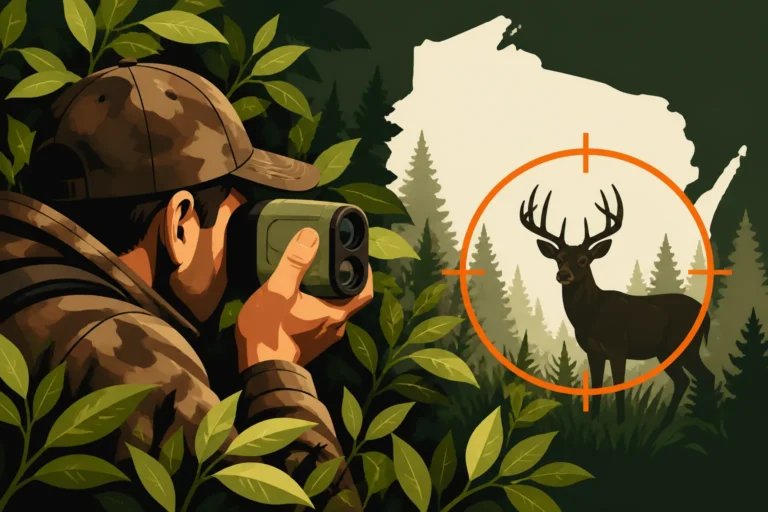
We've all been there: nestled deep in a cedar swamp or on a timbered ridge in the Hunting the Wisconsin Northern Forest for Deer, the woods are still heavy with predawn gloom, or perhaps a sudden squall has plunged everything into a near-twilight. You finally spot that elusive whitetail or a stealthy black bear moving through the thick shadows, but when you raise your rifle, your traditional black crosshairs vanish against the dark hide or the tangled backdrop. It's frustrating, disheartening, and often leads to a missed opportunity or, worse, an unethical shot. This guide is all about tackling that exact problem, showing you how an illuminated reticle can be a game-changer for clear, confident aiming in Wisconsin's toughest low-light hunting conditions.
The Challenge of Low Light in Wisconsin's Timber
Wisconsin's diverse landscapes offer incredible hunting opportunities, but they also present unique challenges, especially when it comes to visibility. From the dense conifer stands of the Northwoods to the shadowed coulees of the Driftless Area, hunters frequently find themselves peering into deep, dark timber where game loves to hide.
Why Dark Timber is So Difficult for Hunters
Imagine yourself perched in a stand on a chilly November morning. The sun is technically "up," but the thick canopy of pines, hemlocks, and dense hardwoods filters out most of the light, leaving the forest floor perpetually dim. This isn't just a slight inconvenience; it's a profound impediment to clear target identification and precise shot placement. Deer, with their dark coats, become almost invisible against the deep shadows and tree trunks. A bear moving through a thicket of spruce, its fur soaking up what little light there is, can be nearly impossible to distinguish.
Factors like heavy cloud cover, fog rolling in from a nearby swamp, or even just the inherent gloom of deep ravines further exacerbate the problem. You might have a deer at 50 yards, a perfectly ethical distance, but if you can't clearly discern your aiming point against its shoulder, that ethical shot quickly becomes questionable. The frustration stems from knowing the game is there, knowing you're within range, but being utterly defeated by the lack of contrast. This struggle is particularly acute during legal shooting hours at dawn and dusk, when animals are most active but natural light is at its absolute lowest. It's a cruel irony of hunting: the best times for action are often the hardest for optics.
The Limitations of Traditional Reticles
For decades, hunters relied on traditional black crosshairs in their scopes. These simple, unlit reticles work wonderfully in good light, providing a crisp, clear aiming point against a brighter background. However, their major weakness becomes painfully obvious the moment you introduce a low-light scenario. Try to aim at a dark-colored animal—a mature whitetail buck in its winter coat, or a black bear—standing in the deep shadows of a cedar swamp. What happens? Your black crosshairs simply disappear. They melt into the animal's fur or the dark background, becoming indistinguishable.
This isn't a problem with your eyesight or your shooting skill; it's a fundamental limitation of the reticle itself. Without any contrast, you're reduced to guessing where the center point of your crosshairs might be, which is a recipe for a bad shot. Even if you can faintly make out the crosshairs, the lack of a distinct, illuminated aiming point can lead to eye strain and a slower target acquisition. In hunting, speed and precision are paramount, especially when an animal might only offer a brief window of opportunity. Traditional reticles simply fail to deliver the necessary visibility when it matters most in those challenging, low-light situations so common in Wisconsin's diverse hunting grounds, whether you're deer hunting in the Driftless or Bear Hunting With Bait and Dogs in Wisconsin.
What an Illuminated Reticle Is and How It Works
So, if traditional black crosshairs are such a struggle in the dark timber, what's the solution? Enter the illuminated reticle, a modern optical innovation that has transformed hunting in low light. It's not magic, but it certainly feels like it when you can clearly see your aiming point in conditions that would render a standard reticle useless.
The Mechanics Behind the Glow
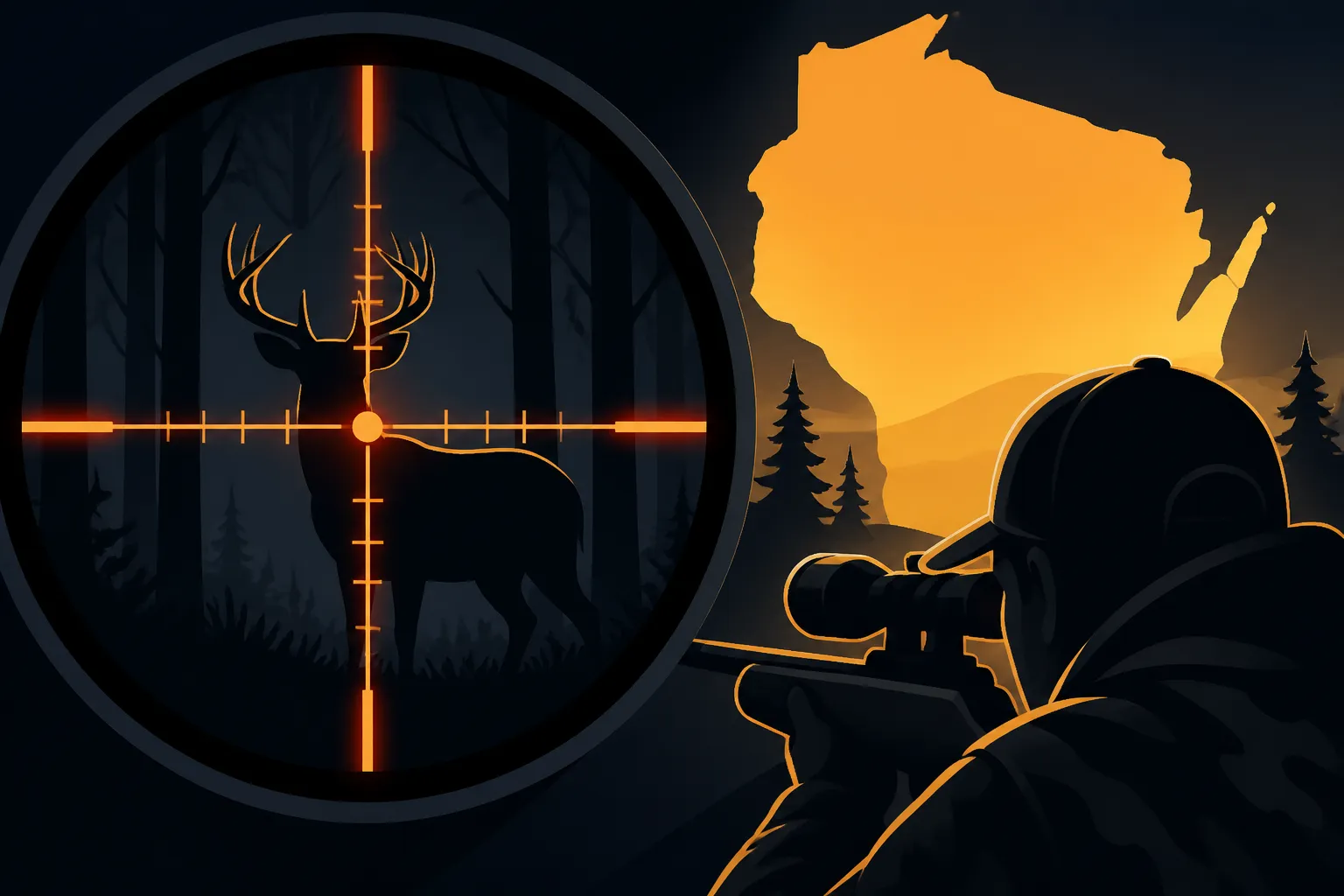
At its core, an illuminated reticle is a scope reticle that can light up. This is typically achieved by a small, integrated LED light source powered by a button-cell battery, often located in a turret housing on the side of the scope. This LED projects light onto or through the reticle, making it glow. The brilliance of this system lies in its simplicity and effectiveness. You're no longer relying on ambient light to provide contrast; the reticle generates its own.
Most illuminated reticles feature adjustable brightness settings, controlled by a dial or a set of buttons, often called a rheostat. This allows you to fine-tune the intensity of the illumination to perfectly match the surrounding light conditions. On a truly dark, overcast morning, you might need a brighter setting. If the clouds break and a bit of sun peeks through, you can dial it down to avoid over-illumination, which can cause a "bloom" effect and actually obscure your target. The goal is always to have a clearly visible aiming point that doesn't distract or overwhelm your eye.
Types of Illuminated Reticles for Wisconsin Hunting
Not all illuminated reticles are created equal, and the design can vary significantly between manufacturers. The simplest form might be an illuminated dot right at the center of the crosshairs. This offers a precise, bright aiming point without cluttering the view. Another common type illuminates the entire central crosshair or a portion of it, providing a more substantial aiming reference. These are excellent for quick target acquisition, especially when a deer might be moving quickly through an opening.
More complex designs, sometimes referred to as "Christmas tree" reticles or ballistic reticles, can have multiple illuminated holdover points or windage lines. While these offer advanced features for long-range shooting, for the typical Wisconsin timber hunter, a simpler illuminated dot or crosshair might be more practical, as most shots in dense cover are relatively close. When considering Rifle Setups for Wisconsin Deer or Optics for Wisconsin Timber and Coulees, the key is choosing a reticle that gives you a clear, unambiguous aiming point without overwhelming your field of view. The best illuminated reticles are those that offer a clean, precise aiming point that stands out against any background, whether it's a shadowy oak trunk or the dark fur of a game animal.
Benefits of Illuminated Reticles in Wisconsin's Northwoods
Hunting in Wisconsin's diverse terrain, from the dense hardwoods of the Kettle Moraine to the expansive forests up north, demands gear that performs in varied and often challenging conditions. This is where illuminated reticles truly shine, offering distinct advantages over traditional optics.
Enhancing Target Acquisition in Poor Light
Imagine you're deep in the Northwoods, perhaps scouting a new area you found using Scouting With the Wisconsin Hunt Wild App. It's late evening, the light is fading fast, and suddenly, a magnificent buck steps out from behind a thick stand of pines, perfectly silhouetted against a slightly lighter backdrop. With a traditional black reticle, you might struggle to find your crosshairs against the deer's dark hide. That split second of hesitation can be the difference between a successful shot and the buck disappearing back into the timber.
An illuminated reticle, however, cuts through that gloom. The glowing dot or crosshairs immediately stand out, providing an instant, unmistakable aiming point. This dramatically speeds up target acquisition. Your eye is drawn directly to the illuminated point, allowing your brain to process the shot faster and with greater confidence. This isn't just about speed; it's about clarity. When you can clearly see exactly where you're aiming, your confidence soars, leading to a much calmer, more controlled shot, even under pressure. This advantage is priceless during those critical first and last minutes of legal shooting light, or when a sudden rainstorm turns midday into dusk.
Maintaining Precision in Challenging Conditions
Beyond just seeing your reticle, an illuminated reticle helps maintain ethical shot placement, which is paramount to responsible hunting. When your crosshairs disappear into the background, you're essentially guessing. Even a slight misjudgment can lead to a wounded animal and a difficult, potentially unsuccessful, recovery.
With an illuminated reticle, that guessing game is eliminated. The glowing aiming point provides a precise reference, even if the rest of your field of view is murky. This allows you to place your shot exactly where it needs to go, targeting the vital zone with accuracy. Think about a bear moving through thick brush at dawn; its dark fur and the busy background could make a clean shot almost impossible with a standard reticle. But with a glowing aiming point, you can pick a specific spot on the shoulder and execute the shot with the precision needed. This precision reduces the risk of non-fatal shots and increases your chances of a quick, humane harvest, ensuring you uphold the highest standards of hunting ethics, even when conditions are far from ideal.
Adapting to Variable Light Throughout the Day
Wisconsin weather, especially during hunting seasons, is notoriously unpredictable. A morning can start clear, turn overcast by midday, and then be plunged into near darkness by a sudden squall. Your optics need to adapt just as quickly as you do. This is another area where illuminated reticles excel.
With adjustable brightness settings, you can fine-tune your reticle's illumination for any condition. If you start your hunt under bright, clear skies, you might not need any illumination, or just a very faint glow. But as the clouds roll in, or as you move from an open field edge into a dense woodlot, you can easily dial up the brightness. This adaptability means you're always prepared, regardless of how quickly the light changes. It also mitigates common frustrations like Fogged Optics in Wisconsin Cold, as you can often still discern your illuminated aiming point even if the edges of your view become a little hazy. This flexibility ensures that your scope remains a reliable tool from the first crack of dawn until the very last legal shooting minute.
Considerations When Choosing an Illuminated Reticle
When you're ready to upgrade your scope to one with an illuminated reticle, there are several key factors to weigh. This isn't just about picking the brightest light; it's about finding a system that’s reliable, durable, and performs consistently in the demanding environments of Wisconsin hunting.
Battery Life and Reliability
The very feature that makes an illuminated reticle so useful – its power source – can also be its Achilles' heel if not properly managed. Most illuminated reticles run on small, button-cell batteries. The lifespan of these batteries can vary widely depending on the reticle's design, the chosen brightness setting, and critically, the temperature. Wisconsin's cold November mornings can significantly reduce battery efficiency, meaning a battery that lasts weeks in your home might only last days or even hours when exposed to freezing temperatures in your deer stand.
It's crucial to check your battery before each hunt, and always carry spares in your pack. Many modern illuminated scopes feature an auto-off function, which is a fantastic battery-saving feature. If the scope is left on but unused for a set period, it automatically shuts off the illumination. This prevents you from inadvertently draining the battery if you forget to turn it off after a shot or at the end of the day. When researching models, platforms like GoHunt often provide user reviews and specifications on battery life, which can be invaluable for making an informed decision.
Reticle Color and Brightness Settings
The most common colors for illuminated reticles are red and green. While personal preference plays a significant role, each has its advantages. Red is generally less disruptive to night vision, which can be beneficial during those extremely low-light periods at dawn and dusk. Green, on the other hand, is often perceived as brighter and can stand out more effectively against certain backgrounds, especially reddish-brown deer fur or green foliage.
More important than the color itself, however, is the range and granularity of the brightness settings. A good illuminated reticle should offer a wide range of adjustment, from an almost imperceptible glow for deep twilight to a brighter setting that's still visible against bright snow or in midday sun. Avoid reticles that are either too dim at their highest setting or that "bloom" (where the illumination spreads and obscures the target) at their brightest. The ability to fine-tune the illumination is key to adapting to Wisconsin's fickle light conditions.
Scope Quality and Durability
An illuminated reticle is only as good as the scope it's housed in. Investing in a quality scope with good glass is paramount. Superior glass provides a clearer, brighter image, which is vital in low light even before you turn on the illumination. A cheap scope, even with an illuminated reticle, won't deliver the performance you need in challenging conditions. Look for scopes known for their robust construction, as hunting often involves bumping and jostling your gear.
Furthermore, ensure the scope is fully waterproof and fogproof. Wisconsin's weather, with its propensity for rain, snow, and rapid temperature changes, will put your optics to the test. A scope that fogs up internally or leaks will render even the best illuminated reticle useless. Researching reputable brands and checking reviews on sites like GoHunt can help you find models known for their optical clarity and durability in the field. Remember, your scope is an investment; choose one that will stand up to years of hard use.
Cost Versus Value
It’s easy to get caught up in the allure of the latest and greatest, but it’s important to balance performance with your budget. Illuminated reticles do add to the cost of a scope, but the value they provide in increased confidence and ethical shot placement in low light can be immeasurable.
The market offers illuminated reticle scopes across a broad price spectrum. While top-tier models certainly deliver exceptional performance and features, there are also excellent mid-range options that provide significant benefits without breaking the bank. Consider how often you hunt in challenging low-light conditions and how much you prioritize that extra edge. Sometimes, paying a bit more for a scope that consistently performs when you need it most is a wise investment, especially if it means avoiding a missed opportunity on a hard-earned tag. The goal isn't to buy the most expensive scope, but the best scope for your needs that fits your budget, offering good Low-Light Performance in a Scope and solid build quality.
Practical Application and Best Practices
Having an illuminated reticle is one thing; using it effectively in the field is another. To truly leverage this technology, a bit of foresight and practice go a long way in ensuring you're ready when the moment of truth arrives.
Zeroing and Practice in Low Light
Just like any other piece of gear, an illuminated reticle requires proper zeroing. This means not just zeroing your rifle in bright daylight, but also practicing with the illumination on, at various brightness settings, and critically, in low-light conditions. Take your rifle to the range during those last minutes of daylight or first minutes of dawn, simulating actual hunting conditions. This allows you to see how the reticle's brightness affects your sight picture and ensures your point of impact remains consistent. You might find that a very bright setting, while great for target acquisition, slightly affects your perception of the target or introduces a subtle "bloom" that you need to account for.
It's also essential to practice acquiring targets quickly with the illuminated reticle engaged. Many hunters are accustomed to traditional crosshairs. Retraining your eye to immediately pick up the glowing dot or crosshair under pressure is crucial. Practice snapping the rifle to your shoulder and quickly finding your aiming point, just as you would if a deer suddenly materialized in the shadowy woods. This muscle memory will pay dividends when a real hunting opportunity presents itself.
Managing Battery Power in the Field
The biggest drawback of an illuminated reticle is its reliance on a battery. Forgetting to turn it off, or having a battery die unexpectedly, can negate all its benefits. Make it a habit to check your scope's battery before you head out for a hunt. A quick glance at the illumination level or even a test fire with the reticle on can confirm it's ready. Always carry at least one, if not two, spare batteries in a secure, waterproof compartment in your pack. Clothing for a Wisconsin November often includes many pockets, so designate one specifically for spare batteries.
Cold weather is particularly hard on batteries. If you're sitting in a stand all day in freezing temperatures, consider keeping your spare batteries in an interior pocket close to your body to keep them warm. Many modern scopes have auto-off features, which are fantastic, but don't rely solely on them. Manually turning off the illumination when you're not actively glassing or expecting a shot will significantly extend battery life. And speaking of maintenance, remember that moisture can also affect electronics; ensure your scope is sealed and dry, just as you'd ensure your Keeping a Muzzleloader Dry in Wet Snow.
When to Use (and Not Use) Illumination
It might seem counterintuitive, but there are times when using your illuminated reticle is unnecessary, or even detrimental. In bright, open conditions, the illumination can actually be distracting or create a glare. A quality scope will still provide a crisp, black reticle in good light, which is perfectly adequate. The key is to use the illumination only when it provides a distinct advantage.
Think of it as a tool in your hunting arsenal, not a default setting. You'll primarily want it on during those low-light periods at dawn and dusk, or when hunting in exceptionally dense cover. If you're Hunting the Peak Rut Week in Wisconsin and a buck is moving at midday across a sun-drenched field, you likely won't need the illumination. If, however, it ducks into a shadowy woodline, a quick flick of the rheostat can prepare you for a shot in the gloom. Learning to instinctively turn it on when needed, and off when not, is a skill that comes with practice and will conserve your battery for when it truly matters.
Here's a quick comparison of traditional vs. illuminated reticles:
| Feature | Traditional Reticle (Black Crosshairs) | Illuminated Reticle (Red/Green Dot/Crosshair) |
|---|---|---|
| Visibility in Low Light | Poor – disappears against dark backgrounds | Excellent – stands out brightly |
| Target Acquisition | Slower, especially in shadows | Faster, clear aiming point |
| Precision | Can be compromised in low contrast | Maintained in challenging conditions |
| Battery Reliance | None | Requires battery, susceptible to cold |
| Cost | Generally lower | Generally higher |
| Adaptability | Limited to ambient light conditions | Highly adaptable with brightness settings |
Ultimately, an illuminated reticle is a powerful tool for serious hunters facing the common frustrations of Wisconsin's dark timber and challenging light conditions. It removes the guesswork, speeds up target acquisition, and allows for more confident, ethical shot placement when every second and every detail counts. While it requires thoughtful consideration regarding battery management and scope quality, the advantages it offers in clarity and precision often make it an invaluable addition to your Rifle Scopes for Low-Light Timber and overall hunting gear. Just remember, it's not a substitute for good optics or solid shooting fundamentals, but a powerful enhancement to your existing skills.
Disclaimer
This article is for general informational purposes only and does not constitute professional advice. Laws, prices and regulations vary by location and change over time. Consult a qualified professional for guidance on your specific situation.