How Turkeys Reached Northern Wisconsin
Wild turkey populations returned to northern Wisconsin through conservation efforts after vanishing due to market hunting and habitat destruction.
Know what you’re after.
Big game, small game, upland birds, and waterfowl — identification, behavior, rut and migration timing, and how each species moves through the season.
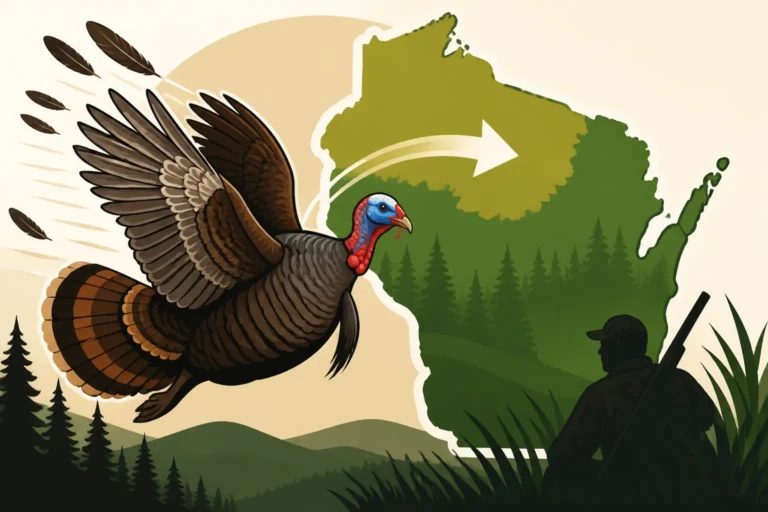
Wild turkey populations returned to northern Wisconsin through conservation efforts after vanishing due to market hunting and habitat destruction.
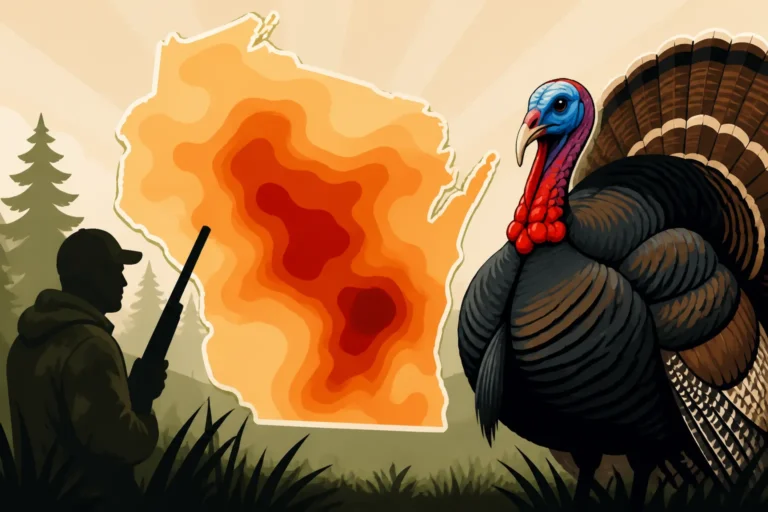
Wisconsin wild turkey population densities, restoration history, and prime agricultural habitat characteristics for hunters.
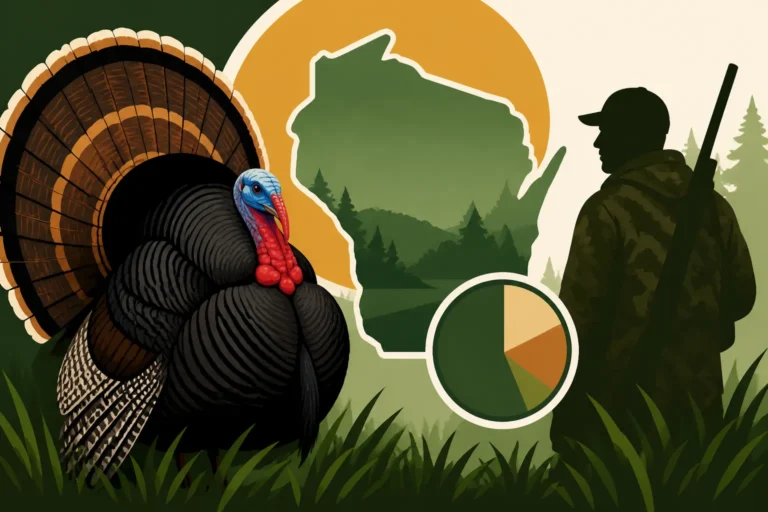
Wisconsin spring turkey harvest numbers track wild birds registered by hunters, population health, and hunting success rates.
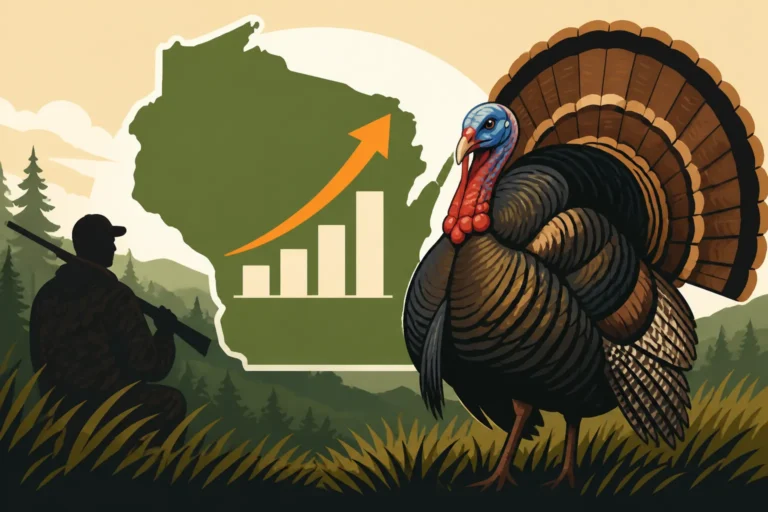
Wisconsin wildlife biologists use statistical models and observations to estimate wild turkey population trends across the state.
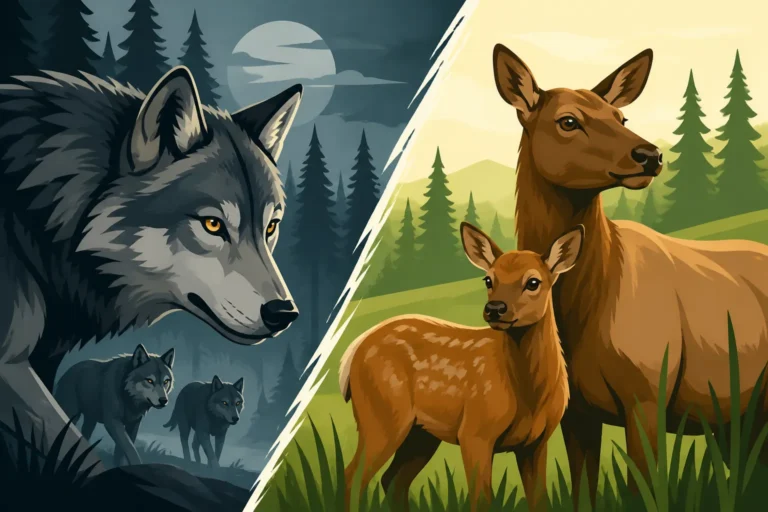
Wisconsin wolf predation and other mortality factors like black bears and disease impact newborn elk calf survival rates.
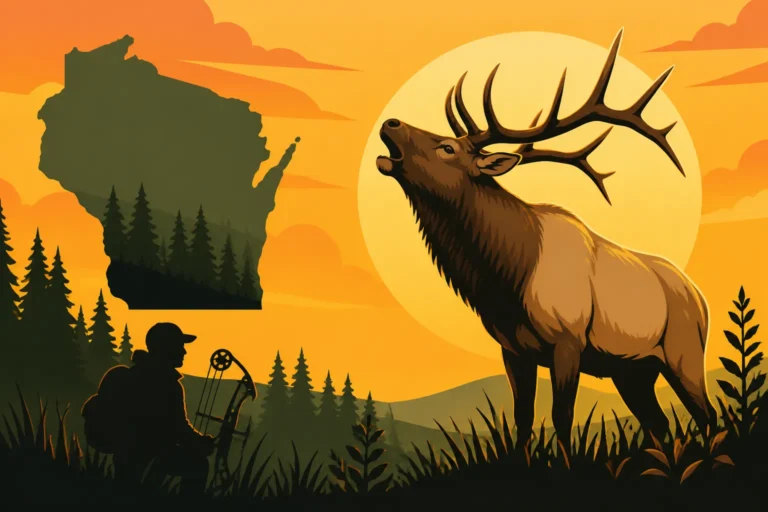
Wisconsin elk bugling activity peaks in late September through early October, driven by photoperiod, temperature, and biology.
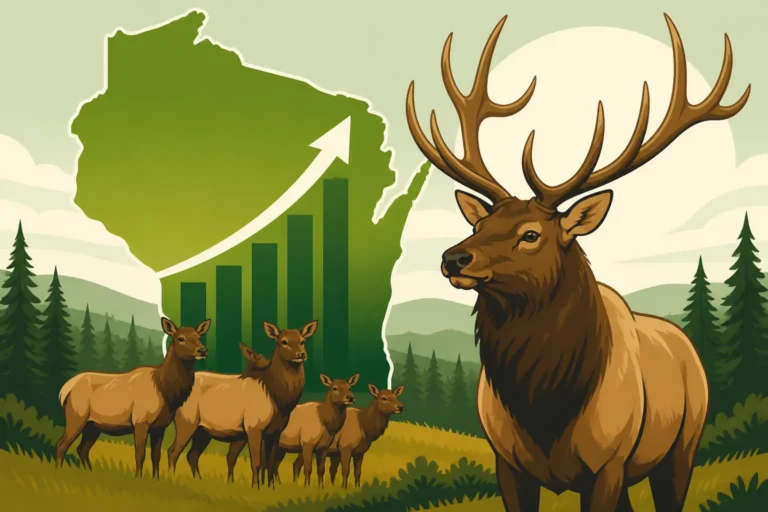
Wisconsin elk reintroduction efforts in Clam Lake and Black River created record population growth across northern and central forests.
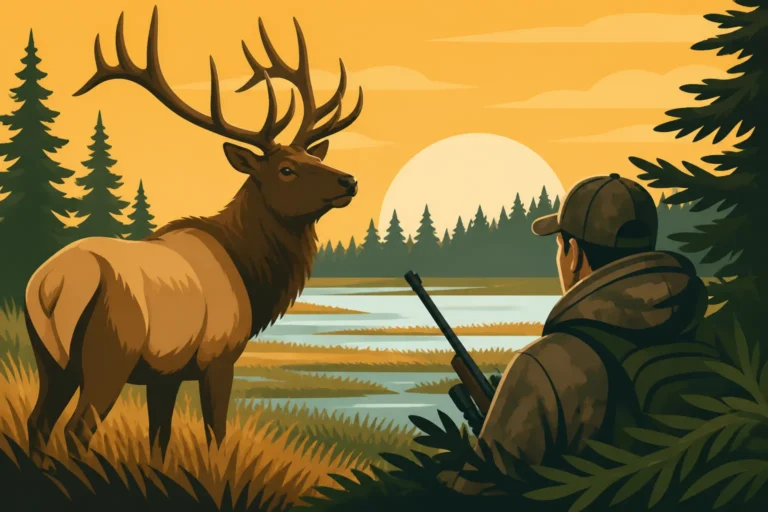
Wisconsin elk restoration history explains the 1995 Clam Lake reintroduction project and why native populations vanished.
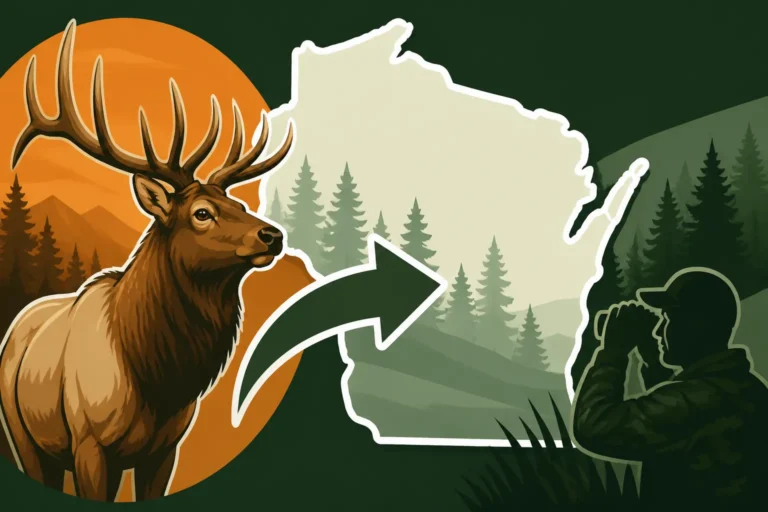
Wisconsin elk reintroduction efforts trace the historical presence, habitat loss, and return of native wildlife to the state.
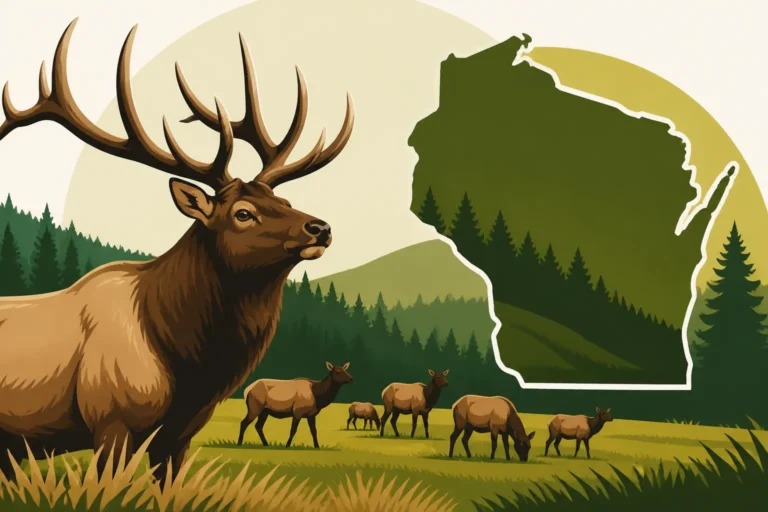
The Central Wisconsin elk herd, established in 2015 with twenty-three animals near Black River Falls, shows modest population growth.