Wildlife Diseases Wisconsin Hunters Watch
Wisconsin wildlife diseases and chronic wasting disease regulations explained for hunters, detailing monitoring efforts and safety rules.
Know what you’re after.
Big game, small game, upland birds, and waterfowl — identification, behavior, rut and migration timing, and how each species moves through the season.
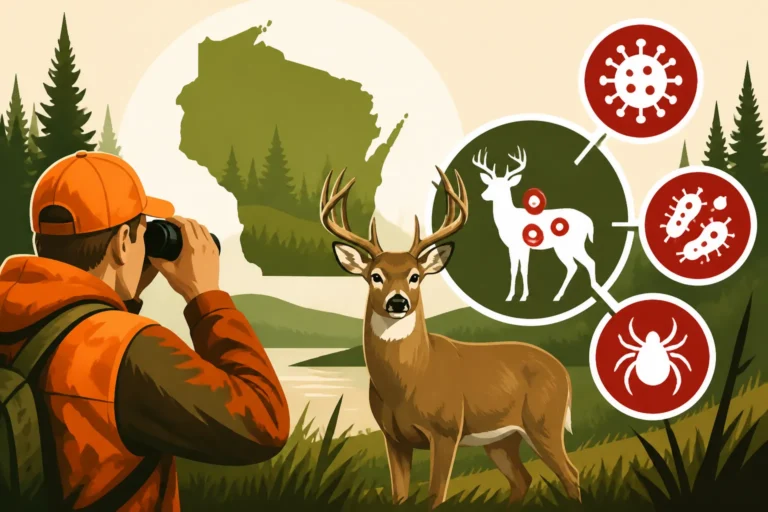
Wisconsin wildlife diseases and chronic wasting disease regulations explained for hunters, detailing monitoring efforts and safety rules.
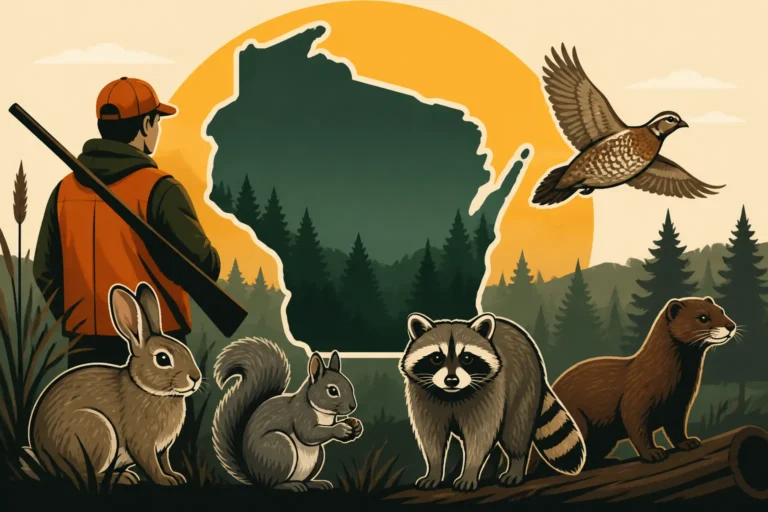
Wisconsin small game and furbearer hunting provides year round opportunities, active challenges, and continuous outdoor engagement.
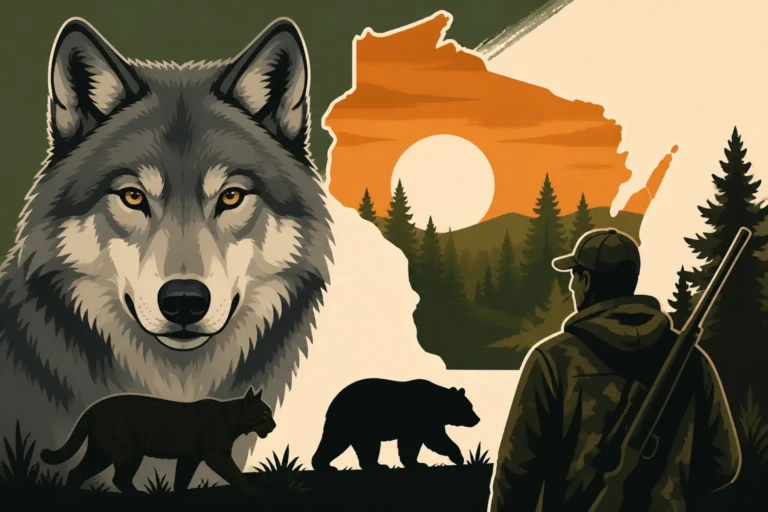
Wisconsin predators such as wolves and coyotes shape local ecosystems, impact deer populations, and influence regional hunting traditions.
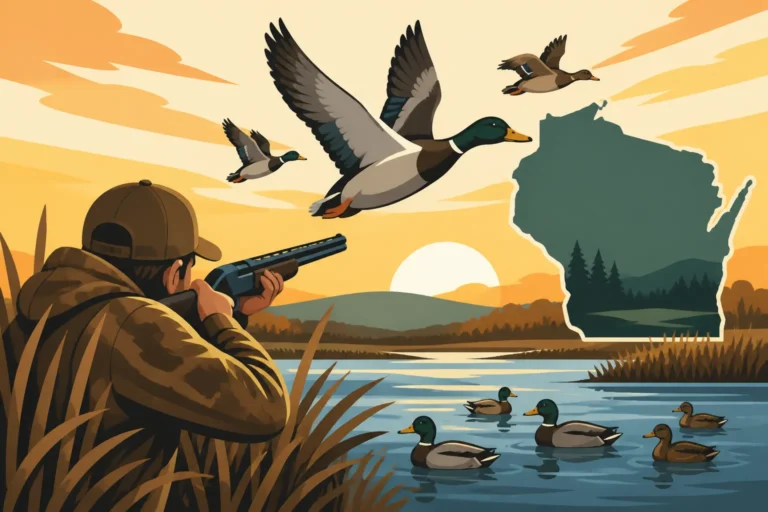
Wisconsin waterfowl hunting along the Mississippi Flyway offers details on migration timing, key staging areas, and species habitats.
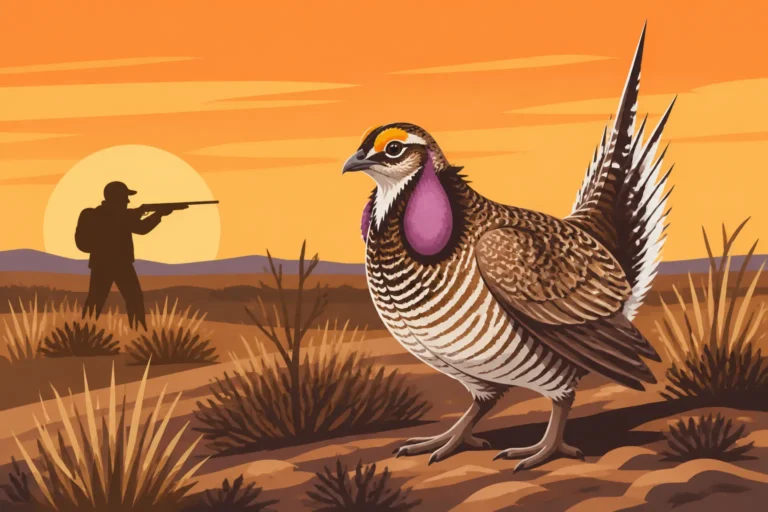
Sharp-tailed grouse hunting in Wisconsin barrens requires navigating rare oak and pine ecosystems and understanding declining populations.
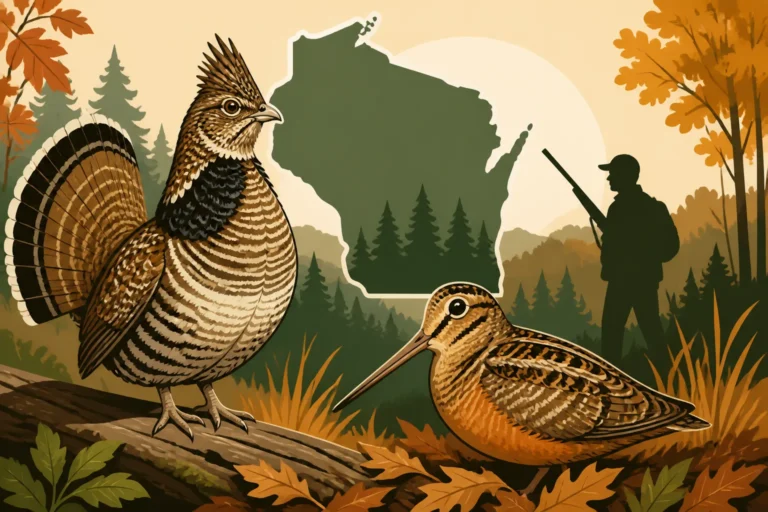
Wisconsin ruffed grouse populations, cyclic fluctuations, and woodcock habitats explained with effective hunting strategies for coverts.
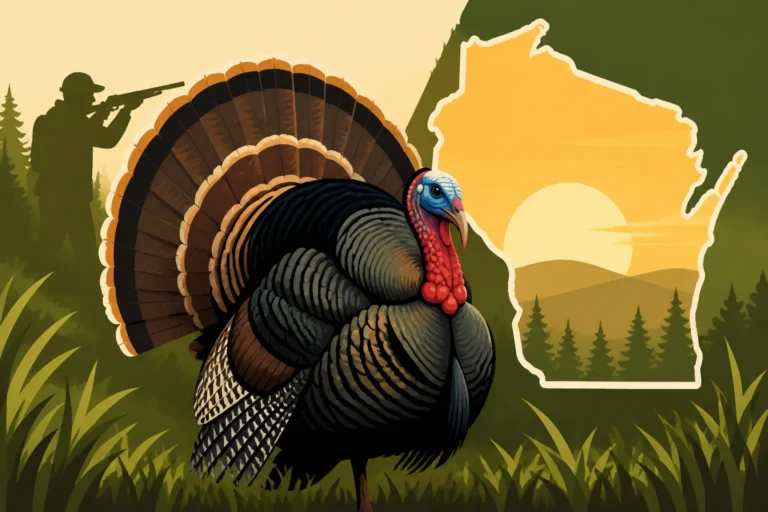
Wisconsin wild turkey history, reintroduction programs, population distribution across all seventy two counties, and current management facts.
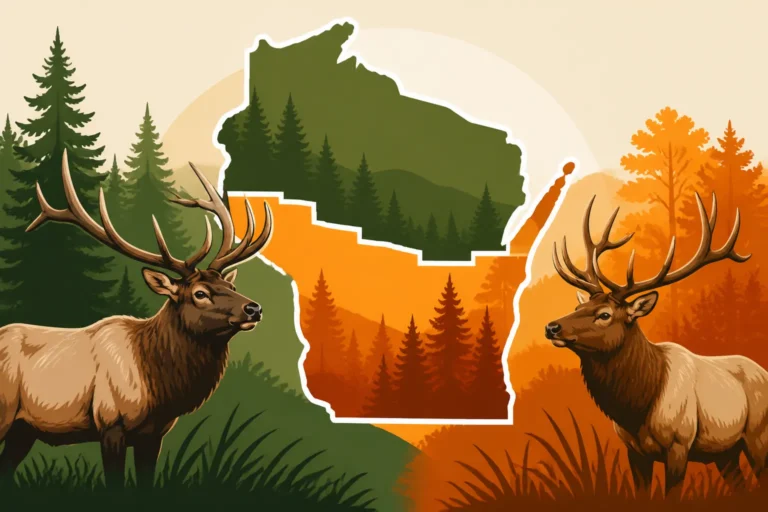
Wisconsin elk herds in the northern and central regions outline locations, history, and the 1995 and 2015 reintroductions.
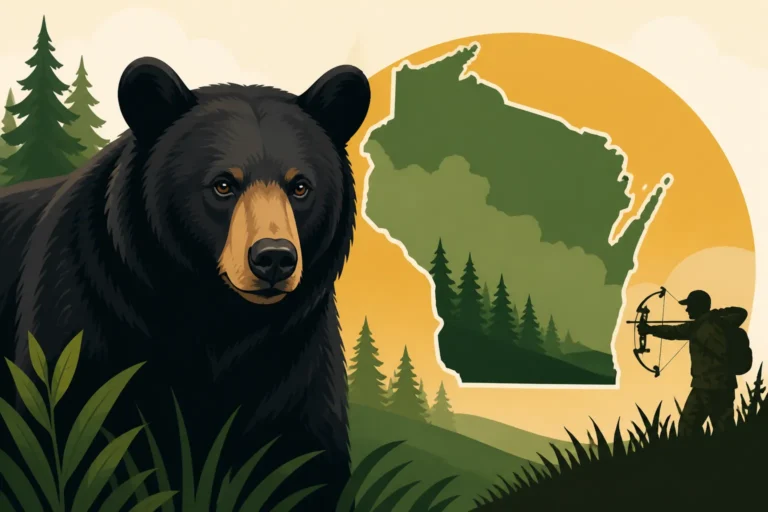
Wisconsin black bear numbers, estimated between twenty thousand and thirty thousand by the Department of Natural Resources, continue growing.
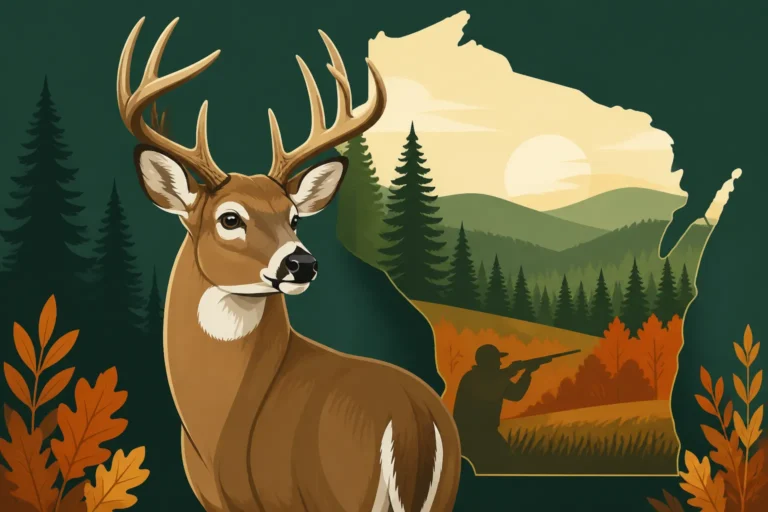
White-tailed deer hunting traditions and regional management zones across Wisconsin’s diverse landscapes shape the annual autumn pursuit.