Duck Migration Timing Through Wisconsin
Duck migration through Wisconsin involves weather fronts, water conditions, and geographical funnels influencing bird movements.
Know what you’re after.
Big game, small game, upland birds, and waterfowl — identification, behavior, rut and migration timing, and how each species moves through the season.
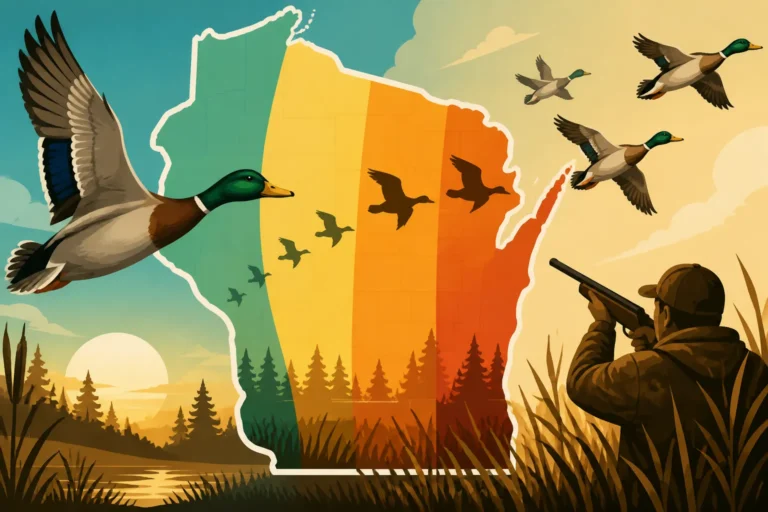
Duck migration through Wisconsin involves weather fronts, water conditions, and geographical funnels influencing bird movements.
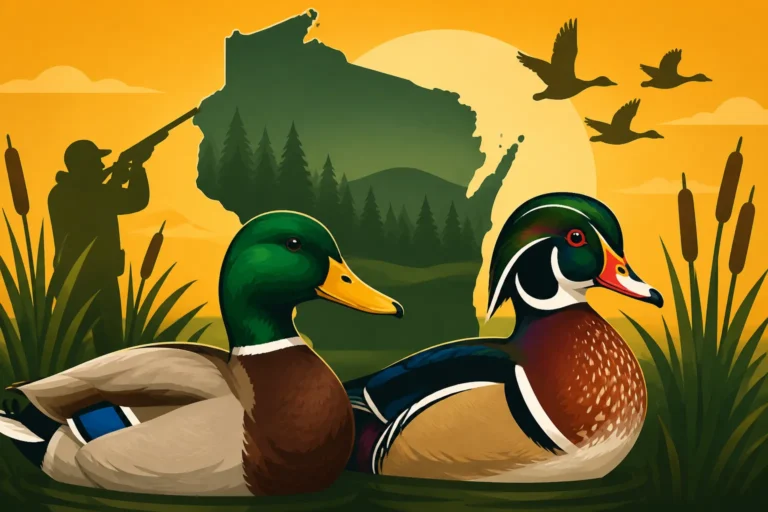
Wisconsin mallard and wood duck population numbers reveal how habitat conditions and environmental factors influence waterfowl hunting.
Wisconsin history reveals how 1820s lead miners digging hillside burrows in the Driftless Area inspired the Badger State nickname.
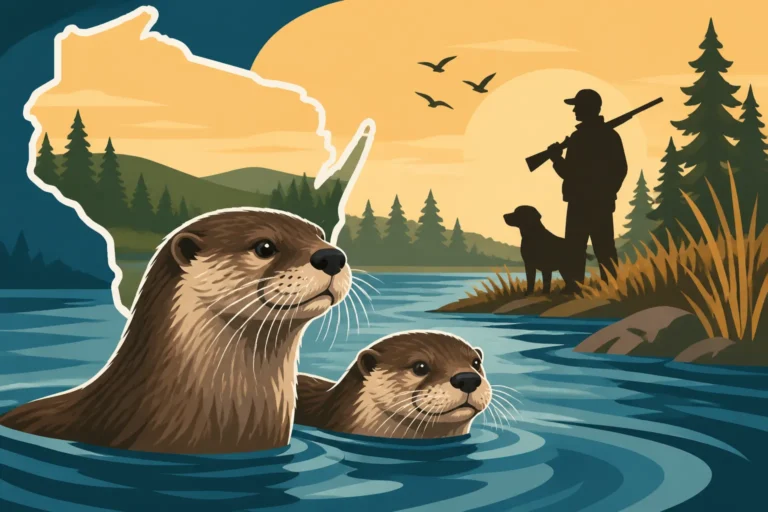
Wisconsin river otters, elusive members of the weasel family, live across state waterways, featuring specific diets and population regulations.
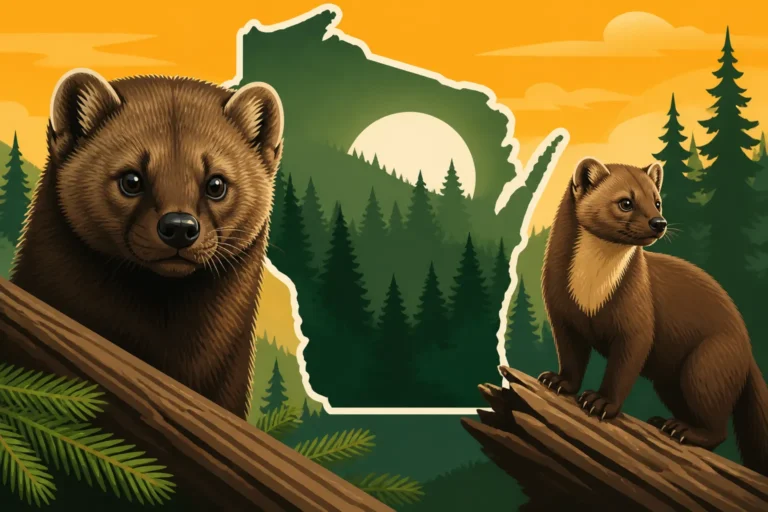
Wisconsin fishers and American martens are elusive forest furbearers that eat porcupines, and this text details how to tell them apart.
Wisconsin cougar sightings involve transient young males from South Dakota, but definitive evidence of local breeding remains elusive.
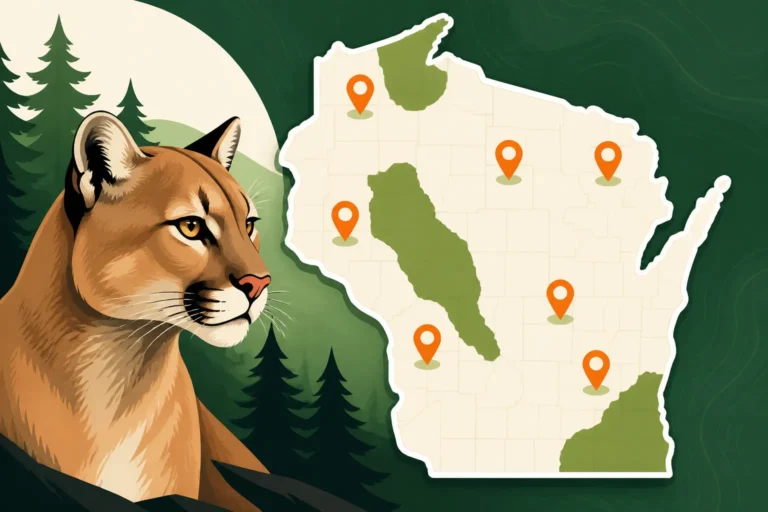
Wisconsin cougar sightings and evidence help hunters and outdoor enthusiasts understand where these elusive predators have been documented.
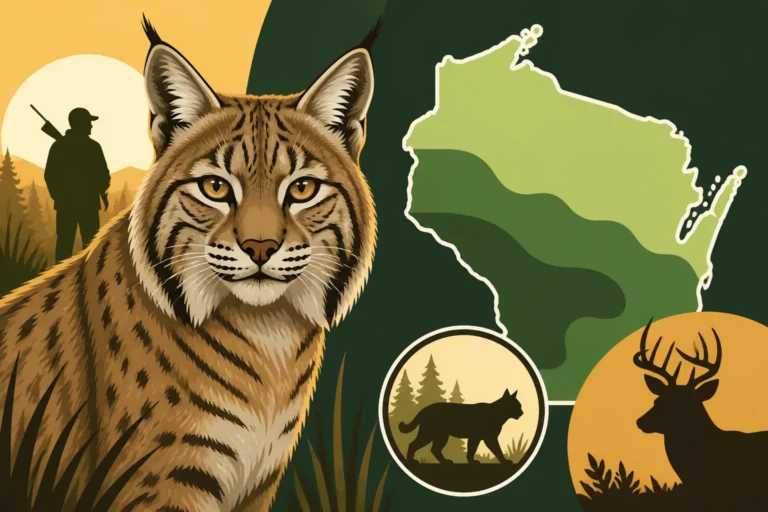
Wisconsin bobcat range information and harvest management details help hunters understand local predator populations and habitat preferences.
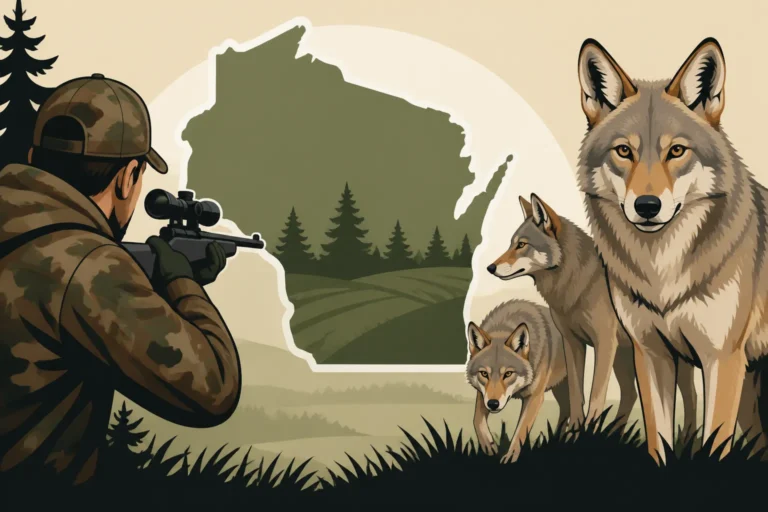
Wisconsin coyote population estimates and distribution methods explain how wildlife biologists track these elusive animals across the state.
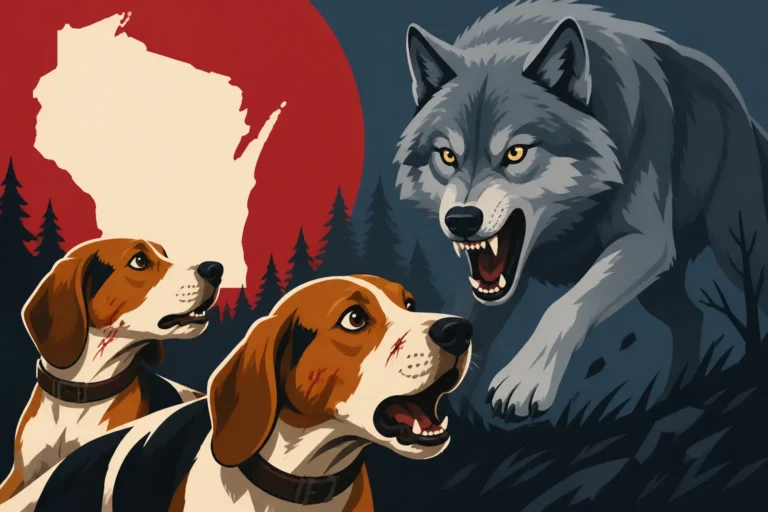
Wolf depredation on Wisconsin hounds occurs when territorial wolves attack hunting dogs for bear, bobcat, and coyote in northern forests.