Avian Influenza in Wisconsin Birds
Avian influenza in Wisconsin birds causes severe illness, impacting waterfowl and raptors while presenting risks for hunters.
Know what you’re after.
Big game, small game, upland birds, and waterfowl — identification, behavior, rut and migration timing, and how each species moves through the season.
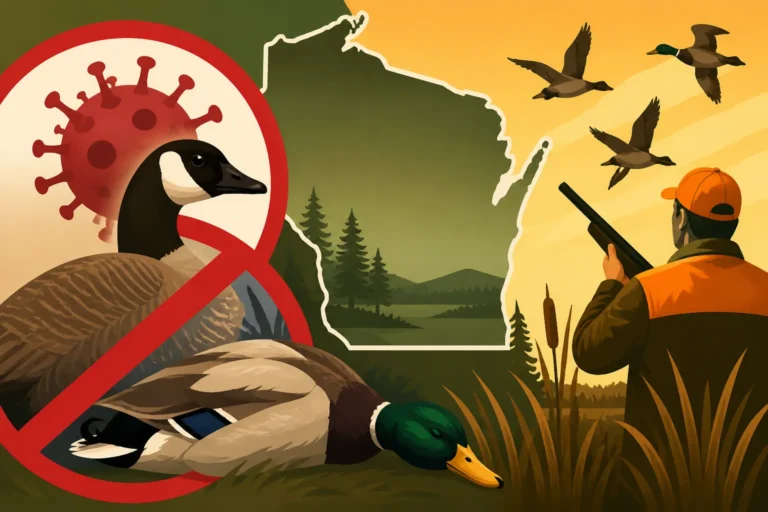
Avian influenza in Wisconsin birds causes severe illness, impacting waterfowl and raptors while presenting risks for hunters.
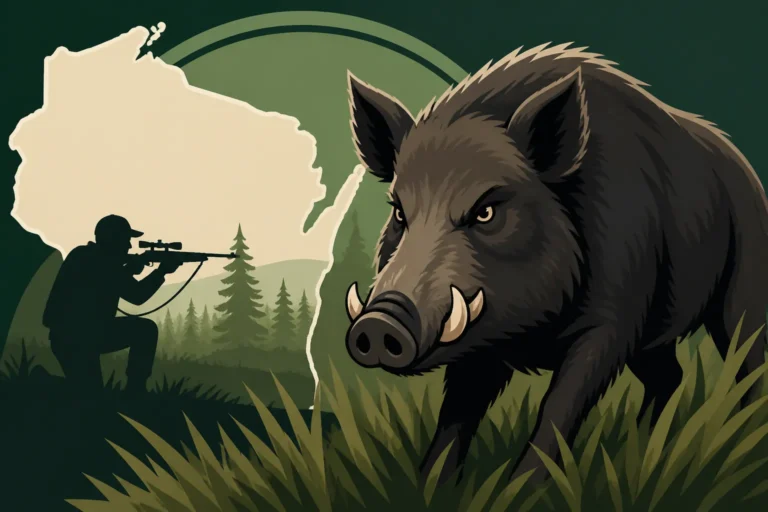
Feral swine sightings in Wisconsin explain identification, ecological destruction, reproduction rates, and proper actions for residents.
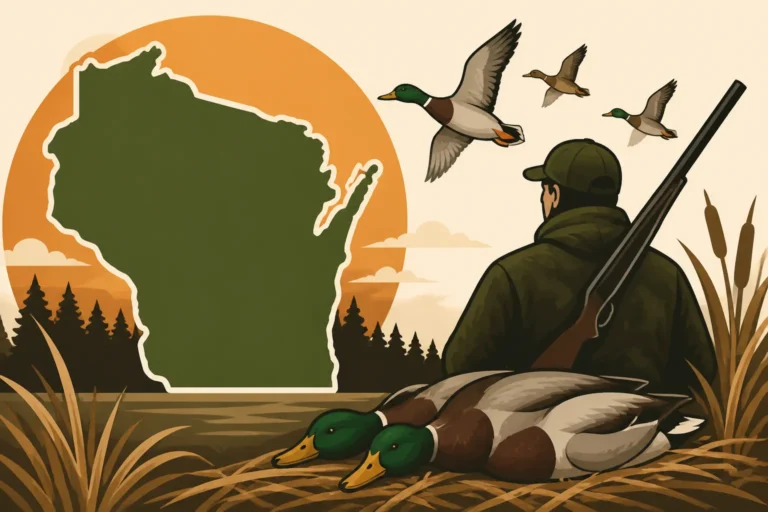
Wisconsin duck harvest data reveals waterfowl population health and migration patterns through state and federal surveys.
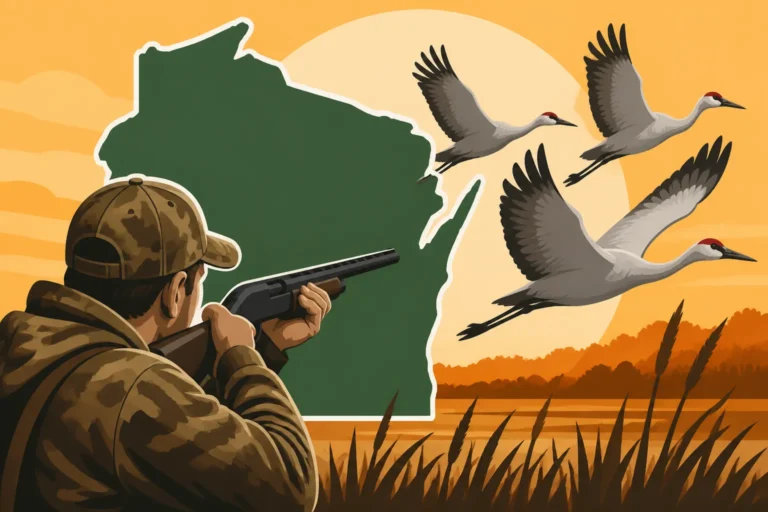
Wisconsin sandhill crane hunting prospects depend on biology, public opinion, and complex regulatory hurdles across the state.
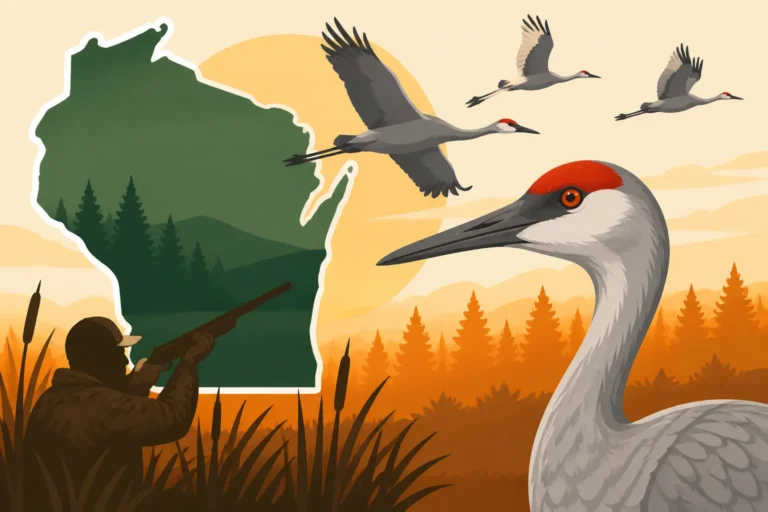
Wisconsin Sandhill Crane population numbers recovered from fewer than fifty breeding pairs due to critical conservation efforts and wetland protections.
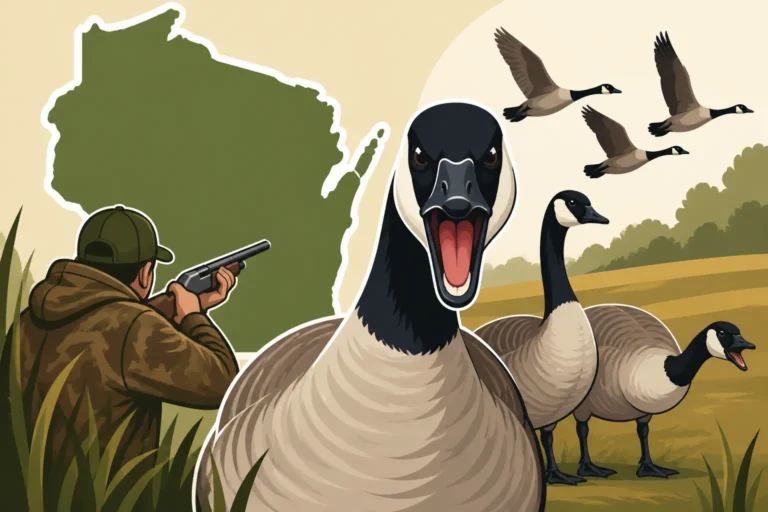
Resident Canada geese in Wisconsin cause crop damage and water pollution, while offering management strategies for landowners.
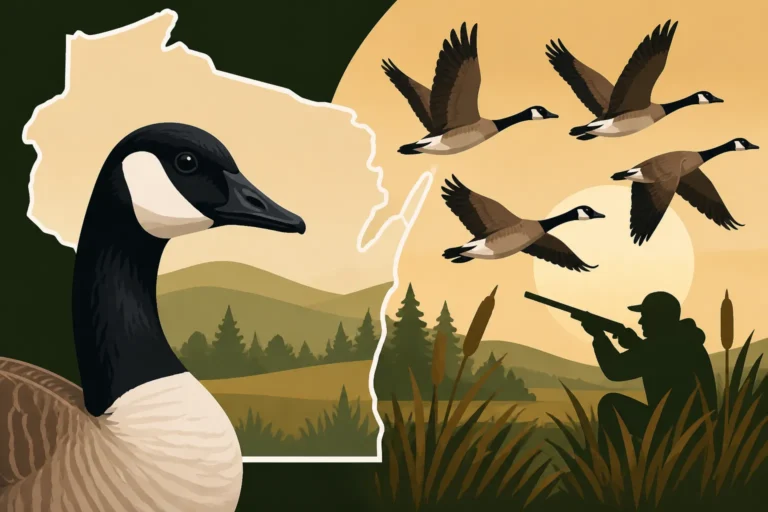
Wisconsin Canada goose populations include resident and migratory birds, creating management challenges for farmers, urban areas, and hunters.
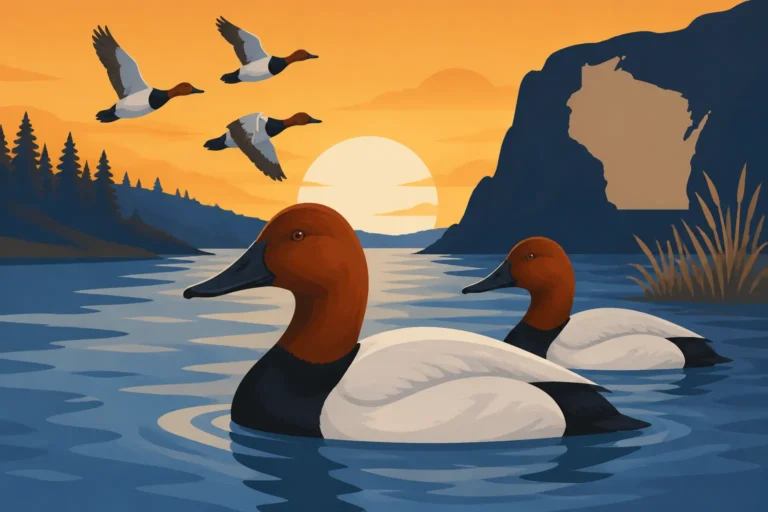
Canvasbacks on the Mississippi River require specific tactics, migration timing, and identification for successful waterfowl hunting.
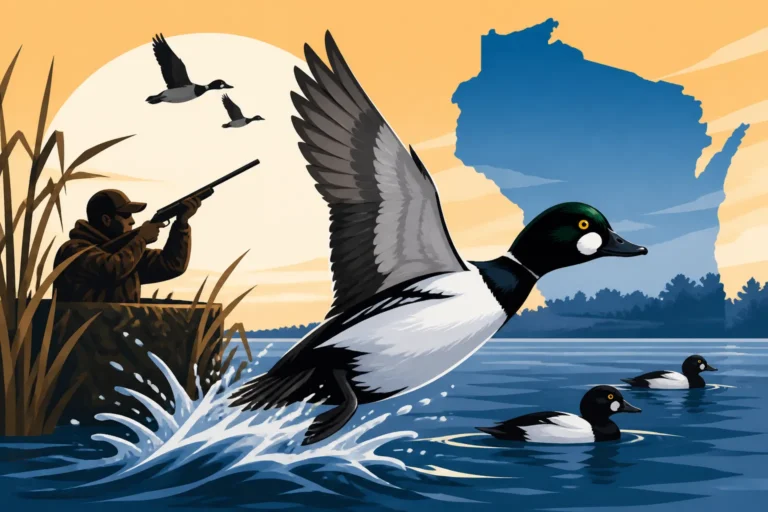
Diver duck hunting on Lake Winnebago provides tips for chasing bluebills, canvasbacks, and redheads across Wisconsin’s largest inland lake.
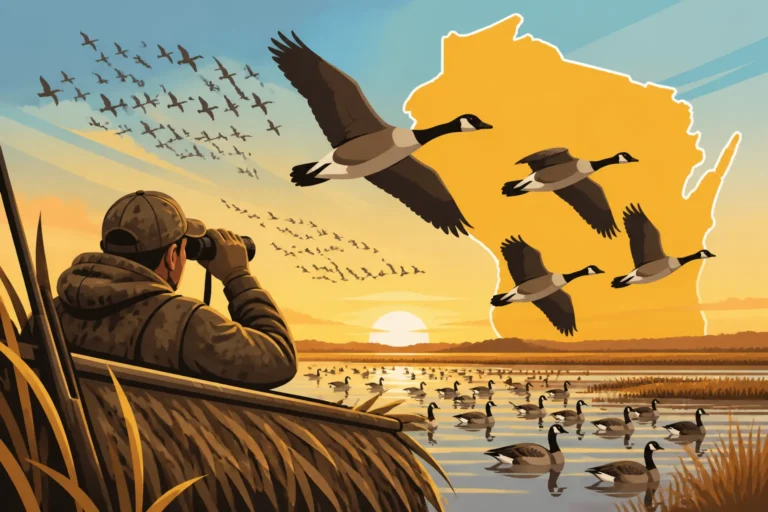
Canada goose staging at Horicon Marsh brings hundreds of thousands of birds to the Mississippi Flyway every autumn to rest and feed.