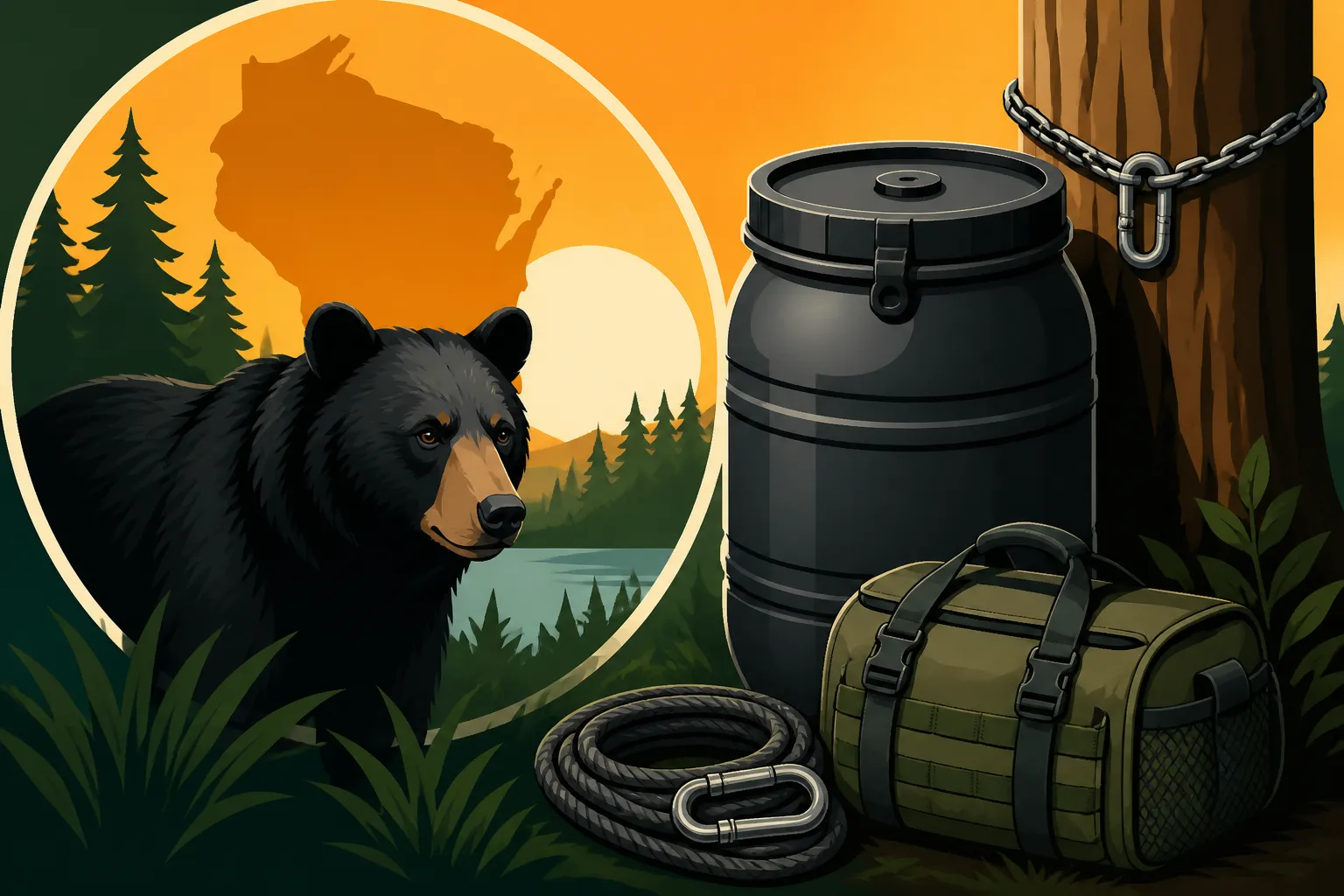
Bear Bait Barrels and Site Gear
It’s no secret that bear hunting in Wisconsin often involves a significant commitment to baiting, and for good reason—it can be incredibly effective. However, it’s not just about tossing out a pile of donuts; there’s a real art and science to setting up a successful bait site, not to mention a strict set of regulations you need to follow. This guide will delve deep into the essential gear and strategies for creating and maintaining a legal, effective, and secure bear bait site in Wisconsin, helping you increase your odds of success come season.
Understanding Wisconsin Bear Baiting Regulations
Before you even think about buying your first barrel or bag of pastries, you absolutely must understand the rules of the game. Wisconsin has specific regulations governing bear baiting, and they can change, so staying informed is paramount. Ignoring these rules can lead to fines, losing your hunting privileges, and even confiscation of your gear. It’s a pain, I know, to constantly check the rulebook, but it’s part of responsible hunting.
Legal Framework for Baiting
Wisconsin defines what constitutes a legal bait site, how much bait you can put out, and even the type of materials allowed. Generally, bear baiting is permitted in specific zones and during certain periods, aligning with the bear hunting seasons. The primary purpose of these regulations is to manage the bear population, ensure fair chase, and prevent the spread of diseases. It’s a delicate balance, and the state's natural resources department works hard to maintain it. You’ll want to review the current year's hunting regulations booklet thoroughly to ensure you're compliant. Don't just rely on what you heard from a buddy; those details can get twisted.
Remember, the goal is to attract bears safely and ethically, not to habituate them to human interaction or create nuisance animals. The laws are there to protect both the bears and the public, so take them seriously. Misinformation is rampant, especially when it comes to specific dates and quantities. Always double-check the official sources.
Permitted Baiting Quantities and Dates
One of the most frequently asked questions revolves around how much bait you can use and when you can start. Wisconsin regulations specify a maximum volume of bait that can be present at any single site at one time. This isn't just about how much you put out; it's about how much is there. So, if a bear only eats a little, and you add more, you could accidentally exceed the limit. This often means making more frequent, smaller bait drops rather than one massive one.
The official baiting start date is also critical. Starting too early is a violation, and the enforcement officers are well aware of when bait should begin appearing. Typically, baiting starts several weeks before the opening of the bear hunting season, allowing bears to find the sites and establish a pattern of visitation. This is a crucial period for Building and Freshening a Wisconsin Bear Bait. Plan your first trip to the woods carefully, making sure you're within the legal window to avoid any issues. This period also allows you to get your cameras set up and begin to identify the bears in your area.
Baiting in CWD Zones vs. Non-CWD Zones
This is a really important distinction that often catches hunters off guard. While bear baiting is generally permitted in most bear zones, there are specific restrictions in areas designated as Chronic Wasting Disease (CWD) affected or "CWD-positive" counties. In these areas, baiting and feeding of deer and elk is often banned entirely, and these bans can sometimes extend to other species, including bears, or impose specific rules on the types of bait you can use. Which Wisconsin Counties Have CWD is an important piece of information to be aware of.
Even if direct bear baiting isn't prohibited, there might be rules about baiting methods, types of food, or restrictions on attracting deer. For instance, some regulations might restrict the use of certain grains or minerals that are attractive to deer, even if your primary target is bear. Always check the specific county you plan to hunt in. How Wisconsin Baiting Bans Are Triggered and How Long a Wisconsin Baiting Ban Lasts can give you more insight into how these zones are established and maintained. It's truly a pain to scout a perfect spot only to find out you can't legally bait there, so do your homework early!
Choosing the Right Bear Bait Barrel
The bait barrel, or container, is arguably the most recognizable piece of equipment at a bear bait site. It's more than just a holder for your goodies; it's a strategic component designed to control bait distribution, protect it from other animals, and keep your site active for longer. Get this wrong, and you'll be constantly refilling or dealing with a torn-up mess.
Types of Barrels and Containers
When it comes to bear bait barrels, you generally have a few main options, each with its own pros and cons.
- Plastic Drums (55-gallon): These are perhaps the most common. They're relatively inexpensive, lightweight when empty, and can hold a substantial amount of bait. You'll often find them used or recycled from food-grade sources. The downside is that bears can eventually chew and tear them apart, especially if they're persistent. Hunters often reinforce them with metal bands or chains.
- Metal Drums (55-gallon): These are far more durable than plastic. A bear will have a much harder time tearing into a steel drum. However, they are heavier, making them more difficult to transport and move, especially if you're hiking into a remote site. They also tend to be more expensive.
- Specialty Bear Bait Feeders: Some companies manufacture feeders specifically designed for bear baiting. These might be gravity-fed, timed dispensers, or highly reinforced containers. They can be very effective at controlling how much bait a bear gets and minimizing waste, but they come with a higher price tag. They are often built with heavy-gauge steel or thick, bear-resistant plastic.
The key is to think about your specific needs. Are you setting up a remote site that you can only visit once a week? Then a more durable, secure option might be worth the extra effort or cost. If you're on private land and can check it frequently, a well-reinforced plastic drum might suffice.
Durability and Security Features
Bears are incredibly strong and resourceful. They don't just sniff around; they'll try to roll, smash, and tear apart anything standing between them and a meal. Therefore, durability is key. A simple plastic trash can won't last an hour. A good bait barrel often features:
- Reinforced Lids: Bears are smart, and lids are often their first point of attack. Many hunters use heavy-duty straps, chains, or even bolts to secure lids. Some even weld hinges or clasps onto metal barrels.
- Small Openings: Instead of leaving the entire barrel open, many baiters cut a small, bear-sized hole (or a few) near the bottom of the barrel. This forces the bear to work for the bait, slowing consumption and spreading the scent.
- Ground Anchoring: Even the heaviest barrel can be rolled away by a determined bear. Anchoring your barrel to a tree with heavy chains, cables, or even rebar driven into the ground is crucial. You want it secure enough that the bear has to stay put and work at the bait, rather than just dragging it off into the brush.
- Material Strength: As mentioned, metal is generally superior to plastic for longevity against bear attacks. If you use plastic, consider thicker-walled industrial drums and be prepared for potential damage.
Remember, the longer your bait lasts and the harder a bear has to work for it, the more time they'll spend at your site, increasing the chances of getting good Trail Cameras on a Wisconsin Bait Site photos and establishing a consistent pattern.
Barrel Placement and Anchoring Strategies
Where you put your barrel and how you secure it can be as important as the barrel itself. Think like a bear. They want easy access, but also feel safe. You want it visible enough for your cameras but not so exposed it scares them off.
- Proximity to Cover: Bears prefer to approach a bait site from cover and have an escape route. Placing your barrel near a dense thicket, a stand of evergreens, or along the edge of a swamp gives them that sense of security. Avoid wide-open areas if possible.
- Viewing Lanes for Cameras: Position the barrel so that your trail cameras have a clear, unobstructed view of the primary feeding area. You want to capture clear images of the bears visiting, not just their hindquarters.
- Anchoring to Immovable Objects: Find a robust tree, stump, or even a large boulder to chain your barrel to. Use high-quality chains or steel cable that a bear can't easily break or chew through. Secure it tightly to prevent movement. Don't underestimate a bear's strength; they can and will move a loose barrel a surprising distance.
- Accessibility for You: While you want it to be a bit hidden from human eyes, don't make it impossible for you to access. You'll be visiting frequently to refresh the bait and check cameras. Consider your entry and exit routes to minimize disturbance.
Table: Common Bear Bait Barrel Options
| Feature | 55-Gallon Plastic Drum | 55-Gallon Metal Drum | Specialty Bear Feeder |
|---|---|---|---|
| Cost | Low to Moderate | Moderate to High | High |
| Durability | Fair (needs reinforcement) | Excellent | Excellent |
| Weight (Empty) | Light | Heavy | Moderate to Heavy |
| Ease of Transport | Easy | Difficult | Moderate |
| Bear Resistance | Moderate (chewing possible) | High (very resistant) | Very High |
| Bait Control | Low (if open) to Moderate | Low (if open) to Moderate | High (often metered/timed) |
| Common Use | Entry-level, frequent visits | Durable, long-term sites | Advanced, efficient feeding |
Essential Site Gear Beyond the Barrel
While the barrel holds the bait, there's a whole host of other gear that makes a bait site truly effective and manageable. These are the tools that help you scout, attract, and maintain, ensuring your efforts aren't wasted.
Trail Cameras for Scouting
Trail cameras are indispensable for bear baiting. They are your eyes in the woods, working 24/7 to gather crucial intelligence. Without them, you're truly hunting blind. You need to know what's visiting your site, when they're visiting, and whether they're the bears you're targeting.
- Monitoring Activity: Set up cameras to confirm that bears are finding and consistently visiting your bait. This is how you learn their patterns—are they nocturnal? Do they show up every other day? Are there multiple bears?
- Identifying Bears: Bears often have unique characteristics (size, scars, ear tags, fur color variations) that can help you identify individual animals. This is especially important if you're looking for a particular size of bear or trying to avoid taking a sow with cubs. High-quality photos or videos can make all the difference. Trail Cameras on a Wisconsin Bait Site goes into more detail about how to deploy them.
- Camera Placement: Position cameras strategically. You want a clear shot of the barrel, ideally from a slightly elevated position looking down, or from eye-level looking straight on. Make sure there are no small branches or tall grasses that can trigger false detections. Consider cellular-enabled cameras if you're in a remote area and want real-time updates without constant site visits, though check service availability. Many hunters use a mapping tool like GoHunt to scout potential camera locations, identify natural funnels, and plan their access routes to avoid disturbing the site.
Scent Control and Attractants
Getting bears to your site isn't just about having food; it's about making them aware of it. Scent plays a massive role in a bear's world, and you can use it to your advantage.
- Initial Scent Dispersal: When you first establish a bait site, you need to broadcast a strong, appealing scent to draw in bears from a wide area. This can involve pouring sweet liquids down trails, hanging scent wicks saturated with anise or other strong odors, or spreading potent bait items that really carry in the wind. Remember, wind direction is your friend here – use it to carry your scent cone far and wide.
- Bait Selection: What Bear Baiters Use in Wisconsin often includes a mix of sweet and savory items. Pastries, candy, old dog food, meat scraps (where legal), and even grease can be highly attractive. The key is variety and consistency. Bears have excellent noses and will follow a scent trail for miles.
- Human Scent Management: Just like deer hunting, minimizing your human scent at a bait site is crucial. Wear clean clothes, use scent-eliminating sprays, and try to walk in and out on the same path, especially if you're approaching downwind. The less a bear associates the bait with humans, the more comfortable and consistent their visits will be.
Tools for Bait Site Maintenance
A successful bait site isn't a "set it and forget it" operation. It requires ongoing work, and having the right tools makes that work much easier and more efficient.
- Buckets and Containers: You'll need sturdy buckets to carry bait from your vehicle to the barrel. Multiple smaller buckets are often easier to manage than one huge, heavy one.
- Gloves: Always wear gloves when handling bait to minimize human scent transfer and for hygiene.
- Shovel or Trowel: Useful for burying some bait (where legal and strategic) or spreading a portion to create a wider scent field, especially in the initial stages. Also handy for clearing brush or digging a path.
- Axe or Hatchet: You might need to clear small branches blocking camera views or to help secure anchoring points.
- Navigation Tools: A reliable GPS unit or a mapping app like GoHunt on your phone is invaluable for navigating to your site, marking camera locations, and ensuring you don't get turned around, especially when you're visiting in the dark or at dawn. Knowing precisely where you are and where your access points are is critical.
- Pliers/Wire Cutters: For adjusting chains, cables, or securing wire mesh if you're trying to protect your bait from smaller critters initially.
Security and Management of Your Bait Site
Setting up a bear bait site isn't just about attracting bears; it's also about protecting your investment of time and resources, and ensuring the site remains safe and effective throughout the season. You put a lot of effort into this, and you want it to pay off.
Deterring Unwanted Visitors
Unfortunately, bears aren't the only animals interested in your bait. Other hunters, curious hikers, and smaller critters can all interfere with your site.
- Human Interference: Public land bait sites can sometimes attract unwanted human attention. While illegal, some people might try to steal bait, tamper with cameras, or even set up their own stands too close. Posting clear "Bear Bait Site" signs (where required or advisable) can deter some. Choosing remote locations and keeping a low profile when visiting can also help. This is where detailed mapping apps like GoHunt can shine, helping you find those out-of-the-way spots that are less trafficked.
- Non-Target Wildlife: Raccoons, opossums, coyotes, and even deer can quickly deplete your bait supply. While a certain amount of this is unavoidable, you can minimize it. Using barrels with smaller, bear-specific openings, or covering bait with heavy logs, can make it harder for smaller animals to access. If permitted, some hunters use cages or grates over the bait to restrict access to only large, strong animals like bears.
- Monitoring for Poaching: Trail cameras are your best defense against poaching or illegal activity at your bait site. They provide evidence if something goes wrong. Report any suspicious activity to the local conservation warden.
Maintaining a Healthy Site
A "healthy" bait site is one that consistently attracts bears, smells good, and functions as intended. It's a living, breathing part of your hunting strategy.
- Consistent Refreshing: Regular bait drops are essential to keep bears coming. If a site goes cold for too long, bears will lose interest and move on. Establish a schedule and stick to it, weather permitting. Building and Freshening a Wisconsin Bear Bait will guide you on how to do this effectively.
- Cleanliness (Relatively Speaking): While it's a bear bait site, you don't want it to become a rotting mess. Remove old, moldy bait that isn't being eaten. This keeps the appealing smells fresh and discourages health issues for the bears or other animals.
- Observe and Adapt: Pay attention to what the cameras tell you. Are bears eating certain types of bait more than others? Is a particular bear showing up at a specific time? Use this information to adapt your strategy. If a big boar is only showing up at 3 AM, you might need to adjust your hunting times or bait types. If a specific bait is untouched, rotate it out for something new.
Responsible Bait Site Closure
Once the season is over, or you've harvested your bear, your responsibility doesn't end. Closing down your bait site properly is just as important as setting it up.
- Remove All Man-Made Items: This includes your barrel, chains, straps, buckets, and especially your trail cameras. Leaving anything behind is littering and bad for the environment. You also don't want to leave attractants in the woods that could draw other animals or people after the season.
- Clean Up Bait Remains: While bears will likely clean up most of the food, try to remove any significant quantities of uneaten bait. This prevents wildlife from becoming overly reliant on artificial food sources outside of hunting season and helps keep the area natural.
- Check Local Regulations: Some areas might have specific rules about when bait sites must be completely removed after the season closes. Always abide by these rules. The goal is to leave no trace that you were there, allowing the forest to return to its natural state.
Strategic Baiting Techniques and Gear Use
Having the right gear is one thing; knowing how to use it effectively is another. Strategic placement, consistent effort, and smart observation are what turn a basic bait site into a consistent magnet for bears. This is where the real "hunting" aspect of baiting comes into play.
Consistent Baiting Schedules
Bears are creatures of habit. Once they find a reliable food source, they’ll often visit it on a regular schedule. Your job is to create and reinforce that schedule.
- Establish a Routine: Try to replenish your bait at consistent intervals – whether it's every three days, twice a week, or weekly, depending on how quickly the bait is consumed and your access. The more consistent you are, the more consistent the bears will be. Erratic baiting will lead to erratic bear visits.
- Timing Your Visits: When you visit the site matters. If you're going to hunt in the evenings, try to bait earlier in the day to minimize disturbance just before prime bear movement. Conversely, if you're hunting mornings, baiting in the late afternoon or evening (after any potential hunting partners have left) can keep the site fresh for the next day. Pay attention to wind direction on every visit. Walking in with the wind blowing your scent towards the bait is a surefire way to spook any bears in the area.
- Adjusting to Consumption: Don't just stick to a rigid schedule if the bait is gone in a day. If bears are rapidly clearing out your barrel, you'll need to increase your baiting frequency or the quantity (within legal limits) to keep them engaged. This takes constant monitoring, which your trail cameras will help with.
Utilizing Natural Cover and Terrain
The location of your bait site, and how you approach it, is critical for success, especially if you plan to hunt over it. Bears, like deer, prefer to feel secure.
- Approach and Escape Routes: When scouting for a bait site, always consider your human approach and escape routes. Can you get to your stand or blind without being detected by a bear already at the bait? Can you leave after a shot without bumping other animals? Use features like creek beds, ridge lines, or thick brush to mask your movements. Many hunters use the detailed topographical maps available through services like GoHunt to analyze terrain features for ideal stand placement and stealthy access.
- Stand/Blind Placement: Your hunting position needs to be downwind of the bait, period. Bear noses are legendary. You also need a clear shooting lane, but enough cover to break up your silhouette. Consider the sun's position throughout the day to avoid being silhouetted or having glare interfere with your vision. Treestand Setups in Wisconsin Hardwoods can offer broader principles that apply to bear stands, emphasizing stealth and wind direction.
- Natural Funnels: Look for natural funnels or pinch points in the terrain that bears might use to travel. Placing a bait site near one of these can attract bears moving through the area even if they weren't specifically looking for bait. This increases the chances of attracting new bears to your site.
Observing Bear Behavior with Technology
Modern technology, especially trail cameras, has revolutionized bear baiting by allowing us to gain unprecedented insights into bear behavior.
- Patterning Individual Bears: As mentioned earlier, cameras allow you to distinguish individual bears. Over time, you can learn their unique patterns, preferred entry and exit routes, and even their temperament. A big, dominant boar might run off smaller bears, while a sow with cubs will be more cautious.
- Reacting to Changes: If a new, larger bear shows up and pushes out others, you'll know. If a bear suddenly stops visiting, you can investigate for potential issues like human interference, a lack of bait, or a sudden change in natural food sources. Wisconsin Bear Denning Behaviour can give you insight into seasonal changes that might affect bear movements.
- Optimizing Hunting Times: By analyzing your camera footage, you'll see exactly when the biggest bears are visiting. This allows you to optimize your hunting times, ensuring you're in your stand or blind when your target bear is most likely to show up. There's no point sitting all day if the bear you want only comes between 8 PM and midnight.
Remember that bear hunting is often a game of patience and persistence. The gear helps, but understanding the animals and their habits is truly the secret to success in Bear Hunting With Bait and Dogs in Wisconsin.
Disclaimer
This article is for general informational purposes only and does not constitute professional advice. Laws, prices and regulations vary by location and change over time. Consult a qualified professional for guidance on your specific situation.