Barrel Length for Walking Thick Cover
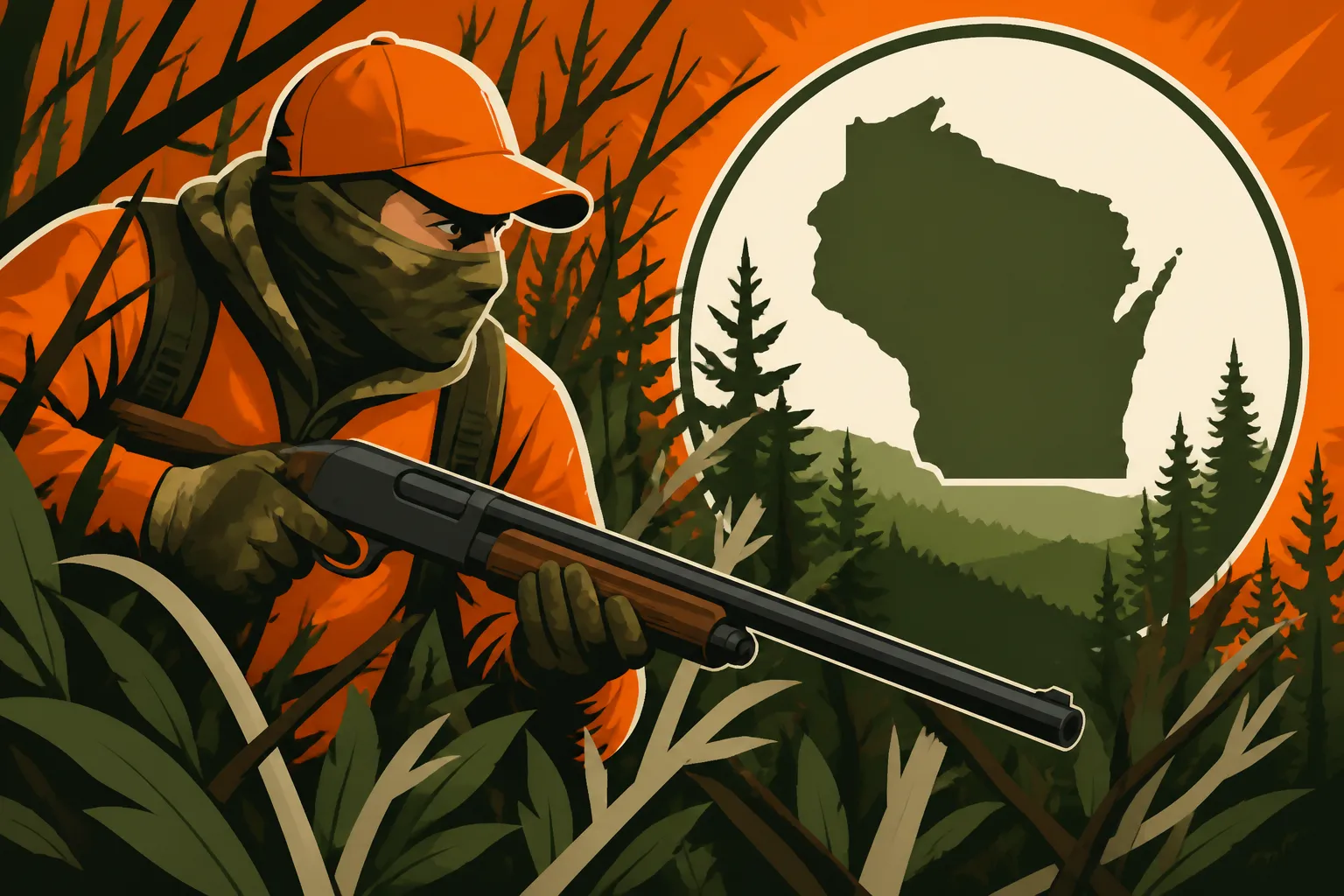
Navigating the thick tangles of Wisconsin's diverse hunting landscapes can be a real challenge, especially when your firearm feels more like a jousting pole than a precise hunting tool. Whether you're pushing through dense alder thickets in pursuit of woodcock or sneaking through a cedar swamp after a whitetail, a long barrel can snag, clang, and ultimately cost you a shot. This guide will walk you through why barrel length truly matters in these dense environments and help you consider the optimal choices for better maneuverability and success in Wisconsin's demanding cover.
Why Barrel Length Matters in Dense Vegetation
When you're out in the woods, every piece of your gear makes a difference, and the length of your firearm's barrel is no exception. It's not just about aesthetics or even ballistic performance for most typical Wisconsin hunting ranges; it's profoundly about how you can move and react in the environment. Many of us have experienced the frustration of a long gun in tight spots, and understanding these dynamics is the first step to making a more informed choice for your style of hunting.
Maneuverability in Dense Vegetation
Imagine trying to thread a needle with a broomstick – that's often what it feels like to carry a rifle with a 24-inch or longer barrel through a dense stand of pines or a thick patch of young aspen. Every branch seems to reach out and grab your barrel, forcing you to slow down, push through, or awkwardly hoist your gun above the brush. This isn't just an inconvenience; it can be the difference between getting a shot off and watching your quarry disappear. A shorter barrel allows for much tighter turns and smoother movement, letting you keep your focus on the deer or grouse ahead, rather than on the brush around your gun.
Think about still-hunting in a mature timber stand that has a significant amount of undergrowth. As you slowly pick your way through, trying to be as quiet as possible, a long barrel is constantly brushing against saplings, creating noise that can alert game. Or consider trying to quickly swing on a flushing grouse in thick alder cover; the extra length makes the swing slower, wider, and more prone to getting caught, giving the bird those precious extra seconds it needs to escape. Still-Hunting Wisconsin Cedar Swamps becomes a completely different experience with a carbine-length rifle compared to a full-length sporter.
Clearing Obstacles and Avoiding Snags
Beyond just maneuverability, a long barrel's propensity for snagging on branches is a constant battle. This isn't just about noise; it's about control and safety. A snag can throw your balance off, especially if you're on uneven ground or trying to cross a blowdown. It can also pull your gun off target or even worse, cause a dangerous situation if you're trying to navigate a tricky spot with a loaded firearm.
For instance, when Grouse Hunting Wisconsin Aspen Cuts, the young regeneration offers incredible cover for birds but can be a nightmare for hunters with long-barreled shotguns. Your barrel can get caught on brush, twigs, and saplings, forcing you to use both hands to free it, taking your shooting hand off the grip precisely when a bird flushes. The same applies to those dense willow thickets along river bottoms when Hunting Mississippi River Backwaters for waterfowl, or when pushing through cattails. The constant struggle to clear your barrel makes for a much less enjoyable, and less effective, hunt.
Stealth and Quick Target Acquisition
Noise, as we touched on, is a major factor. Every twig snap or rustle from your barrel brushing against brush sends an alarm signal to game. Deer especially have an incredible sense of hearing, and subtle sounds are enough to make them freeze or bolt. A shorter barrel inherently reduces the surface area that can contact vegetation, minimizing these unwanted noises. This can be critical when you're trying to quietly approach a bedding area or slip into position on a feeding deer.
Furthermore, quick target acquisition is paramount in many Wisconsin hunting scenarios. Whether it's a whitetail ghosting through timber, a flushing pheasant, or a bear breaking cover, you often have a very narrow window for a shot. A shorter, more compact firearm can be brought to bear much faster, allowing you to get on target with less wasted motion. Imagine the rapid movement needed for a follow-up shot in thick cover; a shorter barrel just naturally points and settles faster. This is particularly true if you are hunting with hounds, where a quick, decisive shot is often necessary when the action is fast and close. Running Hounds for Wisconsin Bobcats often means tight quarters and fleeting opportunities.
Optimal Barrel Lengths for Different Wisconsin Hunting Scenarios
When we talk about "optimal" barrel lengths, it's not a one-size-fits-all answer. Wisconsin's diverse habitats and game species demand a nuanced approach. What works perfectly for a shotgun in an alder run might be far from ideal for a rifle in a more open hardwood forest. It's about matching your tool to the task and the terrain.
Shotguns for Upland and Waterfowl
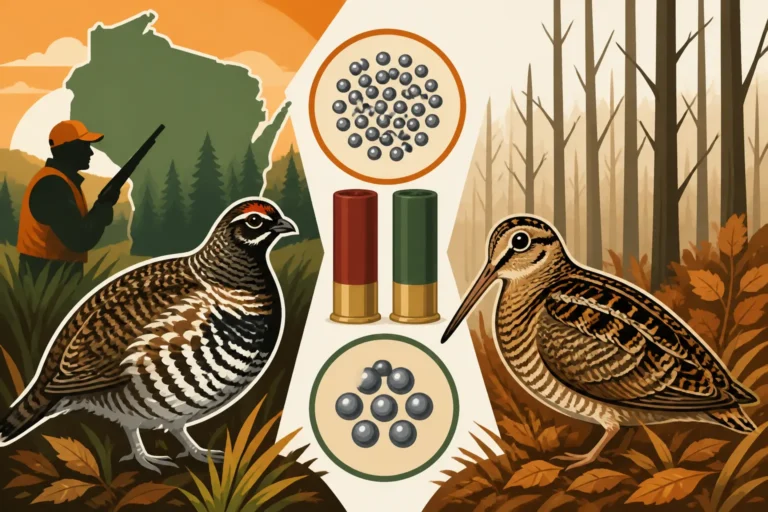
For upland bird hunting in Wisconsin, where quick, instinctive shooting is the name of the game, a shorter barrel is often preferred. Think about those dense Woodcock Hunting Wisconsin Alder Runs or the aforementioned aspen cuts for grouse. A shotgun with a 24-inch or 26-inch barrel is typically much easier to swing and control in these tight quarters than one with a 28-inch or 30-inch barrel. This slightly shorter length provides enough sight plane for accurate shooting without becoming a hindrance in the brush.
Even for waterfowl, especially jump shooting rivers or hunting smaller, brushy potholes, a shorter barrel can be an advantage. While a longer barrel might offer a slight perceived advantage for lead and swing on distant birds in open fields, the reality of breaking brush to get to a riverbank or navigating a small marsh often favors something more compact. The ability to quickly mount and swing on ducks that jump unexpectedly close is greatly enhanced with a more agile firearm. Many experienced upland hunters even opt for 22-inch or 20-inch barrels on specific "brush guns" for ultimate portability, understanding that the effective range for these fast-flushing birds is typically well within a shorter barrel's capabilities.
Rifles for Deer in Northern Forests and Swamps
Deer hunting in Wisconsin, especially in the thickest parts of the Northern Forest or dense cedar swamps, is another prime example where a shorter rifle barrel shines. A traditional bolt-action hunting rifle might come with a 22-inch or 24-inch barrel, which is fine for more open areas. However, when you're maneuvering through thick stands of balsam, spruce, or hemlock, or trying to pick your way through a lowland swamp, those extra inches quickly become a liability.
Many hunters specifically seek out carbine versions of their favorite rifles, often with barrel lengths ranging from 18 to 20 inches, for this type of hunting. These firearms handle exceptionally well in dense cover, allowing for unhindered movement and quicker follow-up shots if needed. The slight loss in muzzle velocity with a shorter barrel is rarely a factor at the close ranges often encountered when hunting deer in thick timber. For instance, the classic lever-action .30-30, often found with an 18-inch or 20-inch barrel, remains a popular choice for its compact nature and effectiveness in close quarters, proving that barrel length directly impacts hunting style. Hunting the Wisconsin Northern Forest for Deer is often a game of close encounters and quick reactions.
Crossbows and Their Effective Length
While not traditional "barrels" in the same sense, crossbows have an overall length that directly impacts their handling in thick cover. Many crossbows can be quite long, especially those with traditional stock designs. The length from the buttstock to the end of the stirrup (or where the arrow rests) can be cumbersome when still-hunting or trying to set up in a ground blind in dense brush.
Hunters often find that more compact crossbow designs, or those with adjustable stocks, offer significant advantages in heavy cover. The ability to shorten the overall length makes it easier to navigate trails, climb into a stand without snagging, or aim from a Using a Ground Blind on Wisconsin Public Land where space is often at a premium. While crossbows don't have muzzle blast concerns or significant velocity loss from "barrel" length, their physical footprint is a critical factor for maneuverability. When considering a crossbow for Hunting Wisconsin's Late Archery Season, which can often involve colder weather and thicker dormant vegetation, a compact model can make all the difference.
Considerations Beyond Just Length
While barrel length is a critical factor, it's part of a larger equation. Other aspects of your firearm's design and your hunting style also play significant roles in how well you can navigate dense cover. Ignoring these additional factors can lead to frustrations, even if you've chosen a seemingly optimal barrel length.
Balance and Swing
A firearm's balance point and overall swing dynamics are just as important as its static length. A gun with a very long barrel that is also front-heavy can feel incredibly unwieldy, even if it's technically shorter than another, better-balanced option. Conversely, a rifle with a short barrel but poor balance can feel awkward and slow to get on target. The ideal is a firearm that feels "lively" in your hands, one that you can bring up smoothly and quickly to your shoulder without excessive effort or adjustment.
When you're walking through thick brush, constantly holding your gun at the ready, a well-balanced firearm reduces fatigue. This is particularly true if you're carrying it for hours while still-hunting or traversing challenging terrain like the steep ridges and coulees of the Driftless Area. A gun that feels natural to point and swing will naturally reduce snags because you'll be able to subtly adjust its angle to avoid obstacles more intuitively.
Weight and Fatigue
Closely tied to balance, the overall weight of your firearm is a major consideration, especially for long days spent walking through demanding cover. Every extra ounce feels like a pound after a few miles of slogging through swamps or climbing hills. A heavier firearm, combined with a long barrel, can quickly lead to arm fatigue, making it harder to hold steady for an accurate shot when the moment of truth arrives.
For hunters who cover a lot of ground in thick cover, minimizing weight is often a priority. This might mean opting for lighter-profile barrels, synthetic stocks, or choosing a shorter barrel that inherently reduces the amount of steel carried. Remember, you're not just carrying the gun; you've got your pack, calls, possibly a rangefinder, and extra layers. Every bit of weight adds up, and a lighter, shorter gun helps you stay fresh and focused throughout the hunt. Using an app like GoHunt to scout difficult terrain can help you anticipate how much walking you'll do, influencing your gear choices.
Muzzle Devices and Chokes
It's also worth remembering that the "effective" length of your firearm can be extended by muzzle devices. A suppressor, muzzle brake, or even an extended choke tube can add several inches to your barrel, sometimes negating the advantage of choosing a shorter base barrel. If you're using a suppressor for hearing protection, for example, a 16-inch barrel might become closer to a 22-inch effective length once the can is attached. This is an important factor to consider when planning your setup.
For shotguns, interchangeable choke tubes allow you to adjust your shot pattern for different situations. While not directly related to barrel length for handling, knowing you can swap a tight turkey choke for a more open skeet choke for upland birds means you don't need a different barrel for every scenario. However, some extended choke tubes can add an inch or two, which, while minor, is still part of the overall length you'll be managing in the brush.
| Firearm Type | Recommended Barrel Length Range (Thick Cover) | Primary Use Case in Wisconsin | Pros in Thick Cover | Cons (Potential) |
|---|---|---|---|---|
| Upland Shotgun | 24-26 inches (some go 20-22 inches) | Grouse, Woodcock, Pheasant, Rabbit in heavy brush | Excellent maneuverability, quick swing, reduced snags | Minimal effect on pattern at typical ranges, slight velocity loss on very long shots |
| Deer Rifle (Carbine) | 16-20 inches | Deer in Northern Forests, Cedar Swamps, thick river bottoms | Highly portable, fast handling, reduced snagging, quiet movement | Some velocity loss, increased muzzle blast, reduced sight radius for open sights |
| Muzzleloader | 20-24 inches | Late-season deer in dense woods, cold weather hunting | Good balance of velocity and handling, easier loading in tight spots | Can still be bulky, requires careful cleaning in the field |
| Crossbow | Compact models (overall length < 35 inches) | Deer in ground blinds, treestands, still-hunting thick cover | Easy to maneuver in confined spaces, stable shooting platform | Can still be wide, requires careful cocking in tight areas |
Making Your Choice: Balancing Performance and Portability
Ultimately, choosing the right barrel length is a personal decision that blends your primary hunting style, the specific terrain you frequent, and your individual preferences. There's no single "best" option, but rather a spectrum of choices that offer different advantages and trade-offs.
Assessing Your Primary Hunting Terrain
The most crucial factor in your decision should be an honest assessment of where you spend most of your hunting time. Are you primarily Hunting the Wisconsin Northern Forest for Deer, where thick conifers and dense second-growth dominate? Or do you primarily hunt the more open farmlands of southern Wisconsin, where longer shots across fields are more common? If you're consistently battling dense vegetation, a shorter barrel makes undeniable sense. If you hunt more open country, the benefits of a longer barrel (like slightly increased velocity or a longer sight radius for open sights) might outweigh the portability concerns.
Many hunters use mapping tools like GoHunt or the Scouting With the Wisconsin Hunt Wild App to get a bird's-eye view of their hunting areas. These tools can help you visualize the density of cover and the typical distances you'll be engaging game, which directly informs your barrel length decision. If your digital scouting reveals a lot of dark green canopy, indicating thick woods, you'll know that maneuverability is key.
Personal Preference and Shooting Style
Beyond the objective factors of terrain and ballistics, your personal preference and shooting style weigh heavily. Some hunters simply prefer the feel and balance of a longer gun, even if it means a bit more effort in the brush. Others prioritize ultimate compactness and speed, even if it comes with a slightly louder muzzle report or a small velocity sacrifice. Do you like to still-hunt slowly and deliberately, or do you prefer to post up in a stand and wait?
If you're someone who moves a lot and likes to get into the thickest cover, then a shorter barrel will likely enhance your experience significantly. If you mostly hunt from a fixed position, such as a treestand or a ground blind on a field edge, then barrel length becomes less critical for movement, and you can prioritize other factors like muzzle velocity or recoil reduction. The key is to handle different firearms, practice with them, and see what feels most natural and effective for you.
The "One Gun" Dilemma
For many hunters, the ideal scenario is to have a specialized firearm for every type of hunting. But for most of us, budget and practicality mean we often rely on one or two versatile firearms. This creates the "one gun" dilemma: how to choose a barrel length that serves multiple purposes reasonably well. If you hunt both dense northern woods and more open agricultural areas, you might need to find a compromise.
In such cases, a middle-ground barrel length, perhaps 20-22 inches for a rifle or 26 inches for a shotgun, might offer the best balance. It won't be as nimble as an 18-inch carbine in the absolute thickest stuff, but it will still be manageable. And it won't give up as much velocity or sight radius as a truly short barrel when you find yourself needing to take a slightly longer shot. This is where understanding your hunting priorities and frequency in different types of cover becomes paramount. If 80% of your hunting is in thick woods, lean towards the shorter end of the spectrum. If it's a 50/50 split, a versatile middle-ground might be your best bet.
Ultimately, the goal is to feel confident and effective with your chosen setup. A firearm that you can handle smoothly and quietly in thick cover is a huge advantage, and often, that means opting for a shorter barrel. Take the time to consider your hunting habits, scout your areas (with or without tools like GoHunt), and handle different firearm configurations. Your hunting success and enjoyment will thank you for it.
Disclaimer
This article is for general informational purposes only and does not constitute professional advice. Laws, prices and regulations vary by location and change over time. Consult a qualified professional for guidance on your specific situation.