Game You Cannot Hunt in Wisconsin
It's always exciting to be out in the Wisconsin woods, seeing all the incredible wildlife that calls our state home. Sometimes, as hunters, we spot an animal and a little voice in our head wonders, "Can I hunt that?" The truth is, not everything you encounter is fair game, and knowing what you can't hunt is just as crucial as knowing what you can. Misinformation or a simple misunderstanding of regulations can lead to serious consequences, and nobody wants that. This guide is here to clear up that confusion, diving deep into the animals that are strictly off-limits in Wisconsin, why they're protected, and how you can stay on the right side of the law.
Understanding Wisconsin's Protected Species and Why They're Off-Limits
For those of us who cherish our hunting heritage, understanding the "why" behind regulations is key to being responsible stewards of the land and its creatures. It's not just about a list of dos and don'ts; it's about the bigger picture of conservation.
The Rationale Behind Hunting Regulations
Wisconsin's wildlife management, spearheaded by the Department of Natural Resources (DNR), operates on principles designed to ensure healthy, sustainable populations for generations to come. When you see an animal that's protected, it's typically for one of several critical reasons. Sometimes, a species might be recovering from historical over-harvesting or habitat loss, like the return of the wild turkey across the state. In other cases, populations might be naturally small, or the animals play a unique ecological role that makes them unsuitable for hunting.
Think about it this way: every tag we fill, every season we participate in, is part of a grand design to manage our natural resources responsibly. This means protecting certain animals to allow their numbers to rebound, or simply because they don't fit the definition of a traditional game species. Conservation is a collective effort, and adhering to these rules is part of every hunter's ethical responsibility. We want to ensure that our kids and grandkids can experience the same vibrant wildlife we do, and that often means giving certain species a wide berth.
What "Protected" Truly Means
When we say an animal is "protected" in Wisconsin, it's not a suggestion; it's a legal directive. It means it is unlawful to hunt, trap, harass, or possess that animal, dead or alive, without very specific permits, which are almost exclusively for research or rehabilitation purposes. This category includes federally endangered species, state endangered or threatened species, and many non-game animals that simply aren't managed for harvest.
The penalties for violating these protections can be severe, ranging from hefty fines to license revocation, and even jail time in extreme cases. It's not just a slap on the wrist. For example, if you mistakenly shoot a protected species, even if you report it immediately, you're still facing potential legal action. The onus is entirely on the hunter to correctly identify their target. This is where tools like the GoHunt app can be invaluable, offering quick access to species information and regulations right in the field, helping you verify what you're seeing before you even think about raising a gun or bow. Knowing the law, and having the resources to verify it, is your best defense against an unintentional mistake.
Mammals You Can't Hunt in Wisconsin
Wisconsin is home to a diverse array of mammals, many of which are popular game species like deer, bear, and various furbearers. However, there are several, including some truly magnificent creatures, that are off-limits for hunting.
Iconic Species Under Protection
Some of Wisconsin's most majestic mammals are either strictly protected or have such limited, specialized seasons that they are, for all intents and purposes, unhuntable for the vast majority of people.
-
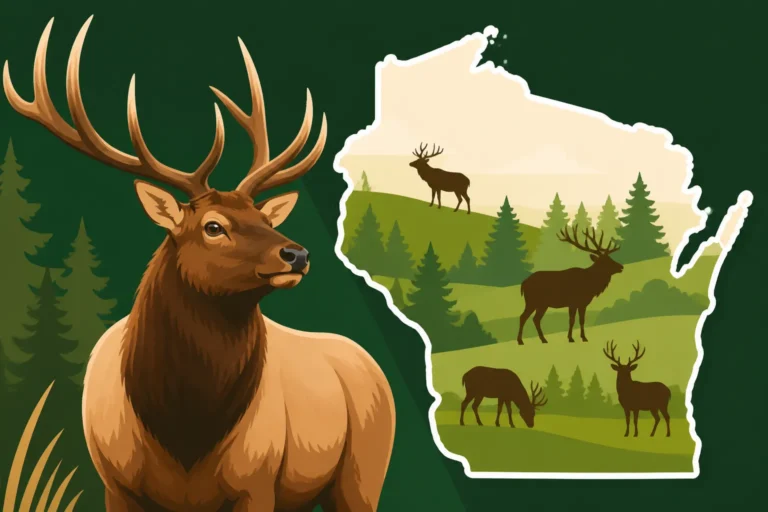
Elk: For many years, elk were completely absent from Wisconsin's landscape. Thanks to dedicated reintroduction efforts, we now have established herds in the northern and central parts of the state. While there is a highly coveted, extremely limited elk hunt each year, these permits are incredibly rare, often requiring many years of application to draw. For the average hunter, seeing an elk is a truly special wildlife viewing experience, but harvesting one is not an option. The main goal of their management is population growth and expansion, so the vast majority of the herd is protected. If you're curious about their journey, you can learn more about Wisconsin's Northern and Central Elk Herds and even about the special process for Wisconsin Elk Application Rules. It’s a testament to conservation that they are back in our state, and their protection is paramount to their continued success.
-
Wolves: Few topics in Wisconsin wildlife stir as much passion and debate as wolves. After decades of absence, wolves naturally recolonized parts of northern Wisconsin. Their population has grown, and their legal status has fluctuated significantly over the years, bouncing between state and federal protection. As of now, wolves are generally under federal protection as an endangered or threatened species, meaning there is no hunting or trapping season. This is a complex and often contentious issue, with different groups holding strong opinions. Regardless of your personal stance, legally, wolves are not a huntable species in Wisconsin. You can dive deeper into the history and population dynamics by reading about Wolves and Predators in Wisconsin. It's a prime example of how conservation, ecology, and social values intersect.
-
Cougars: The mountain lion, or cougar, is a rare sight in Wisconsin. While there are confirmed sightings each year, often of transient males passing through, there is no evidence of a breeding population in Wisconsin. Given their extremely low numbers and transient nature, there is absolutely no hunting season for cougars in our state. Seeing a cougar in the wild would be an incredible, once-in-a-lifetime experience for most, and they are fully protected. You can get more information about confirmed sightings and the debate over their presence in Cougar Reports in Wisconsin.
-
Martens and Fishers: Both American martens and fishers are fascinating members of the weasel family that inhabit Wisconsin's northern forests. Historically, martens were extirpated from the state. While reintroduction efforts have helped, their population remains sensitive, and they are generally protected. Fishers, on the other hand, have recovered well and are managed through a very limited trapping season with specific quotas, but there is no open hunting season for them. These are furbearers, but their unique population dynamics dictate strict management. For hunters who might encounter them, it's crucial to understand their protected status. You can learn more about their presence in Fishers and Martens in Wisconsin.
Other Mammals You Might Encounter
Beyond the more prominent protected species, there's a host of other mammals that are not designated as game animals in Wisconsin.
-
Lynx and Bobcat: This is where things can get a little tricky, especially when distinguishing between similar-looking animals. Bobcats can be hunted and trapped in Wisconsin, but it requires a highly sought-after permit drawn through a preference point system, similar to bear permits. It's not an open season for everyone. However, their close cousin, the Canada lynx, is a federally protected threatened species and is not legal to hunt or trap in Wisconsin. Lynx are extremely rare visitors to our state, but misidentification could lead to serious legal issues. It's essential to know the subtle differences in appearance. While Bobcat Range and Harvest in Wisconsin covers the bobcat, remember the lynx is off-limits.
-
Moose: Although very rare, moose occasionally wander into northern Wisconsin from Michigan or Minnesota. There is no resident breeding population, and definitely no hunting season for them. If you're lucky enough to spot one, enjoy the moment, but know they are fully protected.
-
Badgers: Our state animal, the badger, is a fascinating burrowing mammal. While they are present across Wisconsin, there is no open hunting or trapping season for badgers. They are generally considered a protected non-game species. They're recognized for their fierce nature and digging prowess. Many residents are proud of the state's namesake, and their protection contributes to that iconic status. Learn more about them in Badgers and the Wisconsin Nickname.
-
Smaller Non-Game Mammals: This category encompasses a vast array of small creatures like opossums, shrews, moles, voles, mice, bats, and various other rodents. These animals are generally not considered game species and are protected from hunting or trapping, unless they are classified as a nuisance animal that poses a direct threat and require specific removal permits. Always consult the DNR if you have questions about nuisance animal removal.
Birds You Can't Hunt in Wisconsin
While Wisconsin offers fantastic hunting opportunities for a variety of game birds—like ducks, geese, turkeys, pheasants, and grouse—there's an even larger number of avian species that are strictly protected. These birds play vital ecological roles and contribute immensely to the natural beauty and biodiversity of our state.
Raptors and Other Birds of Prey
Birds of prey, often called raptors, are universally admired for their majestic flight and hunting prowess. In Wisconsin, as in the rest of the United States, all native raptors are protected by state and federal laws, most notably the Migratory Bird Treaty Act.
- Eagles: Both Bald Eagles, our national bird, and Golden Eagles, which are rarer visitors, are fully protected. The Bald Eagle's remarkable recovery from near extinction is one of conservation's great success stories, and their protection remains sacrosanct.
- Hawks and Owls: This includes all species of hawks (Red-tailed, Cooper's, Sharp-shinned, etc.), owls (Great Horned, Barred, Screech, Snowy, etc.), and falcons (Peregrine, Kestrel, Merlin). These magnificent hunters are essential for maintaining healthy ecosystems, controlling rodent and bird populations. They are strictly illegal to hunt, harass, or possess.
- Vultures: Both Turkey Vultures and Black Vultures (though rarer in Wisconsin) are also protected. While not birds of prey in the traditional sense, they are scavenger birds vital for cleaning up carrion and preventing disease spread.
If you are out hunting, especially in dense cover where a quick flush might occur, positively identifying your target is critical. Mistaking a hawk for a grouse, or a turkey vulture for a goose, could lead to serious legal repercussions. Always be 100% certain of your target.
Songbirds and Migratory Non-Game Birds
Beyond the large, charismatic birds of prey, virtually all songbirds and many other migratory non-game birds are protected.
- Songbirds: From robins and cardinals to warblers, finches, and sparrows, all passerine (perching) birds are protected. These are the birds that fill our forests and backyards with song and vibrant color.
- Wading Birds and Shorebirds: This category includes herons, egrets, cranes, sandpipers, and plovers. While we have Sandhill Cranes across the state, which some hunters debate as a potential future game bird, they are currently fully protected and cannot be hunted. It’s important to acknowledge that some states do have Sandhill Crane hunts, but Wisconsin is not one of them. For a deeper understanding of their presence, check out Sandhill Cranes Across Wisconsin Wetlands. It’s a species that generates a lot of conversation among hunters, but the law is clear.
- Other Protected Migratory Birds: This can include various gulls, terns, loons, grebes, and cormorants. While some of these species can occasionally be confused with huntable waterfowl, their distinct flight patterns, calls, and appearances usually make them identifiable. However, in low light or at long distances, positive identification is paramount.
The Migratory Bird Treaty Act broadly protects almost all native bird species, with specific exceptions made for game birds that have established hunting seasons. If you're unsure about a particular bird, assume it's protected.
Distinguishing Huntable Birds from Protected Ones
It's easy to get confused when you're out in the field, especially with birds that might share similar habitats or appear quickly. The key is careful observation and knowing the distinct characteristics of legal game birds versus protected species. This table provides a quick overview, but remember, detailed identification guides are your best friend. The Wisconsin DNR's GoHunt app, for instance, provides current regulations and species information that can be critical for field identification, ensuring you don't make a costly mistake.
| Category | Commonly Huntable Birds in Wisconsin | Commonly Protected Birds in Wisconsin |
|---|---|---|
| Upland Birds | Ruffed Grouse, Sharp-tailed Grouse (permit), Pheasant, Wild Turkey, Quail (rare), Crow (with season) | Hawks (Red-tailed, Cooper's, etc.), Owls (Great Horned, Barred), Eagles (Bald, Golden), Vultures, Songbirds, Woodpeckers |
| Waterfowl | Mallard, Wood Duck, Teal, Canada Goose, Snow Goose, Diver Ducks (Canvasback, Bluebill, Goldeneye), Mergansers | Loons, Grebes, Terns, Gulls (most species), Sandhill Cranes, Herons, Egrets, Swans (except trumpeter swan with specific permit/tag) |
| Migratory Game | Woodcock, Mourning Dove, Snipe | All other non-game migratory birds, shorebirds (e.g., sandpipers, plovers), raptors, most wading birds |
It bears repeating: if you're ever in doubt, don't shoot. The consequences of accidentally harvesting a protected bird far outweigh the missed opportunity.
Reptiles, Amphibians, and Fish with Special Protections
While hunting typically focuses on mammals and birds, it's also important to understand that certain cold-blooded creatures and even some fish have specific protections or highly regulated seasons in Wisconsin. These aren't "hunted" in the traditional sense, but their harvest is restricted.
Cold-Blooded Critters
Wisconsin's diverse ecosystems support a variety of reptiles and amphibians. Many of these species are critical to ecological balance and face threats from habitat loss, pollution, and climate change, leading to various levels of protection.
- Turtles: While common snapping turtles and softshell turtles have regulated trapping seasons (and specific length limits to protect breeding adults), many other turtle species are protected. For example, Blanding's turtles, ornate box turtles, and wood turtles are listed as endangered or threatened and are strictly off-limits. Their populations are fragile, and removing them from the wild, even accidentally, can severely impact their survival. You need to be able to identify these species if you're involved in any type of aquatic activity that might bring you into contact with them.
- Snakes: All native snake species in Wisconsin are generally protected, with several listed as endangered or threatened, such as the Eastern massasauga rattlesnake and Butler's garter snake. It is illegal to harass, kill, or collect these animals. While many people might have an aversion to snakes, they play an important role in controlling rodent populations and are a natural part of our ecosystem.
- Frogs, Toads, and Salamanders: Like snakes, virtually all species of frogs, toads, and salamanders are protected. There are no hunting or collecting seasons for these amphibians. They are crucial bioindicators, meaning their health can tell us a lot about the health of our environment.
If you're out exploring our wetlands or forests, remember to observe these creatures from a respectful distance. Their well-being depends on our understanding and adherence to these protective measures.
Fish with Strict Regulations
While fishing is distinct from hunting, it's worth noting that some fish species in Wisconsin also have extremely strict regulations, often limiting or prohibiting harvest. These regulations are in place for similar reasons as hunting restrictions: conservation, population management, and protecting vulnerable species.
- Lake Sturgeon: The lake sturgeon is an incredible, ancient fish that can live for over 100 years. They have a fascinating life cycle and require significant protection due to historical overharvesting and habitat degradation. In Wisconsin, lake sturgeon are primarily managed through very limited spearing and hook-and-line seasons, often requiring special tags (like on the Winnebago system) or being strictly catch-and-release in other waters. The idea of "hunting" them with a spear is perhaps the closest parallel to traditional hunting, but it is heavily regulated with specific zones and quotas to ensure their long-term survival.
- Muskellunge: While musky fishing is a celebrated pastime in Wisconsin, often called "the fish of 10,000 casts," their harvest is tightly controlled. Many waters have very high minimum length limits (often 40-50 inches or more), and some lakes are designated as catch-and-release only. This is to ensure these top predators can grow to trophy size and maintain healthy breeding populations. The emphasis is on the chase and the release, rather than the harvest.
- Trout and Salmon: Depending on the specific water body and species (Brook Trout, Brown Trout, Rainbow Trout, various Salmon), regulations can vary widely, including special catch-and-release only sections, gear restrictions, and very specific bag limits. These measures protect native populations and enhance the quality of the fishing experience.
These regulations ensure that our aquatic ecosystems remain vibrant and that these remarkable species continue to thrive in Wisconsin's waters. Just like with game animals, always consult the current fishing regulations before heading out.
The Importance of Identification and Resources
Understanding what you can and cannot hunt in Wisconsin isn't just about following rules; it's about being a knowledgeable, ethical, and responsible outdoors person. The burden of proof and identification always falls on the hunter.
Knowing Before You Go
Before you even step foot into the woods or fields, your preparation should include a thorough review of current hunting regulations. Regulations change, sometimes year to year, and what was legal last season might not be this season, especially concerning species with sensitive populations.
- DNR Regulations: The Wisconsin DNR website is your absolute go-to resource. They publish comprehensive hunting and trapping regulations pamphlets annually, covering all game species, seasons, bag limits, and important general rules. Read them cover to cover.
- GoHunt App: Modern technology has made staying informed easier than ever. The GoHunt app, often supported by wildlife agencies, can be an invaluable tool. It allows you to quickly look up species information, verify regulations, and even review maps of public lands with boundaries. Imagine you're deep in the Northern Forest Deer Density in Wisconsin country and you see an animal you're not sure about; a quick check on your phone could save you from making a huge mistake.
- Field Guides and Education: Invest in good quality field guides for birds and mammals. Familiarize yourself with distinguishing characteristics – size, color, markings, vocalizations, and behavior. Take hunter education courses, even if you’re a veteran, to refresh your knowledge. Participating in workshops on wildlife identification can also be incredibly helpful. Every moment you spend learning is an investment in your ethical hunting future.
Responsible hunting means having confidence in your target identification. It means not taking a shot if there's any doubt whatsoever. That moment of hesitation might mean a missed opportunity, but it also means upholding the integrity of our hunting traditions and protecting vulnerable species.
Reporting and Enforcement
Despite our best efforts, mistakes can happen. Or, more unfortunately, you might encounter someone knowingly violating wildlife laws. Knowing what to do in these situations is another facet of responsible outdoor citizenship.
- Accidental Take: If you accidentally harvest a protected animal, the most important thing you can do is immediately report it to the Wisconsin DNR. Do not attempt to conceal it. Being forthright, even if it was an honest mistake, is crucial. While there will still be an investigation and potential penalties, honesty goes a long way. The DNR is concerned with conservation and law enforcement, and transparency is always better than evasion.
- Reporting Violations: If you witness a wildlife violation – someone shooting a protected species, hunting out of season, or exceeding bag limits – it is your duty to report it. Wisconsin has confidential tip lines and programs for reporting poachers, such as the "Violation Hotline." Providing details like vehicle descriptions, license plates, physical descriptions of individuals, and the specific location and nature of the violation are all incredibly helpful to wardens. Remember, poaching steals from all of us who cherish Wisconsin's wildlife. You can find more information about how and when to report suspicious activity by looking into Reporting a Poacher in Wisconsin. This is a critical action for protecting our shared resources.
By staying informed and acting responsibly, we ensure that Wisconsin's diverse game and non-game species continue to thrive, providing enjoyment for all who venture into our beautiful outdoors.
Disclaimer
This article is for general informational purposes only and does not constitute professional advice. Laws, prices and regulations vary by location and change over time. Consult a qualified professional for guidance on your specific situation.