Reporting a Sick Animal in Wisconsin
There's a moment in every hunter's or outdoor enthusiast's life that gives you pause: stumbling upon a wild animal that's clearly not well. It's unsettling to see nature's creatures suffering, and your first thought might be, "What do I even do about this?" It feels wrong to just walk away, but approaching a sick wild animal can be dangerous, and you might not even know who to call. This guide will walk you through the crucial steps of how to properly identify, understand, and report sick wild animals in Wisconsin, ensuring you can act responsibly and safely for both the wildlife and yourself.
Why Reporting Sick Animals in Wisconsin Matters So Much
Finding a sick or deceased animal in the wild is more than just a sad sight; it can be a critical piece of the puzzle for understanding the health of our larger ecosystem. For those of us who spend a lot of time outdoors, whether scouting a new area with an app like GoHunt or just enjoying a quiet hike, recognizing the importance of reporting can make a real difference. It helps wildlife managers track diseases, identify potential outbreaks, and even protect public health.
Tracking Wildlife Diseases and Population Health
Think about it: our wildlife populations face all sorts of threats, and diseases are a big one. When you report a sick animal, you're essentially providing boots-on-the-ground intelligence to the Wisconsin Department of Natural Resources (DNR). They use this information to map out where diseases might be spreading, how quickly, and what species are most affected. This data is vital for making informed decisions about wildlife management, setting harvest quotas, and even implementing special regulations to contain outbreaks.
For example, we've all heard about Chronic Wasting Disease (CWD) and its impact on our deer herd. A report of a deer showing CWD symptoms in a new area could trigger immediate testing and localized management efforts. It's not just CWD, though. Other diseases like EHD (Epizootic Hemorrhagic Disease), avian influenza in birds, or mange in coyotes and foxes can flare up and impact significant numbers of animals. Your report helps the DNR get ahead of these issues, or at least understand their scope.
Protecting Public Health and Domestic Animals
It's not just about the wild animals, though. Many wildlife diseases are zoonotic, meaning they can be transmitted to humans or our domestic pets. While direct transmission from a sick wild animal to a person is often rare, it's not impossible, especially if you handle the animal without protection. Diseases like rabies, Lyme disease (from ticks on animals), or even certain bacterial infections can pose a risk.
Consider hunters and their dogs. If you're out Running Hounds for Bobcat in the North or Grouse Hunting Wisconsin Aspen Cover with your bird dog, you could encounter a sick animal. Your dog might be curious, and that interaction could lead to exposure. Knowing to report and then taking precautions with your pets, like ensuring they're vaccinated and checking them thoroughly after outdoor excursions, is part of being a responsible outdoor recreationist. Sometimes, seeing a sick animal might even trigger a check of local regulations, much like you might use GoHunt to review Wisconsin Carcass Movement Restrictions before processing a deer you've harvested.
What to Look For: Identifying Signs of Illness
It's one thing to know you should report a sick animal, but it's another to actually recognize when an animal is truly unwell. Wild animals are masters of hiding their vulnerabilities, so obvious signs of sickness often mean they're in a pretty advanced stage of illness.
Common Symptoms Across Species
There are some universal red flags that suggest an animal is sick. Keep an eye out for these general indicators, regardless of the species:
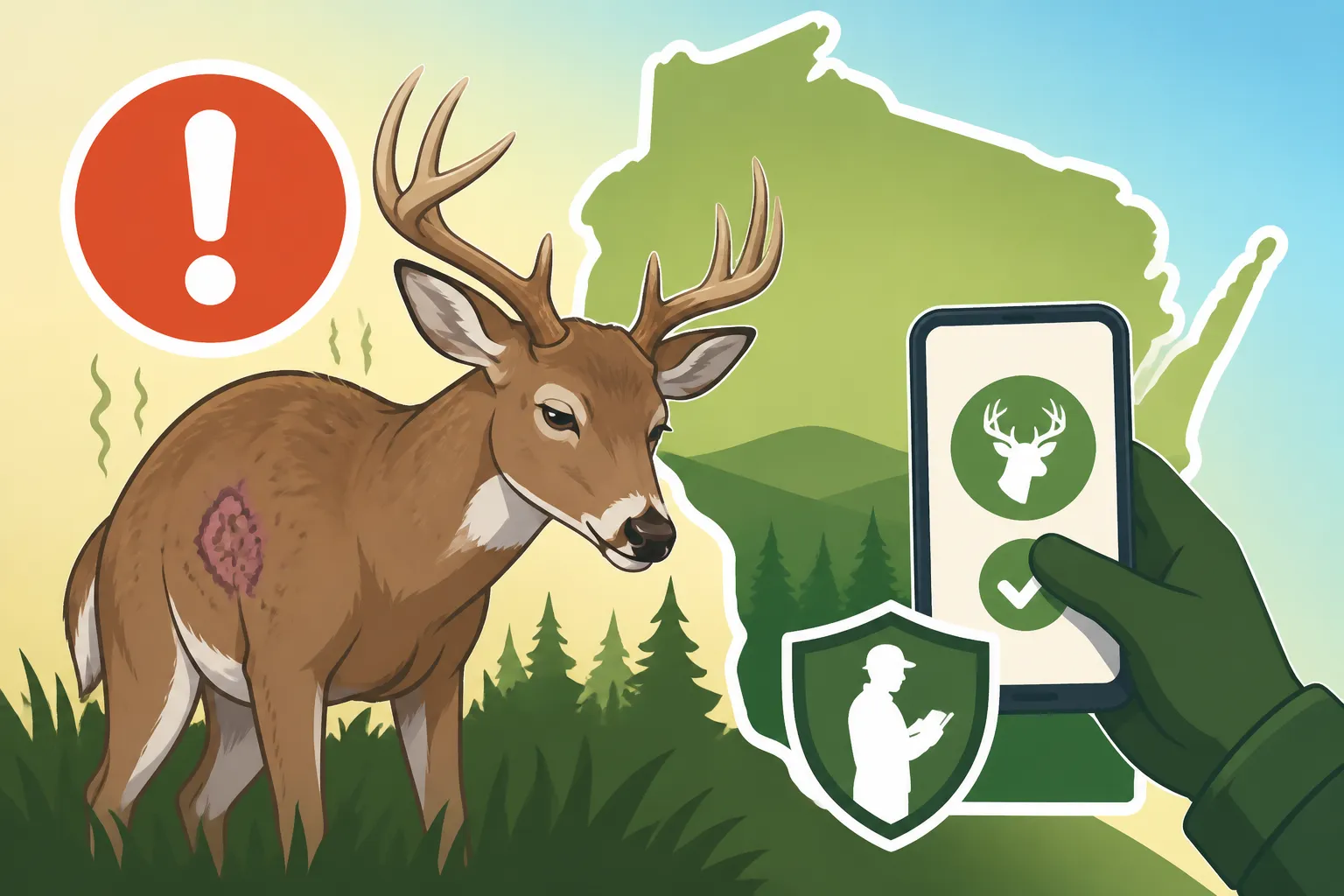
- Abnormal Behavior: This is often the most noticeable sign. An animal that usually flees from humans might be lethargic, unresponsive, or unusually aggressive. It might walk in circles, stumble, or appear disoriented. Deer that show no fear of humans, or even approach them, are a big concern.
- Emaciation or Poor Body Condition: The animal might appear extremely thin, bony, or have a dull, rough coat. Its ribs or hip bones might be prominent. While this can happen during harsh winters, it's particularly concerning during periods of abundant food.
- Discharge: Look for discharge from the eyes, nose, or mouth. This could be clear, cloudy, or bloody.
- Lesions, Sores, or Lumps: Skin lesions, scabs, tumors, or visible wounds that aren't fresh injuries from a fight or accident.
- Breathing Difficulties: Labored breathing, coughing, or gasping.
- Paralysis or Tremors: Inability to move certain limbs, or uncontrolled shaking.
Species-Specific Indicators
Different animals can display unique symptoms depending on the disease affecting them. Knowing what to look for in common Wisconsin game species can be incredibly helpful.
Deer (Whitetails)
Wisconsin's deer herd is extensive, and they are susceptible to a few well-known diseases.
- Chronic Wasting Disease (CWD): Deer infected with CWD might appear extremely emaciated ("wasting away"), have droopy ears, excessive drooling, difficulty swallowing, an altered gait, and a general lack of awareness or fear of humans. This is a progressive disease, and these signs become more pronounced over time. Learn more about Chronic Wasting Disease in Wisconsin.
- Epizootic Hemorrhagic Disease (EHD): EHD symptoms can come on quickly. Deer may appear feverish, have swelling of the head, neck, tongue, or eyelids, and often develop ulcers on their mouth and tongue. They may seek out water sources due to fever, sometimes dying near or in water. EHD Die-Offs in Wisconsin Deer are unfortunately not uncommon in some years.
- Hair Loss (Mange or Dermatitis): While not typically fatal on its own, significant hair loss, sometimes accompanied by scabbing or skin irritation, can indicate a compromised immune system or parasitic infestation.
Bears
While less common, bears can also exhibit signs of illness.
- Rabies: Though rare, a bear acting aggressively without provocation, staggering, or showing unusual friendliness could be rabid. This is extremely dangerous.
- Severe Emaciation: While Wisconsin Bear Denning Behaviour dictates they lose weight during hibernation, a bear that is severely thin and lethargic outside of denning season is a concern.
- Lumps/Lesions: Visible tumors or severe skin conditions.
Birds (Turkeys, Waterfowl, Grouse)
Birds, especially waterfowl and turkeys, can be vectors for various diseases.
- Avian Influenza (Bird Flu): Look for birds that are lethargic, disoriented, have tremors, or hold their head in an unusual position. Waterfowl might struggle to fly, swim erratically, or have respiratory distress. Avian Influenza in Wisconsin Birds is a serious concern for poultry farmers and wild bird populations.
- Trichomoniasis (in Turkeys): Turkeys might have cheesy lesions in their mouth and throat, leading to difficulty eating and drinking, eventually resulting in emaciation.
- Leg or Wing Deformities: While sometimes due to injury, sometimes these can be signs of nutritional deficiencies or developmental issues.
Furbearers (Coyotes, Foxes, Raccoons)
These animals are often associated with specific diseases.
- Mange: Mange in Wisconsin Coyotes and Foxes is relatively common, causing severe hair loss, thickened, crusty skin, and intense itching. Severely affected animals can become emaciated and succumb to the elements.
- Rabies: Similar to bears, any furbearer acting unusually aggressive, disoriented, or showing a lack of fear of humans could be rabid. Raccoons, skunks, and bats are common carriers.
- Distemper: Raccoons and foxes might show respiratory symptoms, discharge from eyes and nose, tremors, and neurological signs like seizures or abnormal walking.
How and Who to Report To: Making the Call
Once you've identified a sick animal, the next crucial step is reporting it to the right authority. In Wisconsin, that's almost always the Department of Natural Resources (DNR). It might feel like a hassle, but your report is an invaluable service to wildlife management. The DNR's website is the primary source for reporting, but understanding the larger picture of game management, often touched upon in resources like GoHunt, helps underscore why these reports are so crucial.
Gathering Critical Information
Before you make the call or fill out a form, try to gather as much detail as you can from a safe distance. This information is what the DNR needs to assess the situation.
- Location, Location, Location: This is paramount. Provide specific details: county, nearest town, road name, and distinguishing landmarks (e.g., "about a half-mile north of the intersection of Highway 8 and County Road E, near the big red barn"). If you have a GPS, a precise coordinate is ideal. Using mapping apps like those often found alongside tools like GoHunt can help you pinpoint the exact spot.
- Animal Species: Clearly identify the animal (e.g., adult white-tailed deer, red fox pup, wild turkey hen).
- Number of Animals: Is it one animal, or a group?
- Observed Symptoms: Describe what you saw. "Deer looked very thin, had droopy ears, and was drooling a lot," or "Fox was walking in circles and seemed unafraid of my presence." Be as objective as possible.
- Time of Observation: When did you see the animal?
- Your Contact Information: Provide your name and phone number so a warden or biologist can follow up if needed.
Contacting the Wisconsin DNR
The method you use to contact the DNR might depend on the urgency of the situation and the animal involved.
For Wildlife Health Concerns (Non-Emergency)
If you've observed a sick animal but it doesn't pose an immediate threat to humans or pets (e.g., a deer showing CWD symptoms, a fox with mange), the best route is typically through the DNR's dedicated wildlife health reporting system.
- Online Reporting Form: The Wisconsin DNR usually has an online form specifically for reporting sick or dead wildlife. This is often the preferred method for non-urgent observations as it ensures all necessary information is captured systematically. Search for "Wisconsin DNR sick wildlife report" to find the current form.
- DNR Wildlife Health Section: You can often find contact information for the DNR's wildlife health specialists on their website. Calling during business hours allows you to speak directly with someone who can guide you.
For Emergencies or Public Safety Concerns
If the animal is acting aggressively, appears rabid, is severely injured and suffering, or poses an immediate threat to humans or domestic animals, you need to report it immediately.
- DNR Call Center/Tip Line: The DNR operates a customer service hotline or a tip line that can direct your call to the appropriate local warden or wildlife biologist. For urgent issues, this is the fastest way to get a live person. Often, this is the same number you'd use for Reporting a Poacher in Wisconsin.
- Local Law Enforcement: In cases where there's an immediate public safety risk (e.g., a rabid animal in a populated area), local police or sheriff's departments can also be contacted. They can often dispatch an officer or contact the DNR directly.
Important Note: Do not call 911 unless there is an absolute, direct threat to human life. A sick deer in the woods, while concerning, is not a 911 emergency.
Here's a quick summary of general guidelines for common signs and reporting urgency:
| Symptom/Observation | Potential Issue | Urgency | Who to Contact |
|---|---|---|---|
| Emaciated, drooling deer | CWD, EHD, general illness | Non-Emergency | DNR Online Report / Wildlife Health |
| Disoriented, aggressive raccoon | Rabies, distemper | Immediate | DNR Hotline / Local Law Enforcement |
| Fox with severe hair loss | Mange | Non-Emergency | DNR Online Report / Wildlife Health |
| Large number of dead birds | Avian Influenza, West Nile Virus | Immediate | DNR Hotline / Wildlife Health |
| Injured animal suffering | Vehicle collision, other trauma | Immediate | DNR Hotline / Local Law Enforcement (if in populated area) |
| Deer acting unafraid of humans | CWD, neurological issue | Non-Emergency | DNR Online Report / Wildlife Health |
| Feral Swine in Wisconsin | Invasive species | Immediate | DNR Hotline / Wildlife Health |
This table is a general guide; always prioritize safety and contact the DNR if unsure.
Safety First: What NOT to Do
Encountering a sick or injured wild animal can tug at your heartstrings, but it’s absolutely critical to prioritize your safety and the safety of your pets. While you might feel compelled to help, direct intervention is almost always the wrong course of action.
Do Not Approach or Handle the Animal
This is the golden rule. Wild animals, especially when sick or injured, can be unpredictable. They are driven by instinct, and fear or pain can make them lash out aggressively, even if they appear weak.
- Risk of Bites and Scratches: A bite or scratch from a wild animal can transmit serious diseases, including rabies. Even if you're certain it's not rabies, an animal's mouth carries a multitude of bacteria that can cause severe infections.
- Risk of Zoonotic Diseases: As mentioned before, many diseases can jump from animals to humans. Touching an animal, or even its bodily fluids, puts you at risk. This is why Wisconsin CWD Testing for Hunters involves strict protocols for handling samples.
- Further Stress to the Animal: Approaching a sick animal, even with good intentions, will likely increase its stress and suffering, and could cause it to flee into dangerous situations like oncoming traffic.
- Illegal Interference: In many cases, it's actually illegal to interfere with wild animals. Leave it to the professionals.
Keep Pets and Children Away
Your curious dog or cat might be drawn to a sick animal, but this interaction can be incredibly dangerous for both your pet and the wildlife.
- Disease Transmission: Your pet can contract diseases from the wild animal, which could then be passed on to you or other pets. Vaccinations help, but they aren't a guarantee against all pathogens.
- Injury to Your Pet: A wild animal, even a small one, can inflict serious injury on a pet.
- Teach and Leash: Always keep your dogs on a leash, especially when hiking or hunting in areas where you might encounter wildlife. Educate children never to approach wild animals, even if they look "friendly" or helpless.
What if Contact Occurs Accidentally?
Despite your best efforts, accidents happen. If you or your pet accidentally come into contact with a sick or dead wild animal:
- For Humans: Immediately wash any exposed skin thoroughly with soap and water. If there's a bite, scratch, or any broken skin, seek medical attention right away and explain the situation to your doctor. They can assess the risk of rabies or other infections.
- For Pets: Contact your veterinarian immediately. They will advise on the best course of action, which might include booster vaccinations, observation, or other preventative treatments depending on the exposure.
Remember, your primary role when encountering a sick animal is to be a keen observer and a responsible reporter. By following these guidelines, you contribute to the health of Wisconsin's wildlife and keep yourself and your loved ones safe. For general information on where wildlife lives and how they interact, resources like GoHunt often include mapping layers that show habitat types, though specific sick animal information always comes from the DNR. Understanding the broader context, from Wisconsin Wildlife Disease Monitoring to Game You Cannot Hunt in Wisconsin, helps us all be better stewards of our natural resources.
Disclaimer
This article is for general informational purposes only and does not constitute professional advice. Laws, prices and regulations vary by location and change over time. Consult a qualified professional for guidance on your specific situation.